

Rethinking How Students Learn in a Digital Age
Picture a classroom in Ohio where no two students are working on the same lesson at the same time. One is reviewing algebra through an interactive game, another is watching a video on the American Revolution, and a third is reading an article tailored to her reading level.
This is not a futuristic fantasy. It is the reality being shaped by technology in education right now, across schools from California to New York.
The Shift Toward Personalized Learning Resources
According to a 2023 report by the U.S. Department of Education, over 70% of school districts have adopted some form of adaptive learning software. This shift toward personalized learning resources is transforming how students engage with material.
Educators are no longer relying solely on one-size-fits-all textbooks. Instead, they are turning to educational technology tools that adjust in real time to a student’s pace and comprehension.
Why Curating Learning Materials Matters
Curating learning materials effectively can mean the difference between a disengaged student and a motivated one. Consider these key benefits driving the movement:
- Increased engagement through content matched to individual interests
- Faster mastery of skills via adaptive learning resources
- Reduced achievement gaps among diverse learners
- Real-time feedback for both students and teachers
These outcomes are not theoretical. Districts using AI-driven platforms have reported measurable gains in standardized test scores within a single academic year.
What This Article Will Explore
This piece examines the tools, strategies, and data behind personalized learning strategies gaining traction nationwide. Readers will discover how technology is not just supplementing education, but fundamentally reshaping it.
LEARN MORE: Exploring the Effectiveness of Gamified Learning Resources in Motivating Students
# Inside the Engines Powering Personalized Learning ResourcesWalk into any tech-forward school district today, and you’ll find something humming quietly behind the scenes: algorithms. These aren’t the algorithms of social media feeds designed to capture attention. Instead, they’re engineered to identify learning gaps and deliver personalized learning resources before a student even realizes they’re struggling.Platforms like DreamBox, i-Ready, and Khan Academy have become household names in American classrooms. They analyze thousands of data points—response time, error patterns, even how many attempts a student makes on a single problem—to build a profile unique to each learner.## How Adaptive Learning Resources Actually WorkThe mechanics behind adaptive learning resources are more sophisticated than most parents realize. When a student answers a question incorrectly, the system doesn’t just mark it wrong and move on.Instead, it recalibrates. The next question might approach the same concept from a different angle, or drop down a difficulty level to rebuild foundational understanding.This is technology in education functioning less like a digital textbook and more like a tutor who never sleeps.Teachers in states like Texas and Florida have reported that this real-time adjustment allows them to intervene earlier. Rather than waiting for a unit test to reveal who’s behind, dashboards flag struggling students within days—sometimes hours.## The Data Behind the ShiftA 2022 study published by the RAND Corporation found that students using adaptive platforms for at least 40% of their math instruction time showed significantly higher growth compared to peers using traditional methods alone.That’s not a marginal improvement. It’s the kind of statistic that’s pushing school boards across the country to rethink budget priorities.Several factors are accelerating adoption of educational technology tools nationwide:
- Federal funding through ESSER grants aimed at closing pandemic-related learning gaps
- Growing teacher familiarity with classroom software following remote learning years
- Parent demand for transparency into student progress via real-time dashboards
- Lower costs of cloud-based platforms compared to physical textbook replacement cycles
Still, curating learning materials isn’t simply about installing software and stepping back. The most effective districts pair these tools with intentional personalized learning strategies, ensuring technology supports—rather than replaces—the teacher’s judgment.What emerges is a hybrid model: human insight guided by machine precision. And it’s a model worth examining more closely.
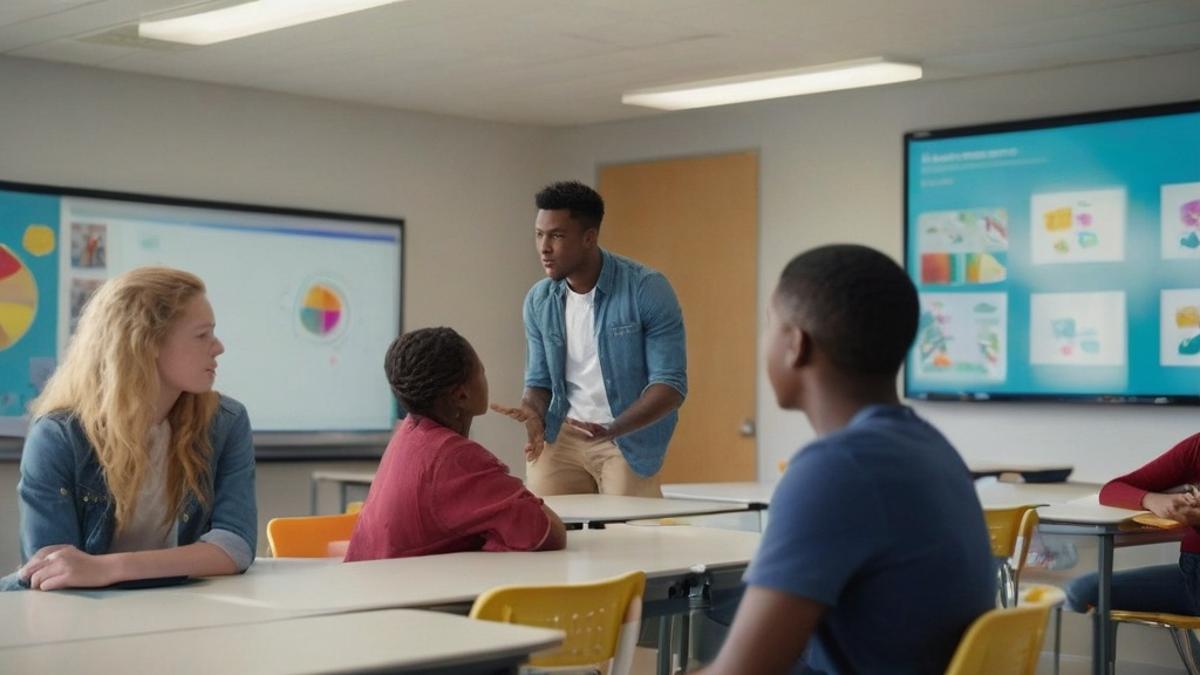
| Key Aspect | Description |
|---|---|
| Individualized Learning Paths | Technology allows educators to develop customized learning experiences that cater to each student’s strengths and weaknesses through data-driven insights. |
| Access to Diverse Resources | Online platforms provide a myriad of adaptive learning tools and resources, enabling students to explore subjects at their own pace. |
| Analytics and Feedback | By using educational technology tools, educators can track progress and provide real-time feedback, ensuring timely interventions. |
| Collaboration Opportunities | Technology fosters a collaborative environment, where students can engage in interactive learning and share personalized resources with peers. |
DISCOVER MORE: Click here to learn about student communities and mental health
Beyond the Algorithm: Who Curates the Curators?
For all the sophistication of adaptive software, someone still has to decide what goes into these systems in the first place. That’s where the human side of curating learning materials becomes just as critical as the technology itself.
Instructional designers, curriculum specialists, and classroom teachers work behind the scenes to vet content before it ever reaches a student’s screen. Without that oversight, even the smartest algorithm can serve up material that’s misaligned with state standards or simply low quality.
The Role of Learning Management Systems
Platforms like Canvas, Schoology, and Google Classroom have quietly become the backbone of American education infrastructure. They don’t just host assignments—they aggregate personalized learning resources from dozens of sources into a single, navigable hub.
A teacher in Ohio might pull a video explanation from Khan Academy, a practice set from IXL, and a formative quiz built in Edulastic, all delivered through one dashboard. Students see a seamless experience; teachers see a curated toolkit assembled in minutes rather than hours.
This layered approach reflects a broader shift in technology in education: fewer districts are relying on a single all-in-one platform, and more are building modular ecosystems tailored to specific subjects and grade levels.
Artificial Intelligence Enters the Classroom
Generative AI tools are now entering the conversation as well. Some districts in California and New York have piloted AI-assisted lesson planning, where teachers input learning objectives and receive draft materials—reading passages, practice problems, discussion prompts—that they then refine.
According to a 2023 EdWeek Research Center survey, 60% of educators reported using some form of AI tool to support lesson preparation, though far fewer trusted these tools to select final materials without review.
That hesitation isn’t a rejection of innovation. It’s a recognition that effective personalized learning strategies still require professional judgment, especially when addressing nuanced student needs like language barriers or learning disabilities.
What Makes a Tool Worth Adopting
Not every shiny new platform earns a permanent place in the classroom. Districts evaluating educational technology tools increasingly look for specific markers of long-term value:
- Interoperability with existing learning management systems
- Accessibility features for students with disabilities
- Clear alignment with Common Core or state-specific standards
- Transparent data privacy policies protecting student information
- Evidence from independent research, not just vendor-produced case studies
Districts that skip this vetting process often find themselves locked into expensive contracts for tools that never quite fit classroom realities. The lesson emerging nationwide is straightforward: technology amplifies good instructional design, but it rarely replaces the need for one.
LEARN MORE: Click here for insights on boosting student retention rates
The Road Ahead for Personalized Learning
Across classrooms from Sacramento to Syracuse, one truth keeps surfacing: the future of education isn’t about choosing between human expertise and digital innovation. It’s about blending both effectively.
The most successful personalized learning resources emerge when teachers, instructional designers, and adaptive software work in tandem rather than in isolation. Algorithms can process performance data at a scale no human could match, but they still depend on educators to set the guardrails and interpret the nuance.
A Shift in Educational Priorities
What’s changing isn’t just the tools themselves—it’s how districts think about them. Technology in education is no longer measured by how many devices sit in a classroom, but by how intelligently those devices connect students to content that actually meets their needs.
This shift demands ongoing investment. Curating learning materials isn’t a one-time setup; it’s a continuous cycle of testing, feedback, and refinement that mirrors the iterative nature of good teaching itself.
Considerations Moving Forward
Schools weighing new educational technology tools should keep a few realities in mind:
- Adaptive platforms improve outcomes only when paired with trained, engaged educators
- Data privacy safeguards must evolve alongside AI-driven features
- Equity gaps can widen if access to devices and broadband remains uneven
- Long-term success depends on measuring learning gains, not just engagement metrics
Districts that treat these factors as ongoing commitments, rather than one-time checklist items, tend to see more durable results from their personalized learning strategies.
The broader lesson is one of balance. As adaptive learning resources grow more sophisticated, the responsibility to guide, question, and refine them grows right alongside them. Technology can widen access and personalize pace, but the judgment of skilled educators remains the element no algorithm can fully replicate. That partnership, imperfect and evolving, is where the real promise of personalized learning takes shape.
Frequently Asked Questions
How can technology help in tailoring personalized learning resources for different learning styles?
Technology enables educators to utilize various tools, such as learning management systems and adaptive learning software, to identify individual learning styles and preferences. By analyzing data on student interactions, these tools can curate specific resources, like videos, articles, or quizzes, that cater to each student’s unique needs.
What types of technology are best for curating personalized learning resources in the classroom?
Some of the best technologies for curating personalized learning resources include learning management systems like Moodle or Canvas, adaptive learning platforms such as DreamBox or Smart Sparrow, and content curation tools like Wakelet or Scoop.it. These platforms allow teachers to organize, adapt, and distribute resources that align closely with their students’ learning goals.
How can teachers assess the effectiveness of personalized learning resources curated through technology?
Teachers can assess the effectiveness of personalized learning resources by monitoring student performance and engagement through analytics provided by educational technologies. By using formative assessments, feedback surveys, and tracking progress over time, educators can determine which resources are beneficial and make data-driven adjustments as needed.
Is there a cost associated with using technology to curate personalized learning resources?
The cost of utilizing technology for personalized learning can vary widely, as some tools offer free access while others require subscriptions. Many educational institutions invest in these technologies due to their potential to enhance learning outcomes, but it’s important to explore different options and consider budget constraints.
How can parents support their children in using personalized learning resources provided by technology?
Parents can support their children by being involved in their learning process and encouraging the use of personalized learning resources. They can set aside time for their children to engage with the resources, discuss the content, and help them navigate any technology challenges they might encounter.
What role do data privacy and security play in using technology for personalized learning resources?
Data privacy and security are critical considerations when using technology for personalized learning resources. Educators and institutions must ensure that any platform they use complies with regulations such as FERPA or COPPA, protecting student information while providing a personalized education experience. It’s essential to choose platforms that prioritize strong security measures and transparent data policies.