

Why Community Matters in Modern Education
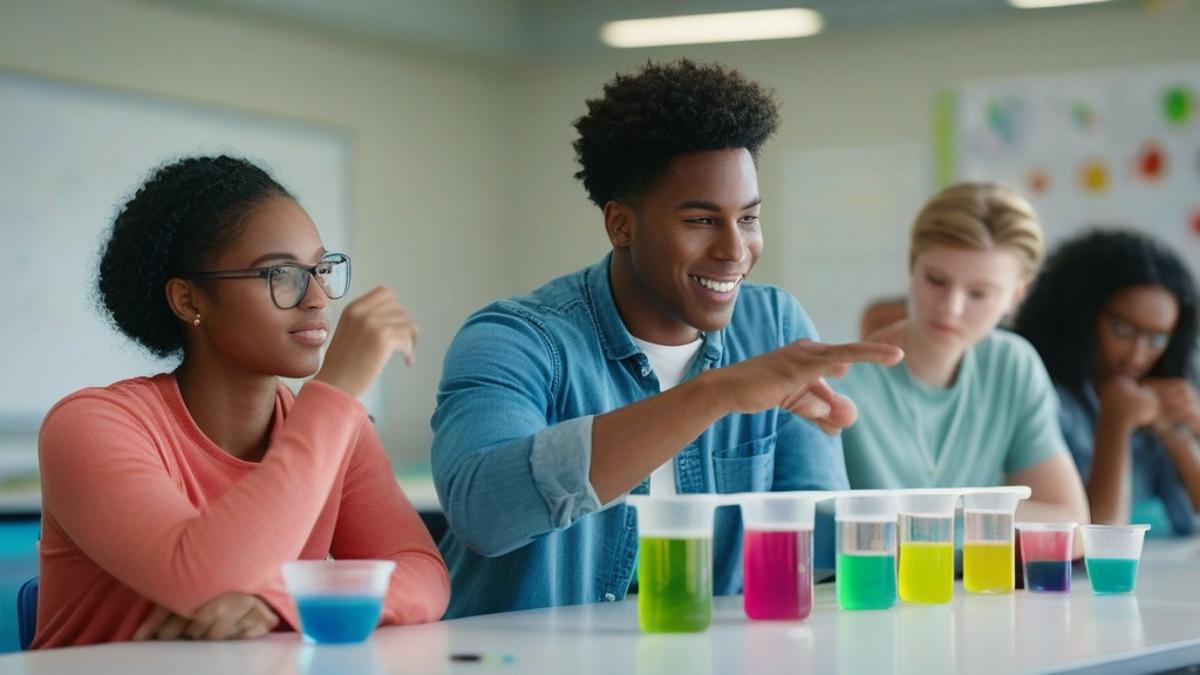
Walk into any thriving classroom across the United States today, and you will notice something beyond textbooks and test scores. Students are talking, collaborating, and learning from one another in ways that traditional lectures never allowed. This shift represents the heart of Building a Strong Student Community, which nurtures both academic success and personal growth.
Research from the National Education Association shows that students engaged in peer-based learning retain information up to 50% longer than those in isolated study environments. This statistic is striking, especially considering the pressure on students to perform well in standardized testing. Such evidence should compel educators and parents to rethink how educational environments are structured.
The Building Blocks of Connection
Creating a supportive academic environment does not happen by accident. It requires intentional collaborative learning activities and access to the right tools. These foundational elements foster a sense of belonging and help students feel more connected to their learning journey.
- Peer tutoring programs that pair struggling students with mentors can transform academic landscapes. For instance, schools like Lincoln High in Tacoma, Washington, have successfully implemented such programs, improving both participants’ grades and self-confidence.
- Group projects designed around real-world problem solving encourage critical thinking. An example can be found in environmental science classes where students develop sustainability plans for local communities, directly applying their learning in meaningful contexts.
- Online discussion forums extend learning beyond the traditional classroom walls. Platforms like Edmodo facilitate discussions that contribute to peer learning, encouraging participation from introverted students who may hesitate to speak up in class.
- Shared digital libraries and open-source study materials make a wealth of resources accessible to all. For example, the Khan Academy offers free instructional videos and exercises that cater to diverse learners, democratizing education and assisting students from various backgrounds.
What This Article Will Explore
This piece dives into practical student engagement strategies that schools nationwide are adopting right now. From innovative educational resources for students to proven peer learning techniques, the goal is simple: help readers understand what actually works.
Whether you are an educator, parent, or student yourself, the following sections reveal how community building in education transforms academic outcomes. The examples provided not only showcase innovative practices but also illustrate the profound impact that a collaborative culture can have on educational experiences. The insights ahead might just change how you think about learning altogether.
CHECK OUT: Maximizing Online Learning: Effective Study Strategies and Time Management for Academic Success
Designing Collaborative Learning Activities That Actually Work
Not every group project builds community. Some just create confusion, uneven workloads, and frustrated students. The difference between a collaborative learning activity that flops and one that transforms a classroom lies in its design.
Educators across districts in Ohio, Texas, and California have started using structured frameworks rather than vague instructions like “work together.” This small shift produces measurable results. A 2022 study published by the Collaborative for Academic, Social, and Emotional Learning found that structured group work increased student participation rates by 37% compared to unstructured assignments.
Practical Formats Schools Are Using Right Now
Several formats have gained traction because they balance accountability with genuine teamwork. These approaches also support student engagement strategies that keep learners invested rather than passive.
- Jigsaw learning: Students become experts on one piece of a topic, then teach it to teammates. This method, popular in middle schools across the Midwest, forces every student to contribute meaningfully instead of relying on one dominant voice.
- Think-pair-share sessions: A quick individual reflection followed by paired discussion before whole-class sharing. Teachers report this reduces anxiety for quieter students while still building connection.
- Problem-based learning pods: Small teams tackle open-ended, real-world challenges over multiple class periods. Schools in Denver have used this format for STEM courses, with students designing actual water conservation proposals submitted to city officials.
- Rotating leadership roles: Assigning different responsibilities each session, like note-taker, presenter, or fact-checker, ensures no single student carries or dominates the group.
Why Structure Beats Improvisation
Improvised group work often defaults to the loudest or most confident student taking over. Structured collaborative learning activities intentionally distribute responsibility, which is precisely what makes Building a Strong Student Community possible on a day-to-day basis, not just as an abstract goal.
This matters beyond the classroom too. Employers consistently cite teamwork and communication as top skills they seek in new graduates. According to the National Association of Colleges and Employers, 77% of employers rank teamwork as an essential quality when hiring recent graduates. Structured collaboration in school, then, doubles as career preparation.
Teachers implementing these peer learning techniques also notice a secondary benefit: reduced classroom management issues. When students feel a sense of ownership over their group’s success, off-task behavior tends to decrease. It is not a magic fix, but paired with clear expectations, it shifts classroom dynamics in a noticeably positive direction.
| Key Aspect | Description |
|---|---|
| Collaborative Learning Activities | These activities promote teamwork and problem-solving among students, enhancing student engagement. |
| Peer Learning Techniques | Encourages students to learn from each other, leveraging diverse perspectives and knowledge. |
| Educational Resources | Access to tools like online study groups and tutoring platforms fosters a strong student community. |
| Community Building Strategies | Focus on building connections beyond academia, enhancing overall student well-being. |
LEARN MORE: The Role of Student Communities in Enhancing Academic Success
Educational Resources That Fuel Long-Term Connection
Activities alone won’t sustain a community. Schools need infrastructure behind them, and that’s where educational resources for students become the quiet backbone of any lasting initiative. The right tools turn one-off projects into ongoing habits of connection.
Public libraries, digital platforms, and even local businesses have become unexpected partners in this effort. In Chicago, several public schools partnered with the local library system to create shared digital workspaces where students collaborate on projects after hours. Attendance in after-school academic programs rose by 28% once these resources were made freely accessible, according to a 2023 report from the Chicago Public Library Foundation.
Digital Tools Reshaping Peer Learning
Technology has changed what collaboration looks like, sometimes for the better. Platforms like Google Workspace for Education, Padlet, and Flip allow students to contribute asynchronously, which matters for kids juggling sports, jobs, or family responsibilities after school.
- Shared digital notebooks: Students in Seattle-area schools use collaborative notebooks to compile research, letting quieter students add ideas without speaking up in real time.
- Video reflection tools: Some teachers now assign short video responses instead of written discussion posts, which has boosted participation among English language learners by giving them more processing time.
- Peer tutoring apps: Programs pairing older students with younger ones for subject-specific help have expanded rapidly, with platforms like Schoolhouse.world reporting thousands of active tutor-student matches nationwide.
These tools don’t replace face-to-face interaction. They extend it, giving students more entry points into the same collaborative ecosystem.
Community Building Beyond the Classroom Walls
Community building in education often works best when it stretches past school property. Public parks departments in Austin have hosted joint homework help sessions combined with recreational activities, blending academic support with informal bonding time.
Local businesses have joined too. Coffee shops near college campuses in Portland now offer discounted study sessions for registered peer tutoring groups, an unusual but effective incentive that keeps students returning to the same collaborative spaces.
What ties all this together is accessibility. Resources that require expensive subscriptions or specialized equipment tend to exclude the students who might benefit most. Districts prioritizing free or low-cost tools consistently report broader participation, which reinforces why sustainable Building a Strong Student Community efforts depend as much on resource equity as they do on activity design.
LEARN MORE: Enhancing Critical Thinking and Problem Solving Skills Through Digital Learning Tools
Bringing It All Together: What Lasting Student Communities Require
The evidence points to a clear pattern. Schools that succeed at Building a Strong Student Community rarely rely on a single program or a one-time event. They layer collaborative learning activities with steady access to educational resources for students, creating multiple touchpoints where connection can take root.
From peer tutoring apps in California to library partnerships in Chicago, the throughline is consistency. A single group project might spark short-term engagement, but it’s the repeated, low-barrier opportunities that turn acquaintances into a genuine network of support.
Why Equity Remains the Deciding Factor
Cost and access keep surfacing as the real dividing line between programs that thrive and those that quietly fade. Free digital tools, community partnerships, and flexible scheduling matter more than flashy technology or elaborate curricula.
Districts that treat resource equity as a priority, not an afterthought, tend to see broader participation across income levels, language backgrounds, and learning styles. That’s a detail worth watching as more schools rebuild post-pandemic engagement strategies.
What Comes Next for Schools and Families
Effective student engagement strategies will likely keep blending in-person and digital formats, since both serve different students at different moments. Parents and educators researching new options should ask specific questions:
- Is the resource free or low-cost for all students, not just those who can afford it?
- Does the activity allow for both real-time and asynchronous participation?
- Are there measurable outcomes, like attendance or academic gains, tied to the program?
Communities built on these foundations tend to outlast any single school year. As more districts experiment with peer learning techniques and public-private partnerships, the next few years may reveal even more creative models worth watching closely.
Frequently Asked Questions
What types of collaborative learning activities are most effective for building a strong student community?
Effective collaborative learning activities include group projects, peer teaching, and study circles. These methods encourage students to work together, share diverse perspectives, and develop social skills while enhancing their understanding of the material. Additionally, incorporating technology, such as online discussion forums or collaborative documents, can also facilitate teamwork among students.
How can educators facilitate a sense of belonging within student communities?
Educators can facilitate a sense of belonging by creating inclusive environments that promote open communication and respect among students. This can be achieved through icebreaker activities, team-building exercises, and by actively encouraging student input in decision-making processes. Recognizing individual contributions and celebrating diversity within the community can also foster a strong sense of belonging.
What resources are available to support collaborative learning activities for students?
There are numerous resources available, including online platforms like Google Classroom, Slack, and Padlet, which allow for easy communication and collaboration. Workshops and training sessions on collaborative techniques can also be beneficial, as well as access to educational videos and articles that provide strategies for effective teamwork. Local libraries and educational institutions often provide additional materials and support.
How can feedback be effectively incorporated into collaborative learning activities?
Feedback can be effectively incorporated by establishing clear criteria for assessments and encouraging peer reviews among students. Regular check-ins during group activities allow for timely comments and suggestions, helping students improve continuously. Fostering an environment of constructive criticism can empower students to learn from each other and build stronger connections within their community.