The Role of Social Media in Raising Awareness about Animal Adoption in Nigeria
Understanding the Power of Social Media in Animal Adoption
Social media’s exponential growth in recent years has fundamentally transformed various aspects of how we communicate and engage with the world. One notable application of this change is in the realm of animal adoption in Nigeria, where platforms like Facebook, Instagram, and Twitter have become pivotal in connecting potential pet owners with animals desperately in need of homes. This phenomenon not only sheds light on the struggles faced by stray and abandoned animals but also promotes a culture of compassion and responsible pet ownership among users.
One of the core elements driving this shift is visual storytelling. In a predominantly visual culture, poignant images and videos shared across social media can stir an emotional response, leading viewers to ponder adopting a pet. For instance, heartwarming stories of rescued animals, captured in short videos or photographs that highlight their transformation from neglected strays to beloved pets, can elicit sympathy and inspire action. A notable example is the viral success of ‘Dogs of Lagos’ on Instagram, which showcases the journeys of rescued dogs, developing a sense of urgency and connection with the audience.
Furthermore, community engagement plays a critical role in solidifying this movement. Users often share their personal experiences, recounting stories of their adopted pets. Such narratives create a genuine connection among like-minded individuals and foster a sense of camaraderie among pet lovers. Local community groups on platforms like Facebook serve as safe spaces where users exchange advice, share resources for veterinary care, and even organize group adoption drives or fundraising events. This collective engagement can enhance the visibility and credibility of local shelters and rescue groups, weaving a tighter bond among animal advocates in Nigeria.
Additionally, social media enables real-time updates about available pets and upcoming adoption events. For instance, organizations such as the Nigerian Animal Rescue Network can promptly disseminate information about pets requiring immediate homes, enabling quick responses from prospective adopters. This immediacy can be a game-changer, especially during a crisis when a shelter is at capacity or when specific animals are in danger of euthanasia. The ability to share urgent updates can significantly increase the likelihood of an animal finding a forever home.
As traditional outreach methods struggle to keep up with the speed and engagement of social media, innovative strategies utilized by shelters and rescue groups gain traction. By leveraging user-generated content, animal advocates can amplify conversations surrounding adoption, yielding tangible results for countless animals. The power of hashtags, user posts, and trending challenges can quickly elevate visibility, drawing attention to deserving pets and enhancing adoption rates.
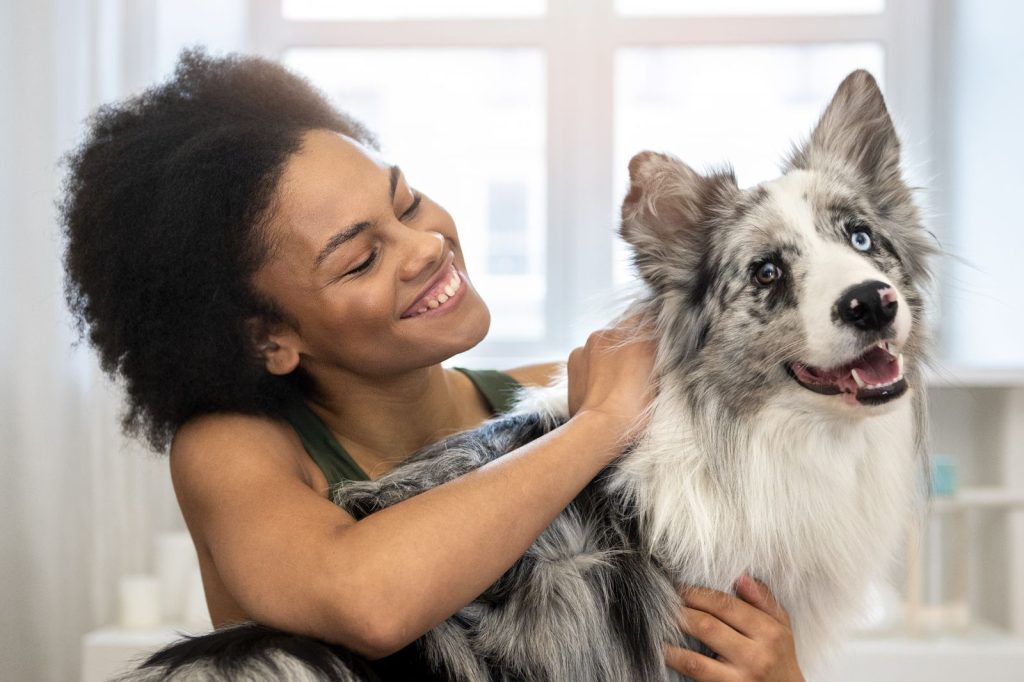
The impact of these social media strategies goes beyond just finding homes for animals; it enriches the communities involved and fosters greater awareness of animal welfare issues. Through collaborative efforts, such as campaigns organized by local shelters and partnered influencers, a significant change in perception towards adopting instead of buying pets can be observed. As this movement continues to grow, it sets the stage for a broader discussion about responsible pet ownership and animal rights across Nigeria. In the following sections, we will explore notable campaigns and remarkable success stories emerging from these social media efforts, showcasing their transformative potential and inspiring a new generation of animal advocates.
Influencing Attitudes and Driving Action through Social Media
As Nigeria strides into the digital age, social media has emerged as a powerful tool in reshaping perceptions surrounding animal adoption. Unlike traditional forms of outreach, social media offers a unique blend of accessibility and immediacy that is crucial for raising awareness about the plight of abandoned animals. The cultural diversity of Nigeria is reflected in the myriad of voices that contribute to the digital conversation about animal welfare, creating a rich tapestry of advocacy that promotes change at a grassroots level.
One of the most significant advantages of social media is its ability to reach wide audiences nearly instantaneously. For animal shelters and rescue organizations, platforms like Facebook, Instagram, and Twitter offer invaluable opportunities to connect with a diverse group of potential adopters—from urban residents in Lagos to rural communities in the North. Content ranging from informative posts about animal care to engaging visuals of adoptable pets creates compelling narratives that captivate attention.
Many users are motivated by educational content that highlights the responsibilities of pet ownership, the benefits of adopting over buying, and the long-term commitment involved. Social media allows organizations to share statistics and infographics that elucidate the current situation of animals in Nigeria, such as the estimated number of stray animals roaming urban areas or the limited resources available at local shelters. This data-driven approach fosters a sense of urgency, encouraging users to consider adoption as a viable option.
Moreover, the medium of social media provides a platform for storytelling, where individuals can share personal narratives about their experiences with animal adoption. These testimonials can profoundly impact newcomers to the idea of adoption. Some key themes emerging from user stories include:
- Positive Transformations: Many adopters share before-and-after photos of rescued pets, illustrating not only the physical changes in the animals but also their emotional journeys.
- Support Networks: These stories often highlight the communities that form around shared interests in animal welfare, leading to the establishment of friendships and support systems for new pet owners.
- Advocacy Efforts: Users frequently engage in promoting local shelters, donate resources, or volunteer their time to help promote animal welfare, demonstrating a community-wide commitment.
Such real-life narratives create an emotional connection that transcends geographical boundaries. In a country where the cultural relationship with animals can vary significantly, these stories foster understanding and empathy among a diverse audience.
The emergence of various social media campaigns also plays a crucial role in promoting awareness. For example, initiatives like #AdoptDontShop have spurred conversations around responsible pet ownership and the importance of adopting pets from shelters rather than buying from breeders. These campaigns encourage not only adoption but also community participation, helping to mainstream the concepts of volunteerism and awareness of animal welfare issues throughout the nation.
As these conversations continue to flourish, it becomes clear that social media is not merely a platform for raising awareness, but a dynamic catalyst for driving action. Looking ahead, the intersection of technology and advocacy presents an exciting opportunity for reshaping the future of animal adoption in Nigeria. As further innovations emerge within the social media landscape, the potential for greater impact on awareness and engagement remains boundless.
The Impact of Social Media on Animal Adoption Awareness
Social media has emerged as a powerful tool in driving awareness about animal adoption in Nigeria. Through various platforms, rescue organizations and individual advocates can share compelling stories, heartwarming photos, and urgent calls to action that resonate with potential adopters. This dynamic approach has led to a noticeable increase in the visibility of animals in need of homes. As friends, families, and communities share these posts, the reach expands exponentially, creating a ripple effect that raises awareness far beyond local communities.
Engagement and Mobilization
Engagement on platforms such as Facebook, Instagram, and Twitter has enabled rescue organizations to mobilize support quickly. Live streams showcasing adoptable pets not only capture the attention of viewers but also evoke an emotional response that can lead to immediate action. People are often more likely to adopt when they feel a personal connection with an animal’s story, which social media facilitates effortlessly through visuals and narratives. Furthermore, campaigns that encourage followers to share their adoption stories foster a sense of community, making others feel inspired to join the cause.
Challenges and Opportunities
While the benefits are significant, it’s crucial to acknowledge some challenges faced on social media platforms. Misinformation about adoption processes and the responsibility of pet ownership can lead to hesitance in potential adopters. Addressing these issues directly and providing accurate information through infographics and educational posts can correct misconceptions and encourage informed decisions.
Additionally, leveraging local influencers and pet enthusiasts can drive the narrative forward. These individuals often possess dedicated followings, meaning messages of responsible adoption can reach wider audiences effectively. As more Nigerians engage with the topic of animal adoption online, the potential for changing mindsets and increasing adoptions becomes ever more achievable.
| Advantage | Description |
|---|---|
| Increased Visibility | Social media allows shelters to showcase animals needing homes, reaching a wider audience. |
| Enhanced Engagement | Interaction with potential adopters through comments and shares creates a personal investment in adoption stories. |
This ongoing dialogue about animal adoption in Nigeria demonstrates the integral role social media continues to play in driving change. By harnessing its potential wisely, we can not only improve the lives of countless animals but also nourish a culture of compassion that emphasizes responsible pet ownership.
Building Communities: The Social Aspect of Animal Adoption Advocacy
The impact of social media on animal adoption in Nigeria goes beyond just individual transactions; it fosters vibrant communities centered around shared values and collective action. These online communities serve as vital hubs for information-sharing, support, and collaboration among animal lovers, shelters, and adopters alike. In this digital landscape, social media groups and pages provide a platform for users to discuss challenges, offer advice, and share resources related to animal care and adoption. Such interactions enhance not only awareness but also the overall effectiveness of advocacy efforts.
Social media operates as an outreach tool that amplifies local voices while simultaneously breaking down geographical barriers. For instance, grassroots organizations and small shelters in Nigeria can utilize platforms like Instagram to showcase adoptable animals, allowing them to reach a broader audience that traditional methods might miss. These posts can transcend regional differences, encouraging potential adopters from various backgrounds to engage with animal welfare initiatives regardless of their location.
A notable example of this is the emergence of Nigerian social media influencers who actively promote animal adoption and welfare. Their reach can significantly impact perceptions, especially among younger demographics who are increasingly spending time on platforms like TikTok and Instagram. These influencers leverage their platform to glamorize adoption stories, educate their followers about animal care, and encourage activism. For instance, popular figures sharing their adoption experiences can resonate deeply, motivating followers to consider adoption as an option when looking for a pet.
Moreover, live adoption events broadcast through platforms like Facebook Live have gained traction, enabling shelters to connect with potential adopters in real time. During these events, audiences can interact by asking questions, sharing experiences, and even participating in live polls to gauge interest in specific pets. These engaging formats not only capture attention but also humanize the animals featured, allowing viewers to build emotional connections that spur action.
Another crucial aspect influenced by social media is the concept of responsible pet ownership. Regular posts from advocates and shelters educate the public on the implications of adopting an animal and the long-term commitments involved. For instance, organizations share tips on proper pet care, training resources, and the importance of spaying and neutering within these narratives, thus addressing misconceptions that may deter potential adopters. As this educational content circulates within online communities, it dispels myths surrounding stray animals, painting them in a more favorable light as lovable companions rather than mere nuisances.
The importance of social media is also reflected in networking opportunities for animal rescue groups. Collaborative initiatives encouraged by online platforms lead to partnerships between shelters that have historically operated independently. Such collaborations can create larger outreach events or combined campaigns, allowing resources to be pooled for greater impact. For instance, regional campaigns that unite multiple shelters with a joint goal of increasing adoptions can garner far more attention and participation than isolated efforts.
With economic constraints and societal challenges presenting barriers to adoption, social media serves as a campaign engine that not only advocates but also mobilizes resources. Users can participate in fundraising drives or in-kind donation campaigns promoted through these channels, ensuring that local shelters have the necessary resources to care for vulnerable animals. Engaging the public in this manner encourages a culture of community involvement, where animal welfare becomes a collective priority rather than the sole responsibility of a few dedicated organizations.
As the digital landscape continues to evolve, the role of social media in animal adoption advocacy in Nigeria remains critical. The power of connectivity, education, and community in this domain offers transformative potential that can change the fate of countless animals longing for loving homes.
Conclusion: A New Dawn for Animal Adoption in Nigeria
In conclusion, the role of social media in raising awareness about animal adoption in Nigeria has proven to be both impactful and transformative. By leveraging platforms that connect people across vast distances, advocates have created a vibrant ecosystem that promotes compassion, education, and proactive engagement in animal welfare. The flourishing online communities forged through social media act not only as a space for sharing success stories of adoption but also serve to network shelters and advocates, amplifying their voices and mobilizing collective action.
Importantly, the infusion of knowledge concerning responsible pet ownership and the potential for fostering emotional connections through live events has reshaped Nigerian perceptions of animal adoption. With the help of charismatic social media influencers, many young Nigerians are now inspired to consider adoption over buying pets and are engaging in meaningful discourse surrounding animal care. This shift not only promotes the notion of adoption but destigmatizes the idea of stray animals, presenting them as deserving companions instead of societal burdens.
As social media platforms continue to evolve and expand, opportunities to further enhance awareness and community involvement in animal adoption initiatives will only grow. Whether through fundraising events, collaborative campaigns or the rediscovery of the joy in adopting pets, the potential for change is immense. The enduring commitment of these online communities can pave the way for a future where every abandoned animal in Nigeria has a chance for a loving home, urging stakeholders—individuals, organizations, and government bodies—to continue harnessing the power of social media for good.