The Intersection of Art and Activism: How Nigerian Artists Use Creativity to Address Social Issues
The Role of Art in Social Commentary
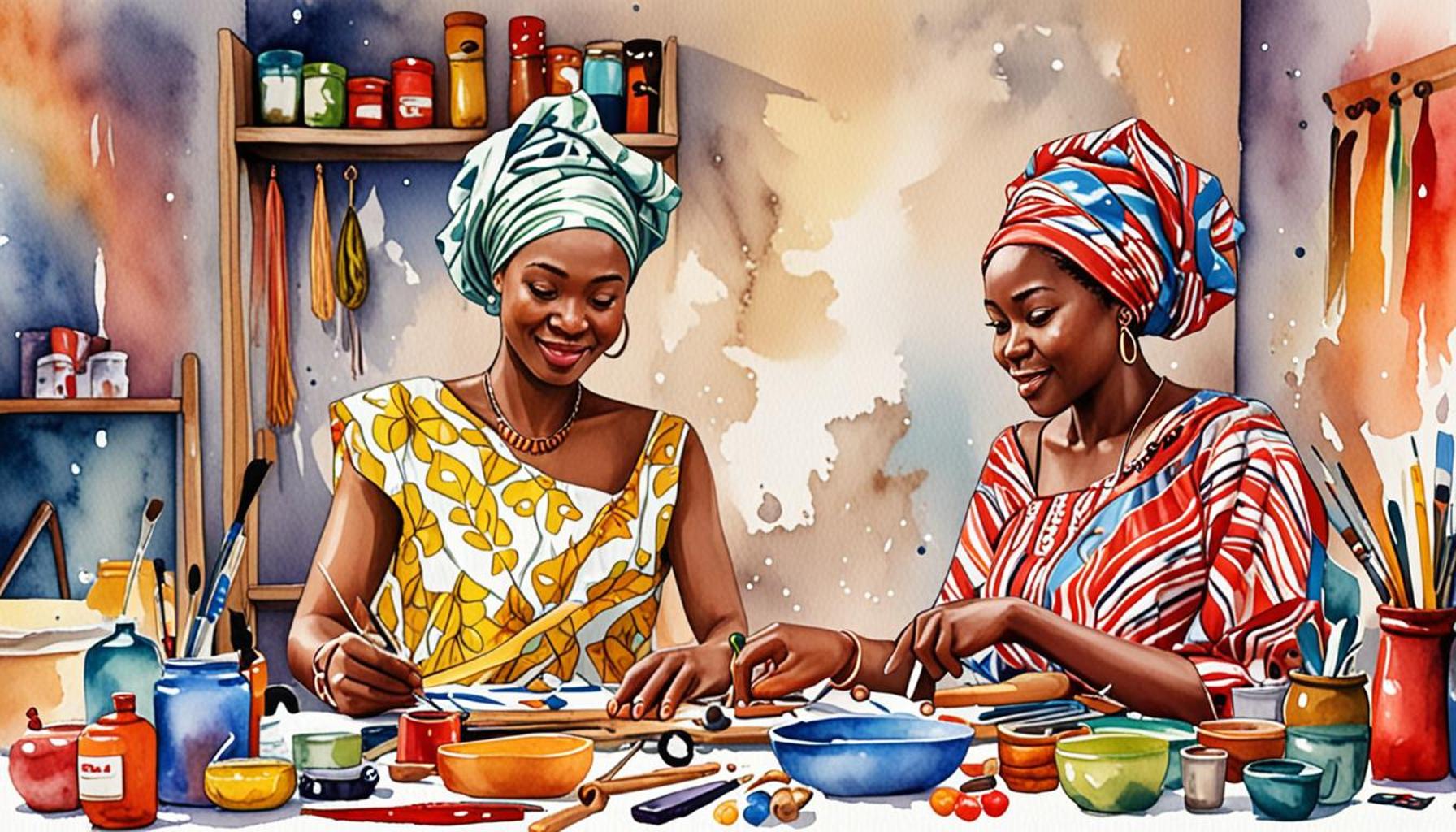
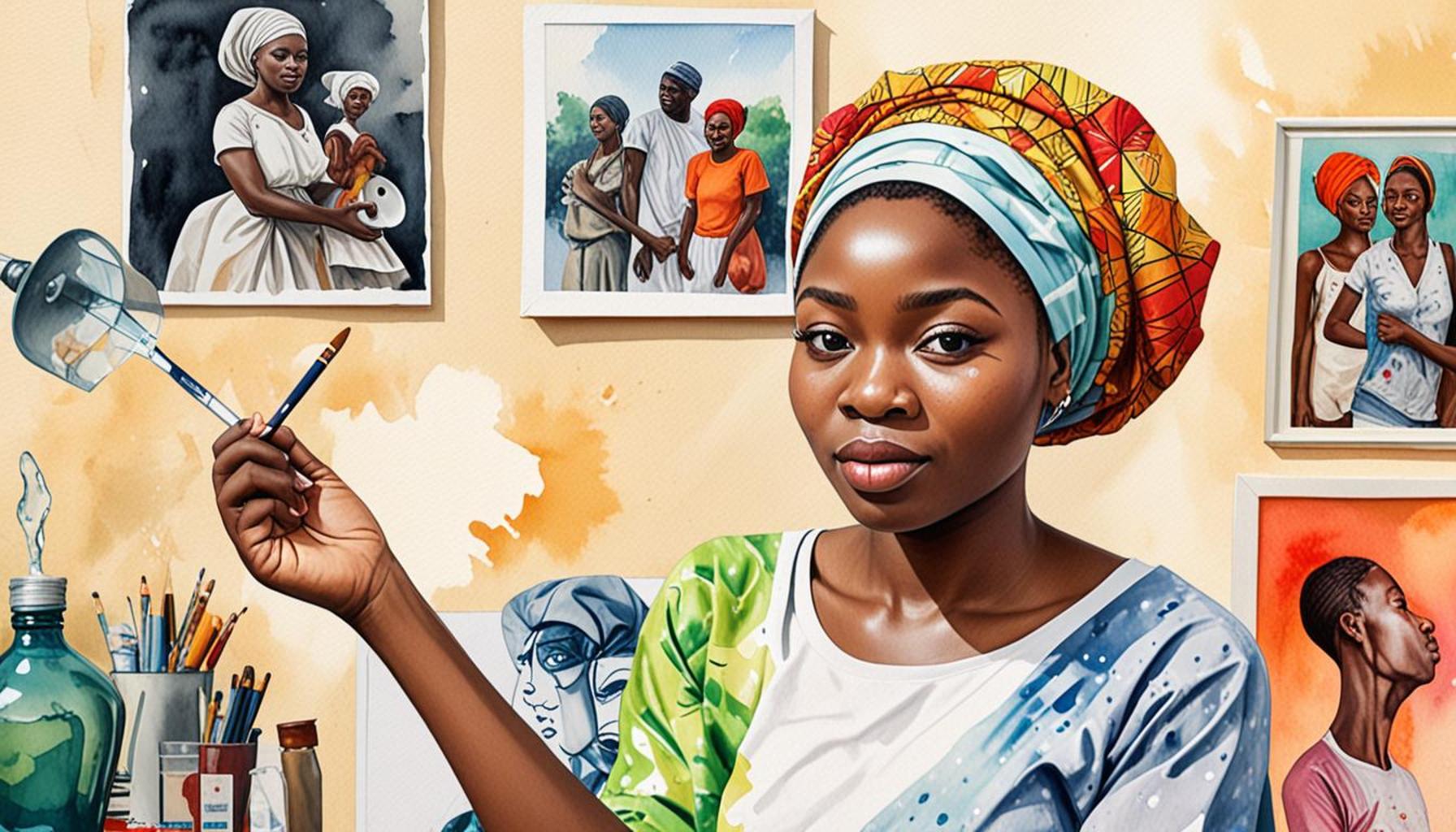
The evolving narrative of Nigerian art serves as a compelling mirror reflecting the multifaceted socio-political landscape of the country. It functions not only as a vehicle for aesthetic expression but also a robust platform for activism. Artists in Nigeria harness their creativity to engage with pressing social issues, aiming to spark dialogue and drive meaningful change in society.
Diverse Mediums of Expression
Nigerian artists employ a myriad of mediums to convey their messages. From striking graphic design that critiques governmental policies to vibrant street murals that celebrate local heroes, the creativity on display is both impactful and diverse. For instance, the #EndSARS movement, which protests against police brutality, has been powerfully represented through various art forms. Artists like Victor Ehikhamenor and Jude Anogwih have used their platforms to depict the societal pain caused by police violence and to advocate for justice.
Key Areas of Focus
- Police Brutality – Artistic expressions often depict the raw emotions surrounding this issue. Murals in cities like Lagos and Abuja have become symbols of resistance, portraying victims and urging for systemic reform.
- Gender Inequalities – Many creatives focus on challenging stereotypes and advocating for women’s rights. Artists like Yagazie Emezi use photography and digital media to highlight the struggles faced by women in Nigeria, encouraging empowerment through visuals.
- Corruption – Satirical art pieces are particularly prevalent, serving to expose and condemn corrupt practices. The works of political cartoonists like Femi Adebanjo creatively criticize public officials, sparking conversations about accountability.
Art as a Catalyst for Change
Whether found adorning the walls of bustling cities or showcased in prominent galleries, these artistic expressions are more than just eye-catching—they fuel awareness among the populace. By integrating social themes into their work, Nigerian artists encourage grassroots movements that resonate deeply within communities. Such collective engagement challenges the status quo and inspires collective action.
The strong emergence of art as a tool for advocacy and transformation in Nigeria exemplifies its powerful potential. As the nation grapples with its unique challenges, the role of artists continues to evolve, reinforcing the understanding that art transcends mere entertainment. It is a potent force for social change, inviting both local and global participation in the Nigerian narrative. This cultural dynamism beckons audiences to explore the rich tapestry of Nigerian art further, revealing how creativity remains integral to societal advancement.
CHECK OUT: Click here to explore more
Creativity at the Frontlines of Change
In the vibrant tapestry of Nigerian culture, creativity acts as a powerful weapon against injustice. Artists from varied backgrounds harness their skills not just to create aesthetically pleasing works but to provoke thought, challenge social norms, and rally communities around critical issues. In Nigeria, where myriad social challenges such as poverty, corruption, and gender inequality prevail, art emerges as a potent form of resistance and awareness. The intersection of art and activism is becoming increasingly pronounced, as artists leverage their platforms to initiate conversations that may otherwise be relegated to silence.
Engagement through Performance
Live performances are a prominent avenue through which Nigerian artists express dissent and advocate for social change. Theatrical productions, spoken word poetry, and music concerts often serve as gathering spaces for communities to engage with their shared struggles. For example, the iconic musical stylings of artists like Fela Kuti and more contemporary acts such as Burna Boy have historically critiqued the political landscape of Nigeria. Their lyrics, rich with socio-political commentary, resonate with audiences who are all too familiar with the realities of social injustice.
Influence of Social Media
In recent years, social media platforms have revolutionized the way art intersects with activism. Artists are now able to share their creations with a global audience, zeroing in on specific issues such as environmental degradation and human rights violations. Hashtags like #EndSARS not only galvanized significant protests against police brutality but also created a digital gallery of various artistic expressions that encapsulate the struggle. The ability to circulate visual art, poetry, and music rapidly amplifies messages and encourages a collective response, making the relationships between art, society, and activism more potent than ever before.
Spotlighting Local Narratives
Nigerian artists are acutely aware of the importance of local narratives in their work. They evoke personal experiences and cultural histories, framing them within broader social contexts. Their artwork often serves as a repository for community voices, pushing back against dominant narratives that overlook the lived realities of many Nigerians. This storytelling aspect is particularly vital; through vivid imagery and poignant prose, artists bring visibility to marginalized perspectives and foster a sense of belonging and empowerment among viewers. Some key themes that are frequently addressed through this lens include:
- Historical Trauma – Many artists delve into the haunting legacies of Nigeria’s past, using their art to heal and educate future generations.
- Aspirations of Youth – The younger generation’s desire for change often trickles into their creative expressions, emphasizing hope and resilience.
- Community Solidarity – Collaborative art projects have become platforms for various communities to unite in the face of adversity, fostering local pride and activism.
As the intersection of art and activism continues to flourish in Nigeria, the contributions of artists are increasingly recognized as vital threads in the fabric of social change. By channeling their creativity into advocacy, these artists not only enrich the cultural landscape but also provide indispensable tools for dialogue and transformation within their communities.
The Unyielding Voice of Creativity
Nigerian artists have increasingly become a powerful voice in advocating for social change through their art. Utilizing various mediums—such as painting, sculpture, music, and performance—they effectively express the struggles of marginalized communities, drawing attention to crucial issues like corruption, human rights, and environmental degradation. Their work reflects the rich cultural tapestry of Nigeria while addressing universal themes of justice and equality.
One notable example is the renowned artist El Anatsui, whose installations often incorporate materials collected from discarded items, transforming them into visually stunning representations of societal problems. By reshaping waste into art, he comments on consumerism and the effects of mass production, urging the audience to reconsider their own consumption habits. Such creativity not only captivates but also inspires dialogues around pressing issues.
| Categories of Art | Impact on Society |
|---|---|
| Visual Arts | Spark discussions on critical social issues |
| Performance Arts | Engage audiences emotionally and politically |
Moreover, programs that combine art with activism are gaining traction in Nigeria, creating platforms for artists to collaborate on projects aimed at social justice. Initiatives like Art for Justice encourage creative work addressing issues such as police brutality, gender inequality, and environmental exploitation. These artistic expressions resonate with a diverse audience, creating a more inclusive conversation about the direction of the nation.
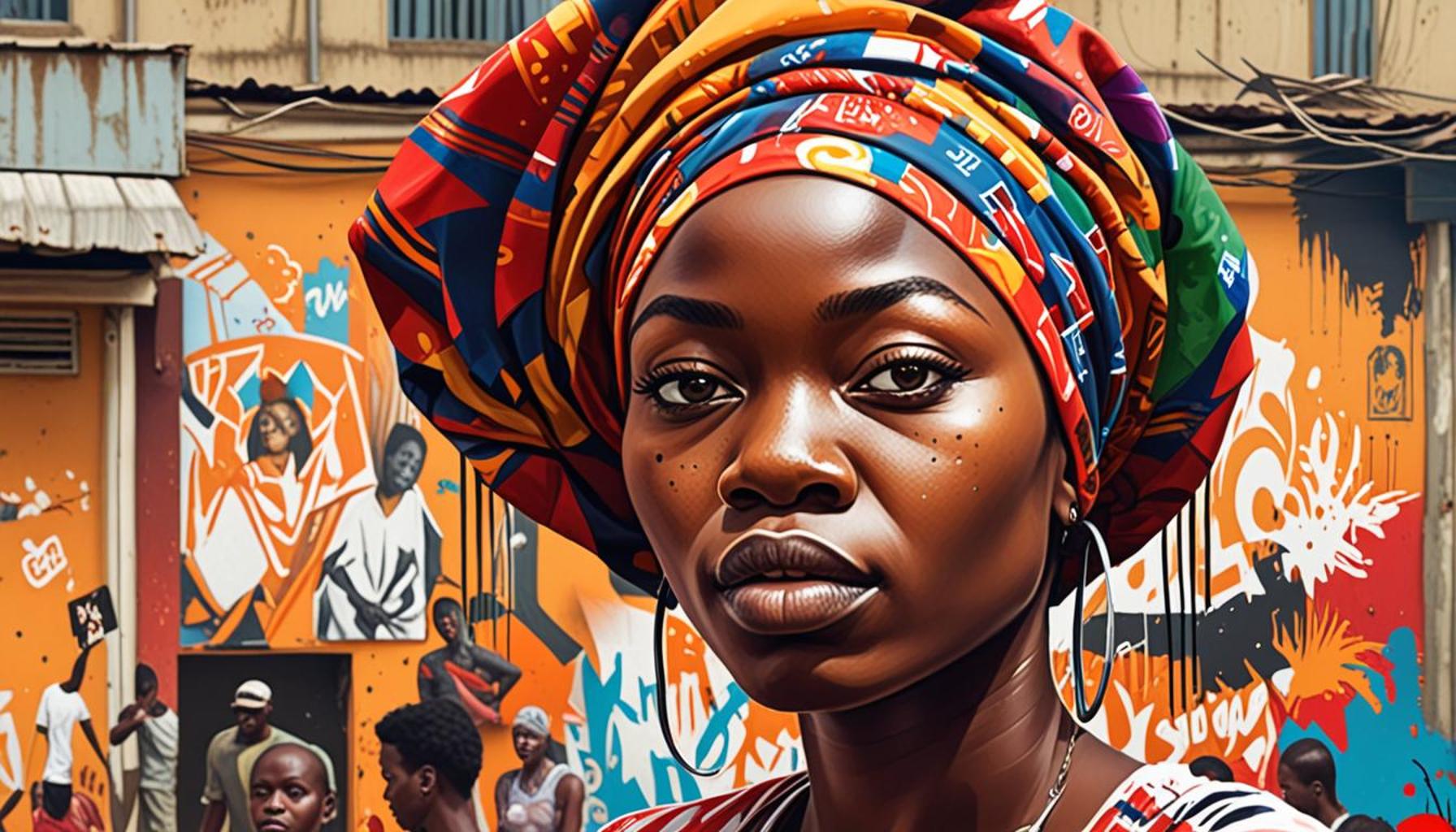
In grassroots movements, street art has emerged as a vibrant form of expression. Murals and graffiti convey messages of hope and resistance, often becoming iconic symbols of protest. Artists who participate in these movements not only highlight societal grievances but also inspire community engagement, leading to a broader understanding of the issues at hand.
RECOMMENDED: Check out this similar article
The Transformative Power of Visual Art
Visual art in Nigeria has evolved into a compelling narrative tool that artists wield to spotlight social issues and challenge the status quo. Painters, sculptors, and photographers are at the forefront of reimagining their environments, often translating the struggles and triumphs of daily life into art that invites both reflection and action. Street art, particularly in urban areas like Lagos and Abuja, has emerged as a dynamic space for artists to confront pressing issues such as corruption, police brutality, and gender-based violence. Murals and installations often act as accessible commentaries, engaging the public without the barriers of traditional gallery spaces.
Art as a Tool for Education and Awareness
Nigerian artists are increasingly using their creations to educate the public about social change and activism. Through their art, they provide critical insights into topics such as mental health, climate action, and civic rights, often sparking conversations that lead to greater awareness and advocacy. Programs like Art for Social Change draw on the skills and experiences of artists to create workshops and exhibitions that equip communities with knowledge and tools for activism. One notable example is the Visual Art Network Nigeria, which promotes collaborations between artists and non-profit organizations to explore the role of art in catalyzing social change.
The Role of Collectives and Collaborations
Collective efforts among artists are proving to be one of the most impactful methodologies in addressing social issues. Initiatives like Spontaneo have brought together a diverse group of artists, targeting issues of climate change and social justice. They create works that are deliberately provocative, forcing audiences to confront uncomfortable truths about society. Collaborations extend beyond individual expression; they foster a sense of community and shared responsibility, enabling artists to pool resources while amplifying their messages.
Preservation of Cultural Heritage
Art also plays an essential role in preserving and celebrating Nigerian culture and identity amid globalization. Artists like Yinka Shonibare and Njideka Akunyili Crosby integrate traditional motifs and patterns with contemporary themes, creating artworks that reflect the duality of Nigeria’s past and present. This cultural fusion becomes a powerful political statement, asserting that national identity is dynamic rather than static. Through their creative outputs, these artists challenge stereotypes while drawing attention to critical social issues such as race, colonialism, and socio-economic inequalities.
Impact Beyond Borders
The activism of Nigerian artists is not confined to domestic issues; their messages have captured the attention of global audiences, promoting Nigeria’s rich cultural narrative on international platforms. The use of exhibitions, film festivals, and public installations allows these artists to participate in a global dialogue about social justice, furthering the impact of their work. In a significant campaign, the #EndSARS movement found resonance not just within Nigeria but worldwide, as artists utilized their platforms to mobilize resources and advocate for human rights.
- International Collaborations – Nigerian artists are partnering with international collectives to raise awareness of shared global challenges.
- Digital Art Initiatives – The rise of digital art has allowed artists to explore new mediums, capturing the attention of audiences and supporters far beyond Nigeria.
- Documentary Projects – Films and documentary projects featuring Nigerian artists often delve into pressing social issues, creating a potent narrative around activism.
Through these multifaceted approaches, Nigerian artists continue to redefine the relationship between art and activism, positioning themselves as key players in the pursuit of societal change while harnessing the transformative power of creativity.
SEE ALSO: Click here to read another article
Conclusion
The intersection of art and activism in Nigeria serves as a vibrant testament to the power of creativity in driving social change. Nigerian artists are not merely creators; they are crucial players in activism, using their platforms to challenge societal norms and spark conversations about pressing issues. Through visual arts, installations, and community-driven initiatives, they highlight the struggles of their communities, educate the public, and advocate for justice and equality.
The collaborations formed among artists enhance this impact, fostering a collective spirit that resonates beyond individual expression. These collaborations not only amplify their messages but also forge connections within the community, empowering citizens to engage actively with the artistic narratives that reflect their experiences. Furthermore, Nigerian artists are making waves on international stages, showcasing their culture and social concerns to the world, which underscores the global nature of today’s challenges. The utilization of digital art initiatives and international collaborations demonstrates that art knows no borders and can mobilize global support for local issues.
As we witness the continued evolution of this intersection, it becomes increasingly crucial for audiences to appreciate and support these artistic endeavors. Engaging with the artworks and messages crafted by Nigerian artists can lead us to a deeper understanding of our shared humanity and interactions. The combination of art and activism not only fosters creative expression but also cultivates awareness and actions that can lead to transformative change in society. Thus, the journey of Nigerian artists is one worth following, as their impactful work inspires hope for a more just and equitable world.