The Influence of New Technologies on Artistic Creation among Nigerian Youth
Exploring the Fusion of Technology and Art in Nigeria
In the ever-changing landscape of Nigeria, the rapid influx of technological advancements is reshaping the cultural fabric of society, particularly in the arts. The vibrant energy of the *digital age* is driving a new wave of *artistic expression*, with the youth taking the lead in harnessing technology to redefine traditional art forms. This transformation signifies not only a shift in how art is created but also in how it is experienced and consumed.
Adapting Traditional Art Forms
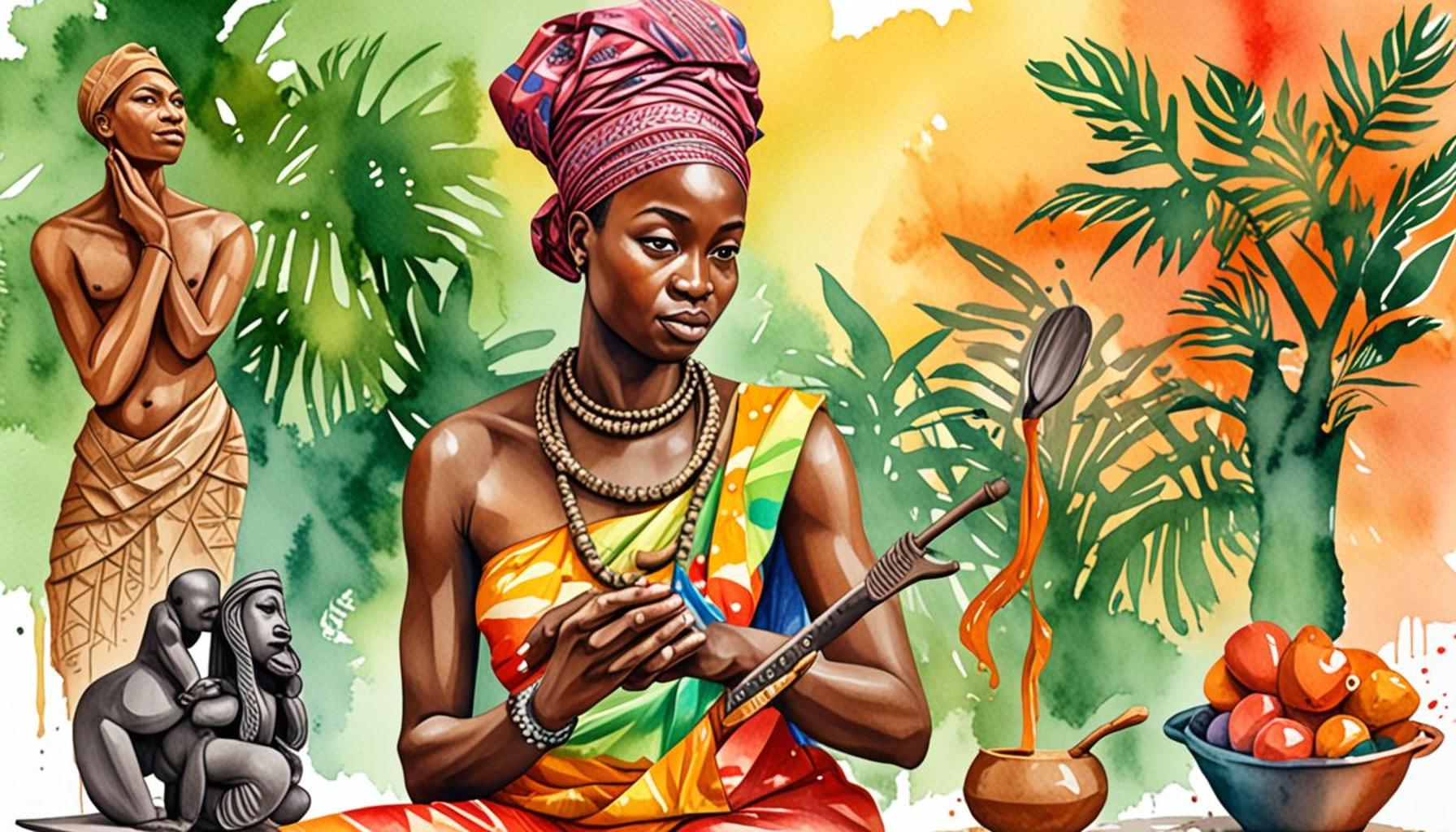
Nigerian youth are creatively merging *traditional art forms* with cutting-edge technology. This fusion serves as a canvas for cultural representation while embracing modern techniques. For instance, digital painting has grown exponentially, with artists like Olalekan Jeyifous using software to create stunning pieces that reflect Yoruba mythology and local narratives. These digital works retain the essence of traditional art while utilizing the power of technology to enhance textural depth and visual storytelling.
Moreover, animation and graphic design, driven by an array of local folklore, are emerging as powerful mediums. Creatives are crafting animated stories based on Igbo tales, which not only entertain but also educate younger generations about their heritage. One notable example is the animated series “Soro Soke,” which draws on recent sociopolitical movements, combining entertainment with activism in a visually captivating format.
The rise of immersive art installations further exemplifies this blend of tradition and innovation. Nigerian artists like Ayo Odukale have embraced multimedia elements, integrating sound, video, and interactive components to offer viewers a unique, participatory experience. Such installations resonate deeply by reflecting contemporary societal issues while inviting audiences to engage with the art on multiple sensory levels.
Emerging Platforms and Opportunities
As the creative landscape evolves, numerous emerging platforms are amplifying artists’ voices across the globe. Social media stands out as a crucial tool for artists to showcase their work. Platforms like Instagram and TikTok have empowered countless Nigerian artists to gain recognition far beyond the borders of their communities. Here, artists can share their creative processes, connect with followers, and collaborate with global peers. This viral potential offers unprecedented opportunities for visibility and support.
Additionally, online marketplaces such as Jumia’s art section and African Art Market allow artists to sell their works internationally, democratizing access to their art and generating income streams that were previously unimaginable for many. These platforms serve not just as sales portals but as avenues for storytelling, offering artists a chance to narrate the history and significance of their pieces directly to potential buyers.
Finally, the emergence of virtual exhibitions has transformed how audiences interact with art. Initiatives like Art Twenty One host virtual galleries showcasing the works of Nigerian artists, breaking down geographical barriers and allowing international visitors to engage with Nigerian culture and creativity from their own homes. This shift not only enhances the accessibility of art but fosters a thriving online community where artists can share ideas and inspire one another.
This digital transformation in Nigeria’s art scene signifies a pivotal moment where tradition meets innovation, enabling artists to unlock new realms of creativity. As technology continues to evolve, so too will the avenues for artistic expression, ensuring that the vibrant pulse of Nigerian culture remains alive and dynamic in the global conversation.
CHECK OUT: Click here to explore more
Revolutionizing Artistic Expression
The impact of new technologies on the artistic landscape among Nigerian youth is nothing short of revolutionary. Young creators are embracing tools once reserved for the industrialized world, transforming the very essence of how art is conceived, produced, and shared. At the heart of this transformation is the accessibility of high-quality digital tools and software, which empower artists to experiment and hone their craft in ways that were previously unattainable.
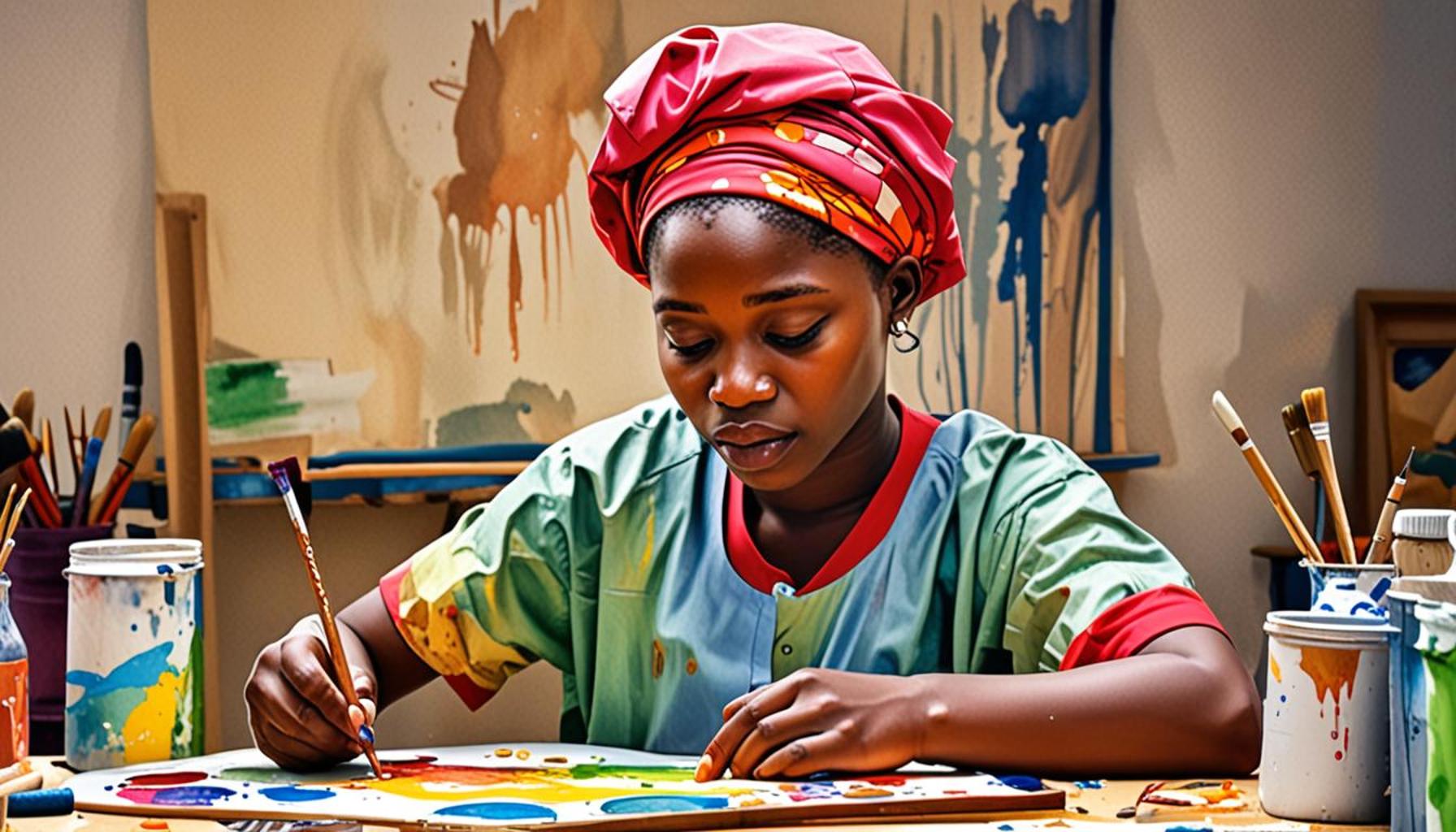
One of the most significant shifts is the widespread use of digital illustration software and graphic design tools. Applications like Adobe Illustrator and Procreate are gaining traction among aspiring Nigerian artists who utilize them to replicate traditional styles digitally. This allows for a new interpretation of age-old methods, bridging the gap between the past and the present. Artists can now create intricate designs inspired by traditional beadwork or fabric patterns without the constraints of material costs and availability.
Furthermore, the incorporation of smartphones equipped with advanced camera technologies has led to a new form of artistic documentation. Young photographers are capturing the rich tapestry of Nigerian life, showcasing everything from street art to vibrant cultural festivals. This coupling of art and technology fosters a sense of community, connecting creators with their audience instantaneously. Examples abound—think of vibrant photo projects that arise from platforms like Instagram, where hashtags such as #NaijaArt and #NigerianPhotographer lead to a visual feast of diverse perspectives that were once hidden from the global view.
Create, Share, Collaborate
The collaborative aspect of art-making has also undergone a significant metamorphosis thanks to technology. The ease of sharing work online fosters a sense of camaraderie among artists who might never have met. Some notable trends include:
- Virtual Workshops and Masterclasses: Numerous seasoned artists host online workshops designed for aspiring creators, where participants can learn the nuances of different art techniques from their own homes.
- Collaborative Art Projects: Digital platforms allow young artists to work on joint projects from anywhere in the world. This not only expands creative horizons but also instills mutual respect among distinct artistic communities.
- Open Source Software: The proliferation of free and open-source software options democratizes access to quality tools, empowering artists from various socioeconomic backgrounds to engage in the creative process.
Additionally, the emergence of video-based platforms like YouTube and TikTok has sparked a trend in art tutorials and behind-the-scenes processes. This gives rise to a culture where creators are not just artists but educators and influencers. A young artist can garner followers simply by documenting their artistic journey or showcasing unique techniques, leading to a cascade of exploration within the arts community.
In light of these developments, it is evident that technology plays an integral role in shaping the future of artistic creation among Nigerian youth. As digital tools become more refined and accessible, they will continue to foster innovation and creativity within the artistic landscape, ensuring that the narratives and visuals reflecting Nigeria’s rich cultural heritage are preserved and evolved beyond previous boundaries.
The Influence of New Technologies on Artistic Creation among Nigerian Youth
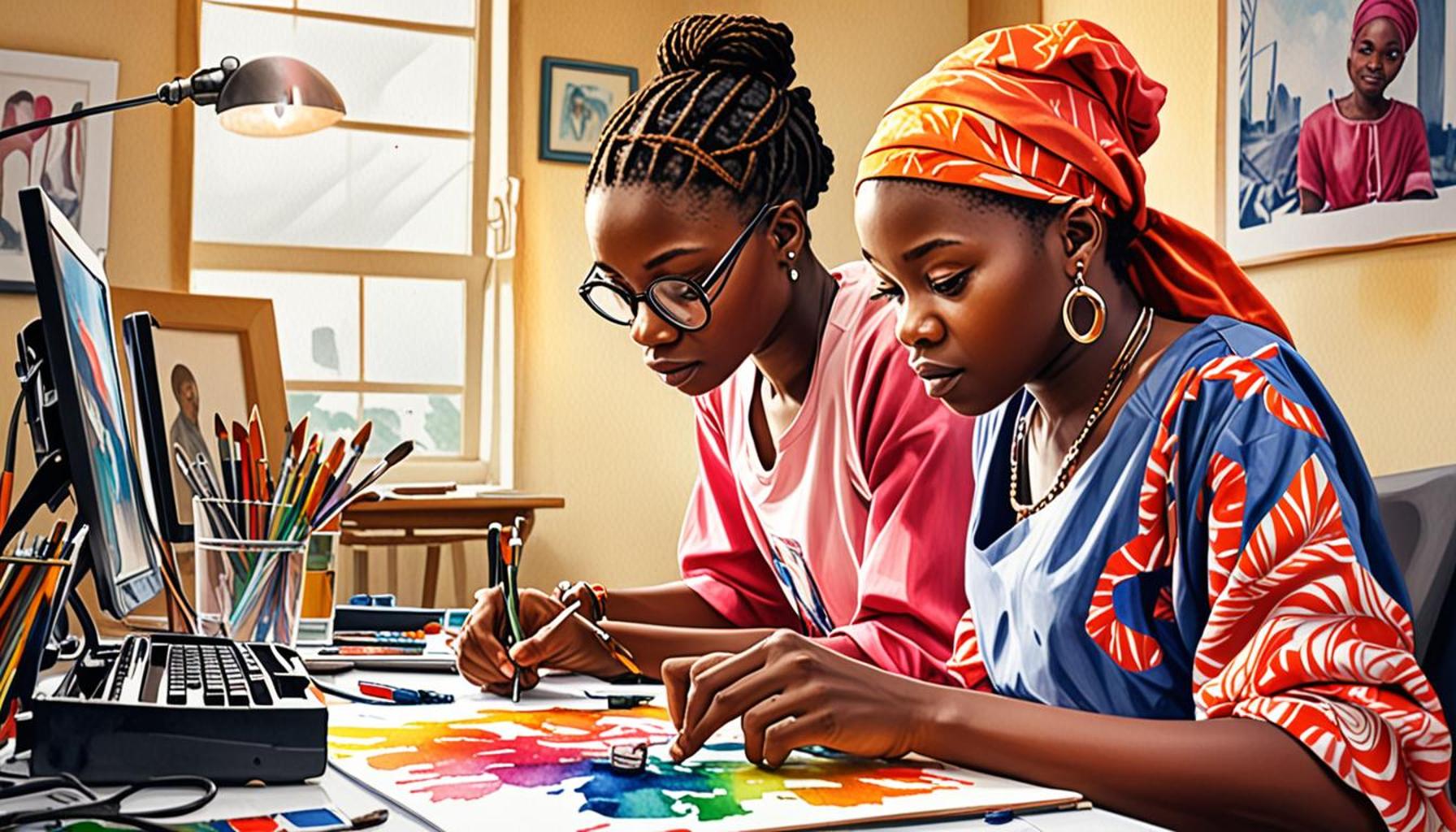
As we delve deeper into the multifaceted impact of new technologies on artistic creation among Nigerian youth, it’s essential to recognize how these technologies empower and inspire a new generation of creators. Social media platforms, digital art software, and online collaboration tools are reshaping the artistic landscape, making it more accessible than ever. The ability to share artwork instantly and receive feedback fosters a community of budding artists who refine their skills and expand their reach.
Moreover, the integration of technology in art allows for diverse expressions that transcend traditional boundaries. For instance, many Nigerian youth are exploring digital storytelling, audiovisual arts, and even virtual reality experiences. This evolution is not just about the medium; it raises profound questions about the nature of art and cultural identity in a rapidly changing world. With access to global influences at their fingertips, young artists are weaving their narratives into the digital fabric, resulting in a rich tapestry of creativity that reflects both local and international themes.
To illustrate these points further, consider the role that mobile technology plays in democratizing artistic creation. With smartphones equipped with high-quality cameras and editing applications, aspiring artists can capture and manipulate images with ease. This technology allows even those from remote areas to participate in the digital art scene. As a result, we see an emergence of unique styles and perspectives that honor the complexities of Nigerian culture while engaging with global artistic trends.
| Category | Benefits |
|---|---|
| Online Platforms | Access to a global audience and instant feedback on work. |
| Digital Tools | Empower artists to create, edit, and share work without traditional barriers. |
| Collaborative Projects | Encourage teamwork and cross-cultural exchanges among young creatives. |
This new wave of artistic expression facilitated by technology is also breaking down socio-economic barriers that traditionally restricted access to the arts. Young creators can now harness their skills and creativity to not only tell their stories but also engage in socio-political discussions, thereby creating a vibrant dialogue that resonates both locally and globally. The influence of technology is undeniably shaping a generation of Nigerian youth, leaving an indelible mark on the country’s artistic future.
CHECK OUT: Click here to explore more
Redefining Audience Engagement
As new technologies continue to ripple through the artistic fabric of Nigeria, they have not only transformed the tools available to young creators but also radically altered how these artists engage with their audiences. The shift from traditional exhibition spaces to digital platforms means art is no longer confined to galleries but thrives in the realm of social media, where the potential for interaction is limitless.
Platforms such as Instagram, TikTok, and Facebook have emerged as pivotal avenues for young artists to showcase their work. This surge in visibility allows them to reach a vast and diverse audience without geographical limitations. For many emerging artists, the online world serves as a democratic gallery where their art can be celebrated, critiqued, and shared. One notable instance is the burgeoning trend of art challenges where artists from all over Nigeria participate collectively, creating a shared narrative that resonates with both local and global audiences.
In addition, the concept of crowdfunding is entirely reshaping how art projects are financed. Platforms like Patreon and GoFundMe empower artists to solicit financial support directly from their fans, thereby allowing them to pursue projects that reflect their unique styles without relying solely on traditional funding sources. This has led to an increased diversity of themes and expressions in Nigerian youth art, moving beyond conventional borders influenced by mainstream art institutions.
Virtual Reality and Augmented Experiences
Moreover, young Nigerian creators have begun to explore advanced technologies such as Virtual Reality (VR) and Augmented Reality (AR), which provide immersive experiences unlike any before. Recent exhibitions in cities like Lagos and Abuja have showcased AR-enhanced artworks, where viewers can engage in an interactive environment that breathes life into static pieces. This incorporation of cutting-edge technology not only captivates audiences but also elevates the narratives that traditional mediums might struggle to convey.
Additionally, local initiatives are tapping into these technologies to craft educational tools. For instance, art education programs utilize VR to assist students in visualizing art history or exploring contemporary techniques in an engaging, hands-on way. This innovative educational approach addresses a significant gap in traditional art training, allowing young creatives to familiarize themselves with techniques and styles irrespective of their physical environment.
The role of social media influencers and cultural ambassadors is another factor to consider. As these youth articulate their artistic processes online, they foster dialogues around creativity, community, and identity that resonate deeply within Nigerian social contexts. The ripple effects are clear; as artists collaborate and cross-pollinate ideas, they lay the groundwork for an ever-evolving narrative of what it means to be a contemporary artist in Nigeria.
With every technological advancement, there arises a wealth of opportunities for Nigerian youth to redefine artistic creation and cultural expression. By leveraging new mediums, they are able to tell rich, complex stories that are a testament to their heritage while boldly looking towards the future.
LEARN MORE: This related article may interest you
Conclusion
The infusion of new technologies into the realm of artistic creation among Nigerian youth has catalyzed a transformative evolution, unlocking unprecedented opportunities for expression and engagement. As evidenced throughout this exploration, young artists are not merely consumers of technology; they are active innovators, leveraging platforms such as Instagram, TikTok, and more to share their visions and connect with a global audience. This shift underscores a democratization of the art space, allowing diverse voices to announce themselves beyond the constraints of traditional galleries and institutions.
Moreover, the integration of Virtual Reality and Augmented Reality into artistic practices not only enhances the sensory experiences of viewers but also fosters educational initiatives, bridging gaps left by conventional art education. As creators embrace these technologies, they are constructing a narrative that resonates with both their heritage and contemporary socio-political landscapes, reflecting the complexities of modern Nigerian identity.
For young Nigerian artists, the journey into this new digital landscape holds endless possibilities. However, as they navigate these tools, it is essential for both creators and patrons to foster meaningful interactions that extend beyond likes and shares. By nurturing a culture that values collaboration and mutual support, the artistic community can continue to thrive, ensuring that the influence of technology serves as a bridge between tradition and innovation.
In conclusion, as we witness the ongoing evolution of artistic creation among Nigeria’s youth, it is clear that the intersection of art and technology is not simply changing how art is made; it is redefining cultural dialogues and shaping the future of creativity itself. The story of Nigerian art in the digital age is just beginning, and its potential is as vibrant and dynamic as the creators it encompasses.