The Importance of Weight Control in Preventing Diseases in Pets

Understanding Pet Weight Control in Nigeria
The health of our furry companions is paramount, yet many pet owners overlook a critical factor: weight control. Excess weight in pets can lead to a myriad of health issues that not only affect their quality of life but may also impact their lifespan. In Nigeria, where traditional practices often overshadow modern pet care, it becomes essential to raise awareness about the significance of maintaining a healthy weight.
The Rising Concern of Obesity in Pets
Obesity in pets is becoming increasingly common, and there are various factors contributing to this troubling trend. For instance, many pet owners often feed their animals high-calorie diets without realizing the long-term consequences. Some dogs and cats in Nigeria may consume diets rich in carbohydrates and fats, such as leftover rice and stews, which can lead to excessive weight gain. Furthermore, the prevalence of overfeeding stems from a cultural inclination to show love through food, inadvertently putting pets at risk.
In addition to diet, there are other factors at play. A shift towards urban lifestyles in Nigeria has led to more pets being kept indoors, resulting in inactivity. Pets that once roamed free are now often confined to smaller spaces, leading to insufficient exercise. Some breeds, particularly those predisposed to weight gain, struggle more than others in this environment. For instance, Labrador Retrievers and Bulldogs are known for their love of food and tendency to gain weight, making regular exercise critical for maintaining their health.
Health Risks Associated with Obesity
Controlling a pet’s weight can significantly reduce the risk of developing serious health problems, which include:
- Diabetes: Excess weight can cause insulin resistance, leading to diabetes mellitus, a condition that requires careful management and significant lifestyle changes.
- Joint Issues: Overweight pets often experience arthritis and other joint problems due to the extra stress placed on their bones, especially in larger breeds.
- Heart Disease: Increased body weight can lead to heart conditions, causing breathing difficulties and decreased activity tolerance.
- Respiratory Problems: Fat accumulation around the chest can lead to breathing difficulties, making even light activities strenuous and uncomfortable for pets.
The Benefits of a Healthy Weight
Moreover, healthier pets not only mean fewer visits to the veterinarian but can also lead to lower medical expenses in the long term. Ensuring that your pet maintains a stable weight translates to savings on potential medical treatments associated with obesity-related diseases. As a pet owner in Nigeria, staying informed about weight management strategies can ensure your pet lives a longer, happier life. This includes regular vet check-ups, balanced nutrition, and incorporating exercise into your pet’s routine.
Join the Movement Toward Healthier Pets
Join us in exploring the essential aspects of weight control and the direct relationship it has with preventing diseases in pets. Simple lifestyle changes, such as participating in daily walks, can encourage both pet and owner to engage in more active lives. Additionally, maintaining open communication with local veterinarians about specific dietary needs and weight goals can provide crucial support for maintaining your pet’s health. Understanding these concepts can enhance the well-being of your beloved companions, ensuring they remain energetic and happy throughout their lives.
The Impact of Obesity on Pet Health
As pet owners, understanding the significance of weight control is critical in safeguarding the health of our beloved companions. In Nigeria, the rapid rise in pet obesity can be linked to various societal changes and misconceptions. The increasing trend of indoor living for pets, coupled with dietary choices that often include rich, human food, is a recipe for health complications that can be easily prevented.
Cultural Factors Influencing Pet Weight
One of the most notable influences on pet weight is the cultural tendency to show affection through feeding. Many pet owners in Nigeria believe that providing their pets with tasty meals akin to those prepared for families signifies love and care. This habit can easily lead to overnutrition, putting pets at an increased risk of obesity. High-calorie leftovers, such as rice and stews, might be delicious but are not always suitable for pet consumption, particularly without a balance of essential nutrients.
Studies reveal that approximately 50% of pets in urban settings are classified as overweight or obese, highlighting the urgency of addressing this issue. Moreover, the misconception that pets, particularly those of smaller breeds, can thrive on excessive food intake is grounded more in tradition than in nutritional science. Recognizing that love for our pets should be expressed through proper care rather than indulgence may be a turning point in addressing pet obesity.
Consequences of Obesity in Pets
The health implications of excess weight are far-reaching and can greatly diminish the quality and length of life of pets. Some of the key health risks associated with obesity include:
- Diabetes: Pets suffering from obesity are more likely to develop diabetes due to disrupted insulin function.
- Joint Problems: Excessive weight can exacerbate conditions such as arthritis, making movement painful for pets.
- Heart Disease: Increased body fat places strain on the heart, leading to cardiovascular issues that can be life-threatening.
- Respiratory Issues: Obese pets often face breathing difficulties because excess fat may restrict normal lung function.
Moreover, the risk of developing other conditions, such as liver disease, skin problems, and even certain cancers, grows significantly with rising obesity levels. As responsible pet owners, it is essential to acknowledge these risks and take proactive measures. Regular veterinary visits, proper dietary choices, and a structured exercise regimen can profoundly impact the health dynamics of a pet’s life.
The Role of Diet in Weight Management
Understanding the basics of a nutritious diet is vital for weight control. Ensuring that pets receive a well-balanced diet, suited to their specific needs, will not only assist in maintaining an appropriate weight but will foster overall health. Consulting with veterinarians or pet nutrition experts becomes indispensable in creating a personalized feeding plan that aligns with your pet’s lifestyle and activity level.
In light of these considerations, it is evident that implementing effective weight control strategies could transform the lives of pets across Nigeria. Through education, awareness, and dedicated action, we can combat the obesity epidemic and foster a healthier future for our four-legged friends.
| Category | Description |
|---|---|
| Obesity Prevention | Weight control helps maintain a healthy body condition, reducing the risk of obesity-related diseases. |
| Disease Management | Controlling weight can significantly improve the quality of life for pets with chronic conditions such as diabetes or arthritis. |
| Longer Lifespan | Pets that maintain a healthy weight tend to have a longer life expectancy, enjoying more active years alongside their owners. |
| Enhanced Mobility | Proper weight control ensures that pets experience less strain on their joints, contributing to better overall mobility. |
The connection between weight control and the prevention of various diseases in pets is a critical topic for pet owners. By acknowledging these benefits, owners are more likely to make informed decisions regarding their pet’s diet and exercise regimen, leading to healthier lives for their companions. Understanding the serious implications of pet obesity and recognizing the signs of potential weight-related issues can empower owners to take proactive measures in weight management. This proactive approach not only improves the pet’s quality of life but also deepens the bond between pet and owner, showcasing how significant the impact of responsible weight control truly is in ensuring long-term health and happiness for pets.
Effective Strategies for Managing Pet Weight
In the battle against pet obesity, proactive weight control strategies serve as a lifeline for ensuring the health and longevity of our furry friends. Implementing effective measures requires commitment and a keen understanding of the right approaches to achieve and maintain an optimal weight for pets.
Establishing a Routine
Creating a structured routine for feeding and exercise is one of the most significant steps pet owners can take. Setting specific meal times discourages constant snacking and allows pet owners to control portion sizes more effectively. Instead of leaving food out all day, stick to a feeding schedule that accommodates your pet’s lifestyle.
Regular exercise is equally essential for weight management. Dogs, for example, require daily walks, play sessions, and interactions that stimulate both their physical and mental capabilities. An average dog should engage in about 30 minutes to two hours of physical activity, depending on their breed and energy level. Simple activities such as fetch or chasing a ball can significantly contribute to caloric expenditure.
Choosing the Right Food
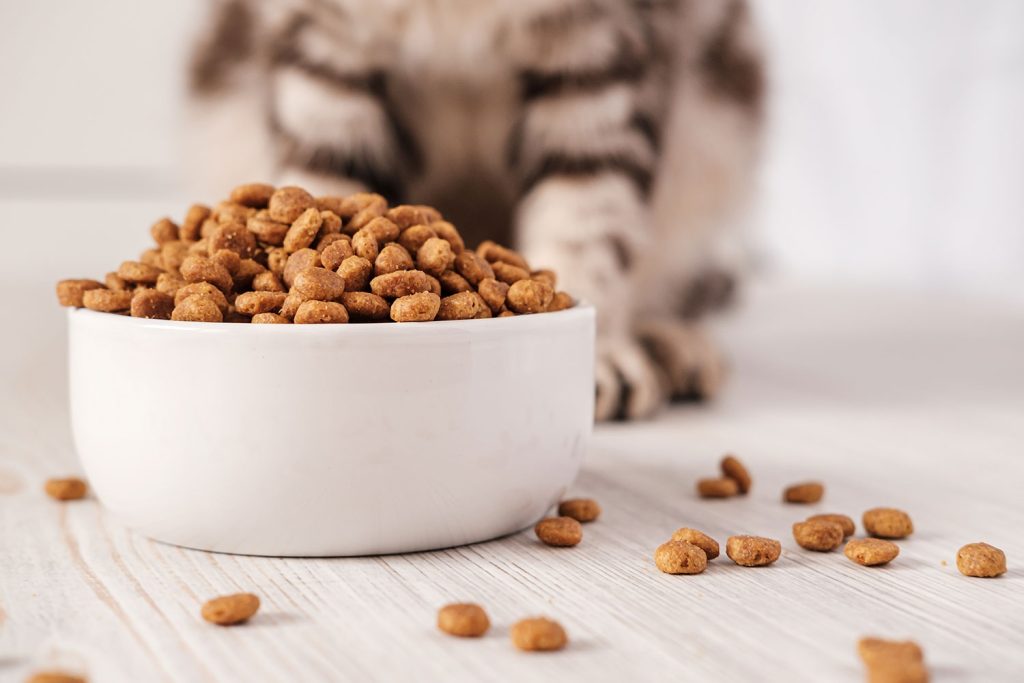
The choice of food plays a pivotal role in managing pet weight. Pet owners should look for high-quality pet food specifically formulated for weight management or those that list whole ingredients and essential nutrients. Foods rich in fiber and protein can help pets feel satiated without contributing to excess weight gain.
Reading pet food labels can be an enlightening experience. Many brands offer low-calorie or veterinary-prescribed weight control options tailored for pets at risk of obesity. Often marked with “light” or “low-fat” labels, these dietary choices help to maintain health while supporting weight loss. Furthermore, consulting a veterinarian for dietary recommendations is crucial, particularly for pets with underlying health conditions.
The Role of Veterinary Guidance
Partnering with a veterinarian in this journey towards weight management cannot be overstated. Regular check-ups allow for monitoring of a pet’s weight and health. During these visits, veterinarians can provide personalized advice based on the pet’s unique needs, age, and overall health status. Regular assessments can also help in evaluating the effectiveness of diet and exercise plans, enabling timely adjustments.
Additionally, some veterinary clinics in Nigeria offer weight-loss programs that include nutrition workshops, fitness classes, and even weight-loss competitions. Engaging in community events can create a support network among pet owners and motivate individuals to stick to their weight control goals.
Emotional Well-being and Mental Stimulation
Weight control in pets is not solely about physical activity; it also involves recognizing the emotional aspect of owning a pet. Boredom can lead to overeating, as many pets may seek food as a form of entertainment. Providing mental stimulation through toys, puzzles, and training exercises can significantly reduce their tendency to overeat.
Moreover, engaging pets in social activities or playdates can combat loneliness while promoting exercise. A happy pet is more likely to be active and engaged, leading to a healthier lifestyle. Creating an environment that fosters both physical and emotional well-being can prove crucial in achieving effective weight management.
With the collective understanding of the fundamental aspects of weight control, pet owners in Nigeria are well-positioned to address obesity proactively. By creating structured routines, promoting healthy dietary choices, and leveraging veterinary guidance, we pave the way for a future where our pets can lead healthier, fulfilling lives free from the burdens of obesity-related diseases.
Conclusion
In conclusion, the significance of weight control in preventing diseases in pets cannot be overstated. As pet owners in Nigeria become increasingly aware of the dangers posed by obesity-related health issues, prioritizing the weight management of our beloved companions takes center stage. Recognizing that a healthy weight is a key factor in reducing the risk of catastrophic diseases such as diabetes, arthritis, and cardiovascular conditions paves the way for a more proactive approach to pet care.
By adhering to structured feeding routines, selecting high-quality diets, and ensuring consistent physical and mental engagement, pet owners can foster an environment that champions health and vitality. Veterinary guidance not only enhances the effectiveness of weight management programs but also aligns dietary choices with pets’ unique health needs, especially in cases of existing medical conditions.
Moreover, pet obesity can be better tackled through community involvement and education, where local veterinary clinics offer resources and support programs tailored for pet owners. Together, these initiatives cultivate a culture of responsibility for our pets’ well-being. Understanding the relation between positive pet weight and reduced disease susceptibility opens the door for a brighter, healthier future for our pets.
Ultimately, as we strive to improve the lives of our pets, it is essential to remain committed and educated about their dietary and physical needs. By making informed decisions and fostering a proactive mindset toward weight management, we can significantly enhance their quality of life, providing them with the joyful, active existence they truly deserve.