The Importance of Animal Adoption in Nigerian Communities

The Challenge of Stray Animals in Nigeria
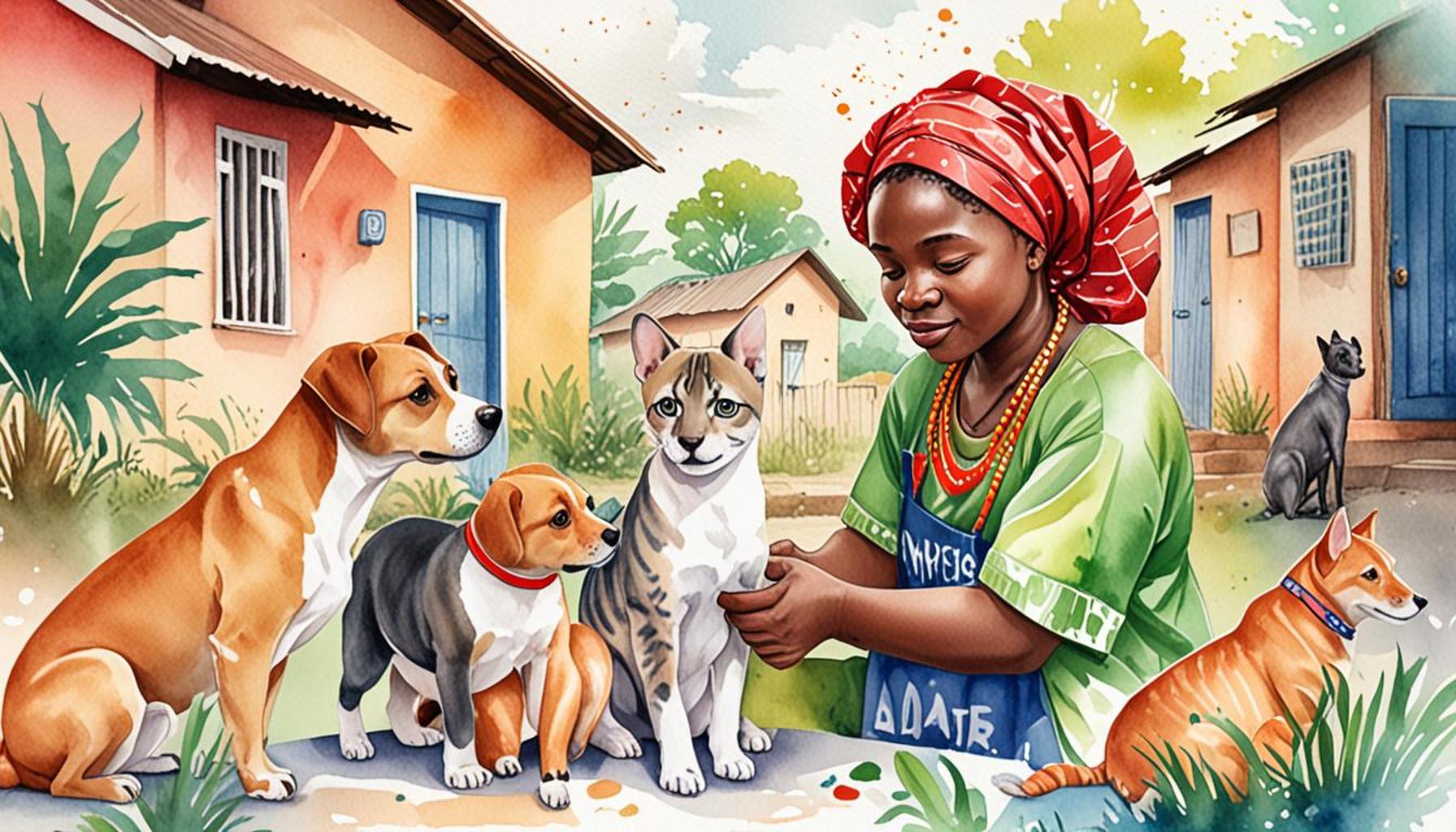
Urbanization in Nigeria has led to increasingly crowded cities where various societal issues are magnified. One of these critical issues is the growing population of stray animals, a problem that stems largely from the abandonment of pets due to changing living conditions or financial constraints. As families move into smaller homes or face economic hardship, pets are often left behind, leading to a surge in the number of homeless animals roaming the streets. This trend necessitates a strong movement toward animal adoption within communities.
The Importance of Animal Adoption
Adopting animals serves not only as a means to find these creatures a safe haven but also offers a myriad of benefits that resonate well beyond the immediate act of adoption. These benefits can be categorized as follows:
- Reducing Stray Populations: By promoting animal adoption, communities can effectively lower the number of homeless animals. For example, various non-governmental organizations (NGOs) in Nigeria are working tirelessly to create awareness about the benefits of adopting pets instead of buying them. Initiatives like “Adopt, Don’t Shop” are instrumental in encouraging people to consider adoption first.
- Enhancing Public Health: Stray animals can be vectors of diseases such as rabies, which poses serious health risks to humans. Adopting and caring for animals can significantly decrease the likelihood of zoonotic diseases spreading within communities. Cities like Lagos have witnessed reductions in rabies cases as community members come together to adopt and vaccinate strays.
- Promoting Responsibility: Adoption also encourages a culture of responsibility and compassion among community members. When people choose to adopt, they take on the ethical obligation to care for animals, fostering a sense of accountability that can inspire others to do the same. Educational programs focused on the responsibilities of pet ownership can further solidify this understanding.
Community Connections and Well-Being
Animal adoption doesn’t just improve the lives of the animals; it can also enhance community well-being. Through shared interests surrounding animal welfare, residents can form strong bonds, leading to a more united community. Here are some facets in which community life thrives through animal adoption:
- Animal Welfare Awareness: Adoption campaigns and local advocacy groups work to educate the public on the importance of responsible pet ownership. Workshops and events, such as street fairs celebrating adopted pets, increase community engagement.
- Support Networks: Pet owners often find themselves needing support, whether for veterinary services or training. By creating networks, they can share resources and advice, ultimately strengthening community ties. Neighborhood groups or online platforms can facilitate this support.
- Therapeutic Benefits: The presence of pets has been shown to alleviate stress and anxiety. Many Nigerians have experienced how the unconditional love of a pet can provide a sense of companionship and emotional stability, particularly in difficult times.
Through adopting animals, Nigerian communities can reshape the narrative surrounding stray animals from one of neglect to one of care and responsibility. By doing so, they not only provide a better quality of life for the animals but also enhance social bonds within neighborhoods, creating a more empathetic and cohesive society that values the lives of all its members. The path to a better future—one where pets are regarded as beloved family members rather than burdens—starts with the act of adoption.
Animal Adoption as a Solution to Community Issues
In a country like Nigeria, where the population is rapidly growing alongside urban development, the issue of stray animals continues to pose significant challenges. The overwhelming number of stray cats and dogs can lead to increased instances of accidents and health concerns for residents. However, animal adoption provides a viable solution not just for the animals but for the communities they inhabit. By adopting pets, residents can actively participate in addressing some of the pressing issues associated with animal overpopulation.
One of the most immediate benefits of animal adoption is the direct reduction in stray populations. Each adopted animal represents one less creature living in peril on the streets. This is particularly urgent in major urban areas such as Abuja and Lagos, where local shelters are often overwhelmed. When the community rallies behind adoption initiatives, it actively participates in a grassroots movement that can lead to a significant decrease in both abandonment and the stray animal population.
The Role of Community Organizations
Numerous non-governmental organizations (NGOs) in Nigeria, such as the Nigerian Society for the Prevention of Cruelty to Animals (NSPCA), are leading the charge in promoting the significance of animal adoption. They organize outreach programs designed to educate the public about the benefits of adopting rather than purchasing pets. Through campaigns that emphasize the mantra “Adopt, Don’t Shop,” these organizations have mobilized communities to reconsider their views on stray animals, effectively fostering a culture of compassion and responsibility.
Impact on Public Health
The presence of stray animals can pose serious public health risks, especially regarding diseases like rabies. By adopting and properly caring for strays, communities can significantly reduce the risk of zoonotic diseases—which are diseases that can be transmitted from animals to humans. Vaccination drives associated with pet adoption have shown promise in decreasing rabies cases in regions such as Lagos and Ibadan. These public health improvements not only protect residents but also relieve some burden from local healthcare systems.
Social Responsibility and Education
Another vital aspect of the adoption movement is the promotion of social responsibility among community members. Adopting an animal goes beyond simply providing a home; it encourages individuals to take accountability for the well-being of the adopted pet. This sense of responsibility often encourages pet owners to engage in educational programs that teach proper animal care and ethical ownership practices. Workshops designed to raise awareness about the challenges stray animals face and the importance of spaying and neutering can build a more compassionate community.
In summary, the importance of animal adoption in Nigerian communities extends far beyond simply finding homes for stray animals. It serves as a catalyst for public health improvement, a reinforcement of social responsibility, and a means to strengthen community ties. By embracing adoption, Nigerians can pave the way toward a future where animal welfare is a priority and stray animals are no longer viewed merely as a societal burden, but rather as valuable members of the community deserving of love and care.
| Advantages of Adoption | Impacts on the Community |
|---|---|
| Reducing Stray Animal Population | Adopting pets directly decreases the number of homeless animals, which is a pressing issue in many Nigerian cities. |
| Enhancing Social Welfare | Animal adoption fosters a sense of responsibility among community members and promotes compassion through animal care. |
| Encouraging Community Engagement | Adoption events serve as platforms for community interaction, uniting people for a noble cause and increasing awareness about animal welfare. |
| Improving Mental Health | Interacting with adopted pets has been shown to reduce stress and anxiety, benefiting both the individual and the community. |
Economic Benefits of Animal Adoption
Beyond the emotional and ethical implications, animal adoption also has significant economic benefits for Nigerian communities. When individuals choose to adopt, they often seek veterinary services, pet food suppliers, and related businesses, stimulating the local economy. This new demand supports small businesses in the community, creating jobs and ensuring that local economies thrive. For instance, the adoption of pets can lead to an increased need for local veterinarians, groomers, and trainers who can offer their services in caring for adopted animals.
Moreover, initiatives centered around pet adoption drives often incorporate collaboration with local businesses, such as pet shops that provide discounts for food and supplies on adoption days. This not only helps the new pet owners but also cultivates a sense of solidarity within the community, as businesses contribute towards a common cause—promoting shelter animals. Creating a community-centric adoption movement can boost the economy while simultaneously working towards solving the issue of animal overpopulation.
Cultural Shifts Towards Animal Welfare
The growing focus on animal adoption is also contributing to a much-needed cultural shift in Nigerian society regarding animal welfare. Traditionally, many households may have viewed pets primarily as property rather than as companions deserving of respect and care. However, the adoption movement challenges this perception by fostering discussions around empathy and ethical treatment of animals.
As more people publicly advocate for adoption, campaigns aim to change public perceptions, promoting pets as integral members of the family. Efforts by NGOs and community groups to highlight stories of adopted animals and their positive impacts on families can strengthen this narrative. The emotional connections that develop through adoption can encourage a cultural reevaluation of how society views both stray and domesticated animals.
Volunteerism and Community Involvement
Adoption initiatives frequently call for volunteer support, inviting community members to engage more deeply with animal welfare causes. Volunteers play integral roles in fostering orphaned animals, organizing events, or assisting in the facilitation of adoption processes. The act of volunteering has manifold benefits, including personal fulfillment and the fostering of a collaborative spirit among community members.
Programs that integrate animal adoption events into broader community activities—such as fairs, markets, or festivals—can draw a diverse group and foster community bonding. This cross-pollination of activities not only educates attendees about the significance of adoption but also promotes a sense of responsibility towards animals. Moreover, this engagement often filters through various demographics, introducing younger generations to the importance of compassion for animals at an early age.
Long-term Sustainability of Animal Welfare Initiatives
Sustainable animal welfare initiatives require a strong foundation built on community commitment. Adopting animals is a crucial first step, but the long-term well-being of pets—and by extension strays—necessitates continuous community efforts to ensure their basic needs are met. Local governments and civic organizations need to work together to create frameworks that support ongoing education about responsible pet ownership, including the significance of spaying and neutering.
Moreover, employing community volunteers in providing services, such as vaccination and health checks, ensures that both adopted animals and those still in shelters receive necessary care. By investing in programs aimed at maintaining healthy pet populations, communities ultimately contribute to a safe environment where animals can prosper alongside their human companions.
Conclusion
In conclusion, animal adoption represents a pivotal movement that not only enhances the lives of numerous animals but also invigorates Nigerian communities on multiple levels. Through adopting pets, individuals contribute to addressing the pressing issue of overpopulation in shelters, while simultaneously fostering a compassionate environment that promotes animal welfare. With the economic benefits of supporting local businesses, such as veterinary clinics and pet supply stores, adoption also plays a crucial role in stimulating local economies, demonstrating that acts of kindness can yield tangible financial rewards.
Moreover, the cultural shift towards viewing animals as cherished family members rather than mere property underscores a growing awareness of ethical responsibility within society. By engaging in animal adoption, Nigerians challenge outdated perceptions and cultivate empathy, which can resonate across generations. As community members come together to volunteer and educate others about responsible pet ownership, they ignite a spirit of collaboration and shared commitment that extends beyond individual households.
Moving forward, sustained advocacy for animal adoption initiatives will be beneficial for ensuring long-term animal welfare through continuous education and community involvement. As communities invest in these programs, they not only create a safer environment for both pets and people but also foster a more compassionate, united society. As we reflect on the significant role of animal adoption, it is clear that embracing this practice can lead to profound transformation within Nigerian communities, enriching the lives of both humans and their furry companions.