Positive Training Techniques for Dogs in Nigeria
The Importance of Positive Dog Training Techniques
Training a dog should be a rewarding experience for both the owner and the pet. In Nigeria, where dog ownership continues to grow, understanding positive training techniques is essential to fostering a healthy relationship between dog and owner. As more Nigerians embrace dogs not just as pets but as family members, the importance of effective training becomes increasingly clear.
These positive training methods focus on encouraging good behavior through rewards rather than using punishment. This approach not only creates a trusting bond but also enhances the dog’s willingness to learn. With a stable foundation built on positivity, dogs are more inclined to follow commands, respond well to cues, and develop desirable habits.
Some key advantages of using positive training techniques include:
- Improved Behavior: Dogs learn quicker and retain more information when rewarded for good actions. For instance, using treats or praise when a dog sits on command reinforces the behavior, making it more likely to be repeated.
- Stronger Bond: Positive reinforcement builds trust between the dog and the owner. This trust allows for more enjoyable training sessions, and over time, the dog’s responsiveness and affection deepen.
- Happier Dogs: When dogs enjoy the training process, they are more eager to participate. The enthusiasm seen in a dog during training can lead to a more enriched life for both the pet and the owner.
In Nigeria, many dog owners are increasingly embracing these methods, especially as awareness of animal welfare and humane training practices grow. For example, dog owners in urban areas like Lagos and Abuja utilize local dog trainers who emphasize these positive techniques, showing just how widespread the practice is becoming.
Methods can range from using treats, toys, and verbal praises to more complex forms of engagement, such as incorporating playtime into lessons. For instance, a game of fetch can serve as a reward for a successful recall command, making the learning process enjoyable. Moreover, the diverse cultural landscape of Nigeria offers unique opportunities to adapt training techniques, ensuring they resonate with local practices and lifestyles.
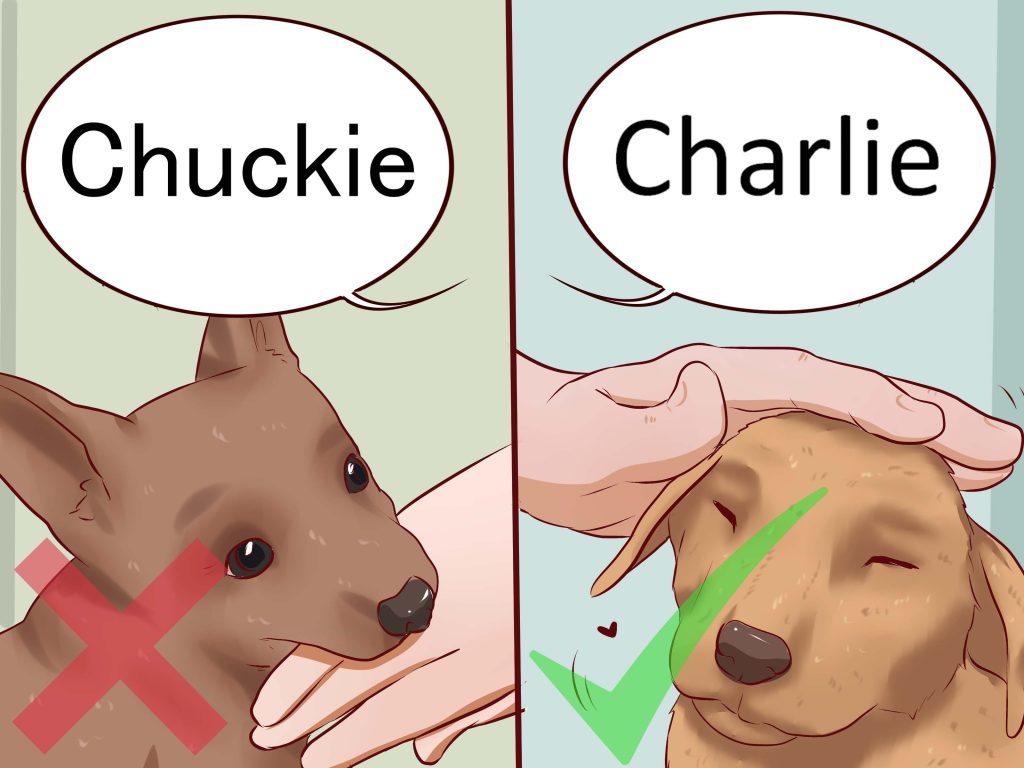
Next, we will explore popular positive training techniques specific to Nigeria, examine their effectiveness, and provide tips for implementing them successfully. This exploration promises to equip dog owners with the knowledge to train their pets effectively and compassionately, creating better relationships and understanding between humans and dogs alike.
Popular Positive Training Techniques in Nigeria
The growing trend of adopting positive training techniques for dogs in Nigeria reflects a broader understanding of canine behavior and the benefits of humane training practices. Among dog owners, these methods are not only favored for their effectiveness but also for the harmony they create between pets and their families. In a diverse country like Nigeria, where cultural nuances play a significant role in training approaches, several popular techniques stand out.
One of the most widely used positive reinforcement methods is the clicker training technique. This involves the use of a small handheld device that makes a clicking sound when pressed. The clicker is used to mark a desired behavior, followed immediately by a treat or praise. For example, when a dog sits on command, the owner clicks the device and rewards the dog with a small treat. This clear and instant feedback helps the dog understand which behavior is being rewarded, making learning more efficient.
Another prevalent method is the use of verbal praises—simple but profound. Owners in bustling cities like Lagos and Ibadan have found that enthusiastic verbal affirmations, such as “good dog!” or “well done!”, paired with gentle petting can effectively encourage desirable behaviors. This approach is particularly important in Nigeria, where the strong bond between owners and their pets fosters an environment where dogs feel appreciated and valued.
In addition to clicker training and verbal praise, the incorporation of play as a form of reinforcement has gained popularity. Engaging in games, such as tug-of-war or fetch, not only serves as a reward but also makes training sessions fun and interactive. For instance, a dog that successfully follows a recall command during play can be rewarded with a playful chase, reinforcing the behavior while further solidifying the relationship between dog and owner.
It is also worth noting the significance of integrating cultural practices into training methods. In Nigeria, many dog owners embrace methods influenced by local traditions. For instance, some incorporate traditional songs or music during training sessions, creating a unique atmosphere that resonates with both humans and dogs. This blend of culture and training promotes a deeper connection between the pet and the environment they are accustomed to.
Effective Positive Reinforcement Strategies
To maximize the benefits of positive training techniques, dog owners can implement the following strategies:
- Consistency: Be consistent with commands and rewards to avoid confusing the dog.
- Timing: Provide immediate rewards to reinforce the behavior effectively.
- Variety: Use a mix of treats, toys, and verbal praise to keep training sessions engaging.
- Patience: Understand that training is a gradual process and requires time and effort.
By applying these strategies, dog owners across Nigeria can cultivate a more enjoyable training experience, leading to well-behaved and happy pets. These positive techniques not only improve obedience but also contribute to a fulfilling relationship between humans and their dogs, enhancing the quality of life for both.
| Category | Description |
|---|---|
| Positive Reinforcement | Encourages desired behaviors through rewards. |
| Builds Trust | Fosters a strong bond between owner and dog, promoting safety. |
| Clarifies Expectations | Helps dogs understand desirable actions, leading to better behavior. |
| Versatile Techniques | Applicable to various situations from obedience to socialization. |
| Reduced Stress | Creates a calm learning environment, minimizing anxiety in dogs. |
In Nigeria, where the culture around dog ownership is continuously evolving, the adoption of Positive Training Techniques has significant implications. These methods not only cater to behavioral correction but also promote a more harmonious relationship between dogs and their owners. Techniques such as positive reinforcement harness the power of rewards—be it treats, praise, or playtime—to encourage and solidify good behavior.Moreover, the benefits that come with these techniques extend beyond the basic training sessions. As dogs learn to associate their actions with positive outcomes, it fosters an environment of trust and respect. This is particularly important in Nigeria, where many dogs may face challenges in their learning due to environmental factors. Ultimately, embracing positive training can open up pathways for better socialization opportunities for dogs, making them more adaptable in various social settings. Techniques not only enhance the training process but also ensure that owners find joy and fulfillment in their interactions with their pets. Exploring these training methods could transform your understanding of dog ownership in the Nigerian context.
Integrating Environmental Factors into Training
In Nigeria, the environment plays a crucial role in dog training, as the diverse landscapes and lifestyles across the nation impact how owners approach positive techniques. From the busy streets of Abuja to the rural expanses of the North, dog owners can tailor their training methods to suit their unique surroundings. For example, in urban areas, distractions such as traffic and crowds are common. Thus, leash training becomes an essential part of the overall training strategy, ensuring that dogs remain focused and responsive despite these distractions.
Moreover, adapting training sessions to the dog’s environment can yield better results. In suburban settings, where there may be more space available, owners can create a backyard training zone that allows for greater freedom during exercises. This space can be utilized for practicing commands like “stay” or “come” while incorporating outdoor distractions, making the training more relevant to the dog’s daily life.
Additionally, socialization is an integral aspect of positive training techniques that many Nigerian dog owners are beginning to recognize. This involves introducing dogs to various environments, people, and other pets to ensure they become well-adjusted creatures. It is advisable to set up playdates with other dogs or arrange visits to dog parks, which are becoming more popular in larger cities. Socialization not only aids training but also enriches a dog’s life, making them more adaptable to different situations.
Community and Support Networks
In recent years, a vibrant community of dog enthusiasts has emerged in Nigeria, fostering a culture of shared knowledge and support. Organizations and groups often host workshops, training classes, and seminars focused on positive training techniques. These gatherings serve as a platform for owners to learn from experienced trainers while forming social connections with fellow pet lovers.
Participating in such activities helps owners stay updated on the latest advancements in dog training and reinforce their knowledge of positive techniques. This exchange of ideas highlights the importance of community in dog training. Experienced trainers often emphasize that learning does not occur in isolation but rather flourishes through dialogue and shared experiences.
The Role of Professional Trainers
For those seeking more structured guidance, enlisting the help of a professional dog trainer can be incredibly beneficial. In Nigeria, a growing number of trainers specialize in positive reinforcement methods, catering to owners who prefer humane training practices. Engaging with a trainer allows dog owners to receive personalized instruction tailored to their dog’s specific needs and temperament.
Trainers can also provide insights into addressing behavioral challenges, using positive methods to correct issues such as excessive barking or separation anxiety. New trends in behavior modification techniques that rely on kindness and respect—such as the “Nothing in Life is Free” (NILIF) method—encourage owners to make their pets work for rewards, promoting a sense of accomplishment and respect for commands. This approach is in line with the values many dog owners in Nigeria are beginning to embrace as they further explore humane and effective training solutions.
Understanding the local context, integrating environmental factors, and leveraging community support all contribute to the success of positive training techniques for dogs in Nigeria. As the awareness and popularity of these methods grow, they pave the way for more harmonious relationships between dogs and their human companions across the nation.
Conclusion
In conclusion, the shift towards positive training techniques for dogs in Nigeria signifies an important evolution in pet ownership that embraces compassion and understanding. As more dog owners recognize the benefits of positive reinforcement methods—such as patience, encouragement, and respect—the relationship between humans and their canine companions is becoming more enriching. By integrating the unique environmental factors of Nigeria into training methods, owners can tailor their approaches to create effective learning experiences that resonate with their dogs’ daily lives.
Additionally, the growing community of dog enthusiasts plays a pivotal role in promoting these progressive techniques. Through workshops and group training sessions, dog owners not only gain valuable knowledge but also foster a culture of camaraderie that enhances their training journey. The involvement of professional trainers further equips owners to navigate challenges with customized strategies, ensuring that every dog receives the attention and guidance they need.
Ultimately, embracing humane training practices contributes to the well-being of dogs throughout Nigeria and promotes harmony within households. As the conversation surrounding positive training continues to develop, it beckons more pet owners to explore this rewarding path. By taking an active interest in their dogs’ training and well-being, owners can cultivate a more rewarding relationship, setting a strong precedent for responsible pet ownership in the country.
With ongoing education and community support, the future of dog training in Nigeria looks bright—making way for a generation of dogs that are not just well-trained, but also happy and confident.