Natural Diet vs Commercial Food Best Choice for Nigerian Cats
Understanding Feline Nutrition: The Debate
The choice between a natural diet and commercial food has sparked considerable debate among cat owners, especially for those tending to the unique needs of Nigerian cats. As the emphasis on pet health intensifies, it’s crucial to understand what each dietary path entails for your beloved feline. A nuanced grasp of these options can guide you toward a decision that optimally supports your cat’s health and vitality.
Why This Matters
Many cat owners are drawn to question the importance of nutrition for their pets. A cat’s diet is not just about fulfilling hunger; it is key to their overall well-being. A meticulously balanced diet contributes to:
- Improved health and longevity, enabling your feline friend to stay lively for many years.
- Better energy levels and playfulness, promoting an active lifestyle and overall happiness.
- Reduced risk of chronic diseases such as obesity, diabetes, and urinary conditions.
Preparing for the Comparison
This article is designed to delve deep into both nutritional pathways, comparing their benefits and potential drawbacks. As you navigate through this piece, you will discover our curated list of the Top 5 options in each category. This comparative analysis aims to empower you with the knowledge necessary to make a well-informed choice that will cater to the specific needs of your unique pet.
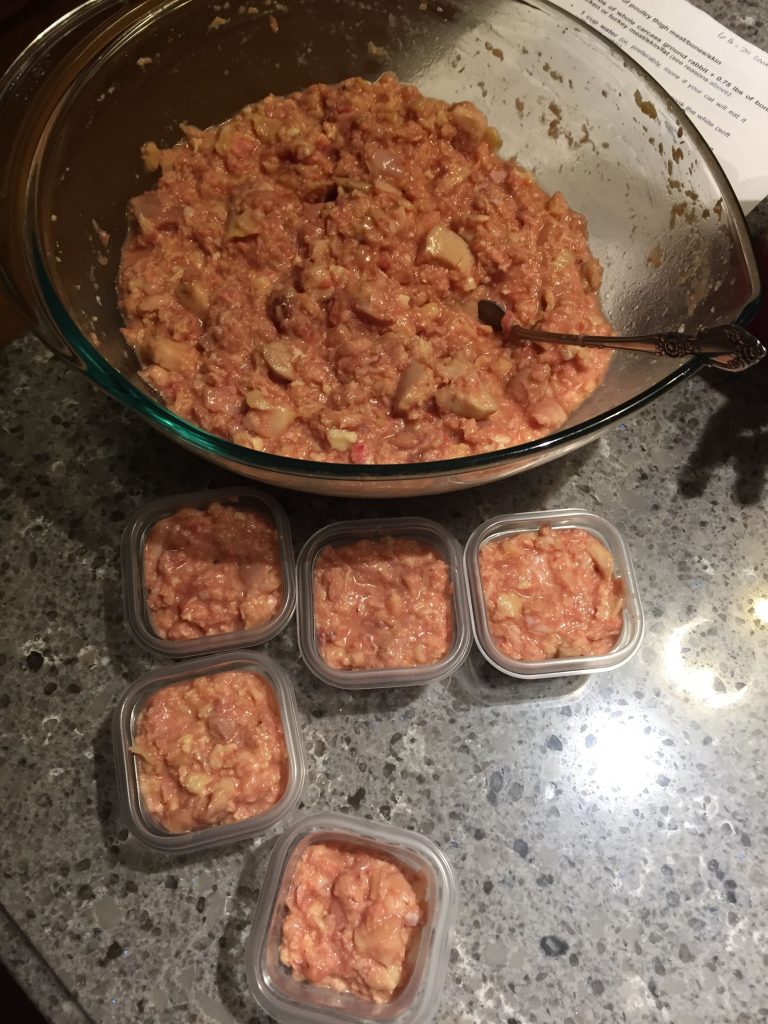
For instance, a natural diet often consists of raw meats, bones, and fresh vegetables. Advocates argue that this approach mirrors the dietary habits of wild cats, potentially offering a more authentic nutritional profile. However, there are challenges, such as ensuring the diet is balanced and avoiding pathogens.
On the other hand, commercial cat foods are formulated to include all necessary nutrients, offering convenience and consistency. With various formulations available, from dry kibble to wet canned foods, it’s essential to scrutinize ingredient lists and nutritional content, as not all commercial foods are created equally.
Ultimately, what matters most is tailoring your choice to suit the health needs, lifestyle, and preferences of your feline companion. Whether you lean towards commercial diets or embrace a natural approach, staying informed ensures you’re making proactive decisions in the best interest of your pet.
Top 5: Natural Diet vs. Commercial Cat Food – What’s Best for Nigerian Cats?
The age-old debate between natural feeding and commercial cat food has weighed heavily on pet owners’ minds, particularly for those caring for the distinct and beloved Nigerian cats. This discourse has gained traction due to the unique needs and environmental conditions specific to Nigeria that might affect these cats’ dietary needs. As we delve into this topic, we will explore the top five considerations that can help us make an informed decision about what might best suit our feline friends.
5. Nutritional Needs
Understanding the nutritional requirements of Nigerian cats is essential. As obligate carnivores, cats demand a diet abundant in high-quality protein, essential amino acids like taurine, and fatty acids. Traditional Nigerian households might often rely on available local meats and produce to feed their pets, blending a cultural approach with nutritional intuitions.
With commercial cat foods, manufacturers often formulate products to meet standards set by authorized veterinary bodies, aiming for a complete balanced diet in each package. Advanced techniques ensure these foods contain all necessary nutrients in precise proportions, addressing deficiencies that might arise in natural diets if not expertly planned. However, misinformation or lack of knowledge about the nutritional import of natural ingredients can result in a diet that may miss critical components, possibly leading to deficiencies like inadequate taurine, which is crucial for heart health.
4. Ingredients Transparency
Ingredients transparency stands out as a key factor in dietary choices. When preparing a natural diet, there is full control over every item the cat consumes. Owners can diligently pick organic proteins, fresh vegetables, and suitable grains, crafting a customized meal plan that suits their pet’s taste and health requirements.
Commercial cat foods are scrutinized and labeled according to regulatory standards; however, they often contain obscure components labeled as “meat by-products” or “animal digest.” Such terminology raises questions about the nature and source of these ingredients. Pet owners are becoming increasingly conscious of these ambiguities, pushing them to scrutinize labels further and understand the potential impact on their cats’ health.
3. Convenience and Preparation Time
The unmatched convenience of commercial cat food is a primary reason it remains a popular choice among pet owners. It is readily available in stores and online and promises the ease of storage and use. For busy owners managing multiple commitments, the simplicity of opening a can or pouring dry kibble provides a stress-free feeding solution.
Conversely, preparing a natural diet is effort-intensive, akin to meal-prepping for humans. It requires sourcing fresh ingredients, balancing macronutrients, and ensuring safe food handling to prevent spoilage. Furthermore, owners may need to acquire nutritional supplements to compensate for potential deficits in a home-prepared meal, making it a time-consuming and sometimes costly effort.
2. Health Benefits and Risks
Both dietary strategies bring their sets of health benefits and risks. Advocates of naturally fed cats claim improvements in coat condition, vitality, and reduced incidence of diet-related illnesses. Cats on a well-planned raw diet might exhibit enhanced dental health as they chew through raw meat and bones, naturally cleaning their teeth.
On the other hand, commercial diets, particularly premium lines, are designed to provide complete nutrition, with added benefits such as weight management formulas and ingredients targeting specific health concerns like urinary tract health. However, those opting for cheaper, lower-quality brands may expose their pets to excess carbohydrates, artificial preservatives, or allergens, posing long-term health risks.
1. Long-Term Effects on Quality of Life
The ultimate aim of selecting between natural feeding and commercial cat food is to enhance the cat’s long-term quality of life. Research has demonstrated that both diets, if executed correctly, can support a healthy life span. The choice heavily relies on the individual cat’s health status, lifestyle, and the owner’s commitment and ability to ensure dietary balance.
Factors such as a cat’s unique physiological needs, habits, and any existing health conditions should guide dietary decisions. For instance, cats dealing with specific health issues might require a diet tailored to manage those conditions, something commercial specialized formulations can often provide with precision. However, for owners passionate about their cat’s culinary experience, customizing a fresh, organic diet represents both a challenge and a rewarding commitment.
In conclusion, whether through natural feeding or commercial products, the paramount goal is ensuring a happy, healthy, and fulfilling life for our feline companions. Each path presents its benefits and challenges that must be carefully weighed against the specific circumstances of the owner and the pet. Engaging with veterinary professionals and ongoing research can further empower pet owners to make informed, beneficial choices for their beloved Nigerian cats.
The debate is far from settled, inviting ongoing research, conversation, and reflection in the Nigerian pet community, always with the ultimate aim of optimizing our cherished pets’ diets for their best possible health.
| Category | Advantages |
|---|---|
| Natural Ingredients | Whole foods such as meats, vegetables, and fruits, providing essential nutrients… |
| Digestive Health | More natural diets can enhance gut health, leading to better absorption of nutrients. |
| Allergy Avoidance | Customized meals mean owners can avoid allergens present in commercial kibble. |
| Cost-effectiveness | Buying ingredients in bulk often proves more economical than pet store prices. |
In the debate between natural feeding and commercial kibble for Nigerian cats, the discussion extends beyond mere preference to encompass health implications and economic viability. As we delve deeper, it becomes clear that both options come with their respective sets of benefits.One of the most **striking advantages** of a natural diet lies in the **quality of ingredients**. Owners are often drawn to the notion that a raw or minimally processed meal consisting of real meat, vegetables, and fruits is inherently superior to kibble that may contain fillers and by-products. Such ingredients not only provide the essential nutrients that cats require but also support a healthier metabolism.When it comes to **digestive health**, many pet owners have noted improvements in their cats’ gut function when transitioning from commercial diets to natural foods. The raw or cooked meals are typically easier to digest—thanks to the absence of artificial additives—which leads to enhanced nutrient absorption. This could play a pivotal role in the overall health and longevity of the pet.Moreover, another noteworthy aspect of natural feeding is the **customization capabilities** it allows. For cats with specific dietary sensitivities or allergies, a home-prepared meal can avoid common allergens that are often present in kibble formulas. This tailored approach means less trial and error with commercial brands, ensuring that the pet enjoys meals that suit their unique health requirements.Weighing these advantages is crucial for cat owners, especially considering the financial implications. Initially, one might think that preparing natural meals could come at a premium; however, by sourcing ingredients in bulk and planning meals effectively, many find it can actually be more cost-effective over time compared to the recurring expense of commercial pet food.As one grapples with the choices available, the conversation surrounding the best feeding practices for Nigerian cats is certainly multifaceted and worthy of exploration.
Frequently Asked Questions: Natural Diet vs. Commercial Food for Nigerian Cats
What are the main differences between natural diets and commercial foods for cats?
The primary difference lies in the ingredients and processing methods. Natural diets often consist of fresh, whole foods designed to resemble a cat’s diet in the wild. They typically include raw or lightly cooked meats, organs, bones, and sometimes vegetables and supplements. In contrast, commercial foods are mass-produced, processed, and often include fillers, preservatives, and additives to ensure a long shelf life. It’s important to consider your cat’s specific dietary needs and consult with a veterinarian when deciding between these options.
Are there health benefits associated with feeding Nigerian cats a natural diet instead of commercial food?
Advocates of natural diets argue that they offer better nutritional value, contributing to improved digestion, healthier skin and coat, and increased energy levels. However, it’s crucial to ensure that homemade diets are balanced and meet all of a cat’s nutritional requirements, which can be challenging without expert guidance. Commercial foods are formulated to provide complete nutrition, but it’s essential to choose high-quality brands to ensure your cat isn’t consuming potentially harmful fillers or additives.
Can I combine both natural diet and commercial food for my cat?
Yes, many pet owners choose a mixed feeding approach, combining the convenience of high-quality commercial foods with the benefits of fresh, natural ingredients. This approach allows for variety in your cat’s diet and can help ensure they receive a wide range of nutrients. When combining, pay attention to the portion sizes and nutritional content to avoid overfeeding or nutrient imbalances.
Are there any risks involved with feeding a natural diet to my cat?
While natural diets can be beneficial, there are risks of nutritional deficiencies if the diet isn’t properly balanced. Raw diets also come with the potential for bacterial contamination, such as salmonella or E. coli, which can be dangerous to both cats and humans. Proper handling and preparation are vital, and consulting with a veterinarian who specializes in pet nutrition is advisable to reduce these risks.
How do I transition my Nigerian cat from commercial food to a natural diet?
Transitioning should be done gradually to prevent digestive upset. Start by mixing small amounts of natural food with their current diet, gradually increasing the proportion of natural ingredients over a period of 7 to 10 days. Monitor your cat’s health and behavior closely during this transition and consult with a veterinarian to ensure that the natural diet you’re providing is nutritionally complete. This method will help your cat adjust smoothly without causing undue stress to their digestive system.
Conclusion
In the intriguing debate of natural feeding versus commercial kibble for Nigerian cats, it is evident that each approach offers its unique benefits and challenges. On one hand, a natural diet, often perceived as more holistic, allows for complete control over nutritional content, helping to mitigate allergies and promote a healthier, more vibrant feline life. On the other hand, commercial cat food is engineered for balanced nutrition, offering convenience and consistency that is difficult to match with homemade meals.
Key Considerations
- Nutritional Value: Both feeding approaches aim to provide balanced nutrition but achieve it through different means. The freshness and variety found in natural diets could enhance nutrient intake, while the scientifically formulated ratios present in commercial foods are designed to meet standard nutritional needs.
- Convenience: While natural feeding requires considerable preparation and time, commercial food offers simplicity, making it a practical choice for busy pet owners.
- Health Impacts: Natural diets can be tailored to address specific health concerns, but they also require more rigorous knowledge of feline nutrition to avoid deficiencies. In contrast, commercial foods offer quality assurances and regulated standards.
- Cost: The economic comparison depends on ingredient selection in natural feeding and brand choice in commercial food, warranting careful financial consideration.
- Environmental and Ethical Concerns: The origin of ingredients and sustainable practices are factors influencing decision-making for conscientious pet owners.
Ultimately, the decision between natural feeding and commercial kibble should depend on individual circumstances, including the cat’s specific health profile, the owner’s lifestyle, and ethical values. It is essential for pet owners to engage with veterinary professionals to ensure that whatever choice is made, it optimally supports the health and well-being of their feline companions. As the discussion surrounding pet nutrition continues to evolve, ongoing education and adaptation to new research are critical. This awareness will equip pet owners to make informed decisions that cater to the needs of Nigerian cats.