How to Use Rewards in Habit Formation for Pets
Understanding Reward-Based Habit Formation
Training pets can often feel like a challenging venture. However, harnessing the power of rewards can significantly enhance the learning process. By using positive reinforcement, you build a solid foundation for your pet’s habit formation.
Why Use Rewards?
Understanding the significance of rewards is essential for successful pet training. Rewards serve multiple purposes, acting as both motivation and reinforcement for desired behaviors. Let’s delve into some key benefits:
- Strengthens Bond: Rewarding your pet not only fosters compliance but also cultivates a bond of trust and affection. For instance, when training a dog to come when called, rewarding them with a treat or affection when they obey can create a joyful association with following commands.
- Encourages Repetition: Pets are naturally inclined to repeat behaviors that yield positive outcomes. When a cat uses a scratching post and receives praise from its owner, it’s likely to return to that scratching post rather than the furniture. This principle is at the core of habit formation.
- Enhances Learning: The clarity that rewards provide can lead to faster learning and better retention of commands. For example, using distinct verbal praise alongside a specific treat at the same time helps pets connect the dots between actions and positive feedback.
Effective Reward Strategies
Implementing the right strategies can have a transformative effect on your pet’s behavior, making training more effective and enjoyable. Here are a few techniques to consider that are particularly relevant in Nigeria:
- Treats: Use delicious snacks that your pet loves to reinforce good behavior. In Nigeria, locally sourced ingredients such as fish or meat can be enticing treats for dogs. Using these as rewards during training can lead to effective learning sessions.
- Verbal Praise: Gentle words of encouragement can be incredibly effective, especially for dogs. Simple phrases like “Good boy!” or “Well done!” spoken in a warm tone can motivate pets to continue doing what pleases their owners.
- Playtime: Engaging in fun games, such as throwing a ball or using toys as a reward for completing tasks successfully, can improve a pet’s enthusiasm for training. In regions where communities gather in open spaces, incorporating group play can also enhance socialization skills.
In Nigeria, understanding local pet behaviors and preferences can further enhance your reward strategies. For example, considering the unique environments and lifestyle of pet owners across different regions can influence the choice of rewards. By exploring how to use rewards effectively, you can not only train your pets but also boost their happiness and well-being, fostering a more harmonious relationship that benefits both owner and pet.
Finally, the journey of training your pet through reward-based habit formation may require patience and consistency, but the results are well worth the effort. Embracing these principles can lead not just to a well-trained pet, but to a joyfully engaged one that adds positivity to your daily life.
Creating Your Reward System
Establishing a robust reward system is crucial for effective habit formation in pets. This system not only reinforces good behavior but also provides a structure that helps pet owners create consistent training routines. Here are some essential elements to consider when designing your reward system:
1. Identify What Motivates Your Pet
Understanding what motivates your pet is the foundation of an effective reward system. Different pets have varying preferences, and recognizing these can lead to more effective training results. For example:
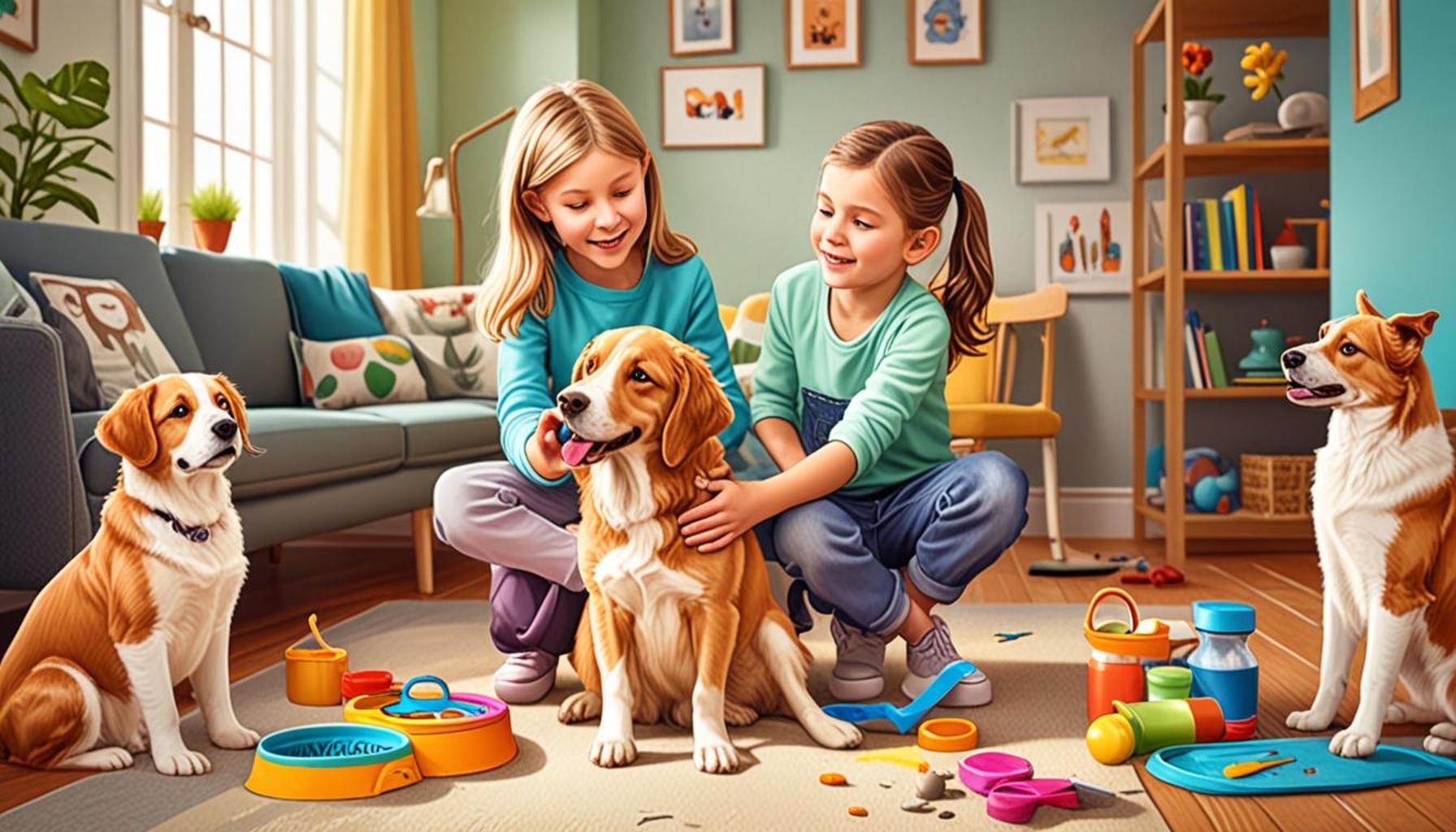
- Dogs: Most dogs respond well to food, play, or affection. Your furry friend might get extra excited about treats made from local delicacies, such as grilled chicken or fish bones.
- Cats: Cats may be more motivated by playtime or interactive toys. Using a feathered wand or laser pointer as a reward can stimulate their instincts while reinforcing good behavior.
- Small Pets: Rodents and rabbits can also be trained using small portions of their favorite fruits or vegetables as rewards, creating an enjoyable learning experience.
2. Establish Clear Expectations
To reinforce desired behaviors, you need to communicate clear expectations to your pet. This involves training them to associate specific actions with particular rewards. For instance, when your dog sits on command and is immediately rewarded with praise or a treat, it reinforces that behavior. Setting specific goals increases the likelihood of habit formation.
3. Timing is Key
One crucial factor in successful reward-based training is the timing of rewards. Delivering rewards immediately after your pet performs a desired behavior helps them make the connection between the action and the reward. In Nigeria, a common challenge might be the distractions from the surroundings. For example, if you call your dog to come but they are distracted by other animals or noise, ensure you reward them as soon as they respond to your command, regardless of distractions. This will solidify their understanding of your expectations.
4. Be Consistent
Consistency is vital in reinforcing positive behavior among pets. It’s essential to maintain a uniform approach in your greetings, corrections, and rewards. If you reward your cat for using the scratching post one day but ignore its behavior the next, it may confuse the message you’re trying to convey. Develop a consistent set of rules and stick to them, ensuring your pet learns the behaviors you value.
5. Introduce Variety
Using a variety of rewards can keep your training sessions engaging. Pets, just like humans, can get bored of the same treats or praise. Therefore, mixing different types of rewards can sustain their interest. You might alternate between treats, playtime, and affection to keep your pet excited about training. In communal areas in Nigeria, regular training sessions can be combined with socializing with other pets, enhancing both learning and confidence.
With these principles in place, pet owners in Nigeria can fully embrace the potential of reward-based training. Not only does it facilitate effective habit formation, but it also adds a layer of joy and fulfillment to the learning experience for both pet and owner. Understanding your pet’s motivations, ensuring clear communication, and remaining consistent will lead to a happier, well-adjusted companion who knows what is expected of them.
| Category | Details |
|---|---|
| Positive Reinforcement | Utilizing rewards like treats or affection helps establish desired behaviors in pets. |
| Consistency | Providing rewards consistently reinforces the behavior, making it more likely to be repeated. |
| Building Trust | Using rewards effectively builds a strong bond and trust between pets and owners. |
| Improved Learning | Injecting fun into training leads to improved learning experiences for pets. |
Incorporating rewards into habit formation for pets is not just about the treats; it’s also about the positive feedback loop created during training sessions. The excitement from a successful trick or obeyed command, followed by a reward, triggers the release of endorphins in your pet’s brain, which strengthens their motivation to repeat that behavior. By diversifying rewards—mixing treats with playtime or praise—owners can maintain their pet’s enthusiasm, fostering an engaging atmosphere for growth.Moreover, long-term behavioral changes stem from this *dynamic learning methodology*. As pets recognize the connection between their actions and the rewards received, they develop self-control and patience, key components in their overall behavioral repertoire. This not only makes them more obedient but can also significantly enrich their emotional health, leading to a more harmonious living environment.
Advanced Reward Techniques for Effective Habit Formation
Having established your basic reward system, it’s essential to explore advanced techniques that can further enhance habit formation in your pets. These strategies can ensure not only that your pet learns faster but also that the learning process remains enjoyable for both of you. Below are some innovative methods to consider:
1. Vary the Rewards Based on Complexity
As your pet progresses and learns new commands or tricks, vary the rewards you provide based on the complexity of the task. For simpler commands, like ‘sit’ or ‘stay’, a small treat may suffice. However, for more challenging tasks, such as teaching your dog to roll over or your cat to fetch, consider offering a more substantial reward, like a special toy or extended playtime. This tiered reward strategy will encourage your pet to strive for bigger achievements while keeping them motivated.
2. Use Rewards to Build Social Skills
Training your pet is not just about them following commands; it’s also about helping them navigate their social environment. Incorporating rewards when your pet interacts with other animals or people can be particularly effective. For instance, if you are at a park in Nigeria and your dog greets another pet without barking excessively, reward them immediately with praise or a treat. This not only reinforces the positive behavior but also aids in promoting better social interactions in bustling environments.
3. Incorporate Clicker Training
Clicker training is a method that can drastically change the way you utilize rewards in your pet’s learning journey. A clicker, a small handheld device that produces a distinct sound, can help bridge the gap between the desired behavior and the reward. As you click during the moment your pet performs the desired action, followed by immediate reinforcement, your pet quickly learns to associate the sound with positive outcomes. This technique is especially effective for sensitive animals or those easily distracted by their surroundings.
4. Gradual Fading of Rewards
Once your pet reliably performs a behavior, consider gradually fading the rewards. This doesn’t mean stopping the rewards altogether; rather, intermittently rewarding your pet creates unpredictability, keeping them engaged over time. For example, reward your dog every second time they come when called, then every third time, and so forth. This method capitalizes on the excitement of unpredictability, mimicking situations common in nature, which can be particularly effective for animals residing in dynamic environments.
5. Engage in Group Training Sessions
Structured group training sessions can provide an enriching experience for both the pet and the owner. In Nigeria, many communities organize training sessions to encourage socialization and foster positive behaviors among pets. These sessions can be a platform for reinforcing habits using rewards in a more controlled environment, allowing pets to learn from each other while maintaining motivation through social interaction. A change in scenery, combined with the pack mentality, can often boost your pet’s learning powers.
6. Monitor Your Pet’s Weight
While offering treats as rewards is sometimes necessary, being mindful of your pet’s weight is crucial. Over-rewarding with high-calorie snacks can lead to obesity, which is a common concern among pets in urban Nigeria. Opt for low-calorie treats, or consider non-food rewards such as a brisk walk or more extended playtime, especially when dealing with larger breeds. Maintain a balanced diet in conjunction with training sessions to encourage a healthy lifestyle.
By implementing these advanced techniques and continuously fine-tuning your reward system, you can significantly enhance the effectiveness of habit formation. Not only will this streamline the training process, but it will also deepen the bond between you and your pet, making for a rewarding experience on both ends. The journey of teaching your furry friend can be full of joy, learning, and growth, resulting in a well-behaved companion for years to come.
Conclusion: Mastering the Art of Habit Formation with Rewards
Successfully forming habits in your pets requires patience, creativity, and a solid understanding of reward systems. As demonstrated throughout this article, the use of rewards extends beyond mere food treats; it encompasses a spectrum of techniques designed to enhance communication and trust between you and your furry companion. By applying varying reward methods based on the complexity of tasks, you nurture not just obedience but also a meaningful bond with your pet.
Moreover, incorporating innovative approaches like clicker training and gradually fading rewards ensures your pet’s continued engagement in the learning process. It’s essential to recognize that each pet is unique and may respond differently to various rewards; finding the right balance can significantly affect their behavioral outcomes. Additionally, participating in group training sessions fosters social skills, turning the learning journey into a community experience.
As responsible pet owners in Nigeria, it is our duty to keep a watchful eye on our pets’ health while rewarding their good behavior. Opting for low-calorie treats, or even non-food rewards like playtime or walks, not only fosters positive habits but complements a healthy lifestyle for our furry friends.
In summary, employing a well-structured and dynamic reward strategy is key to developing desirable habits in our pets. Embrace the learning process, engage their instincts, and celebrate every small victory. With dedication and innovation, you’ll not only cultivate a well-behaved pet but also enjoy a fulfilling companionship that enriches both of your lives.