
How to Prepare Your Pet for Climate Change in Nigeria

Understanding the Climate Crisis for Pets
As the effects of climate change become increasingly apparent across the globe, it is crucial for pet owners to recognize how these environmental shifts can impact their furry companions. In Nigeria, where diverse ecosystems face the stress of extreme weather patterns, pet owners must adapt their practices to ensure the safety and well-being of their pets.
Australia has seen temperatures soar, and similarly, Nigeria is experiencing temperature variability that can pose serious risks to pets. Pets, particularly those with thick fur or underlying health issues, are vulnerable to heat stress. It is essential to recognize the symptoms of overheating, such as excessive panting, drooling, or lethargy. During the hottest months, providing plenty of shade, fresh water, and even cooling mats can help keep pets comfortable and safe. Additionally, it may be wise to adjust walking times to the cooler parts of the day, such as early morning or late evening, when the pavement isn’t blistering hot.
Moreover, Nigeria’s shifting weather patterns have led to flood risks that can devastate local communities. Heavy rains can cause flash flooding, which not only disrupts human life but also affects pets. After floods, the increase in standing water becomes a breeding ground for pests like mosquitoes, which can carry diseases such as heartworm. Creating a safe and secure shelter for pets is essential during the rainy season. Pet owners should ensure that their homes are waterproofed, and where necessary, consider building elevated enclosures to protect pets from flooding. In the event of an emergency, having a disaster kit for pets that includes food, medications, and a first aid kit can also be life-saving.
Furthermore, the correlation between climate change and health concerns cannot be ignored. Changing weather conditions can lead to the proliferation of parasites, bacteria, and viruses, which can adversely affect pet health. Diseases like leptospirosis and Lyme disease have become more prevalent in certain areas due to shifts in climate. Regular veterinary check-ups can help monitor your pet’s health, and vaccinations should be kept up to date to mitigate risks.
Being proactive and preparing for these challenges is essential for not only your peace of mind but for the overall well-being of your pet. As a responsible pet owner in Nigeria, staying informed about local climate impacts and sharing tips with fellow pet lovers can significantly enhance quality of life for our furry friends. This article delves into practical steps that every pet owner in Nigeria can implement to combat the challenges posed by climate change, ensuring that our loyal companions thrive amid an uncertain environment.
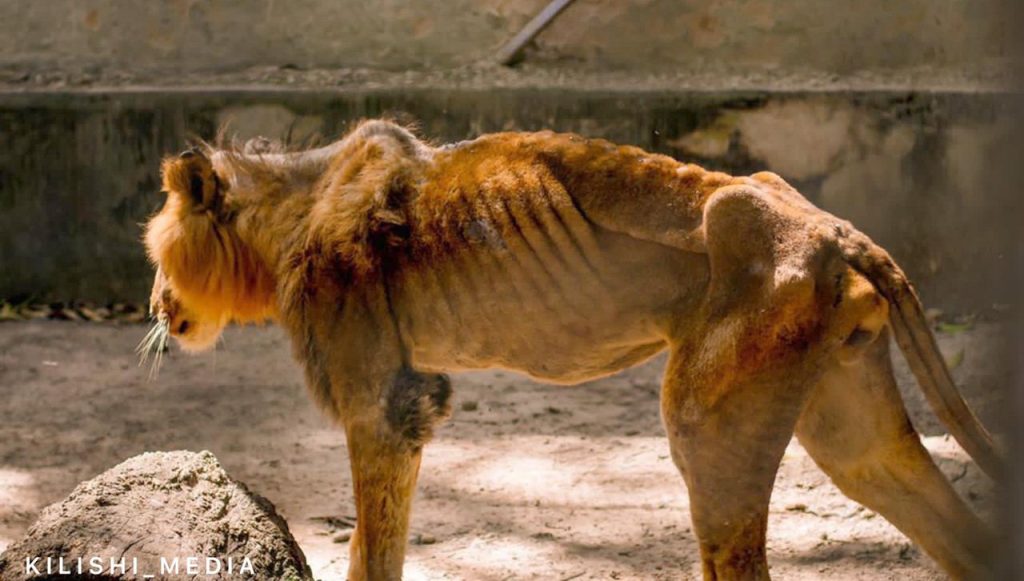
Essential Strategies for Pet Safety and Comfort
As climate change increasingly shapes environmental conditions in Nigeria, pet owners need to focus on proactive measures to safeguard their beloved companions. Below are several key strategies that can help mitigate the impact of extreme weather conditions on pets.
Creating a Safe and Comfortable Environment
The first step in preparing your pet for climate change is to ensure their living environment is suitable for fluctuating weather conditions. Providing a comfortable indoor space is essential, especially during extreme heat or severe storms. Here are some tips to maintain a safe home environment:
- Proper Ventilation: Ensure that your home has adequate airflow. Use fans or air conditioning units during hot months to keep the temperature down.
- Insulation: Insulate your pet’s sleeping areas to protect them from heat and cold. Materials such as blankets or pet-specific insulated beds can help.
- Designated Shelters: If your pet spends time outdoors, invest in shaded or sheltered areas where they can retreat from the sun or rain.
Especially during the rainy season, it is crucial to keep your pets indoors during heavy downpours. Make sure there are water-resistant materials in your pet’s shelter to avoid any dampness or flooding issues.
Stay Hydrated and Well-Fed
Access to clean, fresh water is vital for pets, particularly in extreme heat. Heat stress can lead to dehydration and serious health issues. Here are some recommendations for keeping your pet hydrated:
- Hydration Stations: Set up multiple water bowls around the house and yard, to encourage your pet to drink more often.
- Fresh Water: Replace water daily to ensure it is clean and palatable. In extreme heat, consider adding ice cubes to keep the water cool.
- Nutrition: Maintain a balanced diet for your pets, and ensure they are consuming enough food to support their energy levels.
Being attuned to your pet’s behavior during these weather extremes is vital; signs of dehydration or exhaustion should be addressed immediately. Remember to never leave pets unattended in parked vehicles, as temperatures can rise to dangerous levels in a matter of minutes.
Emergency Preparedness
Climate change can lead to unexpected emergencies, such as floods or severe storms. It is essential to create an emergency plan that includes your pet. Consider these components for your pet’s safety during unforeseen circumstances:
- Disaster Kits: Prepare a kit that includes essential supplies like their favorite food, medications, water, and a first aid kit tailored for pets.
- Identification: Ensure your pet has proper identification, such as a collar with tags and a microchip, to facilitate their recovery if lost.
- Evacuation Plans: Know your escape routes and identify pet-friendly shelters in advance in case of severe weather events.
Being proactive and well-prepared not only protects your pets but also gives you peace of mind as a responsible owner. As Nigeria faces climate change challenges, the time is now to implement these strategies to ensure a safe and happy life for your four-legged family members.
How to Prepare Your Pet for Climate Change in Nigeria
As climate change continues to impact various aspects of our environment in Nigeria, pet owners must take proactive measures to ensure their furry friends remain safe and healthy. Here are some detailed strategies that can help you prepare your pet for the effects of climate change:
| Category 1 | Category 2 |
|---|---|
| Water Management | Ensure access to fresh water at all times to combat heat stress. |
| Heat Safety | Limiting outdoor time during peak heat hours can prevent heatstroke and dehydration. |
Staying informed about the environmental changes affecting your region is key. For instance, extreme weather events can have an immediate impact on both human and animal life. Regular check-ins with your veterinarian about any seasonal risks and necessary vaccinations or treatments can greatly aid in maintaining your pet’s health.
Additionally, creating a safe indoor environment can provide shelter and comfort during harsh weather conditions. This can include setting up a cool area during hot seasons or a warm space during colder months. Using pet-friendly oils or fragrance diffusers to create a relaxing atmosphere can also help soothe your pets during stressful weather situations.
By implementing these strategies, you not only safeguard your pets but also build a resilient community of pet owners ready to meet climate challenges head-on.
Enhancing Your Pet’s Resilience to Climate Extremes
Preparing your pet for the unpredictable effects of climate change is not solely about immediate safety measures; it also involves fostering resilience and awareness about potential health risks associated with climate-related changes. Below are additional strategies aimed at enhancing your pet’s ability to adapt.
Regular Health Check-ups
Frequent veterinary visits become increasingly critical as climate change may exacerbate certain health issues. With rising temperatures, pets can become more susceptible to conditions such as heatstroke, allergies, and parasites. To stay ahead of these challenges, consider the following:
- Preventive Care: Stay up to date on vaccinations and parasite control treatments, as the warmer climate may extend the season for ticks and fleas.
- Comprehensive Health Screenings: Schedule regular check-ups for early detection of health issues, particularly for older pets. Early intervention can be vital for conditions that may arise due to climate-induced stress.
- Dietary Adjustments: Consult your vet to discuss any necessary dietary changes—such as weight management or supplements—that could help bolster your pet’s overall health and resilience.
Be Mindful of Pet Behavior and Mental Well-being
Adverse weather conditions can create stress in pets, impacting their mental health. Recognizing signs of anxiety or distress is crucial, especially during storms or extreme heat. Here are ways to support your pet’s emotional well-being:
- Safe Spaces: Create a soothing environment where your pet feels secure. Use comfortable bedding, noise-canceling methods, and calming tools such as pheromone diffusers or anxiety wraps.
- Routine and Enrichment: Maintain consistent routines and engage in stimulating activities, like interactive toys or puzzle feeders, to keep your pet occupied and mentally stimulated regardless of the weather.
- Training Sessions: Engage in positive reinforcement training to help alleviate anxiety. Obedience training can improve confidence, which is beneficial during chaotic weather conditions.
Socialization and Exercise Opportunities
With climate change leading to more irregular weather patterns, being proactive about socialization and exercise for pets becomes imperative. Regular physical activity not only maintains physical health but also fosters a good temperament. Consider these ideas:
- Optimal Exercise Times: Schedule walks during cooler parts of the day, typically early mornings or late evenings, to prevent heat exhaustion.
- Indoor Playdates: When outdoor conditions are unfavorable, organize indoor playdates with other pets or engage in game-based exercise to keep your pet active and socialized.
- Adapt Activities: Explore activities suitable for various weather conditions, such as swimming during the heat or ensuring there are safe play areas available during rainy seasons.
Paying attention to both physical and emotional health is paramount for your pet’s overall well-being. As climate change presents new challenges in Nigeria, taking these preventive measures can help your pets thrive amid the changing environmental landscape. Think of your pets not just as animals but as cherished family members who need your care and attention to navigate evolving circumstances.
Conclusion: Ensuring a Safe Future for Your Pets Amid Climate Change
As climate change continues to pose unique challenges in Nigeria, it is essential for pet owners to take proactive measures in preparing their furry companions. The impacts of climate shifts—such as increased heat and erratic weather patterns—demand a comprehensive approach to safeguarding our pets’ health and well-being. This involves regular veterinary care, ensuring that they are up to date with essential vaccinations and preventive treatments. Maintaining a healthy diet and routine check-ups can facilitate a stronger resilience against climate-related issues, which is crucial in adapting to the changing environment.
Furthermore, acknowledging the psychological aspects of your pet’s health is equally important. Implementing strategies for stress reduction, such as creating safe spaces and engaging in consistent exercises, ensures that pets remain emotionally stable during unpredictable weather events. Interactive play and socialization not only keep physical fitness in check but also enhance their mental well-being.
In conclusion, as pet owners, we must recognize our responsibility to provide a nurturing and adaptable environment for our pets. By actively seeking out new information, implementing preventive health measures, and remaining observant of their behavior, we can secure their safety and happiness in an ever-evolving climate landscape. For those looking to further explore innovative ways to enhance their pets’ resilience, numerous resources and communities are available, offering insights tailored specifically to the dynamics experienced in Nigeria.