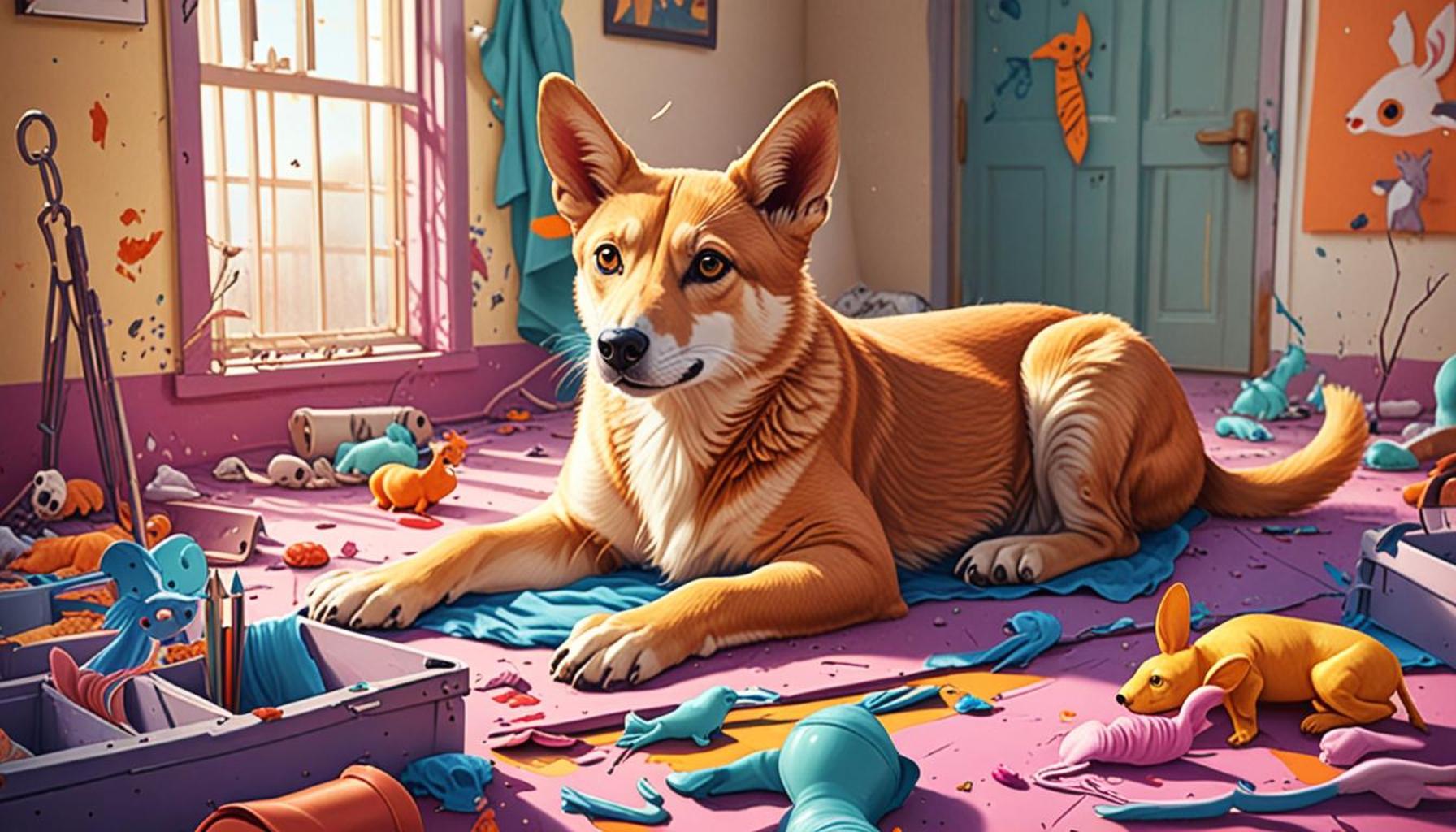
How to Prepare Your Home for an Adopted Pet
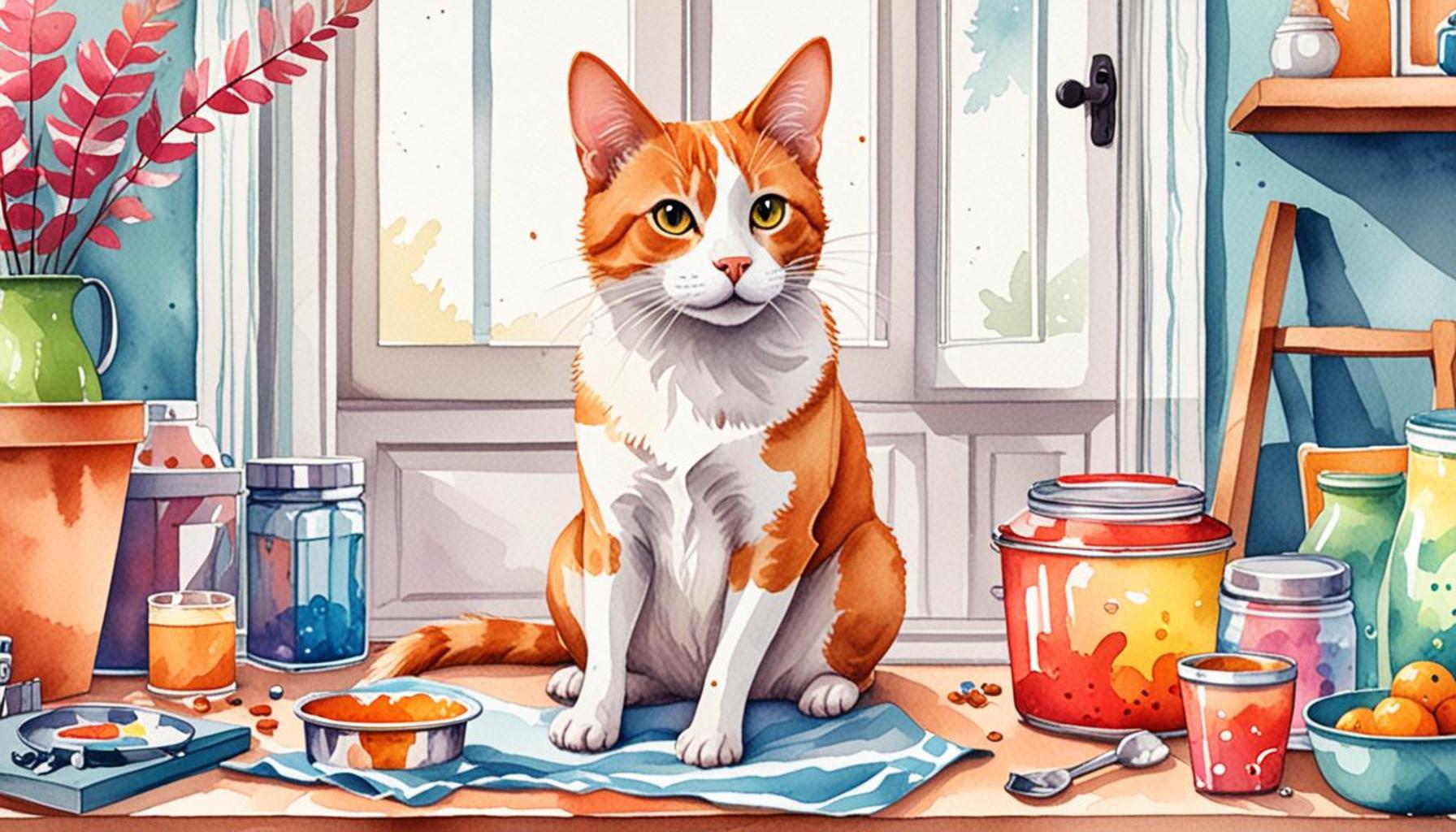
Welcoming a New Friend
Bringing an adopted pet into your home is an exciting step that can enrich your life. However, it’s essential to ensure your environment is ready for your new furry friend. With a few thoughtful preparations, you can create a safe and welcoming space for both you and your soon-to-be companion.
Start with Safety First
Your home’s safety is a primary concern when adopting a pet. With many pets naturally curious, a proactive approach to safety is crucial. Consider the following:
- Remove hazards: Keep toxic plants like oleander or “Dieffenbachia” out of reach. Certain household chemicals, especially cleaners containing bleach, can be hazardous. Always keep sharp objects, such as scissors and kitchen knives, safely stored away.
- Secure wires: Pet-proof electrical cords by securing them tightly against walls or using protective coverings. This not only protects your pet from chewing dangerous wires but also prevents potential electrical fires. Additionally, be mindful of small items they might swallow, such as rubber bands or paper clips.
- Close openings: Ensure that windows and balconies are screened to prevent escapes. In many urban areas in Nigeria, where cities can be bustling with both human and vehicular traffic, keeping pets safely indoors is vital. A secure home will keep your new friend safe while alleviating your anxiety.
Create a Comfort Zone
Your adopted companion needs a cozy spot to call their own. Think about these factors:
- Designate a sleeping area: Choose a quiet corner with comfortable bedding. Cats might prefer a raised perch, while dogs may enjoy a plush dog bed. Including familiar items such as a blanket that smells like their previous home can help ease their transition.
- Gather supplies: Stock up on essential items, including high-quality food suited for your pet’s age and breed, feeding bowls, and stimulating toys. In Nigeria, local markets often have a variety of pet supplies, from traditional toys to modern gadgets that can keep your pet engaged.
- Establish rules: Set boundaries for furniture and areas of the house. For example, you might decide that the living room is off-limits for your pet during the day. Understanding these boundaries helps the pet feel secure while allowing you some sanity in your home environment.
By taking these essential steps, you are not just preparing your home; you’re also laying the foundation for a loving and harmonious relationship with your new pet. These initial adjustments may seem small, but they are significant in creating an environment where your bond can flourish. Start early, and remember, every preparation counts!
Beyond physical adjustments, emotional readiness also plays a vital role. Ensure your family is on board and understands the responsibilities that come with pet ownership. Initiating discussions about daily care routines, grooming, and training will help integrate the pet into your family dynamics seamlessly.
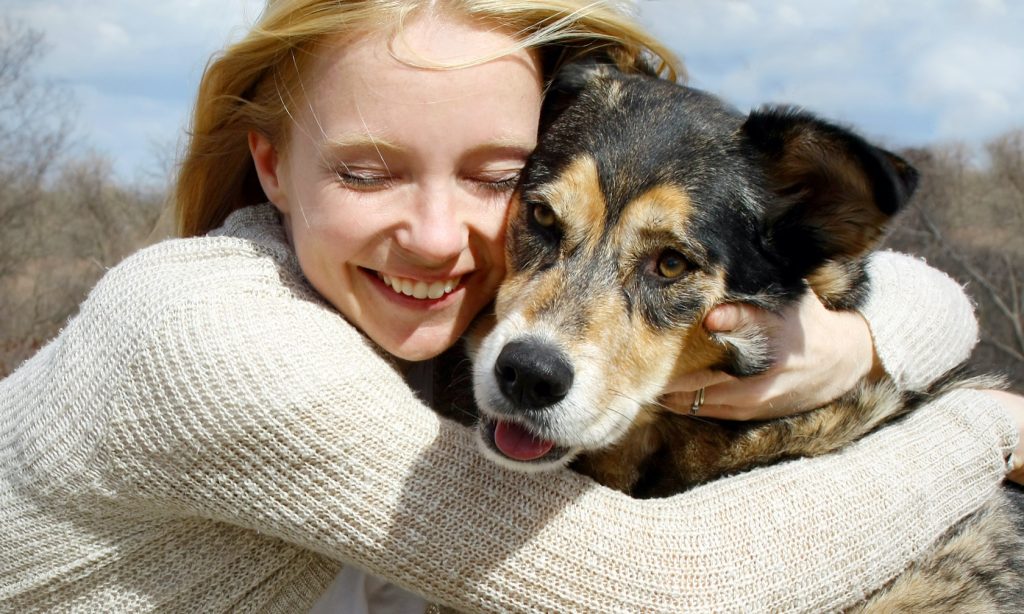
Ultimately, welcoming a new companion into your life is a rewarding journey filled with love and companionship. Your efforts in cultivating a safe and nurturing environment will pay off with countless joyful moments ahead!
Setting Up an Engaging Environment
One of the essential aspects of preparing your home for an adopted pet is to ensure it is not only safe but also engaging. Pets thrive in environments that stimulate their senses and cater to their natural behaviors. Below are some strategies that can help you create an enriched living space for your new best friend:
- Incorporate stimulation: Pets, particularly dogs and cats, require mental and physical stimulation. Invest in interactive toys that challenge their intelligence, such as puzzle feeders or treat-dispensing toys. In Nigeria, you can explore local pet shops or markets for vibrant, handmade toys that will keep them entertained.
- Utilize vertical space: Cats, in particular, love climbing. Consider installing cat shelves or getting a cat tree that offers various levels for climbing and perching. This can also help deter them from other household items that may be fragile or off-limits. Dogs may benefit from having designated spaces for activities like fetch or tug-of-war.
- Establish a routine: Animals thrive on routine. Set regular feeding times, play times, and bedtime to help your pet feel secure. This predictability is especially important in a new environment and will help them adjust. Consider keeping a pet calendar to track feeding schedules, vet appointments, and any special activities you want to share with them.
Creating an engaging environment is not only about providing items for play but also about encouraging healthy habits. Engaging in daily exercises, like walks or play sessions, benefits both you and your pet, enhancing your bond and promoting overall well-being.
Understanding Your Pet’s Needs
Equipping your home for an adopted pet also involves understanding their unique needs. Each species and breed comes with its specific requirements, so it’s worth researching to ensure that you are meeting these appropriately:
- Identify dietary requirements: Different animals have unique dietary needs. Consulting with a veterinarian about ideal food options and portion sizes can help you better plan their meals. In Nigeria, quality pet food may come from both local brands and imported options. Be sure to check for the nutritional value and suitability for your pet’s breed and age.
- Be aware of grooming requirements: Some pets require regular grooming, while others do not. Long-haired cats and dogs may need frequent brushing to avoid matting, while shorter haired breeds might need less attention. Understanding these needs ahead of time will ensure that your pet is comfortable and healthy.
- Train for success: Training is essential for fostering good behaviors and increasing your pet’s confidence. Research training techniques that suit your pet’s temperament and breed. Positive reinforcement methods often work best and can be applied throughout your pet’s life.
By preparing an engaging environment and understanding what your pet needs, you are not just inviting a new member into your home; you are committing to their growth and development. These foundational efforts will create a dynamic living space that fosters joy and companionship.
How to Prepare Your Home for an Adopted Pet
Preparing your home for an adopted pet is crucial for ensuring a smooth transition into your family. This process not only requires some logistical preparations, but also emotional readiness. Understanding the environment you’ll be creating for your new furry friend will help you in shaping the best possible experience for everyone involved.
Essential Preparations
First, consider the physical space your new pet will occupy. Create a designated area where your pet can feel safe and comfortable. This may include a cozy bed, toys, and essential supplies like food and water bowls. To keep your home pet-friendly, it is vital to pet-proof your space by removing hazards that could injure them, such as choking hazards, toxic plants, or dangling cords.
Resources and Support
Another important aspect of preparing your home for an adopted pet is gathering resources that can help you in your journey. Consider reaching out to local animal shelters or pet care organizations for training classes, behavioral advice, and resources pertaining to nutrition and care. Familiarizing yourself with these organizations can not only provide support, but also foster a sense of community around pet ownership.
Emotional Considerations
Just as essential as the logistical preparations are the emotional considerations when adopting a pet. Pets can come with their own unique histories and temperaments, which may require patience and understanding. Setting realistic expectations for your new pet’s adjustment to their new environment is vital. You may find there will be a period where your pet needs to adapt to their new surroundings.To enhance your understanding of how to prepare your home for an adopted pet, it’s beneficial to examine the advantages you gain once you choose to adopt. Below is a table that outlines the benefits of making your home ready for a new pet.
| Category | Advantages |
|---|---|
| Emotional Benefits | Adopting a pet can greatly enhance emotional well-being by providing companionship and reducing feelings of loneliness. |
| Home Comforts | Creating a welcoming environment for your pet will make your home feel more inviting and lively, which enhances family interactions. |
| Community Engagement | Understanding how to cater to your new pet’s needs can facilitate connections with other pet owners and create bonding opportunities. |
| Safety and Security | Preparing your home properly ensures the safety of your pet, creating a secure environment for everyone. |
Creating a Safe and Comfortable Haven
As you prepare to welcome your new furry companion, it is crucial to design a safe and comfortable haven that addresses both their physical comfort and emotional well-being. A harmonious home environment can significantly impact your pet’s adjustment period and ongoing quality of life.
Pet-Proofing Your Home
One of the first steps in creating a pet-friendly environment is to pet-proof your home. This process involves identifying and mitigating potential hazards, ensuring your adoption experience is smooth and positive. Here are some practical suggestions:
- Secure hazardous items: Store cleaning supplies, medications, and small objects that might be ingested out of reach. Animals, especially puppies and kittens, are naturally curious and will explore their surroundings. Check your living space for dangling wires, electrical cords, and other choke hazards that create risk.
- Cover windows and balconies: Install window screens and secure balconies, especially if you have a cat that might leap out, chasing after birds or bugs. In Nigeria, where partly-open homes are common due to warm weather, ensuring strong screens can prevent any unfortunate accidents.
- Monitor plant safety: Some household plants can be toxic to pets, such as lilies and oleander. Research pet-safe plants and replace any potentially harmful ones within your home garden.
Designating Personal Spaces
Beyond safety, creating a designated personal space is essential for your pet’s comfort. This personal area will be a place where they can relax, eat, and feel secure. Here’s how to set it up:
- Choose the right spot: Find a quiet area in your home, away from high-traffic zones where they can retreat to when they need a break. A corner in the living room or a designated room can work well.
- Comfortable bed or crate: Invest in a soft, cozy bed or crate that suits the size of your pet. A crate can also serve as a safe space for them, making it easier for them to adjust to their new surroundings. Be sure to line it with padding for added comfort.
- Accessible water and food bowls: Place these items within their designated space to encourage proper hydration and feeding. It’s also a good idea to elevate the water bowl for dogs, as this can help prevent strain on their necks when drinking.
Introducing Family Members
Your adopted pet will need to integrate into your lifestyle and family dynamics. Consider these tactics for a positive introduction:
- Slow introductions: If you have other pets, introduce them slowly and on neutral territory to help ease potential tension. A gradual approach can prevent territorial aggression and promote positive relationships.
- Involve all family members: Engage children and other family members in the onboarding process, teaching them how to interact with the pet respectfully and safely. This teamwork fosters a nurturing environment for everyone.
- Set boundaries from the start: Establish clear rules and boundaries for your new pet regarding areas they can access around the house or what furniture is off-limits, ensuring everyone is on the same page.
Establishing a safe and comfortable haven for your adopted pet is not just about creating physical spaces; it involves fostering a nurturing atmosphere that supports their emotional and behavioral needs. Each of these elements plays a pivotal role in ensuring that your new furry family member can thrive and feel at home.
Final Thoughts on Welcoming Your Adopted Pet
Preparing your home for an adopted pet is an enriching endeavor that not only enhances their quality of life but also fortifies the bond you will share. By ensuring a pet-proof environment, creating cozy personal spaces, and facilitating positive introductions with family members or other pets, you pave the way for a smooth transition. Your commitment to safety and comfort signals to your new companion that they are loved and welcome, setting the stage for a fulfilling relationship.
It’s essential to remember that each pet is unique, and their adjustment period may vary. Patience, consistency, and plenty of love are key ingredients in helping your new friend adapt to their surroundings. Additional resources, such as local pet care books or even community forums, can provide valuable insights tailored to your type of pet, especially considering the diverse breeds and temperaments common in Nigeria.
Furthermore, become proactive in engaging with your adopted pet’s health needs by scheduling a vet visit and learning about appropriate nutrition and training. This knowledge equips you with the tools to ensure your pet thrives in their new home.
In conclusion, transforming your space into a haven for your adopted pet is an ongoing journey. Together, you’ll create lasting memories while fostering a loving, nurturing environment. Embrace this adventure with an open heart, as the affection and companionship you gain in return will be immeasurable.