How to Grow a Sustainable Garden Tips Techniques for Beginners
Introduction
In today’s world, the importance of growing a sustainable garden has never been more significant. As environmental concerns rise, many individuals are turning to this creative hobby not only to beautify their surroundings but also to contribute positively to the planet. Cultivating your own plants offers a rewarding experience while promoting biodiversity and reducing your carbon footprint.
For beginners, diving into sustainable gardening can seem overwhelming. However, with the right techniques and tips, anyone can create a flourishing and eco-friendly garden. To help you embark on this journey, we’ve compiled a Top 5 list of essential methods and resources that will set you up for success.
- Understanding soil health
- Choosing native and drought-resistant plants
- Utilizing organic pest control
- Implementing composting practices
- Incorporating water conservation methods
Join us as we explore these key elements of sustainable gardening, equipping you with the knowledge to cultivate your green sanctuary.
Top 5 Techniques for Cultivating a Sustainable Garden: Tips for Beginners
Creating a sustainable garden can be a rewarding and fulfilling hobby that not only benefits the environment but also promotes personal well-being. As more individuals strive for sustainability, knowing how to implement effective techniques can make all the difference. Here, we present the top five methods to cultivate a sustainable garden, ranked from beginner-friendly tips to expert-level practices. Read on to discover how you can embark on your green journey!
5. Choose Native Plants
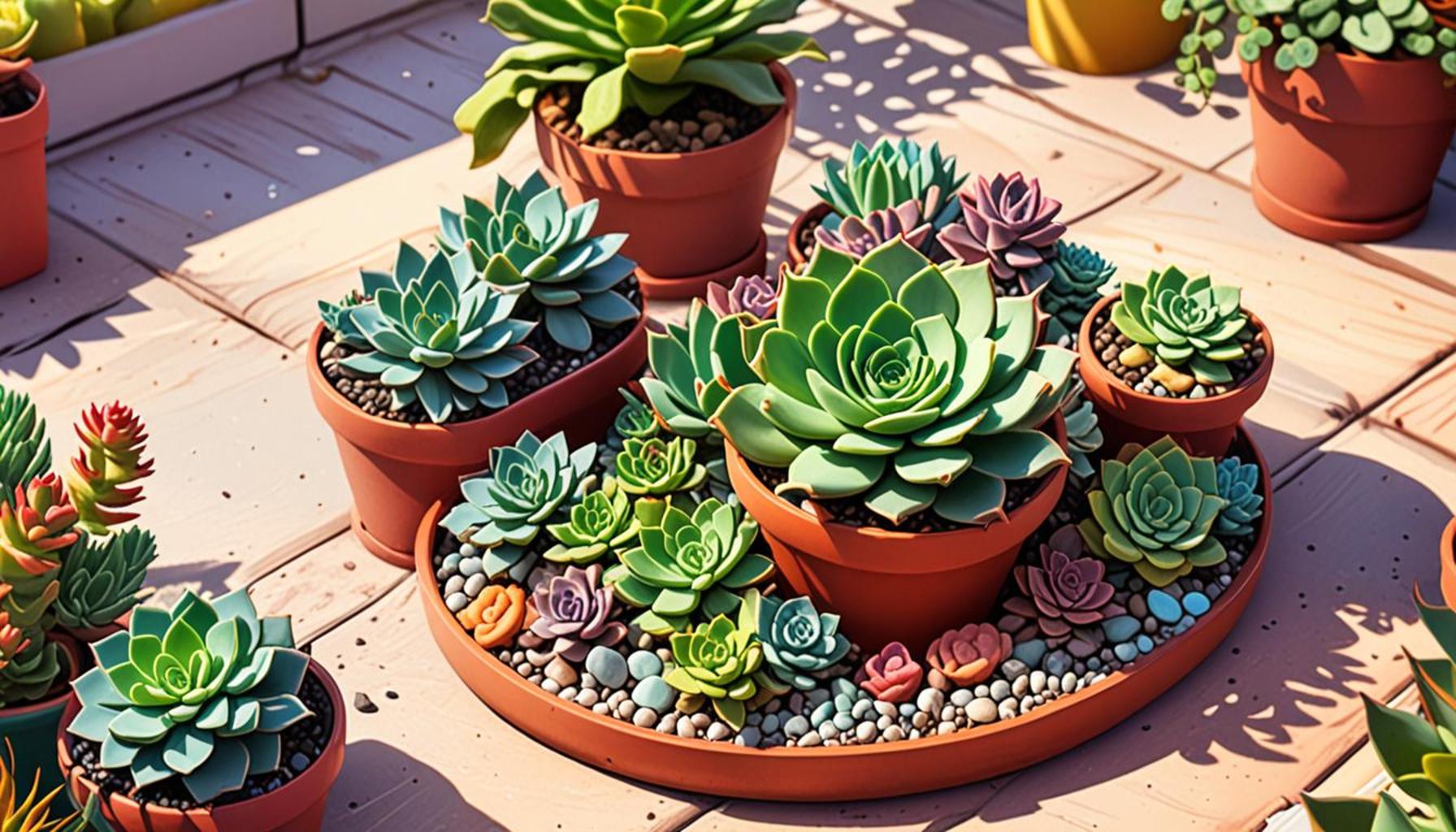
Using native plants is a fundamental step in sustainable gardening. These plants are well-adapted to the local climate and soil conditions, making them much easier to grow and maintain compared to exotic species. Native plants have evolved to thrive in your region’s environment, which means they often require far less water and fewer fertilizers, reducing the need for synthetic chemical inputs that can harm the environment.
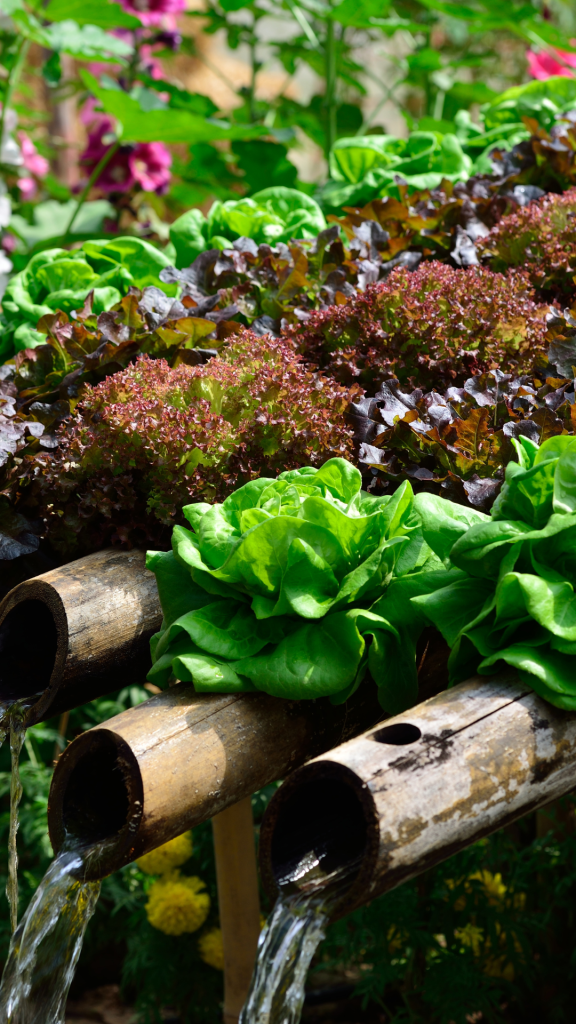
Native plants also play a crucial role in supporting local ecosystems. By choosing plants that naturally occur in your area, you provide habitat and food sources for local wildlife, including pollinators like bees and butterflies. This can lead to increased visits from beneficial insects, which are essential for pollination and pest control.
- Research local flora: Before planting, familiarize yourself with the native species in your area. Local gardening centers or extension offices can be a great resource for identifying suitable plants.
- Diverse selection: Aim for a mix of plants that bloom at different times throughout the year, ensuring continuous food sources for wildlife.
- Adaptation: Because native plants thrive with minimal intervention, they can adapt to the local ecosystem, ensuring your garden remains resilient even under challenging conditions.
By starting with native plants, you lay the foundation for a sustainable garden that embodies the principles of ecological balance.
4. Implement Companion Planting
Companion planting involves growing different plants in close proximity to provide mutual benefits, such as pest control, enhanced pollination, and more efficient use of space. It’s a technique that’s both easy to implement and highly effective, making it perfect for beginners seeking to enhance biodiversity and plant health in their garden.
Beyond just selecting plants that grow well together, companion planting is about creating a mini-ecosystem in your garden. Different plants can attract or repel insects, enrich the soil, and enhance the growth of their neighbors. For instance, planting basil next to tomatoes can enhance the flavor of both and deter pests.
- Pest deterrence: Certain plants can naturally repel pests that might affect neighboring crops. For example, marigolds emit a smell that nematodes detest, helping to protect nearby plants.
- Nutrient sharing: Some plants assist each other by improving soil conditions. Peas, being legumes, fix nitrogen into the soil, benefiting nitrogen-hungry plants like corn.
- Attract beneficial insects: Incorporate flowers that attract pollinators and predatory insects, which can help control pest populations naturally.
Companion planting fosters a thriving ecosystem in your garden, promoting sustainability and resilience.
3. Utilize Organic Fertilizers
Transitioning from chemical to organic fertilizers is vital for sustaining garden health. Organic fertilizers, drawn from natural sources such as compost and manure, enhance soil quality over time. Not only do they enrich the soil with essential nutrients, but they also improve soil structure and biodiversity, leading to healthier, more disease-resistant plants.
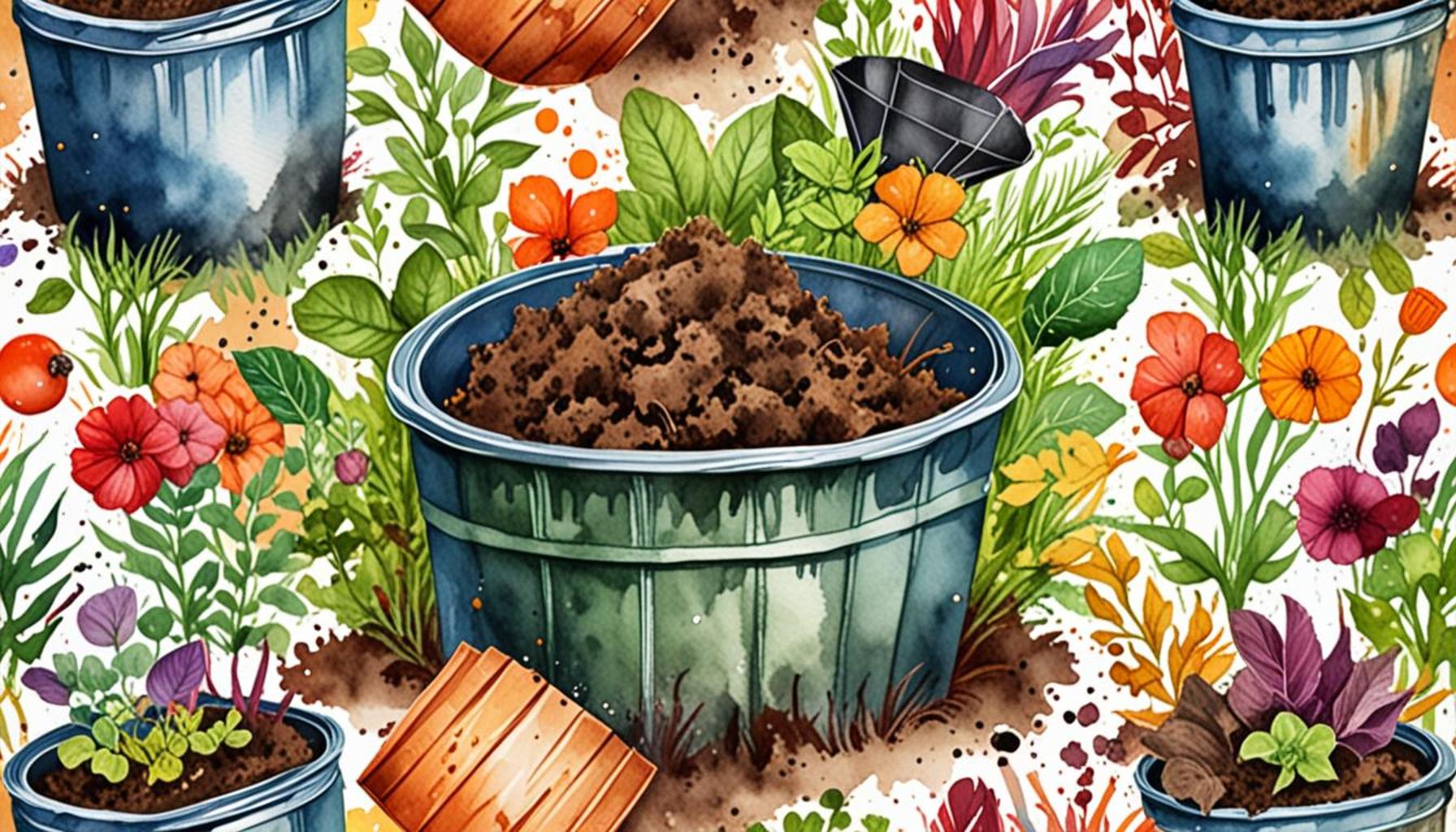
Composting, for instance, is an excellent way to recycle kitchen and garden waste into nutrient-rich humus, feeding your plants and reducing waste. Worm castings or vermiculture supply a potent boost of nutrients and beneficial microorganisms, improving plant health naturally.
- Composting: Transform kitchen scraps and yard waste into nutrient-rich compost to feed your garden and improve soil structure.
- Worm castings: Use worm composting to create a highly effective, nutrient-dense fertilizer.
- Natural minerals: Supplement your soil with natural minerals such as rock phosphate and greensand for balanced nutrition.
Employing organic fertilizers not only nurtures your plants but also fortifies the ecosystem, aligning your gardening practices with sustainable principles.
2. Practice Water Conservation
Water management is crucial for sustainable gardening. As water becomes an increasingly precious resource, gardeners must adopt conservation techniques to ensure a reliable supply for their plants while minimizing waste.
A simple yet effective strategy is to collect rainwater using barrels, which can then be used to irrigate your garden. Mulching is another technique that can help retain soil moisture and reduce evaporation, requiring less frequent watering.
- Rainwater collection: Install rain barrels to capture runoff from your roof. This water can be reused for irrigation, reducing dependency on municipal water sources.
- Mulching: Apply organic mulch to your garden beds to retain soil moisture and suppress weeds, thereby conserving water.
- Drip irrigation: Set up a drip irrigation system that delivers water directly to plant roots, minimizing evaporation and waste.
Effective water conservation methods not only save resources but also promote healthier plants, creating a more sustainable garden.
1. Embrace Permaculture Principles
At the heart of sustainable gardening is the concept of permaculture, a holistic design philosophy that focuses on creating self-sufficient ecosystems. Permaculture integrates land, resources, and people into a harmonious system that mimics the complexities found in nature.
Pioneered by Bill Mollison and David Holmgren in the 1970s, permaculture encompasses a wide range of practices, all aimed at maximizing efficiency and sustainability. It emphasizes using renewable resources, building soil health, and designing systems that require minimal external inputs.
- Zone planning: Organize your garden into zones based on how frequently you use and access resources. This can help you design a more efficient, functional garden layout.
- Stacking functions: Choose plants and systems that fulfill multiple roles, such as providing shade, producing food, and offering habitats for wildlife.
- Sustainable practices: Implement techniques like crop rotation to maintain soil health and maximize biodiversity.
By embracing permaculture, you cultivate a garden that is not only productive but also resilient and harmonious with the natural environment, encouraging a deeper connection with the earth.
| Category | Key Features |
|---|---|
| Soil Health | Incorporating organic matter and using natural amendments such as compost enriches the soil, fostering a diverse microbial community which is essential for plant health. |
| Water Conservation | Utilizing techniques like drip irrigation and rain barrels not only conserves water but also ensures that plants receive a steady supply while minimizing evaporation loss. |
| Companion Planting | Certain plants can benefit one another when grown together, enhancing growth and yield, while naturally deter pests, contributing to a balanced ecosystem in your garden. |
| Native Plants | Choosing native plants that are adapted to local conditions reduces the need for fertilizers and pesticides, encouraging biodiversity while attracting beneficial wildlife. |
In developing a sustainable garden, attention to soil health is paramount. Healthy soil is the foundation of a thriving garden ecosystem. It is rich in nutrients and teems with beneficial microorganisms that play a crucial role in plant growth. By integrating organic matter, like compost or well-rotted manure, into the soil, gardeners can improve its structure and fertility significantly. This practice not only supports plant life but also promotes a more resilient garden showing improved tolerance to pests and diseases.Moreover, water conservation strategies are essential for sustainability, especially in today’s climate where water scarcity is becoming increasingly prevalent. Gardeners can implement systems like drip irrigation, which delivers water directly to the plant roots, reducing waste and ensuring efficient moisture delivery. Additionally, rainwater harvesting through barrels can provide a free and eco-friendly water source, allowing gardens to flourish even during dry spells.The technique of companion planting deserves special mention as it harnesses the natural synergy between different plant species. For example, planting marigolds alongside vegetables can deter pests while promoting healthier growth among crops. This method not only maximizes space but also nurtures a more diverse and self-reliant garden, where plants support one another rather than compete.Lastly, incorporating native plants into the gardening mix is a pivotal element in creating a sustainable environment. These plants have adapted to the local climate and soil conditions, which reduces the need for supplemental watering, fertilizers, and pesticides. By attracting local wildlife and promoting biodiversity, native plants play a critical role in supporting the wider ecosystem, transforming gardens into havens for pollinators and other beneficial creatures.In summary, adopting these sustainable gardening techniques empowers beginners to cultivate flourishing gardens while nurturing the environment. Education on these practices further encourages deeper involvement in eco-friendly gardening, paving the way for a healthier planet.
Frequently Asked Questions About Cultivating a Sustainable Garden
How do I start a sustainable garden?
Starting a sustainable garden begins with planning. Select native plants that require less water and are well-suited to your local environment. Use natural fertilizers like compost, which enriches the soil and reduces chemical use. Implementing drip irrigation systems can also help conserve water. Did you know that native plants can save up to 90% of irrigation water compared to conventional lawns?
What are the benefits of using compost in my garden?
Compost acts as a natural pesticide and fertilizer, improving soil fertility and moisture retention. It reduces the need for chemical fertilizers, promoting a healthier ecosystem. Additionally, composting recycles kitchen and garden waste, diverting it from landfills. Studies show that compost can improve soil productivity by as much as 30%.
Can sustainable gardening help with local biodiversity?
Yes, sustainable gardening can significantly enhance local biodiversity. By planting a mix of native species, you create habitats for local wildlife, including pollinators like bees and butterflies. This helps maintain ecological balance and can boost pollination of food plants. In fact, introducing diverse flora can increase the number of beneficial insects by up to 20%.
What is the role of rainwater harvesting in sustainable gardening?
Rainwater harvesting involves collecting and storing rainwater for garden use, reducing dependency on municipal water sources and conserving this precious resource. A well-designed rainwater system can cut down on water bills and ensure that your garden remains nourished even during dry spells. Implementing rain barrels can save households up to 1,300 gallons of water during the growing season.
Conclusion: Cultivating a Sustainable Garden
Embarking on the journey of cultivating a sustainable garden can be both an enriching and rewarding experience, especially for beginners. Throughout this exploration, we have delved into the core principles of sustainability, encompassing techniques such as composting, water conservation, choosing native plants, and promoting biodiversity.
Firstly, composting emerged as a fundamental practice to reduce waste and enrich the soil with essential nutrients. It underscores the significance of recycling organic matter back into the earth, transforming kitchen scraps into valuable resources for plant growth. This practice not only benefits the garden but also contributes to reducing environmental waste.
Water conservation was another pivotal aspect discussed, emphasizing methods like rainwater harvesting and the use of drip irrigation systems. These techniques advocate for the efficient use of water resources, helping gardeners reduce their environmental footprint while ensuring their gardens thrive even during periods of drought.
Moreover, choosing native plants appeared as a vital strategy for establishing a resilient garden. Native species are inherently adapted to local climates and soils, requiring less maintenance and resisting pests more effectively. This choice enhances the garden’s sustainability while supporting local ecosystems.
Biodiversity further plays a crucial role in sustainable gardening. By incorporating a variety of plants and creating habitats for beneficial insects, a more balanced and healthy garden ecosystem is nurtured.
As we conclude, it’s essential for beginners to understand that sustainable gardening is not only about individual actions but also about contributing to a broader environmental effort. Embracing these sustainable practices can transform gardening into a profound creative hobby, offering both personal satisfaction and a positive impact on our planet. By applying these techniques, new gardeners can cultivate spaces that are as nurturing to the environment as they are to their gardeners, becoming stewards of the earth for generations to come.