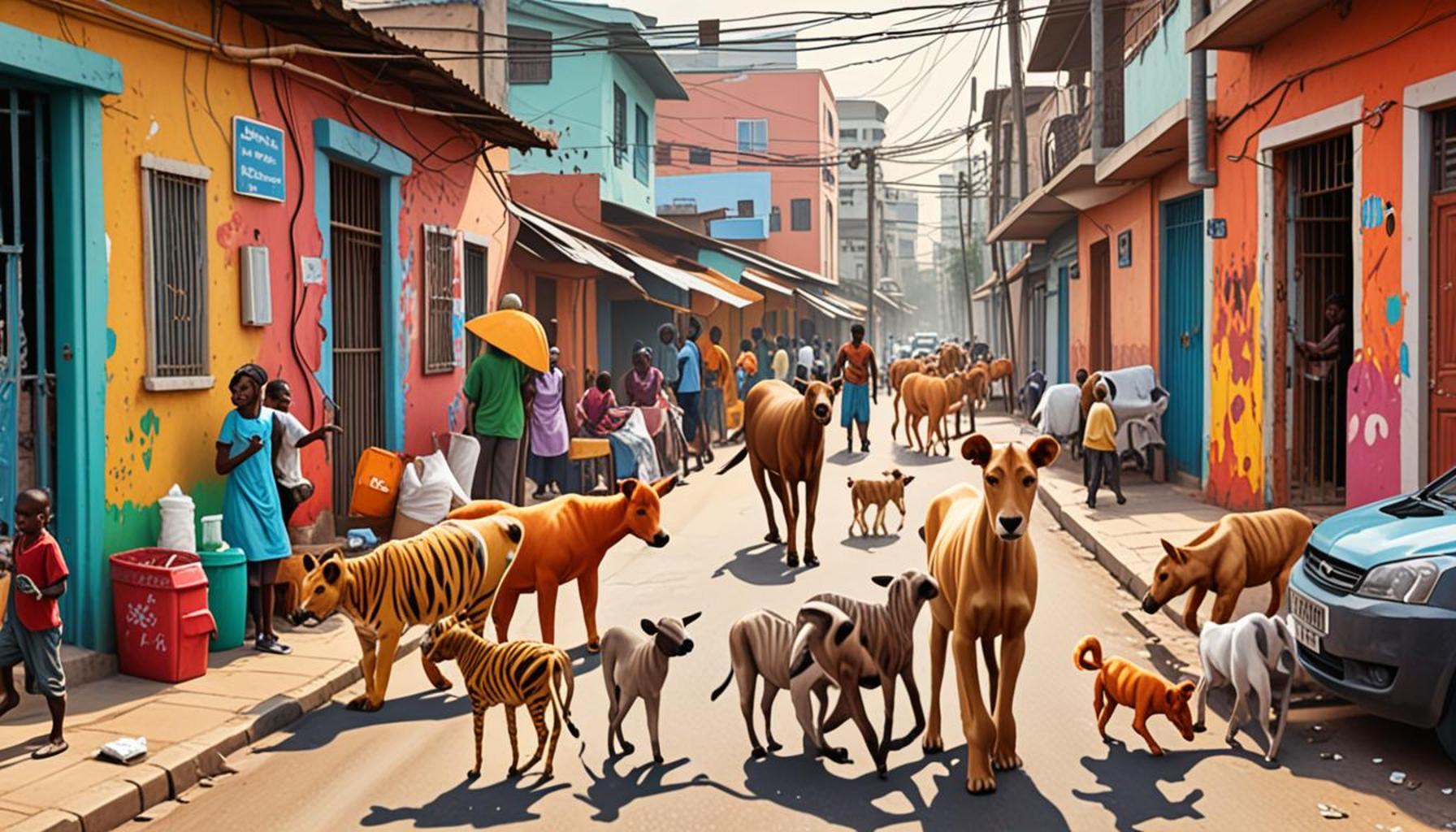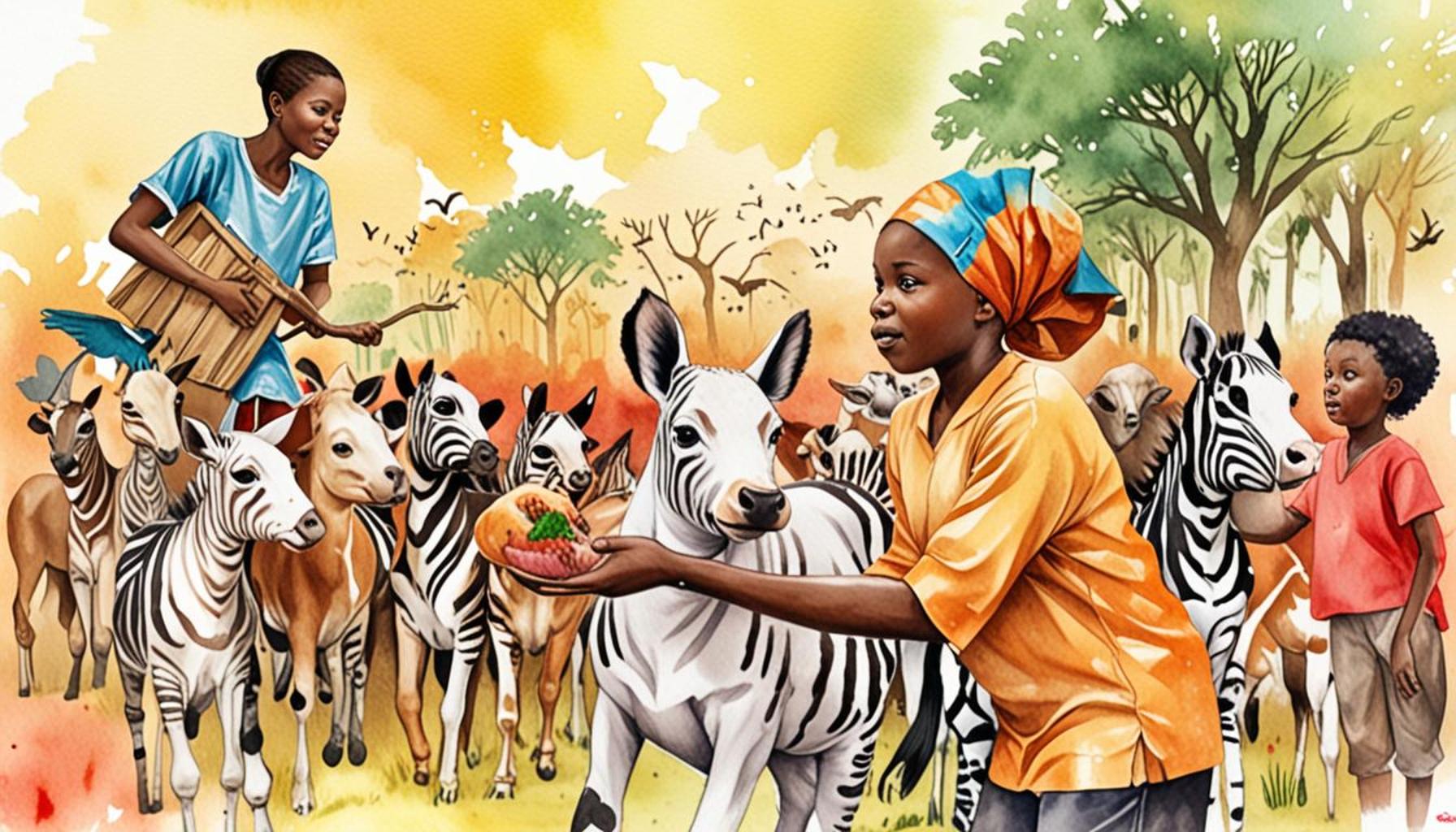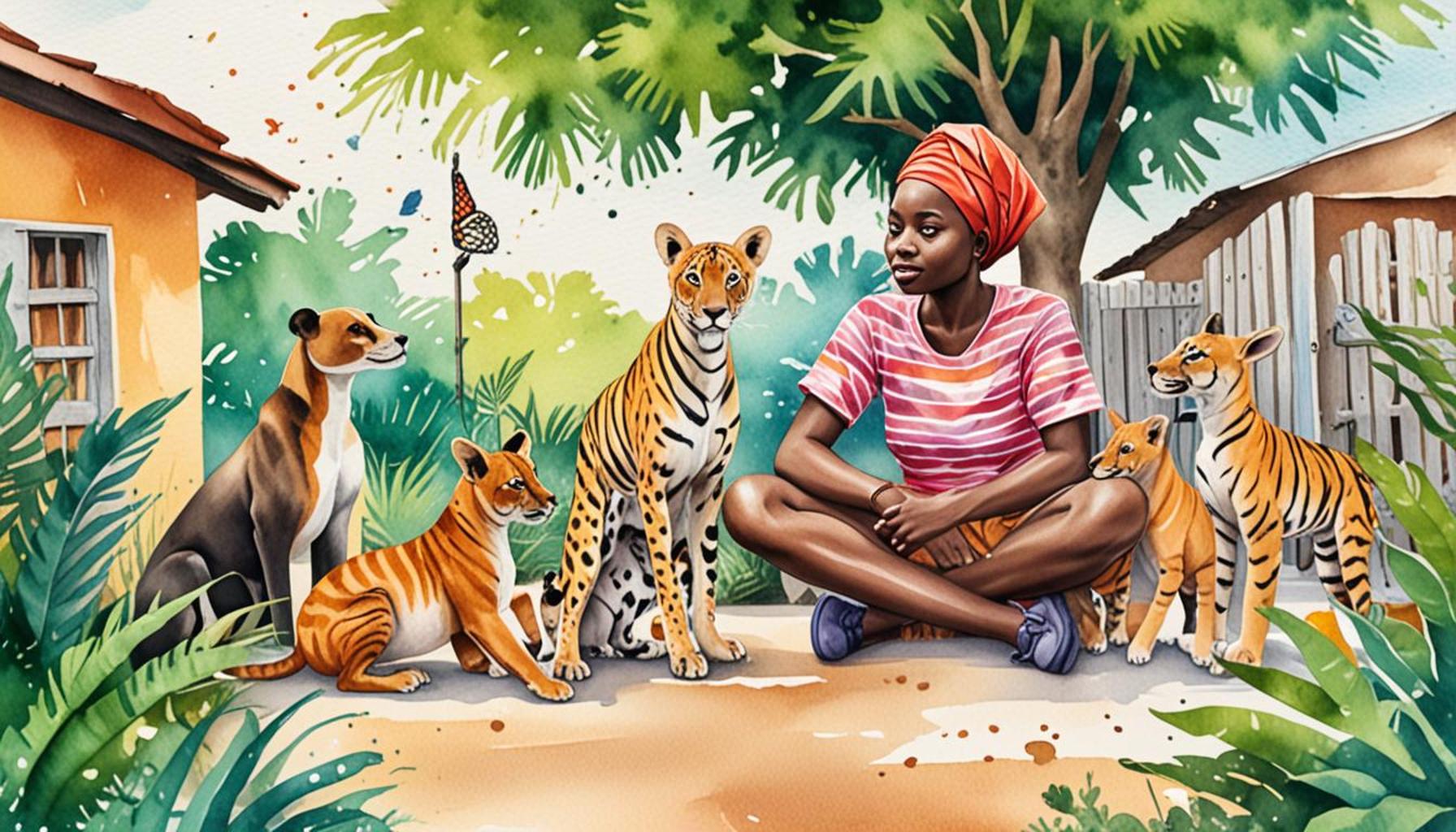
How to Engage Young People in the Adoption and Care of Pets in Nigeria
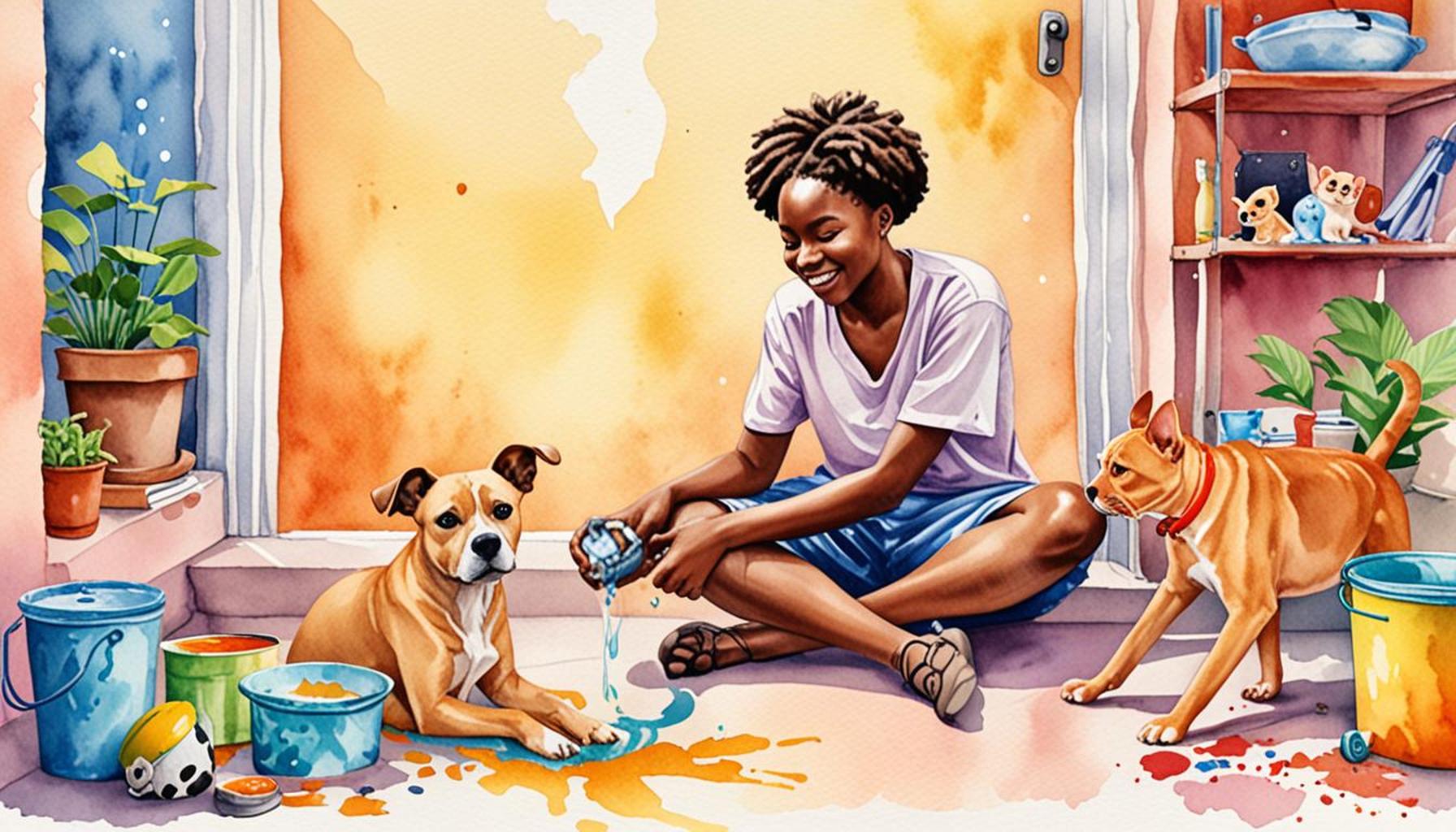
Understanding the Importance of Pet Adoption Among Nigerian Youth
Throughout history, the companionable relationship between humans and pets has been a source of joy and support. Yet, in Nigeria, this profound bond is not as vocalized, particularly among the youth. As the nation grapples with a *substantial demographic shift*, where over 62% of the population is under 25, there lies a tremendous opportunity to engage young individuals in the *adoption and care of pets*. This initiative is crucial not only for enhancing animal welfare but also for enriching the lives of both pets and their owners.
Exploring the multifaceted benefits of pet ownership can serve as a compelling incentive for young Nigerians to consider adopting pets. The advantages go beyond mere companionship:
- Emotional Support: Pets offer unconditional love and can significantly alleviate feelings of stress and anxiety. For example, many university students report feeling *less overwhelmed* during exams when they spend time with their pets.
- Responsibility: Caring for a pet fosters key life skills, such as empathy and accountability. Young people learn to prioritize and tend to the needs of their furry companions, which translates to greater responsibility in other areas of life, including academics and career.
- Community Impact: By engaging with pet care initiatives, youths can help build a sense of community spirit and social responsibility. Local adoption drives can create a network of support, encouraging collaboration among neighbors and youths to care for abandoned animals.
Despite these benefits, apathy around pet adoption remains prevalent among many young Nigerians. To tackle this issue, we must employ engaging strategies that resonate with the values and lifestyles of the youth:
- Utilizing Social Media: Platforms like *Instagram* and *TikTok* are powerful tools for sharing compelling adoption stories. By leveraging trending hashtags, engaging videos, and vivid images, advocates can reach a broader audience and inspire young individuals to consider pet ownership.
- Hosting Events: Organizing community outreach events, such as *adoption fairs* and *pet care workshops*, can effectively raise awareness about the importance of adopting pets. Fun activities like “*Pet Walks*” can attract participants and generate excitement around pet care.
- Educational Workshops: Offering workshops in schools and community centers can provide valuable information about responsible pet ownership. Such programs can address topics ranging from healthcare and nutrition to behavioral training.
Implementing these innovative strategies not only aims to boost pet adoption rates but also to instill a sense of love and duty towards animals in the next generation. By motivating the youth to take action, we can pave the way for a more compassionate future, fostering *strong bonds* between pets and their new owners throughout Nigeria.
Strategies to Captivate the Young Mind: Engaging Youth in Pet Adoption
In a rapidly changing world, engaging young people in the adoption and care of pets in Nigeria requires innovative and relatable approaches. The benefits of pet ownership are plentiful, yet capturing the interest of the youth—who are increasingly influenced by digital trends and societal shifts—calls for tailored strategies that resonate with their lifestyle and values. As we dig deeper into effective ways to engage this demographic, it’s essential to understand how to align these strategies with their everyday experiences.

One of the most impactful methods is to harness the power of social media. With a staggering number of young Nigerians spending a significant portion of their day online, platforms like Instagram, Facebook, and TikTok can be instrumental in spreading awareness. It is vital to craft engaging content that tells compelling adoption stories, shows the joys of pet ownership, and highlights the positive impact pets can have in a person’s life. Sharing videos of adopted pets finding their forever homes or showcasing the bond between owners and their companions can stir emotions and inspire others to follow suit.
Furthermore, hosting community events is a proactive step that can ignite interest in pet adoption. Activities like adoption fairs not only provide direct opportunities for young people to meet pets in need of homes but also create an atmosphere of fun and excitement. Incorporating elements like live music, food, and interactive pet games can attract more participants, making the experience not just informational but also enjoyable. Additionally, organizing “Pet Walks” fosters community spirit, encouraging groups of youths to come together in a shared mission of animal welfare.
A vital part of the strategy involves educational workshops focused on responsible pet ownership. Implementing programs in schools and community centers that cover essentials like pet healthcare, nutrition, and behavioral training creates a foundation of knowledge that young individuals can rely on. These workshops can be particularly effective in dispelling myths related to pet ownership, such as the misconception that dogs or cats require extensive financial resources and time commitments. Providing accurate information can empower youth to make informed decisions about adopting and caring for their future pets.
Another insightful angle is to collaborate with local influencers and celebrities who resonate with young audiences. By leveraging their platforms, these figures can advocate for pet adoption, share personal stories of their own pet journeys, and help normalize the conversation around caring for animals. Youths often admire such role models, and their endorsements can lead to increased interest in pet ownership and a commitment to animal welfare.
Engaging young people in the adoption and care of pets in Nigeria is not merely about increasing numbers; it’s an opportunity for growth, connection, and shared responsibility. By implementing these vibrant strategies, Nigeria can foster a new generation that recognizes the profound impact pets can have in both individual lives and communities at large.
| Engagement Strategy | Benefits |
|---|---|
| Social Media Campaigns | Creates awareness and fosters community involvement. |
| Educational Workshops | Equips youth with knowledge about responsible pet care. |
| Volunteer Programs | Encourages hands-on experience and investment in pet adoption. |
| Pet Adoption Events | Promotes direct interaction with animals, enhancing emotional connections. |
Young people in Nigeria are increasingly becoming the driving force behind initiatives that promote the adoption and care of pets. To effectively engage this demographic, innovative strategies must be employed. Firstly, leveraging social media campaigns can dramatically amplify outreach efforts, creating not just awareness, but also a sense of community among young pet lovers. Platforms like Instagram and TikTok can showcase compelling stories of pet adoption, motivating others to join in the cause.Furthermore, implementing educational workshops that focus on the responsibilities of pet care can foster a generation that values animal well-being. Topics such as pet health, training, and nutrition are essential to prepare young adopters for the lifelong commitment they are undertaking. Integrating volunteer programs allows young people to engage on a deeper level by offering them hands-on experience in caring for animals in shelters. This involvement can create a significant emotional bond that leads to more adoptions. Additionally, organizing pet adoption events enables direct interaction between youths and the animals, fostering lasting emotional connections and inspiring a genuine interest in pet care, thus advancing the goal of increasing pet adoption rates in Nigeria.
Fostering a Culture of Responsibility and Community through Pet Ownership
To effectively engage young people in the adoption and care of pets in Nigeria, it’s essential to instill a sense of responsibility and community belonging. Encouraging youth to see pet adoption not just as a personal choice but as a communal endeavor can enhance their motivation and commitment. This approach can be bolstered by initiatives that connect pet owners with local shelters and animal welfare organizations, fostering a network of shared experiences and support.
A pivotal step in this direction is the establishment of mentorship programs that pair experienced pet owners with new adopters. This allows seasoned pet enthusiasts to share insights on pet care and the emotional rewards of animal companionship. By cultivating a supportive community, young people can feel less overwhelmed and more excited about the prospect of pet ownership. Regular meet-ups or ‘pet parent’ hangouts can provide an opportunity for these mentorship interactions to flourish, truly embodying the idea that caring for pets is a collaborative effort.
Moreover, launching awareness campaigns dedicated to the benefits of pet ownership can play a critical role in capturing the attention of the youth demographic. Utilizing platforms like community radio and regional television channels can help reach young audiences in various settings. Educational segments can spotlight success stories of young Nigerians who have positively transformed their lives through pet adoption, thereby instigating hope and enthusiasm. Featuring various pet adoption organizations and showcasing their efforts can also illuminate the pathways available for young people wishing to adopt pets.
In addition to outreach initiatives, incentivizing pet adoption can create a buzz among the youth. Offering discounts on pet supplies, veterinary services, or even adoption fees can encourage more young people to consider bringing a pet into their lives. Collaborations with local businesses to provide these perks could simultaneously promote regional enterprises while fostering a culture of pet ownership. Young Nigerian entrepreneurs can even brainstorm and develop pet-related businesses, facilitating a mutual benefit for the community and individuals.
Utilizing gamification techniques can also create engagement; many young people are motivated by challenges and achievements. Initiatives like “Pet Adoption Challenges” where participants document their pet care journey—complete with photos and stories shared on social media—can nurture a sense of accomplishment and competition that attracts the youth’s attention. This could even escalate to community-wide competitions where pet owners could win prizes for the best pet transformation stories or pet care innovations.
Furthermore, addressing the cultural perceptions surrounding pets is fundamental. In many Nigerian communities, cats and dogs are often viewed strictly as working animals or means of security rather than companions. Introducing localized educational initiatives that focus on the emotional and psychological benefits pets bring can challenge these stereotypes. For instance, spotlighting the mental health advantages and companionship aspect of pet ownership may resonate well with young individuals who are increasingly acknowledging mental wellness as paramount.
By shifting the narrative around pet ownership and integrating it into a broader culture of responsibility and community service, Nigeria can inspire young people to embrace the joy of adopting and caring for pets. From mentorship to gamified challenges, these strategies can collectively elevate awareness and participation, paving the way for a brighter future for both pets and the youth who care for them.
Conclusion: Building a Sustainable Future for Pet Adoption in Nigeria
Engaging young people in the adoption and care of pets in Nigeria is not merely an individual endeavor but a community movement that hinges on fostering responsibility, involvement, and cultural change. By integrating mentorship programs, community-driven initiatives, and gamification techniques, stakeholders can create an environment that celebrates pet ownership as a valuable part of life. It is crucial that these efforts extend beyond mere education; they must actively involve the youth in shaping the narrative around pets as companions, rather than just animals of utility.
Furthermore, awareness campaigns highlighting the psychological benefits of pet ownership can play an essential role in shifting perceptions. Featuring relatable success stories from local youth can reinforce the message that adopting a pet is a pathway to personal growth and communal bonding. To stimulate further engagement, local businesses can partner with shelters to provide tangible benefits for young adopters, thereby merging economic incentives with social responsibility.
As Nigeria continues to evolve, capitalizing on the power of social media and community engagement can create a culture that embraces the joys and responsibilities of pet ownership. Each adoption story not only changes the life of a pet but also enriches the adopting individual’s experience. In combining education, culture, and community support, Nigeria can lay the groundwork for a brighter and more empathetic future for both its young citizens and the cherished pets they care for. Ultimately, embracing this collaborative approach can lead to transformative outcomes that resonate throughout society, encouraging not only pet ownership but also a deeper sense of community cohesion.