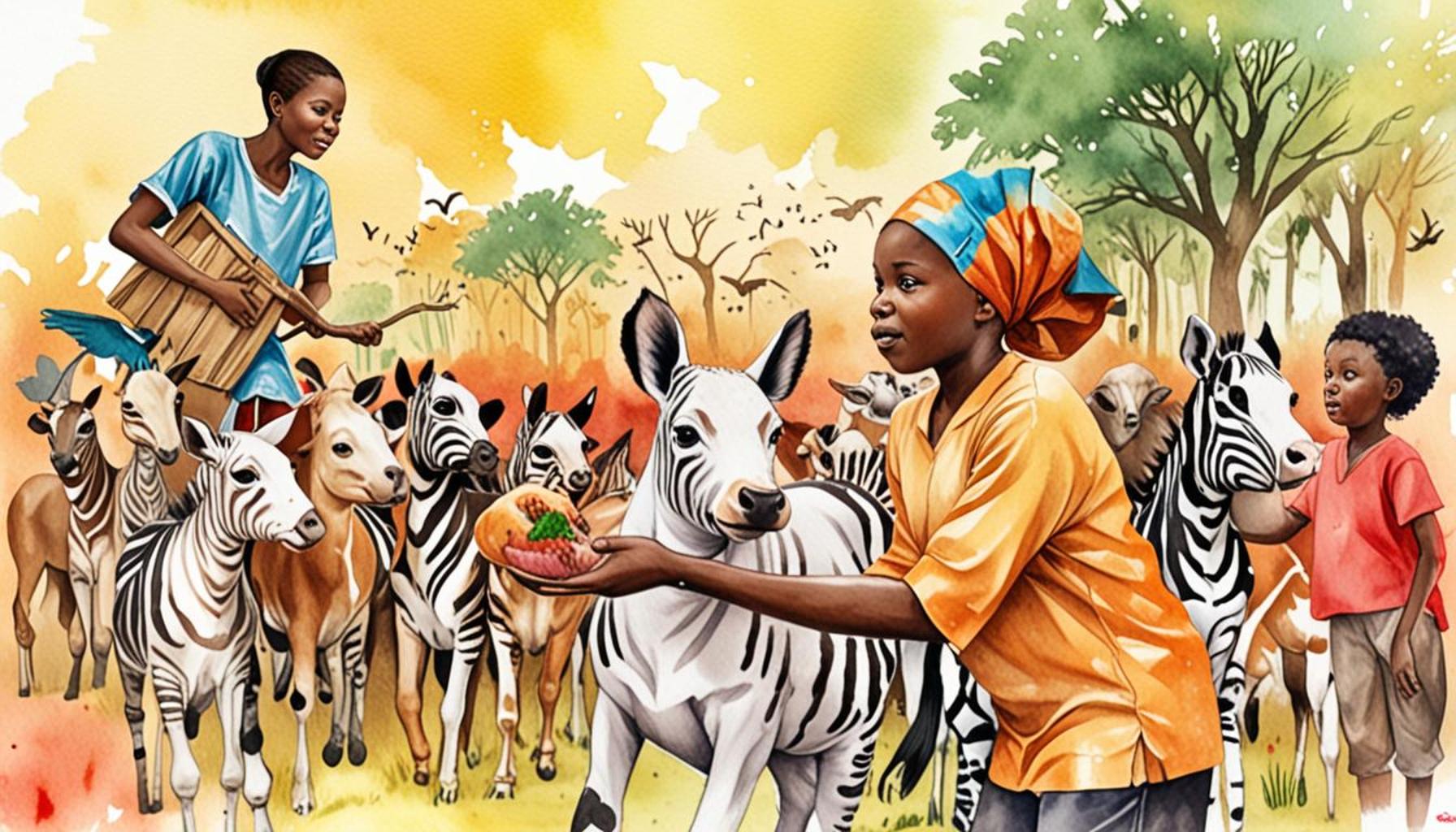
How Animal Adoption Can Contribute to Sustainability and the Environment in Nigeria
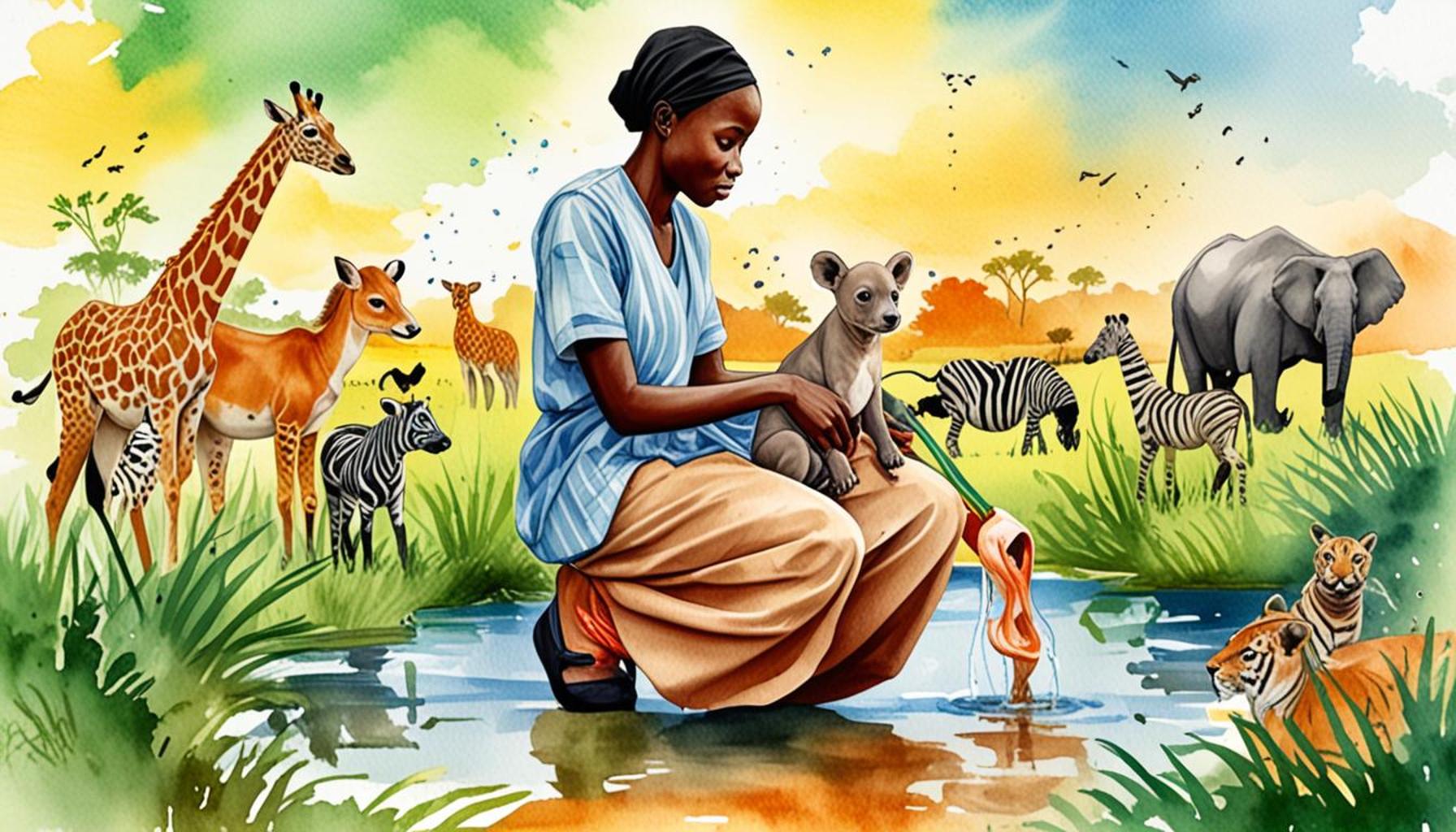
The Importance of Animal Adoption in Nigeria
In the vibrant landscape of Nigeria, where wildlife coexists with bustling urban life, the issue of animal homelessness is a significant concern. With limited resources and overwhelmed shelters, the adoption of pets emerges as a critical solution not only for addressing the plight of stray animals but also for fostering sustainability in our communities. Each adoption represents a commitment to nurturing life and a step towards a healthier ecological footprint.
Reduction of Stray Populations
One of the most significant impacts of adopting pets is the reduction of stray populations. When individuals choose to adopt rather than shop for pets, they directly contribute to decreasing the number of animals left to roam the streets. For instance, a study conducted in urban centers like Lagos revealed that communities with higher rates of pet adoption generally reported fewer incidents of stray animals, leading to a cleaner environment. With less waste generated by roaming animals and fewer health hazards associated with stray populations, the overall quality of life within these neighborhoods improves.
Conservation Awareness
Adoption also plays a pivotal role in raising conservation awareness. When more people adopt pets, they often become invested in understanding and protecting wildlife and natural habitats. Many adoption events in Nigeria, such as those organized by groups like Animal Rights Advocates and local shelters, not only promote pet adoption but also include educational components about local wildlife conservation efforts. By participating in these programs, individuals learn about the importance of biodiversity and the delicate ecosystems unique to Nigeria, fostering a culture of stewardship over the natural environment.
Sustainable Choices
Furthermore, many animal shelters across Nigeria are embracing sustainable choices in their operations. From using recycled materials in shelter facilities to encouraging adopters to choose eco-friendly products for their pets, these organizations align with the growing global movement towards sustainable living. For example, shelters often provide guidance on selecting biodegradable pet waste bags or sustainable pet food options. By promoting eco-conscious practices, they empower pet owners to make choices that benefit not only their animals but the larger environment.
Additionally, the emotional and psychological benefits of adopting animals are profound. The companionship offered by pets fosters a sense of community and responsibility among owners, encouraging them to engage more mindfully with their surroundings. As communities grow closer through the shared experience of caring for adopted pets, they cultivate a deeper sense of duty towards environmental preservation, creating a ripple effect that fosters ecological balance.

As animal adoption gains traction in Nigeria, it beckons individuals to join a vital movement toward a sustainable future. With thriving local shelters and organizations dedicated to rescuing and rehabilitating animals, the opportunity to become part of this change is both accessible and rewarding. Engaging with these efforts not only saves lives but also champions a healthier planet for future generations.
The Impact of Animal Adoption on Local Communities
As communities in Nigeria grapple with environmental challenges, animal adoption emerges as a unique and impactful solution that extends beyond the rescue of individual pets. It serves as a catalyst for environmental awareness and sustainable practices, connecting local residents with larger ecological issues. By facilitating a deeper understanding of the interdependence between humans and animals, adoption initiatives pave the way for sustainable community development.
Enhancing Community Engagement
Animal adoption encourages community engagement that fosters solidarity and participation in environmental initiatives. When residents come together to adopt animals from local shelters, they invariably share knowledge about the importance of responsible pet ownership and conservation. Community events, such as adoption drives, often feature discussions on topics like waste management and clean-up campaigns, promoting a culture of civic responsibility.
Quote captured during a community outreach program: “When you adopt a pet, you’re not just saving a life; you’re investing in the wellbeing of your entire community,” says Abimbola, an animal welfare advocate. This sentiment resonates throughout communities, driving collective action towards sustainability.
Promoting Green Practices
Adoptive pet owners are increasingly becoming advocates for green practices that reduce their environmental footprints. Many shelters provide invaluable resources and workshops on how to integrate sustainability into pet care, leading to choices that benefit both the animal and the planet. Simple but effective actions include:
- Utilizing compostable pet waste bags to minimize landfill waste.
- Choosing locally sourced, sustainable pet food to reduce carbon emissions associated with transportation.
- Encouraging spaying and neutering to control stray populations and promote healthier pet ownership.
By making well-informed decisions about pet care, individuals become agents of change, inspiring others to follow suit and contributing to a broader movement towards sustainability in Nigeria.
Supporting Local Economies
The rise of animal adoption in Nigeria also supports local economies through the creation of jobs and opportunities within animal welfare organizations and shelters. As more people recognize the benefits of adopting rather than purchasing pets, shelters experience increased foot traffic, leading to greater community involvement and financial support. This influx can help foster:
- Job creation for veterinarians, trainers, and shelter staff.
- Funding for educational programs that teach the importance of animal welfare and environmental stewardship.
- Local business growth as pet owners seek products and services that align with eco-friendly practices.
As the movement towards animal adoption continues to gain momentum across Nigeria, it reinforces a comprehensive approach to sustainability. Each action taken to adopt and care for animals not only saves lives but enriches communities, promotes environmental awareness, and strengthens local economies. The ripple effect of these choices creates a more resilient society that closely aligns with the principles of sustainability and conservation.
| Advantage | Impact on Sustainability |
|---|---|
| Reducing Overpopulation | Adopting pets from shelters helps control the population of stray animals, thereby reducing the strain on local ecosystems. |
| Conserving Resources | Animal adoption lessens the need for breeding facilities, which often consume large amounts of resources and contribute to environmental degradation. |
| Community Awareness | Promoting adoption fosters a community spirit around sustainability, encouraging locals to take part in eco-friendly practices. |
Adopting animals not only provides them with loving homes but also plays a critical role in bolstering environmental health and sustainability in Nigeria. By reducing overpopulation, each adoption contributes to easing the burden of stray animals on the environment, allowing local ecosystems to thrive. Moreover, the act of adopting pets conserves valuable resources that breeding operations typically consume, thus protecting the environment.As adoption initiatives become more widespread, they also enhance community awareness about the importance of sustainable practices. Individuals who commit to adopting animals are often more likely to engage in various eco-friendly efforts, creating a ripple effect of consciousness surrounding conservation and sustainability that can permeate the entire community. By fostering this kind of social engagement, animal adoption can significantly contribute to a healthier, more sustainable Nigeria.
Fostering Education and Awareness
Animal adoption not only brings joy to families but also serves as a crucial platform for education and awareness regarding ecological conservation. As shelters and organizations work to find loving homes for animals, they often engage in outreach initiatives aimed at enlightening the public on pressing environmental issues. Through workshops and campaigns, adopted pet owners gain insights into the importance of biodiversity, ecosystem preservation, and the ramifications of habitat destruction.
Engaging the Youth
Young people in Nigeria are particularly responsive to messages about sustainability when they connect those ideas with animal welfare. Schools and community groups can utilize animal adoption events to galvanize students into action, turning them into passionate advocates for responsible pet ownership and environmental stewardship. For example, initiatives like “Adopt a Classroom Pet” enable children to learn about animal care while also understanding the environmental impacts of neglect and overpopulation.
Program Director Jessica Nwankwo emphasizes the link between youth engagement and impactful change: “When children see their classmates adopting pets, they not only learn empathy but also about the broader implications of our choices on the environment. They become ambassadors for the planet.” This potential for growth in environmental consciousness creates a new generation equipped with the knowledge and drive to protect Nigeria’s precious ecosystems.
Empowering Local Organizations
The synergy generated from animal adoption can bolster local organizations dedicated to sustainability, providing them with the resources they need to thrive. Non-profit shelters and animal rescue groups often rely on adoptions to fund various environmental initiatives, from tree planting campaigns to wildlife rehabilitation programs. In this way, every pet adopted becomes a small but significant contributor to the greater fight for ecological balance.
Local organizations such as the Nigerian Society for the Prevention of Cruelty to Animals (NSPCA) often collaborate with environmental groups, creating joint programs that target both animal welfare and ecological issues. Such partnerships amplify their voices and heighten their influence, enabling community members to become more involved in both animal rescue missions and sustainable development projects.
Reducing Overpopulation and Its Environmental Impact
One of the most pressing problems plaguing urban areas in Nigeria is overpopulation of stray animals, which poses significant risks to both public health and the environment. By promoting animal adoption, shelters can combat this issue effectively. Each dog or cat adopted reduces the number of animals that may otherwise contribute to unregulated breeding, food scarcity, and competition for resources, thereby partially alleviating the strain on local ecosystems.
Additionally, adopting pets rather than purchasing them can steer communities away from supporting unethical breeding practices and puppy mills, which can cause detrimental impacts on animal welfare and local habitats. Every adoption represents a commitment to responsible ownership and a step towards mitigating an overpopulation crisis that poses serious environmental challenges.
In summary, the process of adopting animals in Nigeria expands far beyond the personal satisfaction of providing a home. It instills a sense of duty towards sustainability, fosters educational initiatives, and galvanizes community support for local economies and ecosystems. By recognizing the interconnectedness of animal welfare and environmental issues, Nigerian communities can cultivate a greener, more sustainable future for all.
Conclusion: A Pathway to a Sustainable Future
In the quest for a more sustainable and environmentally conscious Nigeria, animal adoption stands out as a multifaceted solution that extends well beyond simply finding homes for pets. As explored throughout this article, adopting animals fosters not only ethical treatment towards these creatures but also reinforces the imperative of environmental stewardship. By participating in animal adoption, communities actively combat the rising challenge of stray overpopulation, which has environmental ramifications including resource depletion and ecosystem imbalance.
Moreover, animal adoption empowers local organizations to implement vital sustainability initiatives. These shelters and rescue groups become beacons of education, inspiring individuals—especially the youth—to engage in responsible pet ownership while cultivating an ethos of environmental responsibility. As Nigeria’s younger generations learn the significance of ecological balance through their roles as pet guardians, they develop into informed advocates for the planet.
Ultimately, recognizing the deep interconnection between animal welfare and environmental health positions animal adoption as a compelling catalyst for change. Individuals, families, and communities across Nigeria can play instrumental roles in fostering a greener, more sustainable future. By choosing to adopt rather than shop, Nigerians are not just giving a second chance to an animal in need; they are also making a profound commitment to ecological preservation and community wellbeing. The future of our environment may very well hinge on the choices we make today—together, let’s choose to adopt.