Exploring Nigerian Street Art A Protest and Identity Canvas
Introduction
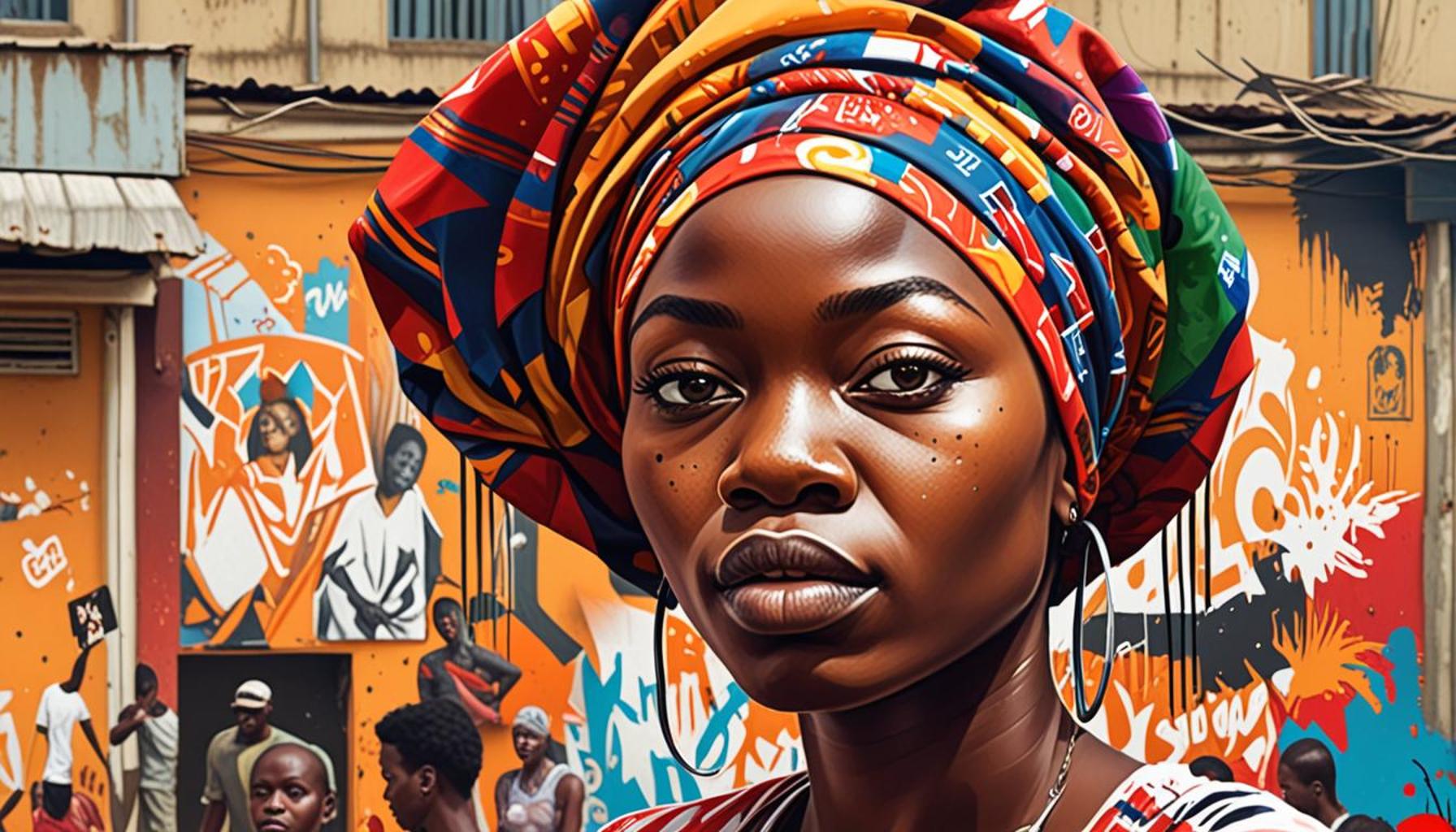
In recent years, the vibrant world of street art has emerged as a powerful medium for self-expression and social commentary, especially in the urban landscapes of Nigeria. As cities grow and evolve, this art form has become a canvas of protest, eloquently voicing the frustrations and aspirations of the communities it represents. Street artists are not only creating visually stunning works; they are also reinterpreting narratives around identity, culture, and resistance.
The relevance of street art within the realm of creative hobbies lies in its accessibility and dynamic nature. Here are several key points that underscore its importance:
- It provides a platform for marginalized voices.
- Encourages community engagement and dialogue.
- Reveals the rich cultural tapestry of Nigerian cities.
As we delve deeper into this captivating topic, we will explore the top five examples of impactful street art in Nigeria that serve as both protest and celebration of identity. Each piece not only whispers stories of struggle but also boldly calls for change, encouraging viewers to reflect on their own perceptions and understandings.
Top 5: Exploring Street Art in Nigeria’s Cities as a Form of Protest and Identity
Nigeria’s street art scene is a vibrant tapestry woven from the rich diversity of its cultures, histories, and contemporary issues. In the dynamic cityscapes, artists transform walls into canvases, breathing life into gray concrete with bursts of color and narrative. This article explores the top 5 ways in which street art in Nigeria embodies both protest and identity, delving into the layers of meaning that these incredible artworks offer.
5. The Rise of Urban Artists
In recent decades, Nigeria has witnessed a profound transformation in its street art scene, fueled by the emergence of urban artists who are redefining art in public spaces. These artists skillfully merge traditional art forms with modern expressions, creating a unique dialogue that speaks to both past and present. In a country where oral tradition plays a significant role, street art serves as a visual extension of storytelling.
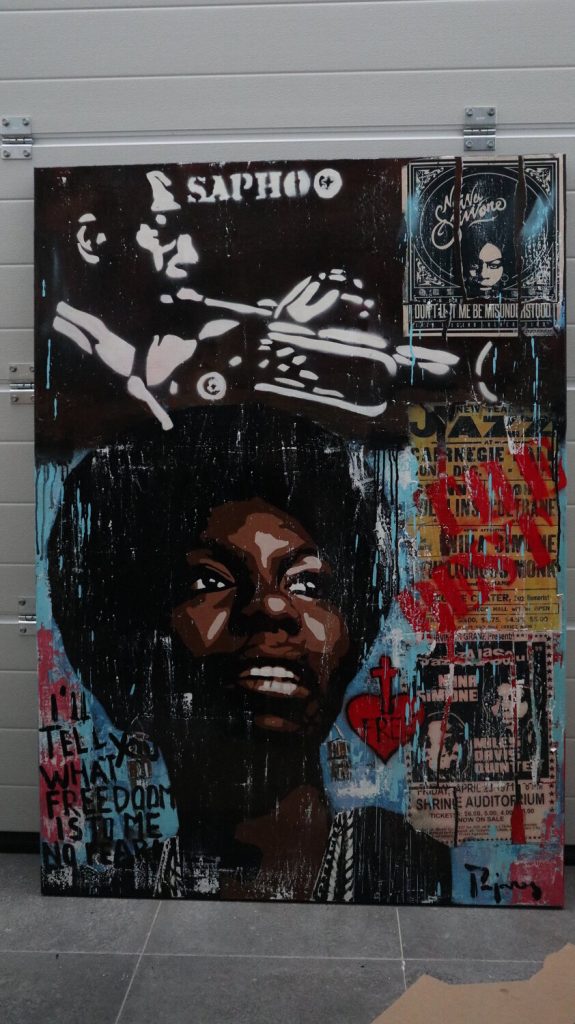
Emerging from various local communities, these artists draw inspiration from bustling markets, historical sites, and the rhythmic beats of everyday life. They use their medium to address issues of social justice, identity, and resistance, thus asserting their cultural pride in a land rich with diverse influences. By challenging colonial-era narratives and contemporary societal norms, these artists create a vibrant discourse through their work.
Important Figures in Urban Art
Numerous artists have made significant contributions to this movement:
- Osa Seven – Renowned for his large-scale murals that often span entire buildings, Osa captures the pulse of urban life in Lagos through bold colors and intricate details.
- Mr. Jago – His work is a vivid fusion of local imagery and international street art styles, bridging cultural divides with every spray and stroke.
- BRODA WURA – Dedicated to addressing socio-political issues, BRODA WURA’s graffiti serves as a clarion call for change, often spotlighting themes of corruption and inequality.
This burgeoning community contributes significantly to the enrichment of Nigeria’s cultural landscape, reviving neglected spaces into vibrant artistic expressions that speak volumes without uttering a word.
4. Graffiti as Political Commentary
Graffiti, often perceived as rebellious art, is an essential medium for Nigerian artists to voice political dissent. Through vivid and eye-catching designs, many artists lay bare the issues plaguing society such as corruption, police brutality, and human rights violations. These visual pieces serve as open letters to the government and society, urging citizens to recognize and address their shared realities.
The rise of graffiti as protest art cannot be overstated. In an environment where traditional forms of protest might be suppressed or ignored, the walls become an unfiltered platform for critique and expression, encouraging public debate on matters that impact daily life.
Noteworthy Initiatives
Events such as the Lagos Street Art Festival have played pivotal roles in promoting graffiti as a vehicle for protest and change. At these festivals, artists from across Nigeria and international visitors come together to create murals with profound political messages, sparking dialogues and mobilizing communities to demand accountability and change.
3. Connecting with Local Identity
The interplay between Nigeria’s rich cultural heritage and contemporary street art enriches the narrative of local identity. By weaving cultural symbols into their work, artists celebrate their heritage while addressing present-day challenges. This artistic expression becomes a testament to resilience and the enduring spirit of the Nigerian people.
Cultural Symbols in Artworks
These symbolic elements serve as bridges linking past and present:
- Adire Patterns – These traditional dyeing techniques are repurposed in murals, paying homage to Nigeria’s textile legacy while implying a sense of continuity and adaptation.
- Masquerade Characters – Often seen in street art, these figures embody spirituality and the rich tapestry of traditional Nigerian celebrations.
- Folktales – Drawing from the rich oral tradition, artists embed these narratives into their work to convey ancestral wisdom and community values.
The fusion of ancestral lore with contemporary issues creates a resonant tapestry that captivates local and international audiences alike.
2. Community Engagement and Collaboration
Community involvement stands as a cornerstone of Nigeria’s street art ecosystem. Art projects that blend local insights and creative visions foster neighborhood pride and ownership over the artwork that embellishes their environment.
Successful Community Projects
A striking example of such collaboration is the Yaba Mural Project in Lagos. In this initiative, artists joined forces with residents to rejuvenate dilapidated structures with art, transforming them into sources of inspiration and community cohesion. This project not only beautified the area but also gave locals a direct voice in their environment’s revitalization.
1. A Catalyst for Social Change
At the heart of Nigeria’s dynamic street art scene lies its role as a catalyst for social change. By addressing pressing social issues and championing marginalized voices, street art transforms urban spaces into arenas for open dialogue and activism.
Nigerian artists employ their talents to shed light on societal disparities and injustices, empowering communities to take action and engage in conversations that might otherwise be suppressed. The visibility offered by street art ensures these voices resonate far beyond Nigeria’s borders.
Global Relevance
The impact of Nigerian street art extends globally, capturing the attention of worldwide audiences and artistic communities. By showcasing resilience and creativity, Nigerian artists illustrate the power of art as a tool for advocacy and change, inspiring communities facing similar global challenges.
Through its colorful commentary and cultural richness, Nigerian street art stands as a testament to the nation’s unyielding spirit and the transformative potential of art. In conclusion, this vibrant art form not only reflects the complexities of Nigerian identity but also serves as a powerful instrument for social change, inspiring individuals both locally and globally to envision a better future.
| Category | Details |
|---|---|
| Political Expression | Street art serves as a powerful medium for conveying political messages, allowing artists to voice their dissent against social injustices and government actions. |
| Cultural Identity | Artists often draw from local traditions and history to create works that highlight the rich cultural diversity of Nigeria, bridging past and present. |
| Community Engagement | Street art fosters a sense of community involvement, bringing individuals together in the creative process and prompting dialogue about local issues. |
| Global Awareness | The emergence of Nigerian street art on social media platforms introduces the world to local narratives and struggles, making global audiences more aware of the situation in Nigeria. |
The streets of Nigerian cities are alive with color and meaning, as artists transform urban landscapes into canvases of expression and commentary. Each mural or graffiti piece not only beautifies the environment but also raises awareness about pressing social issues. For instance, in regions where economic disparity is stark, street art boldly addresses these inequalities, challenging both the local populace and international observers to reflect on the underlying messages. Furthermore, the narratives woven into these artworks frequently reflect the collective memory of communities, resonating with those familiar with the historical context depicted. This cultural reclamation acts as both a form of resistance and a celebration of identity, empowering artists to claim public space for personal and communal stories.As the global art scene increasingly values street art, Nigerian artists are gaining recognition, enabling them to contribute to a wider discourse. Their voices, often silenced in traditional media, are now amplified through this vibrant medium, challenging both local politicians and foreign observers to acknowledge the realities faced by Nigerians. This dialogue, sparked by colorful displays on walls, not only captivates local audiences but also invites international attention, providing an opportunity for cultural exchange and deeper understanding of Nigeria’s unique socio-political landscape. Ultimately, street art in Nigeria transcends mere aesthetics; it encapsulates a movement—one that advocates for justice, showcases cultural pride, engages communities, and cultivates global dialogue. Each brush stroke and spray can mark a moment in history and inspire generations to come, ensuring that the rich tapestry of the Nigerian experience is woven into the fabric of contemporary art.
Frequently Asked Questions About Nigerian Street Art as Protest and Identity
What role does street art play in the protest movements in Nigerian cities?
Street art in Nigerian cities has become a potent tool for expression, offering a visual narrative that is both provocative and accessible. Artists use public spaces as canvases to voice social and political concerns, aiming to ignite discourse and push for change. The murals and graffiti often reflect current socio-political issues and are a means to critique power structures, bringing attention to marginalized voices.
How does street art in Nigeria contribute to cultural identity?
Nigerian street art is deeply intertwined with cultural identity, reflecting the diversity and resilience of its people. Artists incorporate elements from traditional art forms, local languages, and symbols, making street art a tapestry of Nigeria’s rich heritage. This art form not only celebrates cultural uniqueness but also acts as a repository of collective memory and contemporary urban life, fostering a sense of community and belonging among urban dwellers.
What are some of the challenges faced by street artists in Nigeria?
Despite its significance, street artists in Nigeria face numerous challenges, including censorship and legal issues. Many city officials consider street art to be vandalism, which leads to conflicts and sometimes harsh penalties. Additionally, a lack of public understanding and appreciation further complicates the acceptance of street art as a legitimate form of expression. Artists often have to navigate a complex landscape of risks to bring their visions to life.
Is there government support for street art in Nigeria?
The Nigerian government’s support for street art is minimal, and in some instances, street art is actively discouraged. However, there are efforts by NGOs and private organizations that recognize the value of street art and work to promote artistic freedom and provide platforms for artists to showcase their work. These organizations often collaborate with artists to create projects that aim to educate and engage the public, boosting the perception of street art as a powerful tool for social change.
How is technology influencing street art in Nigeria?
Technology plays a significant role in the evolution of street art in Nigeria. Social media platforms such as Instagram and Twitter provide artists with a global audience, allowing their messages to reach beyond local confines. Furthermore, the use of digital tools and augmented reality is transforming how street art is created and experienced, offering new ways to engage with the audience and expand artistic boundaries. Technology has truly become a catalyst for the expansion and innovation of street art in Nigeria.
Conclusion: The Influence and Significance of Nigerian Street Art
In exploring the vibrant realm of street art across Nigerian cities, we uncover a dynamic tapestry that encompasses both a bold form of self-expression and a potent vehicle for socio-political commentary. As documented throughout the article, Nigerian street art transcends mere aesthetic appeal, emerging as a powerful catalyst for dialogue and change.
The intersection of street art and protest is vividly illustrated in the narratives expressed on walls and buildings, where artists channel their discontent with issues such as governmental policies, social injustices, and economic disparities. This creative expression not only highlights the resilience and determination of the artists but also gives a voice to communities that are often marginalized in mainstream discourse.
Moreover, street art plays a critical role in preserving and promoting Nigerian cultural identity. Artists blend traditional motifs with contemporary styles, crafting a unique visual language that celebrates the country’s rich heritage while simultaneously ushering it into the modern age. This fusion serves not only as a testament to Nigerian creativity but also as an invitation to deeper cultural engagement and understanding.
Final Considerations
Ultimately, the exploration of street art in Nigeria enriches our appreciation for and understanding of creative hobbies as an integral facet of cultural expression. This form of art serves as an important barometer of cultural and political sentiment, offering insights that might otherwise remain obscured in conventional narratives. For those interested in creativity and art, Nigerian street art encourages further investigation into how these expressions uniquely shape and are shaped by the societies from which they emerge. As such, the impact of street art continues to inspire and provoke, urging society to reevaluate the world through the eyes of its artists.