Effective Strategies to Prevent Common Diseases in Pets

Understanding the Importance of Preventive Care for Pets
As beloved members of the family, ensuring our pets lead healthy lives is paramount. In Nigeria, where pets are more than just companions but often fill specific roles in households, from guarding homes to providing emotional support, the importance of preventive care cannot be overstated. Understanding how to avoid common diseases can significantly enhance your pet’s quality of life and longevity.
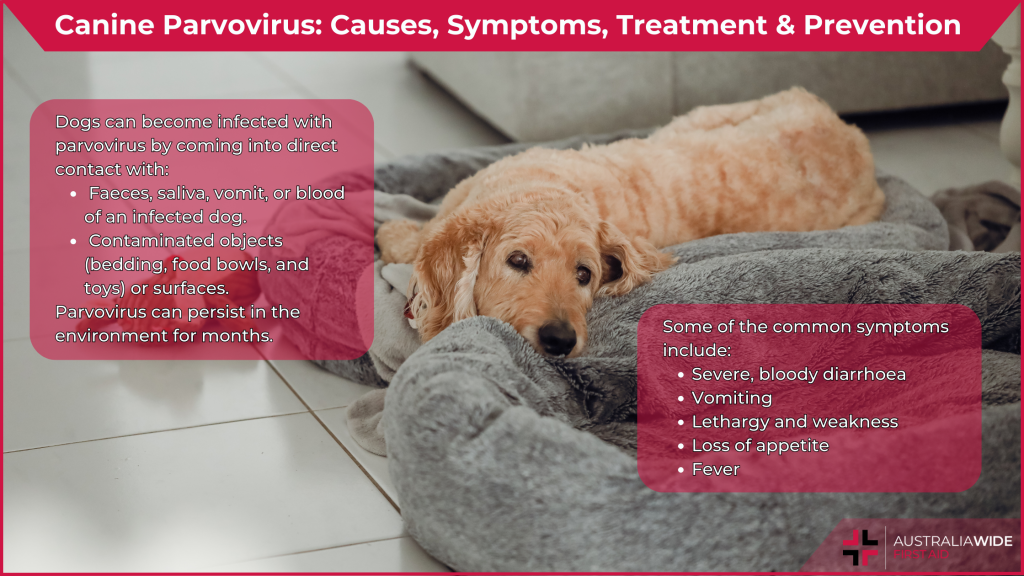
Among the numerous health challenges pets can face, several are particularly prevalent in Nigeria. For instance, Parvovirus stands out as a highly contagious and often fatal viral infection, primarily affecting puppies and unvaccinated dogs. This disease can lead to severe gastrointestinal issues, making puppies vulnerable. Regular vaccinations for parvovirus are critical, especially considering the disease’s rapid spread in dog populations.
Another significant concern is Heartworm Disease, which poses a grave risk, particularly during the rainy season when mosquitoes thrive. This disease is caused by parasitic worms that can cause severe damage to a pet’s heart and lungs. Unfortunately, symptoms can be subtle at first, often leading to advanced health issues before detection. However, with proper preventive care, including monthly heartworm medication, pet owners can shield their furry friends from this silent killer.
Furthermore, tick-borne diseases are increasingly common in Nigeria’s warm climate. Conditions such as Lyme disease can affect both pets and humans, and the outdoor lifestyle many pets enjoy can increase their risk of exposure. Regular grooming and the use of tick prevention treatments can significantly reduce the chances of disease transmission through these parasites.
Strategies for Effective Preventive Care
Implementing effective strategies for pet health goes beyond just occasional vet visits; it requires a holistic approach. One of the primary components of preventive care is regular vaccinations. Keeping up with shots ensures that pets are protected from various outbreaks, preserving their health and safety.
Equally important is proper nutrition. Providing a balanced diet rich in essential nutrients not only supports a pet’s overall well-being but also boosts their immune system, helping them ward off illnesses. For example, sourcing locally available, high-quality food can make a significant difference in a pet’s health, preventing obesity and associated diseases.
Lastly, routine check-ups with a veterinarian are crucial. These visits can help catch health issues before they escalate into serious conditions. Regular wellness exams allow for early detection of potential diseases, giving pets the best chance for successful treatment if necessary.
By being proactive and informed, pet owners can make significant strides toward preventing these diseases. The more you know about your pet’s health needs, the better equipped you’ll be to give them a safe and healthy life. Engaging with local veterinarians and pet health resources can open doors to a wealth of information that fosters a supportive community dedicated to animal welfare.
SEE ALSO: Click here to read another article
Vital Components of Preventive Care for Pets
To effectively shield our furry companions from common diseases, pet owners must adopt a multi-faceted approach that encompasses several key strategies. These strategies not only fortify the health of pets but also foster a deeper understanding of their specific needs. By being proactive, pet owners can ensure that their pets enjoy long, healthy lives while minimizing potential health risks.
A foundational element of preventing diseases in pets is vaccination. Vaccines are designed to create immunity against a myriad of diseases, including rabies, distemper, and hepatitis—conditions that can have severe impacts on a pet’s health. In Nigeria, where outbreaks can occur, adhering to a vaccination schedule is crucial. Pet owners should always consult with local veterinarians to understand the vaccines necessary for their area, especially considering unique regional health risks.
Alongside vaccinations, parasite control is another integral part of preventive health care. In regions like Nigeria, where the climate is conducive to the survival of fleas, ticks, and worms, regular checks for these parasites can avert serious health issues. A few preventive measures include:
- Monthly flea and tick prevention treatments: Utilizing topical or oral medications can significantly limit pest infestations during high-risk seasons.
- Regular grooming: Routine brushing and baths help identify and remove parasites early, promoting overall hygiene.
- Environmental control: Keeping living spaces clean and using insecticidal sprays in yards can reduce the chances of pet infestations.
Proper nutrition is equally essential in fostering a resilient immune system. Pet owners should focus on providing a balanced diet tailored to their pet’s age, size, and activity level. High-quality commercial diets or home-cooked meals that are nutritionally complete not only enhance physical health but also improve mental well-being. Additionally, local pet shops or markets in Nigeria offer a variety of affordable, nutritious options that can easily be incorporated into a pet’s diet.
Furthermore, physical activity plays a pivotal role in maintaining a pet’s health and preventing obesity, which can lead to a host of health problems such as diabetes and joint issues. Exercise routines that match the pet’s energy level, including daily walks or playtime, stimulate both physical and mental fitness. In Nigeria’s vibrant community, participating in local pet events or training classes can provide valuable socialization opportunities for pets while benefiting their physical health.
Finally, pet owners must prioritize regular veterinary visits. Annual check-ups allow veterinarians to monitor a pet’s health, administer booster shots, and conduct screenings for common conditions. Such proactive measures ensure early detection and intervention, substantially increasing the chances of a positive outcome in case of health issues.
By implementing these effective strategies, pet owners can substantially reduce the risk of common diseases. A well-informed approach to preventive care not only enriches pets’ lives but also strengthens the bond between pets and their owners, fostering a happier and healthier household.
| Prevention Strategy | Advantages |
|---|---|
| Regular Veterinary Check-ups | Early detection of potential health issues. |
| Vaccination | Builds immunity against serious diseases. |
| Healthy Diet | Promotes a strong immune system and overall well-being. |
| Regular Exercise | Enhances physical health and reduces obesity-related risks. |
Maintaining your pet’s health involves implementing effective strategies to prevent common diseases. One of the foremost methods is scheduling regular veterinary check-ups. These visits enable early detection of potential health issues, leading to timely interventions. Another crucial strategy is ensuring your pet receives necessary vaccinations, which build immunity against serious diseases that could otherwise compromise their health.A healthy diet is equally essential; it not only promotes a strong immune system but also supports overall well-being. Incorporating high-quality pet food that meets their nutritional needs can make a significant difference in their health. Furthermore, regular exercise is vital, as it enhances physical health and significantly reduces risks associated with obesity, which is a precursor to various diseases.By focusing on these strategies, pet owners can foster a healthier lifestyle for their beloved companions, significantly decreasing the risk of common illnesses and enhancing their quality of life.
CHECK OUT: Click here to explore more
Holistic Approaches to Pet Health Maintenance
Apart from structured preventive measures, pet owners in Nigeria can adopt holistic approaches to enhance their pets’ well-being and fortify their defenses against diseases. This broad perspective not only addresses health concerns but also emphasizes the overall lifestyle of pets. Providing a stable and nurturing environment contributes significantly to their resilience against ailments.
Mental stimulation is a vital yet often overlooked component of pet health. Engaging an animal’s intellect can reduce stress, anxiety, and behavioral problems, which can significantly influence their physical health. Activities such as interactive toys, puzzle feeders, or even basic obedience training enhance mental engagement. In urban settings like Lagos or Abuja, pet owners might consider participating in pet training sessions or workshops that focus on mental enrichment while socializing with other pet owners.
Furthermore, spaying or neutering pets is another essential strategy that helps prevent certain diseases and contributes to responsible pet ownership. Many diseases, such as mammary tumors or testicular cancer, can be avoided by altering pets at an appropriate age. Local veterinarians often recommend scheduling the procedure around six months of age. Besides health benefits, spaying or neutering helps manage the population of stray animals—a pressing issue in many urban areas in Nigeria, where overcrowding can exacerbate the spread of diseases.
Additionally, creating a strong social network for pets can improve their emotional and physical health. Pets that regularly interact with other animals tend to be more well-adjusted and less prone to anxiety-related health issues. This might include regular playdates with friends’ pets or participation in local pet clubs. With Nigeria’s growing pet culture, community events centered around pets can provide excellent socialization opportunities and empower pet owners to share valuable insights about maintaining their pets’ health.
Environmental factors also play a significant role in pet health. Ensuring that pets live in a clean, safe environment minimizes exposure to harmful pathogens and parasites. Pet owners should regularly clean their pets’ living spaces, removing waste and potential hazards, and implementing insect control measures to create an inhospitable environment for parasites. Moreover, maintaining a well-groomed pet not only contributes aesthetically but also promotes hygiene, reducing the risk of skin infections and other health issues.
Nutrition, as previously mentioned, is paramount; however, pet owners can extend this notion by exploring suitable supplements that can further bolster health. Omega-3 fatty acids, for instance, are known to support skin and coat health, which is particularly important in regions where harsh weather can affect a pet’s condition. It’s advisable for pet owners to consult with veterinarians before adding supplements to their pets’ diets to ensure they are safe and beneficial.
Lastly, technology is making waves in the pet care industry, offering innovative solutions for pet owners to keep track of their pets’ health. From smartphone applications that remind owners about vaccination schedules to fitness trackers that monitor activity levels, leveraging these advancements can aid in maintaining a pet’s health in a busy lifestyle. Ensuring that pets adhere to a structured health regime not only curtails health risks but also enriches their lives.
Through these holistic and comprehensive approaches, pet owners can create a supportive ecosystem that nurtures their pets’ physical, mental, and emotional health, ultimately leading to a significant reduction in common diseases.
YOU MAY ALSO LIKE: Read read another article
Conclusion: Embracing Comprehensive Pet Health Strategies
In conclusion, the journey of ensuring your pet remains healthy and disease-free involves a multifaceted approach that encompasses prevention, education, and proactive care. By adopting effective strategies—from regular veterinary check-ups to proper nutrition and hygiene—pet owners in Nigeria can significantly lower the risk of common ailments. It is critical to recognize that investments in preventative care today can lead to healthier, happier pets in the long run.
Additionally, embracing holistic methods such as mental stimulation and social interactions not only contributes to the emotional well-being of pets but can also fortify their physical defenses against diseases. The emphasis on creating a clean and secure environment, alongside advancements in technology to monitor pet health, serves to further empower pet owners in managing their companions’ welfare effectively.
Moreover, educating oneself about the specific health needs of different breeds and lifestyles is vital. As the pet culture in Nigeria continues to grow, staying informed about the latest health trends and community resources can foster a collaborative approach to pet ownership. Engaging with local pet communities and experts can yield valuable insights, transforming standard pet care into a meaningful partnership.
Ultimately, cultivating a nurturing ecosystem for pets that prioritizes their comprehensive health can lead to a ripple effect of benefits, enhancing not only their lives but also enriching the bond shared with their owners. By investing time and resources into preventative strategies, we can ensure our furry friends lead long, fulfilling lives free from common diseases.