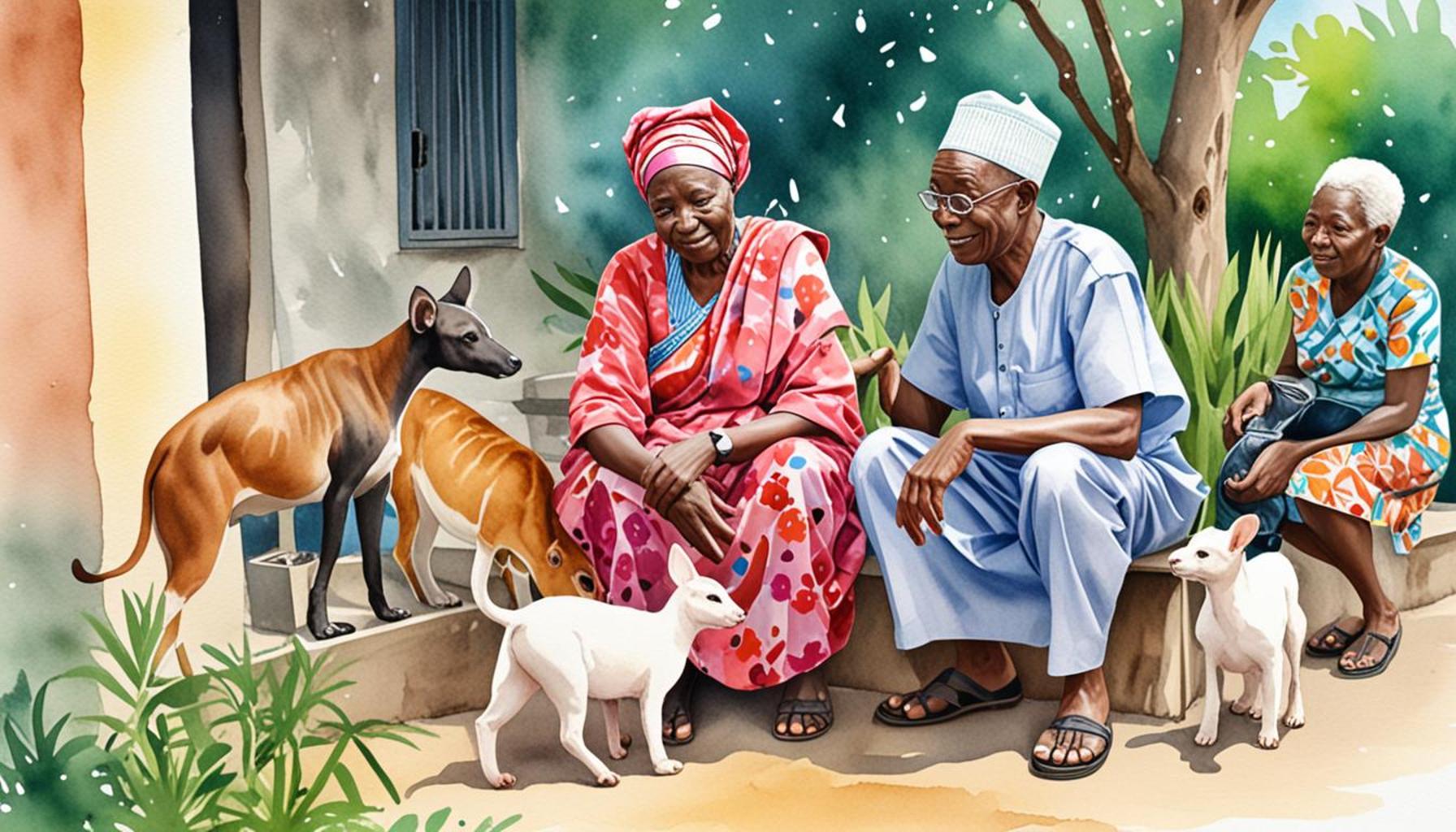
Animal Adoption and the Promotion of Empathy in Nigerian Children
The Transformative Power of Animal Adoption
In Nigeria, the practice of animal adoption is not only becoming a new trend but is also starting to redefine how children connect with their environment, paving the way for enhanced personal development. As more families begin to adopt pets, especially in urban areas like Lagos and Abuja, the emotional benefits that come with these relationships are becoming increasingly evident. This growing phenomenon offers profound insights into how the simple act of caring for an animal can cultivate valuable life skills, serving as a catalyst for emotional growth and social awareness among youth.
- Empathy Development: The act of caring for an animal—be it a dog, cat, or even smaller pets like rabbits—encourages children to step outside of their own experiences and consider the feelings of their companions. For instance, when children learn to recognize when a pet is anxious or in need of comfort, they develop a deeper understanding of emotional cues that extend to their human relationships.
- Responsibility: Adopting a pet is not merely about companionship; it requires a commitment akin to a family member. Children learn to feed, groom, and exercise their pets, which instills a sense of duty and accountability. This commitment mirrors real-life responsibilities they may face in academics and future professional roles, preparing them for adult responsibilities.
- Compassion: For many children, their first encounter with vulnerability comes through their pets. Understanding that their furry friends rely on them plays a critical role in nurturing a sense of compassion. These experiences help children cultivate kindness and develop a desire to protect and care for all living beings, influencing their attitudes towards social issues like animal cruelty and environmental conservation.
As pets become integral members of Nigerian households, especially in urban centers, the trend of adopting animals is influencing broader cultural dynamics. Cities like Lagos and Abuja are seeing the rise of animal shelters and adoption campaigns that advocate not only for the welfare of animals but also for community engagement and support.
- Social Skills: Engaging with pets enhances a child’s ability to communicate and connect with others. For instance, in a playgroup setting, children who have pets may find it easier to engage with their peers through shared stories about their animals, thereby honing their conversational skills.
- Emotional Resilience: Pets can also be an emotional anchor for children. By experiencing the joys of companionship alongside challenges such as illness or the loss of a pet, children develop emotional resilience. Dealing with such loss can help build coping mechanisms that are invaluable later in life.
- Cultural Shifts: The growing awareness around animal welfare is slowly but surely challenging traditional views in Nigerian society, fostering a more compassionate and humane outlook. This transformation is not just about pets; it reflects an evolving mindset that values all forms of life and promotes a sense of community responsibility.
As we explore the ramifications of animal adoption, it becomes clear that these relationships are helping shape a generation of empathetic, responsible, and socially aware individuals in Nigeria. The lessons learned through adopting and caring for animals resonate throughout their lives, nurturing a society that values compassion and commitment. With continued advocacy and education, the movement toward animal adoption could become a cornerstone of a more empathetic future for the nation.
Paving the Way for Empathy Through Animal Bonds
Animal adoption in Nigeria is gradually morphing into a powerful tool for instilling empathy in children. As urbanization accelerates in cities like Lagos and Abuja, the dynamics between humans and animals are shifting. More families are embracing the notion of sharing their homes with pets, leading to a significant transformation in how children perceive their roles in the world. The responsibility of caring for a pet encourages children to develop a sense of understanding and compassion that extends well beyond their immediate experiences.
One of the most profound effects of pet adoption is the development of empathy. When children engage in the daily routines of their pets—feeding them, taking them for walks, or even just cuddling—these moments cultivate a sense of connection. They learn to pick up on non-verbal communication cues, like a wagging tail signaling happiness or a cat’s purring indicating contentment. This process of observing and responding to an animal’s needs is foundational in encouraging children to recognize emotions in others, including their peers, family, and community members.
The learning curve associated with pet care does not stop at empathy; it serves as an avenue for teaching responsibility. Children discover the importance of routine, reliability, and accountability. Having an animal that depends on them promotes a sense of duty that mirrors the responsibilities they will face in adulthood. For instance, a child tasked with feeding their dog in the morning quickly learns the value of punctuality and care, lessons that seamlessly transition into their academic pursuits and future job roles. The principles of responsibility learned through animal adoption are invaluable as children grow into principled adults.
- Fostering Compassion: Exposure to an animal’s vulnerable state can inspire a deep-rooted compassion within a child. Whether it’s watching a timid rescue dog learn to trust or a sickly kitten receiving treatment, these experiences teach children to value not only the lives of their pets but also the lives of others around them.
- Enhancing Social Skills: Children with pets often find common ground with their peers. Sharing stories about their animals provides a conversational platform, helping them build friendships and improve their social skills. This engagement also fosters teamwork when children collaborate on communal pet care projects in educational settings.
- Encouraging Emotional Resilience: The ups and downs of pet ownership, from the joy of welcoming a new family member to the heartache of loss, provide valuable lessons in emotional resilience. Such experiences can prepare children for life’s inevitable challenges, equipping them with the necessary tools to move forward.
In the context of Nigeria’s evolving landscape, these insights emphasize a significant cultural shift towards understanding and valuing life in all its forms. Adoption campaigns are advocating not just for the welfare of animals, but also for the emotional and social growth of children. As more urban families embrace the companionship of pets, the potential for fostering community connections through shared experiences with animals becomes increasingly apparent.
| Advantages | Impact on Children |
|---|---|
| Fostering Responsibility | Children learn to care for animals, which instills a sense of responsibility and commitment. |
| Building Empathy | Interacting with animals enhances emotional intelligence and empathy towards all living beings. |
| Reducing Stress | Pets are known to reduce anxiety in children, providing comfort and support. |
| Enhancing Social Skills | Adopting animals encourages teamwork and communication among peers in fostering adoption events. |
The initiatives surrounding animal adoption play a crucial role in promoting both the welfare of animals and the emotional development of Nigerian children. These interactions foster a unique bond that not only transforms children’s understanding of empathy but also creates an environment where they learn valuable life skills. Children involved in animal care develop a holistic approach to life—understanding compassion, patience, and the significance of nurturing relationships. When children adopt pets, they step into the journey of responsibility, dramatically reshaping their interactions with others. The aforementioned benefits indicate how enriching animal companionship can extend beyond personal comfort to create an empathetic society where kindness pervades. This perspective invites deeper exploration among educators, parents, and policymakers who can significantly impact future generations.
Community Engagement and Educational Initiatives
In Nigeria, the promotion of animal adoption is not solely a personal endeavor; it can also serve as a rallying point for community engagement and educational initiatives. Non-governmental organizations and animal welfare groups work tirelessly to raise awareness about the benefits of adopting pets, creating programs designed to engage children in meaningful interactions with animals. By harnessing the collective strength of communities, these efforts seek to enrich the lives of both children and pets.
One striking example is the rise of animal therapy programs in schools and community centers across Nigeria. These initiatives incorporate trained therapy animals into educational settings, offering students a unique opportunity to connect with animals while learning. For instance, schools in urban areas like Lagos have started incorporating visits from trained therapy dogs into their curriculum, allowing children to experience firsthand the emotional benefits of animal companionship. Studies have shown that interacting with therapy animals can significantly reduce anxiety and improve overall well-being among children, directly contributing to their emotional growth and social awareness.
Moreover, workshops designed to educate children about responsible pet ownership are gaining traction. These programs not only teach practical skills such as proper pet care and nutritional needs but also emphasize the emotional connection children can form with animals. Outreach initiatives that visit underprivileged neighborhoods play a pivotal role in ensuring that children from diverse backgrounds also experience the joys of pet adoption. By introducing these children to the fundamental values of empathy, responsibility, and compassion, these programs work to create a more generous and understanding society.
- Promoting Volunteerism: Many adoption campaigns encourage children to volunteer at local shelters, providing them practical exposure to animal care while reinforcing community spirit. Engaging with fellow volunteers fosters cooperation and a sense of shared purpose crucial for teamwork and social skills.
- Wildlife Conservation Education: In addition to domestic pet adoption, educating children about wildlife conservation develops a broader sense of empathy. Programs showcasing Nigeria’s rich biodiversity, such as initiatives focusing on endangered species, help children appreciate their role in protecting and preserving all forms of life.
- Interactive Learning Experiences: Community-led initiatives such as pet shows and fairs serve as platforms to engage children, displaying the benefits of pet adoption alongside live demonstrations on responsible pet care. Such hands-on experiences deepen the understanding and love for animals within the community.
As these programs become integrated into schools and community structures, they lay the groundwork for a more empathetic future generation. Children exposed to the ideals of animal adoption through community involvement not only develop a personal love for animals but also learn the importance of nurturing and preserving relationships with all living beings. With every pet adopted and every program launched, the potential for a kinder, more compassionate society grows, emphasizing the critical role of animal adoption in cultivating empathy in Nigerian children.
Conclusion: The Ripple Effect of Animal Adoption on Nigerian Children
The journey towards fostering empathy in Nigerian children through animal adoption is not only a compassionate endeavor but a necessary societal evolution. As evidenced by the initiatives and programs sprouting across the nation, the engagement with animals, whether through therapy practices or educational workshops, propels children into a world of emotional connection and moral responsibility. This connection nurtures an understanding that extends beyond pet ownership, embedding the values of kindness, compassion, and social responsibility deep within their character.
Moreover, as children participate in community events, volunteer at shelters, and learn about wildlife conservation, they cultivate a profound respect for all living beings. This hands-on experience serves as a catalyst for a broader understanding of environmental stewardship and interdependence. They not only learn to care for pets but also recognize the importance of coexisting harmoniously with wildlife, making them advocates for sustainability and biodiversity.
Furthermore, the importance of integrating animal welfare education into school curricula cannot be overstated. It presents unique opportunities for interactive learning, guiding children towards becoming empathetic adults who appreciate the complexities of relationships, whether with humans or animals. Each program implemented and each pet adopted reinforces the message that caring for another creature is a foundation for nurturing a compassionate society.
Ultimately, as more Nigerian communities embrace the concept of animal adoption, the ripple effect will continue to inspire a generation that values empathy and makes proactive efforts to improve the welfare of both animals and human beings. This journey not only transforms the lives of individual children and their furry companions but slowly reshapes society into one that fosters understanding and compassion for all.