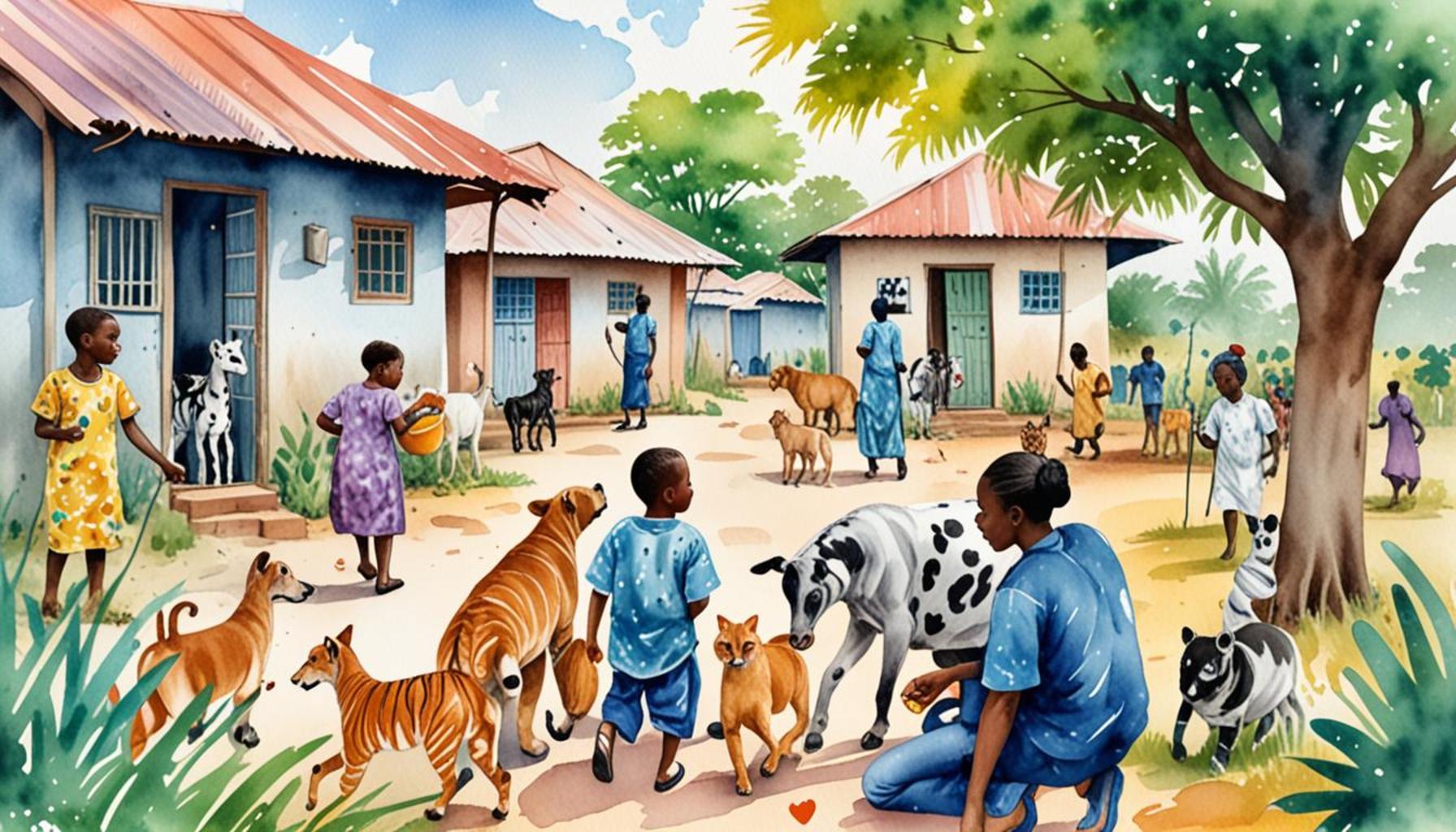
Adoption of Animals as a Means to Combat Loneliness in Nigerian Seniors
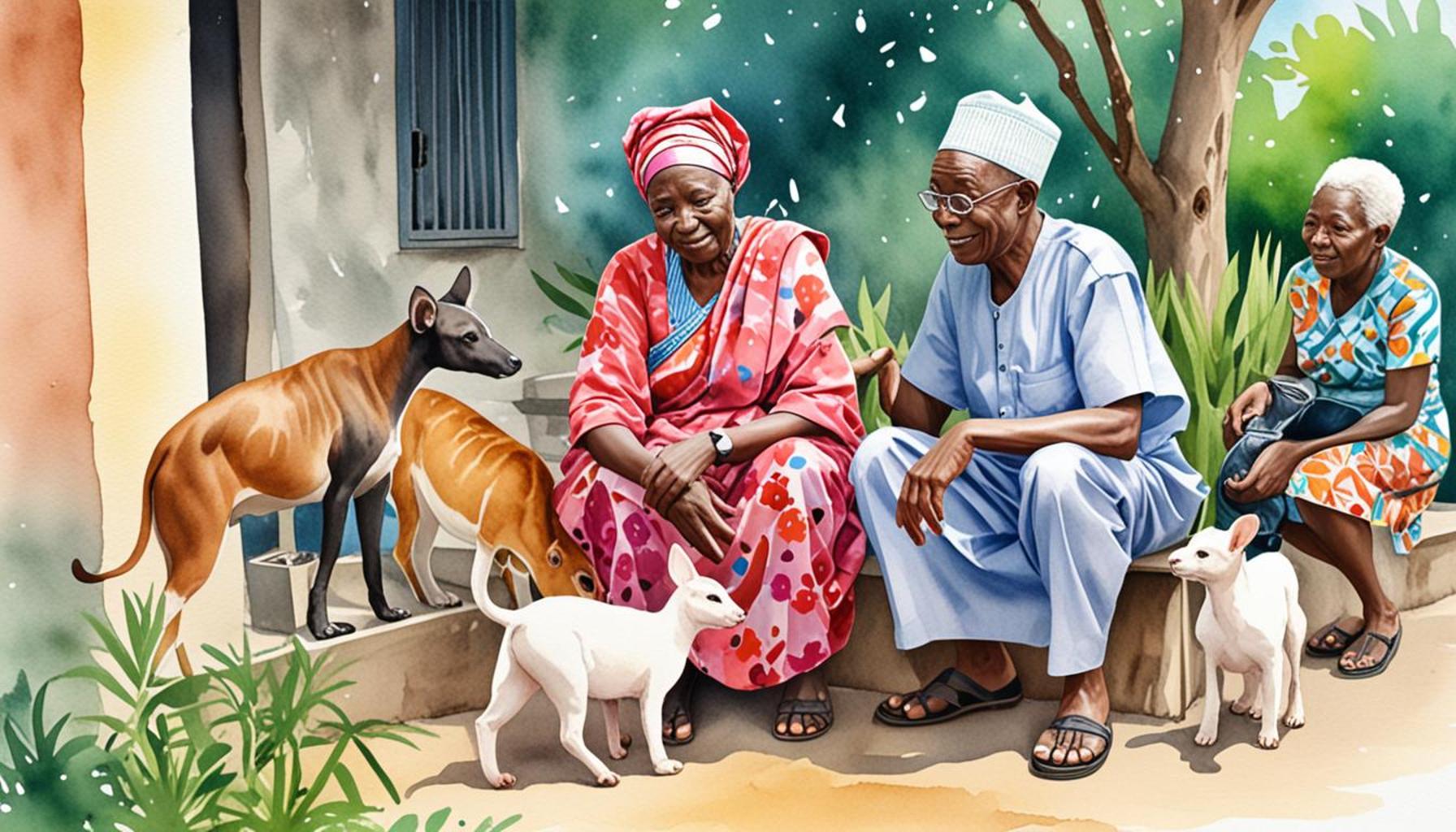
The Healing Touch of Companionship
As the tapestry of society evolves, so do the lives of its older members. In Nigeria, many seniors grapple with the emotional toll of loneliness, a persistent challenge that often accompanies aging. Changing family dynamics, urban migration, and the busy lifestyles of younger generations can leave elderly individuals isolated, leading not only to emotional distress but also to a myriad of health risks, including cognitive decline and cardiovascular issues.
In response to this growing concern, an inspiring solution is emerging: animal adoption. Research consistently demonstrates that pets can significantly enhance the quality of life for seniors. For instance, the simple act of petting a dog or cat releases oxytocin, often referred to as the “bonding hormone,” which can alleviate feelings of loneliness and increase feelings of happiness. Here are a few key benefits that highlight this relationship:
- Providing unconditional love and companionship: Pets often serve as devoted friends, offering warmth and the comfort of being a reliable presence in their owners’ lives.
- Encouraging physical activity: Regular walks and playtime with pets not only contribute to physical health but also provide motivation for seniors to engage in daily exercise, fostering a more active lifestyle.
- Reducing feelings of anxiety and depression: Interaction with pets has been shown to lower stress levels, improve mood, and promote emotional healing, which is crucial for mental health.
In Nigeria, there is a burgeoning movement towards animal adoption, led by local shelters and community organizations. These initiatives are not merely about finding homes for abandoned animals; they also aim to create transformative spaces for seniors. Organizations such as the Nigerian Society for the Prevention of Cruelty to Animals (NSPCA) are working assiduously to educate the public about the importance of responsible pet ownership and the emotional benefits that come with having pets.
- Educating the public: Workshops and seminars aimed at responsible pet ownership teach seniors how to care for their pets, ensuring a successful and fulfilling companionship.
- Facilitating easy adoption processes: Many shelters are now simplifying the adoption process specifically for seniors, recognizing the unique needs and concerns they may have.
- Creating awareness: Campaigns highlighting the emotional and psychological benefits of pet companionship are instrumental in changing perceptions and encouraging more seniors to consider adopting a pet.
This renewed focus on animal companionship is reshaping the lives of many seniors in Nigeria. With pets by their side, they are not just alleviating loneliness; they are gaining a sense of purpose and increasing their social interactions, as pets often serve as a bridge to forming connections in the community. As conversations about loneliness and aging continue to gain momentum, the bond between animals and seniors stands out as a beacon of hope and a potential pathway to healthier, more engaged lives.
Transformative Benefits of Animal Companionship
As Nigeria’s population of seniors continues to grow, the conversation around combating loneliness becomes increasingly vital. Each day, countless elderly individuals navigate the complexities of solitude, which can lead to various emotional and physical health issues. An astonishing 30% of seniors report feeling lonely often, a statistic that outlines the urgency of finding effective solutions. This is where the fostering of animal adoption emerges as a promising avenue for many.

Animals, particularly dogs and cats, provide companionship that is invaluable for seniors. They are not just pets but essential allies that can dramatically alter the day-to-day life of an elderly person. Here are several profound ways through which adopting pets can lead to positive changes in quality of life:
- Enhancing social interaction: Owning a pet often serves as an icebreaker for socialization. Many seniors find themselves engaging in conversations with fellow pet owners, whether during walks in local parks in cities like Lagos or at community events. This newfound social interaction helps counter feelings of isolation.
- Instilling a routine: Pets require regular feeding, walking, and care. This routine not only keeps the pets healthy but also encourages seniors to maintain a structured daily schedule, thereby providing a sense of purpose and direction.
- Encouraging emotional resilience: The mere presence of an animal can be soothing. The act of caring for a pet fosters emotional bonds that enhance mental health, often resulting in reduced feelings of depression and anxiety. In communities like Abuja, seniors report feeling an increased sense of joy simply by having a friendly pet at home.
Various organizations across Nigeria have recognized the profound impact of animal adoption on addressing loneliness among seniors. Initiatives aimed at promoting responsible pet ownership often engage community members in awareness campaigns highlighting the emotional and social benefits of animal companionship. Nonprofits like the Nigerian Society for the Prevention of Cruelty to Animals (NSPCA) are not only focused on rescuing animals but also on integrating them into the lives of seniors to foster meaningful connections.
Moreover, specialized programs tailored to seniors have been initiated by various shelters. These programs assist elderly individuals in navigating the adoption process, ensuring that the pets they choose are compatible with their lifestyle and needs. Many shelters now conduct home visits and offer workshops that focus on pet care, animal behavior, and the psychological benefits of having a companion animal. This holistic approach enhances the likelihood of a successful adoption, ensuring that both pets and seniors benefit.
The adoption of animals as companions for the elderly is gaining traction, transforming lives and offering a lifeline to many Nigerians facing loneliness. As community awareness grows and the link between companionship and emotional well-being is established, more seniors are beginning to experience the joy and comfort that a furry friend can bring. Whether it is a spirited dog welcoming them at the door or a gentle cat curling up in their lap, the introduction of an animal into a senior’s home has the potential to be life-changing.
The adoption of animals, particularly pets, has emerged as a viable solution to alleviate feelings of loneliness among seniors in Nigeria. This approach not only fosters companionship but also enhances the overall emotional well-being of elderly individuals. With a backdrop of increasing urbanization and the resulting isolation, the companionship offered by pets presents a significant opportunity for our aging population.
Data shows that pet ownership can lead to increased physical activity, as seniors who care for animals are more likely to engage in regular walks and playtime. This physical engagement contributes to improved cardiovascular health, which is crucial in promoting longevity and vitality among seniors. Additionally, pets provide a sense of routine and responsibility, which can be particularly beneficial for seniors who might otherwise struggle with daily life’s challenges.
Moreover, interactions with animals can reduce symptoms of depression and anxiety. The act of petting or playing with an animal has been shown to release endorphins, leading to improved mood and emotional stability. Animals also serve as social catalysts, encouraging seniors to engage with others during walks or at pet-related events, thereby expanding their social networks and reducing isolation.
| Advantages | Impact on Seniors |
|---|---|
| Emotional Support | Pets provide constant companionship that combats feelings of solitude. |
| Physical Activity | Regular care routines encourage seniors to stay active, boosting their health. |
| Improved Mental Health | Interactions with pets can alleviate signs of depression and anxiety. |
| Social Interaction | Owning pets encourages seniors to connect with others in their community. |
Furthermore, adopting a pet from local shelters can also promote community engagement and awareness about animal welfare among seniors. The act of saving an animal combines the benefits of companionship with a sense of purpose. The movement towards animal adoption as a remedy for loneliness is gaining traction in Nigeria, revealing a holistic approach to enriching the lives of seniors through the love and care of animals.
As this trend continues to grow, it is essential for communities and policymakers to support initiatives that promote animal adoption alongside the well-being of their elderly population. The synergy between combating loneliness and improving the lives of both animals and seniors presents a compelling reason for further exploration and action.
Bridging Gaps: Animal Adoption Programs Addressing Senior Loneliness
To further highlight the impact of animal adoption in reducing loneliness among seniors, various organizations and community initiatives within Nigeria have been established. These programs not only focus on placing animals in loving homes but also prioritize the mental well-being of the elderly. As a result, they create tailored experiences that address both the needs of seniors and the welfare of animals in need of homes.
In cities like Ibadan and Port Harcourt, local shelters have developed unique outreach programs designed to connect seniors with potential pet companions. For instance, the Pet Pals Program facilitates social meet-ups where seniors can interact with friendly animals in a supportive setting. This initiative allows them to gauge their comfort level with different animals, helping to create lasting bonds before adoption.
Furthermore, these programs often collaborate with healthcare professionals to ensure that seniors receive comprehensive support while integrating animals into their lives. By offering resources such as pet therapy sessions and wellness workshops, these initiatives empower seniors with the tools they need to enhance their physical and emotional health. Regular check-ins by shelter staff also ensure that seniors are supported in their new roles as pet owners, reinforcing the relationship and minimizing the chances of abandonment.
Statistics indicate that those who adopt animals experience a marked improvement in their mental health. According to a study conducted by a Nigerian-based research group, seniors who engage in pet ownership report a 36% decrease in feelings of loneliness, showcasing the positive psychological effects of having animal companions. This data illustrates that the presence of an animal is not merely a source of company but also a catalyst for genuine emotional healing.
Recognizing the barriers that many seniors face in accessing these adoption programs, some organizations have begun offering various incentives. These include reduced adoption fees, ongoing veterinary care, and provision of pet supplies such as food and bedding for the first few months. Such efforts ensure that pets are not considered a burden but rather an enriching addition to a senior’s life.
Nonprofit organizations play a crucial role in educating the public about the responsibilities involved in pet ownership, emphasizing that it is a two-way street. They highlight the importance of making informed choices when selecting a pet that suits a senior’s lifestyle and capabilities. Workshops organized by local shelters often include discussions led by experienced veterinarians and animal behaviorists, covering crucial topics from the emotional benefits of pet companionship to practical aspects of care.
Cities like Kano are also witnessing a cultural shift, where traditional beliefs concerning pets are evolving as more families recognize the benefits of adopting animals. Community leaders and influencers are increasingly advocating for animal adoption as a vital means to enrich the lives of seniors, thereby bridging generational and cultural gaps.
The harmonization of animal companionship and the well-being of Nigerian seniors creates a dynamic that is not just beneficial for the elderly but also for society as a whole. As these initiatives continue to thrive, there’s potential for a societal transformation that embraces the elderly’s need for connection while ensuring the welfare of animals in need.
Fostering Connections through Animal Companionship
The emergence of animal adoption as a proactive solution to combat loneliness among Nigerian seniors signals a transformative step towards improving mental health and community well-being. As highlighted, initiatives like the Pet Pals Program and collaboration with healthcare professionals are not merely about placing pets in homes; they are about enhancing the quality of life for the elderly. These programs serve as a bridge, connecting seniors with loyal companions while also addressing the pressing issue of animal overpopulation in shelters.
Statistics affirm that seniors who adopt pets witness a remarkable 36% reduction in feelings of loneliness, underscoring the profound impact of animal companionship on emotional healing. Moreover, the educational workshops organized by nonprofit organizations equip seniors with essential knowledge, enabling them to make informed decisions and embrace the joys of responsible pet ownership. This growing awareness not only fosters a sense of community but also nurtures empathy toward animals, creating a richer societal fabric.
As Nigerian society continues to evolve, recognizing the value of animals in the lives of seniors is crucial. Community leaders and influencers play a pivotal role in this cultural shift, advocating for the benefits of pet adoption and how it can enhance intergenerational relationships. By embracing this approach, we not only alleviate the burdens of isolation faced by our elder population but also promote the welfare of animals desperately in need of loving homes.
In conclusion, the adoption of animals as a means to combat loneliness in Nigerian seniors represents a heartfelt and sustainable solution—one that deserves further exploration and support from all corners of society. By investing in these initiatives, we can create a compassionate environment that fosters connection, nurtures both the elderly and animals, and ultimately enriches our communities.