

Why Lifelong Learning Is the New Classroom Standard
Nearly 73% of American adults consider themselves lifelong learners, according to Pew Research data. Yet knowing how to learn effectively long after graduation remains a skill few are formally taught. This is where Lifelong Learning Study Tips become essential for anyone navigating today’s fast-changing knowledge economy, where new skills are required to keep up with the demands of the workforce.
The Shift Toward Community-Driven Education
Traditional classrooms are no longer the only venues where learning occurs. People are discovering innovative avenues of acquiring knowledge outside conventional education settings. From library workshops in cities like Austin to virtual study groups that connect people across different time zones, student community engagement resources are rapidly reshaping how individuals learn and grow. This shift allows learners to tap into collective knowledge and experiences, often leading to deeper understanding.
Consider what modern learners are exploring to enhance their skills:
- Peer-led study circles at community colleges that foster collaborative learning environments.
- Discord servers dedicated to exam prep and skill-sharing, creating platforms for interactive and immediate feedback.
- Public library digital literacy programs that cater to diverse age groups, making technology accessible to everyone.
- University alumni mentorship networks that connect seasoned professionals with newcomers entering their fields, facilitating valuable networking opportunities.
What This Article Covers
This guide dives into effective study techniques that go beyond mere memorization, placing a strong emphasis on understanding concepts and real-world applications. It explores how building a learning community can accelerate personal growth and help individuals stay motivated throughout their lifelong learning journey.
Readers will discover actionable self-directed learning strategies employed by top performers in various fields, including the tech industry and creative sectors, along with real examples of vibrant student communities thriving across the nation. For instance, organizations like Meetup facilitate group learning in various subjects, allowing participants to engage in discussions and share resources.
The goal is simple yet profound: equip you with the tools to keep learning, no matter your age or stage in life. As lifelong learning becomes more prevalent, understanding how to effectively harness these resources will ensure you are always prepared for whatever challenges lie ahead.
CHECK OUT: Building Inclusive Student Communities: Strategies for Diverse Engagement
Building Your Personal Learning Framework
Before diving into specific resources, successful lifelong learners establish a foundation. Effective study techniques aren’t one-size-fits-all; they require understanding your own cognitive patterns and designing systems around them.
Research from Carnegie Mellon University suggests that learners who use structured retrieval practice retain up to 50% more information compared to passive re-reading. This finding has pushed educators and self-learners alike toward more active, engagement-based methods.
Core Techniques Backed by Cognitive Science
Several study strategies have emerged as particularly effective for adult learners balancing work, family, and personal growth:
- Spaced repetition — reviewing material at increasing intervals to strengthen long-term memory retention.
- Active recall — testing yourself on content rather than simply reviewing notes or highlighted text.
- The Feynman Technique — explaining concepts in simple terms as if teaching someone else, which exposes gaps in understanding.
- Interleaving — mixing different subjects or skills during study sessions instead of focusing on one topic for extended periods.
These methods work particularly well when paired with online learning tools like Anki for flashcard-based spaced repetition or Notion for organizing knowledge systematically. Many community colleges across states like Ohio and California now incorporate these digital tools directly into their continuing education programs.
Why Self-Direction Matters More Than Ever
Unlike traditional students who follow a predetermined curriculum, adult learners often need to chart their own path. This is where self-directed learning strategies become critical.
A 2022 LinkedIn Learning report found that 94% of employees would stay at a company longer if it invested in their learning and development. This statistic reveals a growing demand for autonomous, flexible education models that fit around busy schedules.
Successful self-directed learners typically follow a consistent pattern:
- Setting specific, measurable learning goals rather than vague intentions like “get better at coding.”
- Breaking larger topics into weekly micro-goals that fit into fragmented free time.
- Tracking progress through journals, apps, or public accountability systems like study logs shared on Reddit’s r/GetStudying community.
- Seeking feedback loops through mentors, peer reviewers, or online forums dedicated to specific skills.
This structured autonomy doesn’t mean learning alone, though. In fact, the most effective self-directed learners often blend independent study with community support, a combination explored further in the sections ahead.
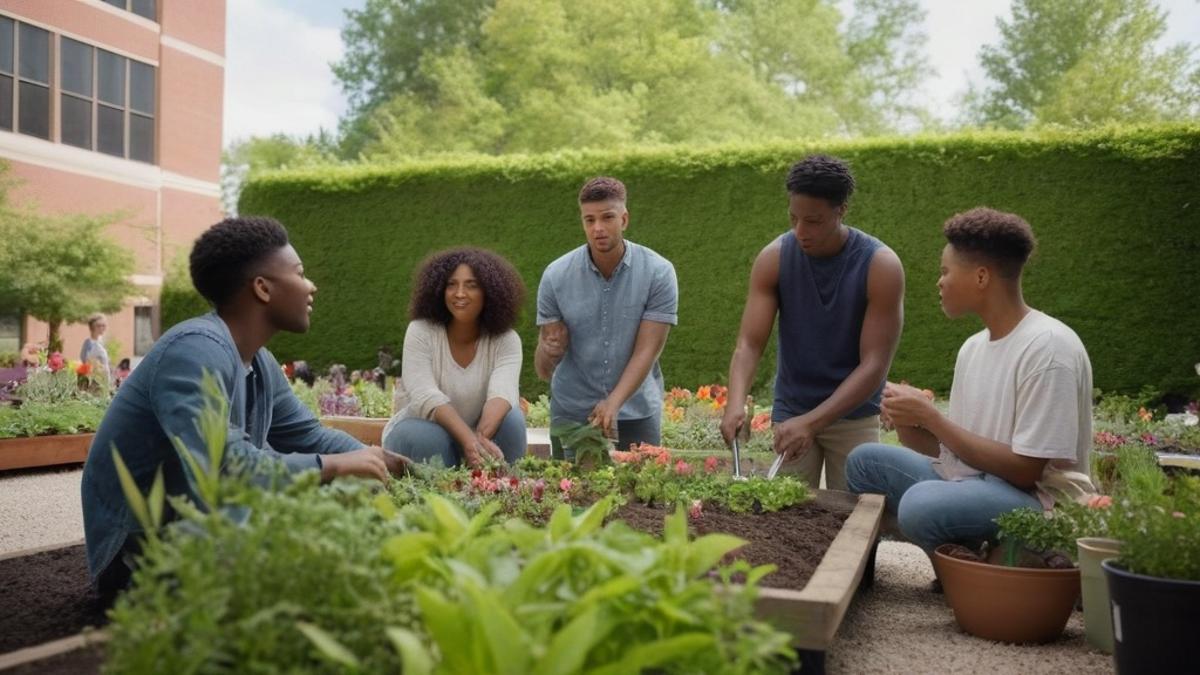
| Category | Description |
|---|---|
| Study Techniques | Utilizing active learning methods such as summarizing information, teaching peers, and engaging in discussions can reinforce knowledge retention. |
| Learning Platforms | Incorporating various online learning tools, like MOOCs and educational podcasts, can enhance accessibility and engagement for students. |
| Self-Directed Learning | Adopting self-directed learning strategies empowers students to take control of their education and foster a lifelong learning mindset. |
| Community Engagement | Participation in student community engagement resources, such as study groups or collaborative projects, promotes a supportive learning atmosphere. |
CHECK OUT: The Impact of Student Communities on Mental Health and Wellbeing in Educational Settings
# Tapping Into Community Power: Where Collaboration Meets Growth
Studying in isolation only gets you so far. The most enduring Lifelong Learning Study Tips almost always involve tapping into a network of peers, mentors, and shared resources that push you further than solo effort alone.
The Rise of Digital Learning Communities
Across the United States, learners are turning to virtual spaces to fill gaps that traditional classrooms leave behind. Platforms like Discord study servers, Slack-based mastermind groups, and subject-specific subreddits have become informal classrooms where accountability thrives.
A 2023 survey by the Pew Research Center found that 67% of adults who engage in online learning communities reported higher course completion rates compared to those studying independently. This isn’t surprising when you consider the psychological pull of accountability and shared purpose.
Popular student community engagement resources worth exploring include:
- Discord study servers — many organized by subject, from MCAT prep to Python programming, offering live study sessions and instant feedback.
- Meetup.com groups — local, in-person gatherings for language exchange, book clubs, or skill-sharing workshops in cities like Austin, Chicago, and Seattle.
- LinkedIn Learning cohorts — professional development groups that pair coursework with networking opportunities.
- University alumni networks — often overlooked, these provide access to lifelong mentorship and continuing education discounts.
Building a Learning Community That Actually Sticks
Not every group chat or forum translates into meaningful growth. Building a learning community that lasts requires intentional structure, not just enthusiasm.
Educational researchers at Stanford’s Lytics Lab identified three ingredients common to thriving learning communities: consistent meeting cadence, clearly defined goals, and rotating leadership roles that prevent burnout among organizers.
Consider how local libraries have adapted to this model. The Brooklyn Public Library, for instance, now hosts weekly “skill swap” nights where community members teach each other everything from coding basics to conversational Spanish, completely free of charge.
These grassroots efforts often outperform expensive bootcamps because they rely on genuine reciprocity. Participants aren’t just consuming content; they’re actively contributing, which reinforces retention through the same active recall principles mentioned earlier.
Community colleges have taken note, too. Institutions in Texas and North Carolina have begun formalizing peer-led study groups as part of their credit-bearing courses, recognizing that structured collaboration produces measurably better outcomes than lecture attendance alone.
# The Long Road Ahead: Why Lifelong Learning Never Really Ends
Lifelong learning isn’t a destination you reach and then check off a list. It’s a mindset that evolves alongside your goals, your career, and the world around you. The Lifelong Learning Study Tips covered throughout this piece—from active recall to spaced repetition—only work when paired with genuine curiosity and consistency.
What the Data Tells Us
The numbers speak clearly. Learners who combine effective study techniques with community accountability consistently outperform those who go it alone. That 67% completion rate among community-engaged learners isn’t a coincidence; it reflects a fundamental truth about human motivation.
People stick with things when they feel seen, supported, and slightly obligated to show up for others.
Practical Steps Moving Forward
For readers ready to put this into action, consider starting small:
- Join one online learning tool or platform aligned with a specific goal, whether that’s Duolingo for language skills or Coursera for professional certifications.
- Test out self-directed learning strategies like the Pomodoro Technique alongside a weekly accountability check-in with peers.
- Explore local resources—libraries, community colleges, Meetup groups—that offer low-cost or free entry points into structured learning.
A Final Thought
Perhaps the most overlooked aspect of building a learning community is that it works both ways. You’re not just receiving knowledge; you’re contributing to someone else’s growth, too.
That reciprocity, backed by researchers at institutions like Stanford, may be the real secret behind why grassroots study groups often outperform expensive, top-down education models.
As education continues shifting toward flexible, community-driven models, the learners who thrive will be those who treat every resource, every group chat, and every skill swap night as another rung on a ladder that never quite ends.
Frequently Asked Questions
What are some effective lifelong learning study tips for busy college students?
Busy college students can benefit from prioritizing their study time by using techniques like the Pomodoro Technique, which involves studying for a set period followed by a short break. Additionally, creating a study schedule and using digital tools like calendar apps to set reminders can help students stay organized and focused.
How can I engage with my community while applying lifelong learning study tips?
Engaging with your community can be done by attending local workshops, volunteering for educational programs, or forming study groups with peers. These activities not only reinforce lifelong learning principles but also allow you to apply your study tips in real-world contexts.
What resources are available for students looking to improve their lifelong learning skills?
Students can access numerous resources, such as online courses from platforms like Coursera and edX, that offer flexibility and a wide range of topics. Furthermore, libraries often host events and provide access to study materials that support lifelong learning pursuits.
How can technology enhance lifelong learning study tips for students?
Technology enhances lifelong learning by providing various educational apps and platforms that facilitate self-paced learning and collaborative study. Tools like digital flashcards, online quizzes, and video lectures make it accessible for students to reinforce their knowledge anytime, anywhere.