
Choose the Best Pet Food Nutrition-Based Guide for Your Pets Needs

Understanding Your Pet’s Nutritional Needs
When it comes to keeping our furry companions happy and healthy, nutrition plays a pivotal role. The right pet food can make a significant difference in your pet’s well-being, behavior, and longevity. With countless options available on the market, making an informed decision can be overwhelming for pet owners.
The Importance of Tailored Nutrition
Just like humans, pets have unique dietary requirements based on their age, breed, and health condition. Choosing the right food means considering factors such as:
- Age – Puppies and kittens require different nutrients compared to adult or senior pets.
- Breed – Small and large breeds have varying energy levels and size requirements.
- Health conditions – Allergies or specific health issues necessitate tailored diets.
In this article, we will provide you with a ranking of the top 5 pet food options. Each selection will be based on specific nutritional needs, ensuring that you can find the perfect fit for your beloved pet. Prepare to explore the fascinating world of pet nutrition and discover how to enhance your pet’s quality of life.
Top 5 Tips for Choosing the Best Food for Your Pet Based on Nutritional Needs
Choosing the right food for your beloved pet may appear intimidating given the diverse array of options available in the market today. By adopting a well-informed approach, you can navigate this abundance of choices with confidence, ensuring your furry companion receives optimal nutrition tailored to their specific needs. This guide highlights the top five factors to consider, offering a structured approach to pet nutrition to promote health and vitality.
5. Consider Your Pet’s Age
The age of your pet plays a pivotal role in determining their nutritional needs. During different life stages, pets require varying levels of nutrients to support health and well-being. Puppies and kittens, being in a rapid growth phase, need food rich in calories and essential nutrients such as protein and calcium. These nutrients are vital for healthy bone development, energy maintenance, and cognitive growth. Transitioning to adult food requires this balance of nutrients but with a focus on maintenance, supporting a stable metabolism and active lifestyle.
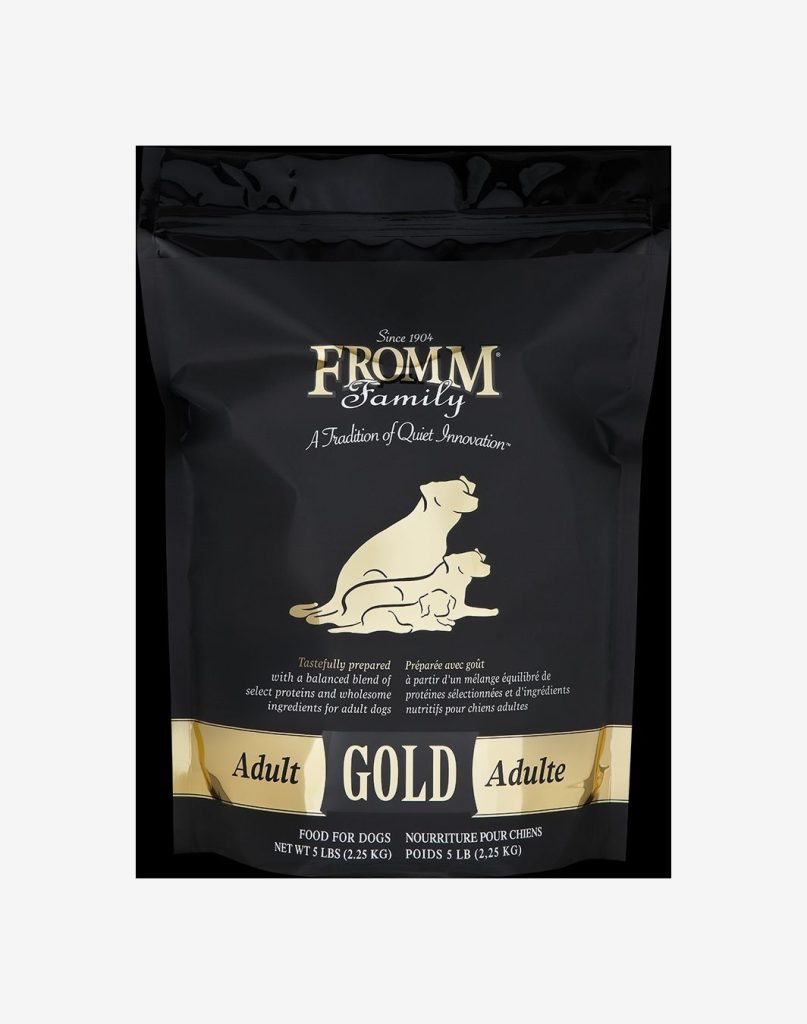
As pets enter their senior years, their metabolism slows, and nutritional needs shift once more. Senior pet foods are often lower in calories to prevent obesity-related issues and enriched with joint-supporting ingredients such as glucosamine and chondroitin. Ensuring that your pet’s diet aligns with their life stage helps promote longevity and quality of life.
4. Assess Their Size and Breed
Beyond age, the size and breed of your pet are crucial considerations when selecting food. Different breeds have unique predispositions to certain health conditions, necessitating breed-specific nutritional interventions. For instance, large breeds, like Great Danes and German Shepherds, are at increased risk for joint issues due to their size. Foods that include joint-protective ingredients and controlled calorie content can mitigate such risks.
In contrast, small breeds like Chihuahuas often have faster metabolic rates. These pets benefit from calorie-dense foods that support their energetic needs without encouraging weight gain. Attention to breed differences not only caters to your pet’s daily energy requirements but also proactively manages specific health predispositions.
3. Ingredient Quality Matters
The quality of ingredients in pet food can significantly influence your pet’s health. Opting for premium pet food formulations with high-quality ingredients ensures better digestion and nutrient absorption. Seek foods that list real meat as the first ingredient to provide high-quality protein, essential for muscle maintenance and immune health.
Beyond protein, look for other beneficial ingredients: Omega-3 fatty acids, often derived from fish oil, support a shiny coat and healthy skin. Probiotics enhance gastrointestinal health by promoting beneficial gut bacteria. A rich blend of vitamins and minerals, including vitamins E and C as antioxidants, supports systemic health and resilience against disease. Scrutinizing ingredient lists helps you choose food that truly benefits your pet.
2. Address Health Conditions
Many pets develop specific health conditions that necessitate dietary modifications. Whether your pet is dealing with weight management, allergies, or diabetes, their diet can be tailored to support better health outcomes. For overweight pets, a weight management formula, lower in calories and fat but still rich in proteins and fibers, can help them reach an ideal body condition.
If your pet suffers from food allergies, hypoallergenic foods with limited ingredients reduce exposure to common allergens such as wheat and beef, thus minimizing allergic reactions. For diabetic pets, foods with controlled carbohydrate levels stabilize blood sugar swings. Always consult your veterinarian to devise a diet that supports your pet’s unique health needs.
1. Consult Your Veterinarian
Above all, engaging with your veterinarian when making dietary decisions for your pet is invaluable. Veterinarians possess expert insights into nutritional science and specific health considerations and can provide targeted recommendations based on your pet’s medical history and lifestyle.
During consultations, discuss any specific nutritional needs your pet might have, inquire about the best practices for transitioning foods, and solicit recommendations for reputable brands. Veterinarians can also advise on portion sizes and feeding frequencies suited to your pet’s activity level and physiological requirements.
This collaboration ensures a tailored diet that aligns with your pet’s health goals, contributing to their vibrant, thriving life. Making informed dietary choices is a crucial component of responsible pet ownership, and your veterinarian’s guidance is indispensable in achieving this.
By considering these top five factors, you provide your pet with not just meals, but the foundation for a healthy, happy life. Understanding and meeting your pet’s dietary needs is both an art and a science—one that fosters the well-being of your cherished companion.
| Category | Details |
|---|---|
| Protein Sources | Choosing high-quality protein sources is vital for pet health. Look for meat, fish, or eggs listed as the first ingredient, ensuring your pet gets adequate nutrition. |
| Age Group Requirements | Different life stages require different nutritional formulas. Puppies and kittens need higher fat and protein levels, while seniors may require less fat and more fiber for digestion. |
| Special Health Needs | Pets with health issues often need specialty diets. Consult with a veterinarian to identify the best food options for conditions like allergies, diabetes, or obesity. |
| Ingredient Quality | Look for brands that detail their ingredient sourcing. Natural and organic products free from fillers and artificial additives can greatly benefit your pet’s health. |
When it comes to selecting the best food for your pet, the importance of evaluating protein sources cannot be overstated. Pets are primarily carnivorous; thus, a diet rich in animal proteins helps support muscle development and maintenance. Not all protein is created equal, so identifying high-quality ingredients can significantly impact your pet’s overall health and energy levels.Another consideration is your pet’s age. Nutritional needs vary significantly from one life stage to another. Young animals, such as puppies and kittens, require a diet that promotes healthy growth and development, typically with a higher caloric content, while older pets may benefit from a diet that aids digestion and joint health. Therefore, it’s essential to choose food specifically formulated for their age to ensure they receive optimal care and nourishment.Furthermore, many pets face specific health challenges that necessitate individualized diets. For instance, pets with allergies might need hypoallergenic food, while diabetic animals require diets with controlled carbohydrate levels. It’s beneficial to engage with a veterinarian who can provide tailored recommendations based on your pet’s unique health requirements and conditions.Lastly, don’t overlook the quality of ingredients when making your selection. Many pet food brands now emphasize using wholesome and minimally processed ingredients. Foods that are rich in nutrients and lack fillers, artificial preservatives, and by-products can lead to healthier pets overall. By being a savvy consumer and selecting food that prioritizes quality, you can help ensure a long and healthy life for your furry friend.
Frequently Asked Questions About Choosing the Best Pet Food Based on Nutritional Needs
How can I determine my pet’s specific nutritional needs?
Understanding your pet’s nutritional needs involves considering factors such as their age, size, activity level, and any specific health concerns. For example, puppies and kittens require different nutrients compared to adult or senior pets. It’s essential to consult with a veterinarian who can provide insights into the unique dietary requirements of your pet based on their health status and lifestyle.
What are the key ingredients I should look for in pet food?
When selecting the best food for your pet, look for ingredients that include high-quality proteins (like chicken, beef, or fish), healthy fats, carbohydrates, and essential vitamins and minerals. Avoid foods with artificial preservatives, colors, and excessive fillers. Whole ingredients tend to offer better nutrition and digestibility. A well-balanced formula that reflects the latest nutritional guidelines is crucial for maintaining your pet’s health.
Should I choose dry or wet food for my pet?
The choice between dry and wet food depends on various factors such as your pet’s age, dental health, and personal preferences. Dry food can benefit dental hygiene by reducing tartar buildup and is often more convenient to store. Wet food, on the other hand, provides higher moisture content, which can be beneficial for pets that need extra hydration or have difficulty chewing. Consulting your vet can help determine the best option for your pet.
Are there specific ingredients I should avoid in pet food?
Yes, some ingredients are better avoided, such as excessive artificial additives, unnamed meat meals, and high amounts of corn or soy, which may be used as fillers. It’s also wise to watch out for foods containing sugars or sweeteners, as these can contribute to obesity and dental issues. Always check that the food is certified by recognized pet food authorities, ensuring it meets certain safety and quality standards.
How often should I change my pet’s diet?
Dietary changes should be made gradually and for specific reasons such as age transitions, health conditions, or based on veterinary advice. Sudden changes can lead to digestive issues. Transitioning to a new food typically takes about 7-10 days, start by mixing small amounts of the new food with the old food, increasing the proportion of the new food over time. Continuous monitoring of your pet’s health and behavior is essential to ensure their diet supports their needs effectively.
Conclusion: Choosing the Best Pet Food Based on Nutritional Needs
In a world where the array of pet food options is vast, understanding how to select the most appropriate food for your pet’s unique nutritional needs is paramount. Throughout this topic, we’ve delved into the essential factors to consider when choosing the right pet food, offering pet owners a more comprehensive understanding of these requirements.
Firstly, it’s crucial to recognize that pets, much like humans, have individual dietary needs. Factors such as age, size, breed, and health conditions should guide your choice of pet food. A one-size-fits-all approach doesn’t apply here—what works for one animal may not necessarily suit another.
Equally important is the need to consult with a reliable veterinarian who can provide insights tailored to your pet’s specific health concerns. The vet is a valuable resource when it comes to determining the right mix of proteins, carbohydrates, vitamins, and minerals that should compose your pet’s diet.
Furthermore, understanding pet food packaging and labels can be extraordinarily beneficial. Knowing how to decipher these labels can help you make informed decisions, ensuring you’re not swayed by marketing alone but by the quantitative and qualitative nutritional information presented.
Equipped with the knowledge from this exploration, pet owners can ensure the long-term health and happiness of their furry friends. Selecting the most nutritious diet for your pet isn’t just about preference; it’s a crucial component of responsible pet ownership. By carefully considering these aspects, you engage in a proactive approach to enhancing your pet’s quality of life, ultimately leading them to a healthier, more active future.
In sum, the journey toward finding the ideal pet food is a dynamic process that commands attention and research. The outcome of such diligence is a well-nourished pet, thriving under the care of a discerning owner who has made informed, well-thought-out nutritional choices.