
Impact of Pet Adoption on Nigerian Communities A Vital Change

The act of adopting pets is not just a personal decision but a transformative movement that resonates deeply within communities. In Nigeria, where stray animals roam the streets and many face abandonment, pet adoption plays a crucial role in addressing various social and economic issues. Understanding this impact can foster a culture of empathy and responsibility towards animal welfare.
With increasing awareness about the importance of pets in improving mental health, reducing loneliness, and promoting social connections, the adoption of animals is gaining momentum. Communities that embrace this practice witness not just a change in animal welfare but also in community spirit and public health. This article will explore the top five profound benefits of pet adoption in Nigeria.
- Enhancing Public Health – Improved mental and emotional well-being.
- Reducing Stray Populations – Better control of animal populations.
- Community Engagement – Fostering collaboration among citizens.
- Economic Benefits – Boosting local economies through pet-related services.
- Promoting Responsible Pet Ownership – Encouraging education and awareness.
As we dive deeper, you’ll discover how each of these factors contributes to meaningful change within Nigerian communities.
The Importance of Pet Adoption for the Community in Nigeria
In Nigeria, the act of adopting pets transcends personal choice, encompassing significant social and community welfare implications. As a diverse nation, Nigeria faces unique challenges that pet adoption can help address. This comprehensive guide will explore the multitude of ways pet adoption benefits the community, extending from enhancing household dynamics to boosting public health. Through understanding these benefits, unified efforts can emerge to carry forward the vital cause of pet adoption.
5. Promoting Responsible Pet Ownership
One of the cornerstone benefits of pet adoption is the advancement of responsible pet ownership. Individuals who adopt from shelters are often well-informed about the commitment they undertake, as these organizations typically provide resources and education on pet care. This includes understanding the pet’s dietary, exercise, and healthcare needs. Such knowledge encourages owners to invest time and resources in training and socializing their pets effectively.
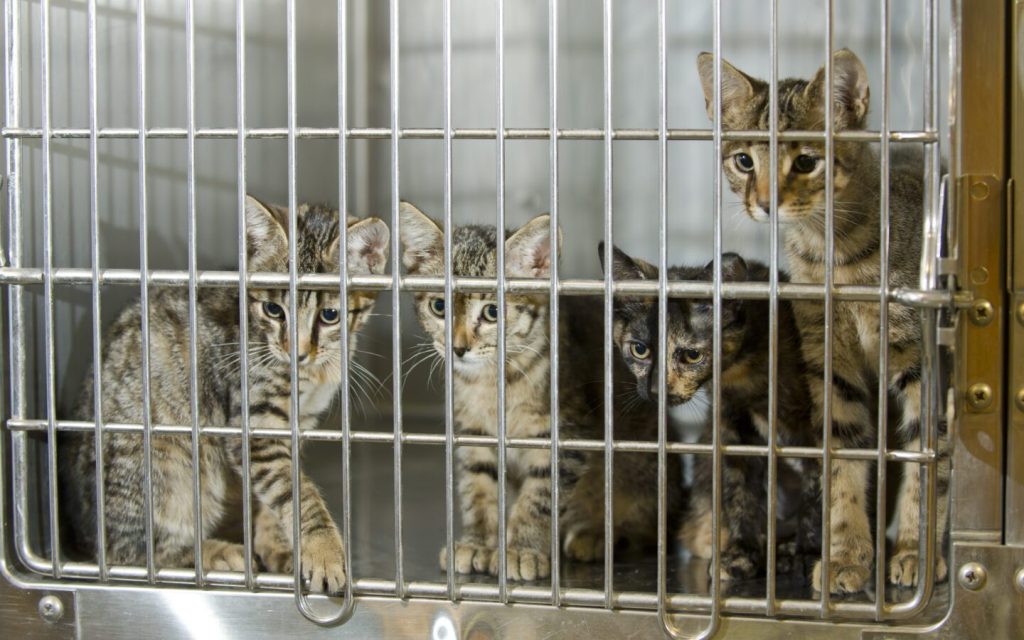
When communities embrace responsible pet ownership, it sets a precedent for others, leading to a culture of accountability. This cultural shift can significantly decrease incidents of neglect and abandonment. Furthermore, by understanding the nuances of pet care, owners can make informed decisions about spaying or neutering, thus playing a part in controlling the animal population sustainably.
4. Supporting Local Animal Shelters and Rescues
Adopting pets not only transforms the lives of the animals but also infuses much-needed financial support into local animal shelters and rescue organizations. These institutions are pillars of animal welfare, yet they heavily rely on adoption fees and donations to maintain operations. Funds are necessary for providing medical care, food supplies, and enhancing shelter facilities to meet acceptable standards.
The monetary aspect is just one element; community involvement extends to volunteering efforts. Many shelters have programs where volunteers can spend time socializing with animals, helping with administrative tasks, or engaging in adoption drives. Such participation not just aids animal welfare but strengthens community bonds as individuals unite for a shared purpose — improving the lives of animals in need.
3. Reducing Stray Animal Populations
The streets of Nigeria can tell the story of countless stray animals, a reality that poses various public health risks. Stray animals, often unvaccinated, may spread diseases such as rabies, posing threats to both human and animal residents. Implementing a robust pet adoption model helps in reducing the number of stray animals by providing them a chance at shelter and care.
For a long-term solution, community-wide educational campaigns can be instrumental in informing the public about the benefits of adopting pets and spaying/neutering practices. These efforts can ensure that fewer animals are left to fend for themselves on the streets, ultimately safeguarding public health and fostering a safer environment.
2. Building Stronger Community Bonds
Pet adoption is a unique thread that weaves people together, creating stronger social networks within communities. The shared experience of pet ownership inspires informal interactions and camaraderie among residents, often leading to rich community cultures centered around animal care. Events such as pet meet-ups, training workshops, or local pet fairs not only provide entertainment but foster inclusivity and belonging.
These gatherings serve as platforms for community members to exchange advice, share experiences, and cultivate friendships that might not have formed otherwise. As a result, the overall social fabric of the community is strengthened, reducing isolation and enriching everyone’s experience.
1. Enhancing Mental and Emotional Well-being
The final, yet profoundly impactful reason to advocate for pet adoption in Nigeria encompasses the mental and emotional benefits pets bring to individuals. Studies consistently show that interacting with pets can reduce stress, lower anxiety, and fend off feelings of loneliness. Pets offer unconditional love and companionship, acting as a stabilizing force in their owners’ lives.
In contexts characterized by economic and social challenges, the emotional support provided by pets is invaluable. Owning a pet can lead to increased physical activity, an established routine, and a sense of purpose, all incredible contributions to one’s mental health. For families, pets can enhance bonds through joint activities like walks or simply spending time together, enriching family dynamics.
Drawing from these points, it becomes clear that the benefits of pet adoption in Nigeria reach far beyond giving animals a home. They encompass promoting responsible ownership, supporting shelters, managing stray populations, enhancing community bonds, and improving mental health. Each adoption fuels a wave of positive change, underscoring the imperative to support and expand these efforts within society.
| Category | Details |
|---|---|
| Community Health Benefits | Adopting pets has been linked to improved mental health, reducing feelings of loneliness and depression among community members. Furthermore, the companionship offered by pets can enhance emotional stability, fostering a happier community atmosphere. |
| Reduction in Stray Populations | Encouraging pet adoption helps to significantly reduce the number of stray animals on the streets, leading to improved public safety and a cleaner environment. It addresses the issue of overpopulation in shelters and creates a more organized system for taking care of animals. |
| Education on Animal Welfare | Promoting pet adoption includes educating the community on responsible animal care, which is essential for reducing cases of abuse. This education can lead to a more compassionate society where individuals understand the importance of respecting and valuing life. |
| Economic Impact | The pet industry stimulates local economies through veterinary services, pet supplies, and employment opportunities created by adoption agencies. As pet ownership increases, so does the demand for related services, benefiting the overall economic health of the community. |
Frequently Asked Questions about the Adoption of Pets and its Importance for the Community in Nigeria
What are some benefits of pet adoption for Nigerian communities?
Adopting pets can provide numerous benefits for Nigerian communities, including promoting emotional well-being among individuals by offering companionship and reducing feelings of loneliness. Additionally, it can help enhance community health by increasing people’s outdoor activities, like walking dogs, thus contributing to a more active lifestyle. Furthermore, pet adoption helps in controlling animal population and reducing the number of strays on the streets, which often leads to fewer cases of animal-related road accidents and spreading of diseases.
How does adopting a pet impact the economic aspect of a community?
The adoption of pets can notably impact the economic aspect of Nigerian communities by creating opportunities for local businesses such as pet shops, veterinary clinics, and pet grooming services. These businesses generate jobs, thereby improving local economies. Moreover, by adopting rather than buying from breeders, people save money, which can then be invested into other important areas of their lives. This action also diverts profit from illegal breeding practices that do not contribute positively to the economy or the welfare of animals.
Is pet adoption seen as culturally acceptable in Nigeria?
Cultural acceptance of pet adoption in Nigeria varies across regions and communities. In urban areas, there is an increasing awareness of the responsibilities and rewards of adopting pets, largely influenced by global trends and educational efforts by non-profit organizations. However, in some rural areas, cultural norms might not strongly favor animal adoption due to historical perceptions that place less importance on domestic animals as companions. Despite this, ongoing educational campaigns are helping to shift these perceptions, presenting the idea of pets not just as animals but as integral members of a community.
What challenges do Nigerians face when adopting pets?
One of the primary challenges facing Nigerians who wish to adopt pets is the lack of sufficient and affordable veterinary care in certain regions, making it difficult to maintain the health of adopted animals. Furthermore, there might be limited awareness about the proper care required for different types of pets, necessitating increased education and resources. Shelter availability is another issue, as many regions have few facilities where animals can be properly cared for before adoption. These challenges underscore the need for greater investment in infrastructure and education about pet care.
Conclusion: The Transformative Power of Pet Adoption in Nigeria
The practice of adopting pets in Nigeria holds significant promise not just for the animals, but for the entire community. Throughout the article, we’ve examined how pet adoption is more than a personal decision; it’s a movement with the potential to bring profound change. By adopting, individuals contribute to mitigating the issue of stray animals, which can greatly improve public health and safety. Moreover, shelters are relieved from overcrowding, allowing for better care of remaining animals.
Beyond these practical benefits, pet adoption offers emotional enrichment and social benefits. Adopters experience improved mental health and companionship, which can effectively combat the loneliness often felt in urban settings. Additionally, pets can bring people together, fostering a sense of community unity and shared responsibility.
Moreover, as awareness grows, adoption can pave the way for enhanced animal welfare laws and education, a crucial step in promoting empathy and care for animals at a nationwide scale. Institutions and organizations in Nigeria could leverage this devotion for animals into broader initiatives that not only improve the lives of pets but also educate and empower citizens.
To summarize, the adoption of pets in Nigeria presents a compelling opportunity to make meaningful change. Whether driven by practicality, empathy, or economic reasons, every adoption makes a difference. As more people recognize the benefits of pet adoption, we can expect to see communities become more harmonious and compassionate. The potential for pet adoption to transform Nigerian society is evident, serving as a beacon of hope and a catalyst for sustainable community development. With continued advocacy and community engagement, the collective impact could indeed be remarkable. Let us encourage this growth and witness the blossoming of a pet-friendly nation.