Positive training techniques for dogs: How to reinforce desired behaviors
Unlocking Canine Potential
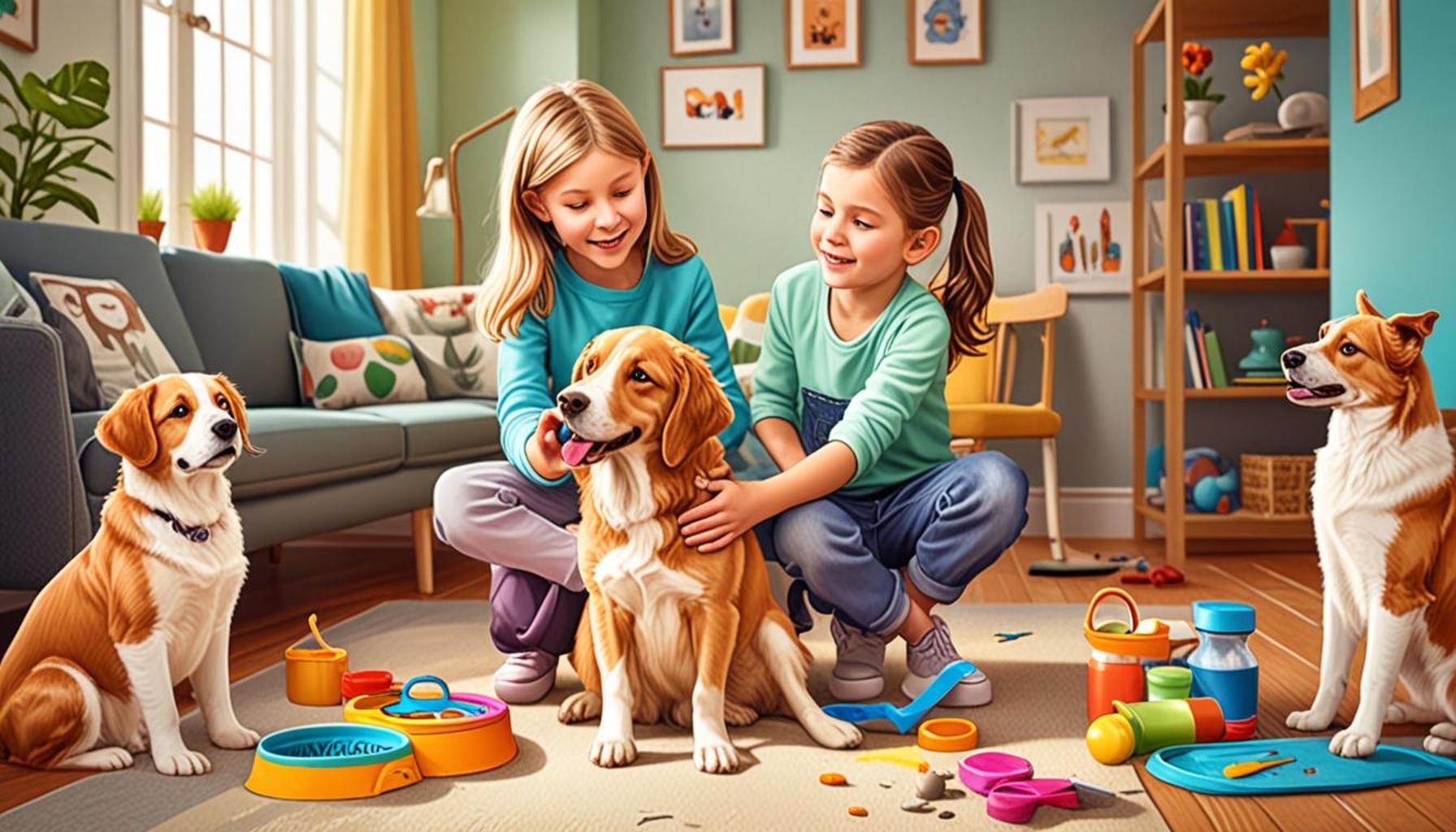
Training your dog can be a rewarding journey filled with laughter and bonding moments. Using positive training techniques is not only effective but also strengthens the relationship you share with your furry friend. The focus is on encouraging desired behaviors through methods that nurture trust and understanding, creating lasting memories along the way.
Key Benefits of Positive Training
- Strengthens the bond between owner and dog. A well-trained dog that understands commands can better connect with its owner, leading to more enjoyable experiences during walks, playtime, and everyday interactions.
- Promotes a happier, more confident pet. Positive reinforcement helps dogs feel secure, reducing anxiety and fear. This confidence often translates into more playful and energetic behavior, contributing to their overall well-being.
- Encourages quick learning and better understanding. Since dogs respond positively to reward-based training, they are more likely to repeat behaviors that get them praise or treats, making the learning process quicker and more efficient.
In Nigeria, where cultural factors can influence training styles, it’s essential to adapt techniques that resonate with the local environment. The diverse traditions and lifestyles across the country mean that dog training can be approached in various ways, blending modern methods with local customs. Training shouldn’t be a battle; it should be an enjoyable experience for both the dog and the owner. For instance, while many in urban areas may adopt structured training sessions, rural communities might integrate training into daily activities, allowing dogs to learn commands while working alongside their owners in fields or during communal activities.
Techniques such as:
- Clicker training for clear communication. This method uses a distinct sound to signal to your dog that they have performed the correct behavior, which reinforces their learning process.
- Treat rewards to reinforce good behavior. Treats can be simple, locally sourced snacks, such as chicken or fish, making it easy for owners to keep their dogs motivated during training.
- Praise and affection to motivate. Verbal affirmations and physical affection can be incredibly motivating for dogs, especially in a culture that values warmth and community interaction.
Understanding how to effectively apply these methods can lead to a well-mannered and joyful companion. As we dive deeper into the world of positive reinforcement, you’ll discover how simple techniques can yield powerful results. This learning journey not only enriches your dog’s life but enhances the connection you share, paving the way for a harmonious life together.
SEE ALSO: Click here to read another article

Effective Methods for Reinforcing Positive Behaviors
When it comes to positive training techniques for dogs, the key lies in understanding how to effectively reinforce desirable behaviors. Just like humans, dogs thrive on recognition and rewards. By creating a supportive learning environment, you can guide your pet towards behaviors that enhance their well-being and your mutual enjoyment. Here are some proven methods to consider:
1. Clicker Training: A Powerful Communication Tool
One of the most effective positive training techniques is clicker training, which utilizes a small handheld device that produces a distinct clicking sound. The clicker serves as a bridge between the desired behavior and the reward. When you click the moment your dog performs the right action, they quickly learn to associate the sound with positive reinforcement. This technique not only helps in conveying clear commands but also fosters better understanding between you and your dog. In Nigeria, clickers are becoming increasingly available, allowing pet owners to embrace this method easily.
2. Reward-Based Training: Leveraging Treats
Using treat rewards is another effective method to reinforce good behavior. Dogs are often motivated by food, and structuring their training sessions around tasty treats can lead to quick results. Locally sourced treats like chunks of chicken, fish, or even small pieces of yam can be highly effective incentives. By rewarding your dog immediately after they follow a command, you establish a positive connection and encourage them to repeat the behavior in the future. Remember, consistency is vital in this technique; timing and frequency of rewards will significantly impact your dog’s learning curve.
3. Praise and Affection: The Power of Connection
The importance of verbal praise and physical affection cannot be overstated in positive training techniques. In a culture where community and companionship are paramount, expressing love and appreciation for your dog’s efforts can be a strong motivator. Your enthusiastic “good boy” or gentle pet can light up your dog’s eyes and encourage them to engage even more during training sessions. Integrating verbal affirmations with treats creates a powerful reinforcement loop that can accelerate learning.
4. Consistency in Commands
Consistency is crucial in positive training. Utilizing the same commands for specific actions will help your dog understand exactly what you expect. Ensure that all family members use the same cues to avoid confusion. For example, whether you’re training your dog to sit or stay, it should be consistently referred to using the same word and tone across all training sessions.
By integrating these methods into your training routine, you create a more enriching experience for both you and your dog. Positive reinforcement not only builds a solid foundation for learning but also strengthens the emotional connection you share. As you continue to practice these techniques, you’ll notice not just improved behavior but also a happier, more confident companion by your side.
As we delve deeper into
Positive Training Techniques for Dogs: How to Reinforce Desired Behaviors
, it’s essential to understand why positive reinforcement is not just effective, but also beneficial for building a lasting bond between you and your dog. Reinforcing desired behaviors through rewards such as treats, praise, or play offers a plethora of advantages that go beyond mere obedience.One significant advantage of positive training techniques is the reduction of fear-based reactions. When dogs associate commands with rewards rather than punishment, they are less likely to react fearfully or aggressively, creating a safer environment for both the pet and owner. Additionally, positive reinforcement encourages your dog to engage more during training sessions, which can accelerate the learning process.Furthermore, the emotional benefits of this training approach cannot be overlooked. Dogs trained with positive reinforcement often exhibit increased confidence and happiness, making them more sociable and easier to manage. This fosters a positive atmosphere in your home, where your pet feels secure and loved.To supplement your understanding, here is a table illustrating some key advantages of using positive reinforcement techniques in dog training:
| Category | Benefits |
|---|---|
| Enhanced Learning | Dogs quickly learn commands and behaviors, leading to effective communication. |
| Stronger Bond | Positive interactions build trust and deepen the relationship between the owner and pet. |
| Less Aggression | Eliminates fear-based reactions, leading to a more calm and controlled pet. |
In summary, implementing positive reinforcement in your dog training not only enhances the learning experience but also contributes to a happier, healthier relationship with your furry friend. This method proves to be invaluable in nurturing well-behaved dogs capable of thriving in various environments. By understanding these techniques, you can pave the way to a harmonious relationship with your canine companion.
SEE ALSO: Click here to read another article
Advanced Techniques for Enhancing Positive Training
As you delve deeper into positive training techniques for dogs, incorporating advanced methods can further enrich the learning experience. Not only do these techniques help reinforce desired behaviors, but they also promote mental stimulation and strengthen the bond between you and your furry friend. Here are additional strategies you might consider integrating into your training regimen:
5. Target Training: Teaching Through Focus
Target training involves teaching your dog to touch a specific target, such as your hand or an object, with their nose or paw. This technique can be incredibly useful for guiding your dog to perform certain actions or to navigate through obstacles. Begin by presenting a target, and when your dog interacts with it, provide a reward. Over time, you can increase the distance and complexity of the task. This method not only helps your dog learn commands more effectively but also enhances their problem-solving skills, allowing them to become more agile and responsive.
6. Socialization and Group Classes: Building Behavioral Skills
Taking your dog to group training classes can significantly aid in reinforcing desired behaviors. Socialization is a fundamental aspect of dog training, as it helps your pet learn how to interact with other dogs and people positively. Enrolling in a class provides a controlled environment for your dog to practice skills amidst distractions. The exposure to new experiences, sights, and sounds can help build their confidence and decrease behavioral issues stemming from fear or anxiety. Look for local classes in your area or community centers that offer dog training sessions focused on positive reinforcement methods.
7. Incorporating Games: Learning Through Play
Introducing playful elements into training sessions can transform mundane tasks into engaging activities. Dogs are naturally playful creatures, and utilizing games such as hide-and-seek, fetch, or tug-of-war can reinforce commands in a fun way. For example, during a game of fetch, you can incorporate commands like “drop it” or “bring it here.” The playful nature of such activities often results in enthusiastic participation, resulting in effective learning experiences.
8. Environmental Management: Setting Up for Success
Creating a conducive training environment is vital for successful reinforcement. This means strategizing how to prevent unwanted behaviors by managing your dog’s surroundings. For instance, if your dog tends to chew on household items, keep them out of reach during training sessions. Conversely, if you want to reinforce positive behaviors like sitting calmly, provide them with a special spot, like a mat or a designated area, where they can feel secure and comfortable while learning. This tactic not only minimizes distractions but also helps your dog understand what is expected of them in their training space.
By incorporating these advanced techniques into your routine, you’ll be able to refine your dog’s behavior and promote a deeper understanding of your communication. Remember, the essence of positive training lies in patience, consistency, and celebration of progress, no matter how small it may seem. These elements combined can have a profound impact on your dog’s learning journey, paving the way for a more harmonious relationship between you and your canine companion.
SEE ALSO: Click here to read another article
Conclusion
In the realm of dog training, incorporating positive training techniques is essential for fostering good behavior and nurturing a loving relationship between you and your canine companion. By utilizing methods such as target training, group classes for socialization, engaging games, and effective environmental management, you can create an enriching training environment that ensures not just compliance but also enthusiasm from your dog. Each of these methods serves to enhance understanding, instill confidence, and reinforce the behaviors you wish to encourage.
As you embrace these strategies, remember that consistency and patience are crucial. Each small step forward, whether it’s your dog responding to commands or growing more comfortable in social settings, deserves celebration. Such incremental progress not only solidifies learning but also strengthens the bond you share, paving the way for a happy, well-adjusted pet.
Furthermore, it’s noteworthy that dog training is not a one-size-fits-all approach. Be mindful of your dog’s unique personality and training needs as you explore various techniques. Engaging with local training classes can also provide additional insights and expertise tailored to your specific context, which is especially valuable in diverse environments like Nigeria, where community-driven initiatives abound. This journey of positive reinforcement ultimately leads to a stronger, more rewarding partnership with your dog, allowing them to thrive as remarkable members of your family.