Tips for Mental Health Care for Dogs and Cats
Understanding Your Pet’s Mental Well-being
Taking care of your pets goes beyond feeding and grooming; it includes understanding their mental health. Just as humans face challenges that affect their mental states, dogs and cats can experience anxiety and distress too. This is particularly important in urban areas of Nigeria where fast-paced living can result in increased stressors for pets.
Pet owners in Nigeria must be aware of the factors that can influence their furry friends’ mental health. Each of these factors can significantly impact a pet’s behavior and overall happiness, and it is crucial to recognize how they manifest:
- Environmental changes: Moving to a new home, remodeling, or even just rearranging furniture can be disorienting for pets. Unfamiliar scents and sounds may cause anxiety, resulting in behavioral changes. For instance, a dog may react to the sounds of traffic or construction differently than it would to the comforting noises of the previous neighborhood.
- Social interactions: Dogs and cats are social creatures and thrive on interaction. A lack of playtime, companionship, or exposure to other animals can lead to loneliness and stress. Especially in metropolitan cities like Lagos, where the hustle and bustle often distracts owners from spending quality time with their pets, the result may be a lonely and distressed animal.
- Health issues: Undetected pain or illness can directly affect an animal’s behavior, leading to increased irritability or withdrawal. Regular veterinary check-ups can help ensure that pets are healthy and happy.
Fostering a positive environment is essential for keeping pets happy and mentally fit. Here are some effective approaches to enhance mental well-being in your dogs and cats:
- Regular exercise: Just like humans, pets require physical activity to stimulate their minds and bodies. Dogs benefit from daily walks and fetch games, which can greatly alleviate stress. For cats, interactive toys can simulate hunting, providing mental and physical engagement.
- Consistent training: Training should be a fun activity that strengthens the bond between a pet and its owner. It not only helps with obedience but also builds trust. Positive reinforcement techniques can turn training into an enjoyable experience for both the pet and owner.
- Quality time: Engaging in activities such as grooming, playing games, or simply lying on the floor together can deepen the bond between you and your pet. This connection can reassure them that they are safe and loved.
Recognizing signs of stress in your pets is crucial for their mental health. By being observant, you can take timely action to alleviate their discomfort. Common indicators include:
- Excessive barking or hiding: Anxious pets may bark excessively or seek refuge in small spaces, indicating they are overwhelmed.
- Declining appetite or lethargy: A drop in appetite or an increase in sleeping time can signal that something is wrong, emotionally or physically.
- Increased aggression or destructive behavior: Stress may lead pets to act out aggressively or destroy household items as a coping mechanism.
As you read on, you’ll discover practical tips and insights to improve the mental health care of your beloved pets. Understanding these concepts can ensure they lead happy and fulfilling lives. Investing time and energy into your pet’s mental well-being not only enhances their quality of life but also strengthens the bond you share with them, leading to a happier household for all.
Creating a Safe and Stimulating Environment
One of the foundational aspects of mental health care for dogs and cats is creating a safe and stimulating environment. This involves ensuring that your pet has a space where they feel secure and can express their natural behaviors. A pet-friendly environment not only reduces stress but also enhances their overall happiness.
Start by providing a designated area for your pet that incorporates their favorite belongings, such as their bed, toys, and feeding dishes. This will give them a sense of ownership and stability. Including places where they can retreat to when feeling overwhelmed—like cozy caves or quiet corners—offers them a safe haven to relax. Importantly, keep their living environment free of dangerous items, including electrical cords, poisonous plants, and small objects that they might ingest.
In addition to a safe space, sensory stimulation plays a crucial role in your pet’s mental welfare. Pets often find joy in different textures, sounds, and scents. Here are several ideas to enhance sensory engagement:
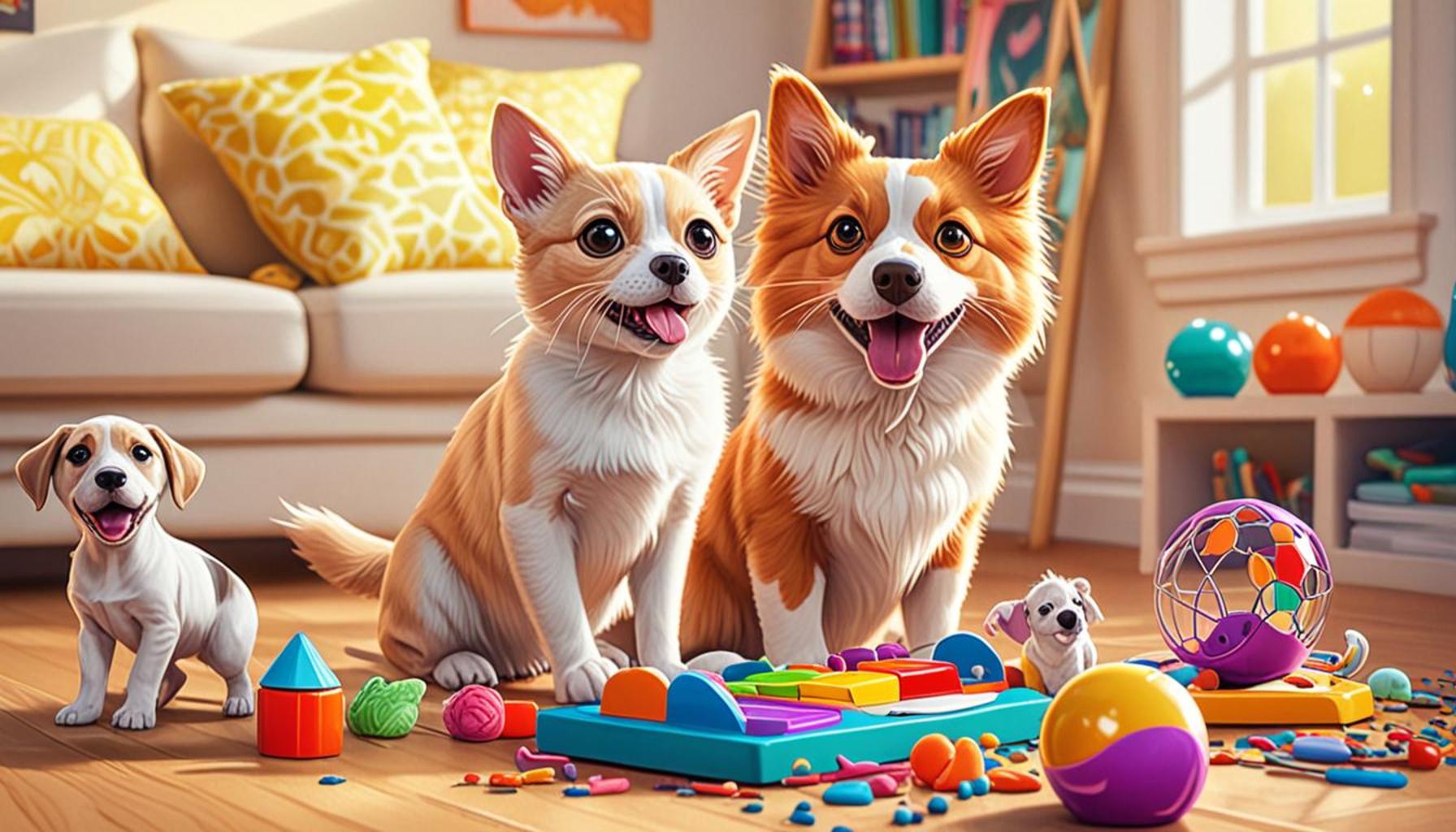
- Interactive toys: Invest in challenging toys that require your pets to solve puzzles to receive treats. This type of mental workout keeps their minds active and encourages problem-solving.
- Varied scents: Allow your pets to explore different scents during walks or playtime. Dogs, in particular, have a keen sense of smell, and letting them sniff around can be enriching and calming.
- Different textures: Provide a variety of bedding and toys with different textures to engage your pet’s tactile senses. Cushy blankets, rough toys, and scratching posts can cater to their natural instincts.
Moreover, it’s essential to focus on routine. Animals thrive on predictability, and establishing a consistent daily schedule for feeding, walking, and playtime can greatly reduce anxiety. Cats, for instance, often prefer structured routines that include play sessions at specific times of the day. This predictability helps them feel more secure and reduces stress levels.
In urban areas such as Lagos, where pets can be exposed to noise and commotion, a calm atmosphere is paramount. Using calming music or white noise machines can mask sudden disturbances, helping your pets feel more at ease. Additionally, consider utilizing natural remedies, such as pheromone diffusers or calming sprays designed to soothe anxious pets.
As you implement these strategies, be vigilant in observing your pet’s behavior. Changes like increased hiding, aggression, or changes in appetite can signify stress, underscoring the importance of mental health care. By taking proactive measures to alleviate these stressors, you’re not only ensuring their mental wellness but also fortifying the loving bond you share.
Stay tuned for the next section, where we will delve into the significance of social interactions, the role of positive reinforcement training, and how to recognize specific signs of mental distress in pets. These insights will empower you to foster an environment where your furry companions can thrive.
| Category | Advantages |
|---|---|
| Regular Exercise | Physical activity helps to reduce anxiety and stress in pets, promoting overall well-being. |
| Mental Stimulation | Engaging toys and puzzles can enhance cognitive function, keeping your pets mentally sharp and happy. |
| Social Interaction | Spending time with other pets and humans can significantly boost mood and reduce feelings of loneliness. |
| Routine and Stability | Maintaining a consistent schedule can help create a sense of security, which is crucial for mental health. |
Incorporating these practices into your pet care routine can foster a nurturing environment for your dogs and cats, ultimately leading to a healthier, happier life. Regular exercise increases endorphins, while mental stimulation through activities like training and play can foster a positive emotional state. Social interaction not only enriches their lives but also enhances their adaptability and reduces stress levels. Lastly, ensuring a stable and predictable routine provides essential comfort, making pets feel more secure. By attentively addressing your pets’ mental health needs, you can significantly improve their quality of life, forging stronger bonds and paving the way for a fulfilling companionship.
The Importance of Social Interactions
Just like humans, dogs and cats benefit immensely from social interactions, which play a crucial role in their mental health. Exposure to other animals and people fosters confidence and helps alleviate feelings of loneliness or anxiety. In Nigeria, where communal living is prevalent, pet owners have a unique opportunity to leverage socialization for their furry friends.
For dogs, regular engagement with other dogs can enhance their social skills. Arrange playdates with fellow dog owners or visit pet-friendly parks where dogs can interact freely. This exposure not only builds camaraderie but also teaches your dog how to communicate effectively with their peers, reducing fearfulness that may stem from unfamiliar situations.
Cats, on the other hand, may be a bit more selective about their social encounters. They tend to form strong bonds with their human companions and may require a different type of social engagement. Ensuring that your cat receives attention and affection in a calm manner can improve their emotional well-being. Activities such as gentle play sessions with feather wands or engaging them in interactive treat games can strengthen your bond while also stimulating their minds.
Positive Reinforcement Training
Training is often overlooked as a mental health tool, yet it holds significant value for both dogs and cats. Utilizing positive reinforcement techniques—where good behavior is rewarded—can create a sense of accomplishment and boost confidence in your pet. This method not only encourages good behavior but also fosters trust between you and your furry companion.
Incorporating training sessions into your daily routine can be both fun and effective. Use treats, praise, or playtime as rewards to motivate your pet. For dogs, basic commands such as ‘sit,’ ‘stay,’ and ‘come’ can be taught through this method, while cats can learn to respond to their names or perform simple tricks. These activities keep pets mentally engaged and provide essential mental exercise, which is vital for their happiness.
Recognizing Signs of Mental Distress
While creating a nurturing environment and fostering social interactions are essential steps toward maintaining your pet’s mental health, it is equally important to be vigilant about signs of mental distress. Pets often communicate their feelings through behavior; thus, being aware of these changes is crucial.
- Withdrawal: If your pet suddenly seeks solitude or shows less interest in play, it may indicate stress or emotional issues.
- Changes in appetite: A significant decrease or increase in food intake can signal anxiety or depression.
- Excessive barking or meowing: Such vocalizations can reflect distress, particularly if they become frequent and uncharacteristic.
- Destructive behavior: Chewing furniture or excessive scratching can indicate boredom or anxiety, urging the need for more stimulation.
In Nigeria, communities can benefit from shared resources to monitor and support pet mental health. Establishing pet support groups, leveraging social media platforms, or engaging local veterinarians can provide not only guidelines for day-to-day care but also a network of support for recognizing and addressing mental health issues. The richer the knowledge we cultivate about our pets’ psychological needs, the better equipped we are to provide the love and care they deserve.
In the upcoming section, we will explore nutrition’s impact on mental health and how specific diets can contribute positively to your pet’s overall well-being.
Conclusion
In summary, safeguarding the mental health of our dogs and cats is not merely an act of kindness; it is a vital aspect of responsible pet ownership. By prioritizing social interactions, utilizing positive reinforcement training, and being vigilant about recognizing signs of mental distress, pet owners can significantly enhance their furry companions’ emotional well-being. The communal living style in Nigeria provides a unique advantage, allowing pet owners to engage with their neighbors and create enriching social experiences for pets.
Moreover, ongoing education about your pet’s psychological needs can lead to more informed decisions regarding their care. Engaging with local veterinarians, participating in community groups, or sharing experiences on social media platforms can create a supportive environment for addressing mental health issues. Just as we take the time to care for our own mental health, investing time and effort into understanding and fulfilling the emotional needs of our pets will lead to happier, healthier lives for both pets and their owners.
As we further explore aspects such as nutrition and the impact of diet on mental health, it becomes increasingly clear that comprehensive care extends beyond basic needs. The bond between pets and their owners flourishes with each thoughtful initiative taken towards their mental health. By being proactive in these practices, we pave the way for a more fulfilling life for our beloved companions.