The Influence of Nigerian Culture on Pet Care
Exploring Pet Care Practices Through the Lens of Nigerian Culture
Nigeria’s vibrant cultural heritage profoundly shapes various aspects of life, and pet care is no exception. From bustling urban centers to serene rural landscapes, the way pets are raised and cared for underscores significant cultural nuances and traditions that are unique to the country. Each region in Nigeria contributes its own characteristics to pet ownership, resulting in a rich tapestry of practices and beliefs.
Religious Beliefs: Various religions play an essential role in shaping attitudes towards animals in Nigeria. For example, in some Islamic communities, dogs are often viewed with caution and their presence can be frowned upon. This is rooted in religious teachings that emphasize cleanliness. In contrast, Christianity tends to embrace a more affectionate relationship with pets, encouraging owners to care for them as part of God’s creation. These differing perspectives significantly influence how people within these communities treat their animals.
Traditional Practices: Deep-rooted beliefs and folklore significantly influence the Nigerian approach to pet care. For instance, many folk tales incorporate animals as central characters that impart valuable life lessons. In Yoruba tradition, proverbs often exemplify the harmonious relationship between humans and pets, highlighting loyalty and companionship as distinguishing traits. These narratives not only celebrate the bond between humans and animals but also underscore the vital role pets play in the cultural identity of communities.
Community Engagement: The ownership of pets frequently mirrors social status and fosters community ties. In urban areas such as Lagos and Abuja, owning a well-groomed dog or cat can elevate social standing, with pet ownership seen as a sign of affluence. Community events, such as dog shows or pet parades, further strengthen neighborly relations, as they provide opportunities for social interaction among pet owners. Conversely, in rural settings, dogs are primarily valued for their practical roles, such as guarding homes and herding livestock, which reflects a utilitarian relationship rather than just companionship.
The evolution of pet ownership in contemporary urban environments offers a fascinating blend of traditional and modern practices. With an increase in disposable income and the influence of Western culture, many Nigerians now consider pets as family members, welcoming them into their homes and lifestyles as never before. Pet stores, grooming salons, and veterinary clinics are sprouting up across cities, introducing a new layer of care that aligns with global pet care trends.
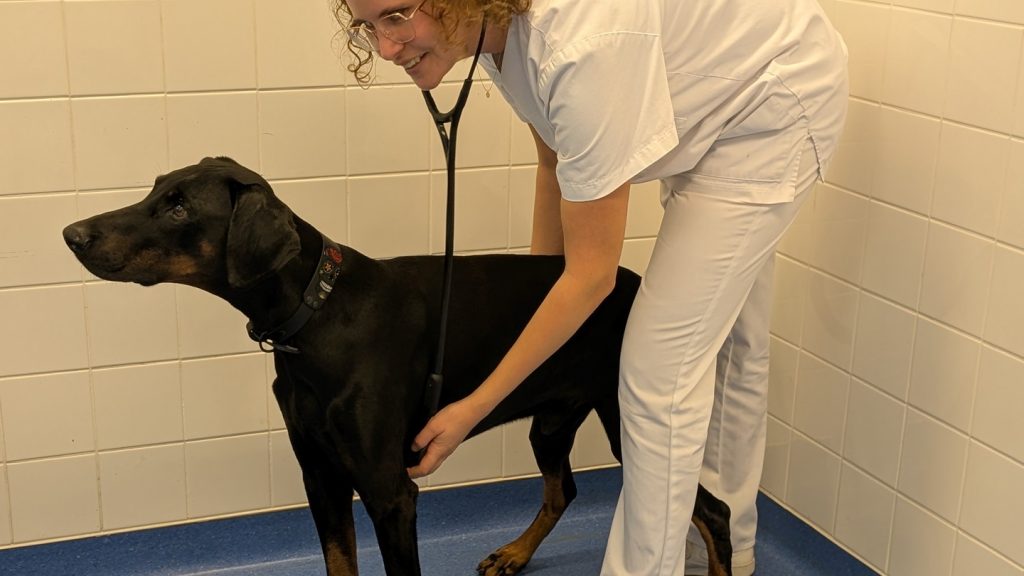
As we examine these cultural dimensions, we uncover the intricate ways in which Nigerian society impacts pet care practices and the evolving roles pets play in households. By studying the interactions between traditional customs and modern influences, we gain valuable insights into the complexities of pet companionship within Nigeria, enriching our understanding of this important aspect of Nigerian life.
Deep Cultural Roots: A Guide to Nigerian Pet Care Practices
The nuances of Nigerian culture resonate profoundly in the way pets are perceived and cared for throughout the nation. One of the foremost influences stems from the diverse ethnic groups that populate Nigeria. With over 250 recognized ethnicities, each boasting its unique beliefs and traditions, the treatment and care of pets can vary dramatically from one region to another.
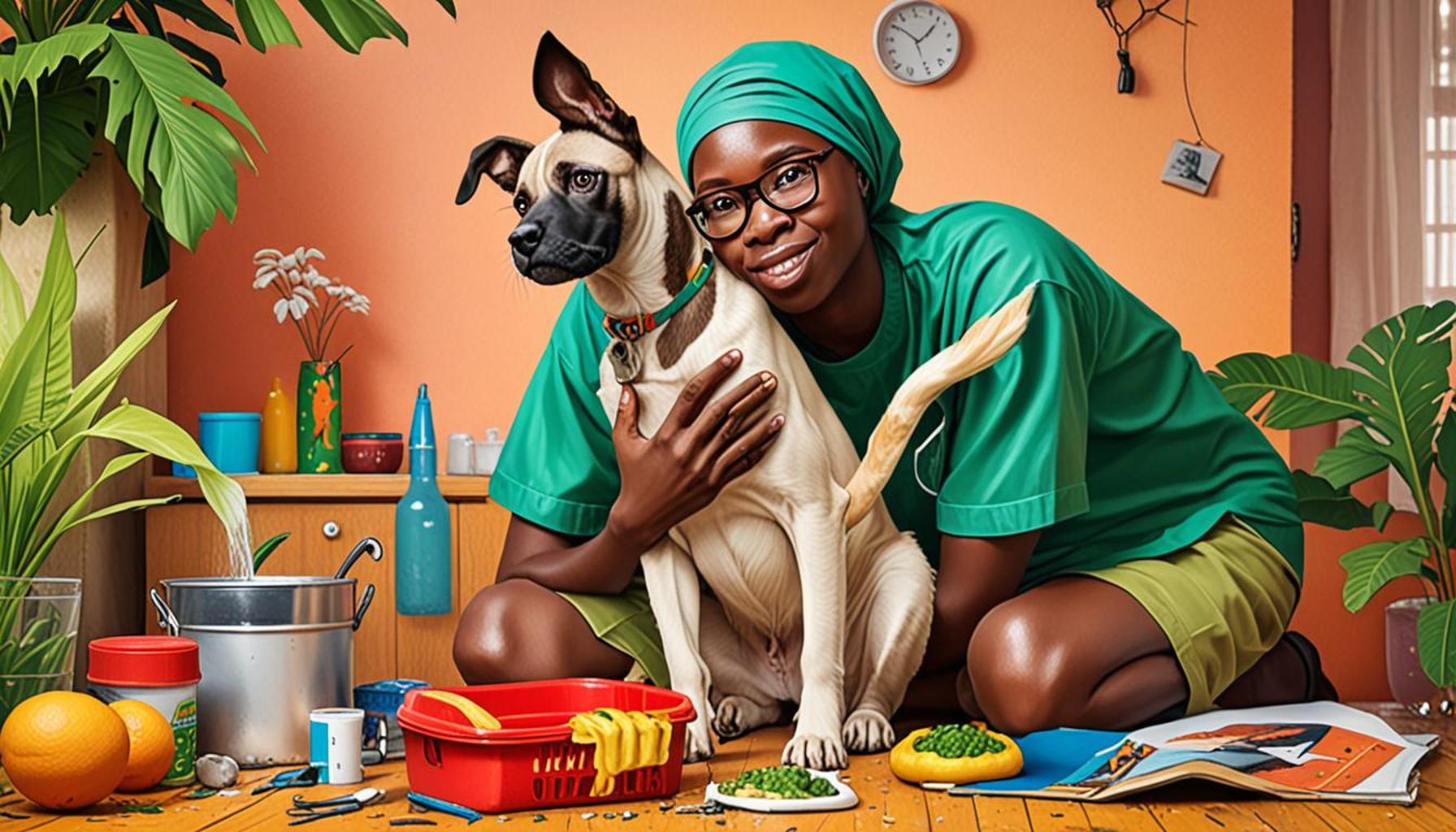
Regional Variations in Pet Ownership: Understanding Nigerian pet care begins with recognizing the regional distinctions. In many Hausa communities in the north, for instance, pets such as dogs and cats are often monitored closely due to cultural attitudes towards cleanliness and hygiene. These communities frequently view pets as working animals—dogs serve substantial roles in herding livestock, while cats are revered for their ability to keep vermin at bay. Conversely, in the southwestern states, particularly among the Yoruba, pets are given a more affectionate status, often regarded as members of the family. This cultural difference shapes the choices pet owners make in terms of nutrition, shelter, and veterinary care.
Incorporation of Traditional Beliefs: Traditional beliefs and the influence of folklore also play a pivotal role in shaping pet care practices. Many Nigerians hold a deep respect for animals, viewing them through a lens steeped in spiritual significance. For example, certain animals are considered auspicious and are often featured in traditional ceremonies or rituals. Practices such as offering food to ancestral spirits through pets or keeping animals to maintain a balance of spiritual energy reveal how intertwined cultural practices are with pet ownership. Common guiding principles in caring for pets, such as feeding and sheltering them during significant events or festivities, underscore the importance of community customs.
Modern Pet Care Trends: As Nigeria undergoes rapid urbanization, the landscape of pet ownership is evolving. Pet care is increasingly adopting modern practices, influenced by globalization and the proliferation of social media platforms. Urban dwellers now frequent pet shops populated with an array of pet products—ranging from specialty diets to stylish accessories. The emergence of dog training schools and grooming services reflects a shift towards prioritizing the well-being of pets as family members. Furthermore, many Nigerian cities are witnessing a growing trend of adopting mixed and exotic breeds, adapting foreign customs into local pet care regimes.
Connecting these various strands—from cultural beliefs to evolving practices—provides insight into the unique Nigerian perspective on pet ownership. As we delve deeper into these dimensions, it becomes evident how pivotal culture is in shaping pet care practices across the nation. By understanding these influences, we can appreciate not only the responsibilities that come with pet ownership but also the cultural richness that accompanies this bond between humans and their animal companions.
| Cultural Practices | Pet Care Approaches |
|---|---|
| Community-Based Support | Nigerians often engage in communal support systems for pet care, sharing resources and knowledge among neighbors. |
| Traditional Healing | Many individuals utilize indigenous herbal remedies and treatments for pets, emphasizing a holistic approach to their health. |
| Religious Beliefs | Certain practices related to pet care are influenced by spirituality, where pets are viewed as part of family units blessed by ancestors. |
| Cultural Festivals | Events such as local festivities often include recognition and celebration of pets, showcasing their significance in social interactions. |
The rich tapestry of Nigerian culture reveals how pets are not just animals, but integral members of families. The communal sharing of pet care practices fosters a network of support that enhances the wellbeing of pets across neighborhoods. Utilizing traditional healing methods underscores a deep-rooted belief in nature’s offerings, blending modern veterinary practices with ancient wisdom. Furthermore, the influence of religious beliefs adds layers of respect and care that these animals receive, intertwining spiritual significance with everyday pet ownership. Cultural festivals serve as a vibrant stage to acknowledge these companions, fostering community bonds and celebrating the roles pets play in nurturing human relationships. This cultural intersection is vital for understanding the evolving landscape of pet care in Nigeria and invites deeper exploration into the practices that shape these relationships.
Emerging Trends: The Intersection of Tradition and Modernity in Pet Care
Nigerian pet care practices are not only shaped by cultural beliefs and regional variations but also significantly influenced by the rapid technological advancements and shifting societal norms. The growing urban middle class in Nigeria is increasingly embracing a lifestyle that prioritizes pet companionship, simultaneously blending traditional care methods with modern conveniences.
The Rise of Pet Services: The past decade has witnessed an explosion in pet-related services across major cities such as Lagos, Abuja, and Port Harcourt. Entrepreneurs are stepping up to meet the increasing demand for pet grooming, training, and even dog walking services. Pet owners are now more inclined to hire professionals rather than relying solely on personal care methods passed down through generations. This shift has led to the establishment of specialized pet hotels and daycare facilities catering to busy urban families, thereby allowing them to balance work and play effectively.
Pet Nutrition Revolution: Amidst the traditional use of local ingredients for pet diets, there is a growing awareness regarding the nutritional needs of pets. Modern pet owners are turning to premium pet foods that incorporate holistic and organic ingredients. Brands that offer natural dog and cat food, which includes local fish, chicken, and grains, are gaining traction and reflecting a fusion of Nigerian ingredients with international quality standards. These developments not only illustrate a shift in consciousness regarding pet health but also signify the potential for local businesses to cater to both tradition and modern pet care demands.
The Role of Social Media: Social media platforms are reshaping how Nigerians view and treat their pets. Instagram and Facebook have become hotbeds for pet influencers, showcasing everything from unique pet outfits to charming antics, which have engendered a sense of community among pet owners. Online forums and groups allow for the exchange of pet care tips that seamlessly blend traditional knowledge with modern insights. This phenomenon is fostering a culture where pet ownership transcends mere duty and evolves into a lifestyle characterized by affection, creativity, and pride.
Awareness of Animal Welfare: Alongside the burgeoning trends associated with pet care, there is also a noteworthy rise in the awareness of animal welfare. Organizations advocating for animal rights and proper care practices are increasingly becoming vocal within urban communities, often working in tandem with governmental efforts to promote humane treatment of pets. Consequently, local initiatives like vaccination drives and spay/neuter programs are gaining momentum, enhancing public education about responsible pet ownership. This shift demonstrates a pivotal point where traditional beliefs align with contemporary rights-based perspectives on animal treatment.
Pet Ownership and Community Identity: Pets are increasingly becoming emblematic of social status and family identity in urban Nigeria. As communities evolve, the presence of pets within households signifies a modern family approach, where pet ownership reflects values like affection, companionship, and responsibility. Various cultural festivities now include pets as part of family celebrations, showcasing them in customized attire or presenting them during gatherings, thereby cementing their place in the fabric of Nigerian society.
This fascinating interplay between tradition and modernity highlights the ongoing evolution of pet care in Nigeria. As diverse cultural roots continue to influence pet ownership methodologies, a new generation of pet lovers is emerging, uniquely positioned to blend the rich heritage of their forebears with the innovations of the contemporary world, thus redefining the core essence of pet care in the nation.
Conclusion: Embracing the Future of Pet Care in Nigeria
The landscape of pet care in Nigeria is undergoing a remarkable transformation, influenced by the rich tapestry of Nigerian culture while navigating the currents of modernity. As we have explored, traditional care practices coexist with innovative approaches, offering a holistic strategy for nurturing pets that honors both heritage and emerging trends.
From the rise of specialized pet services in urban centers to a vibrant community blossoming around social media platforms, it is clear that Nigerian pet owners are reshaping their relationships with their furry companions. The growing emphasis on animal welfare and responsible ownership reflects a collective shift in consciousness where pets are no longer mere guardians or tools, but cherished family members deserving of love, attention, and quality care.
As Nigerian culture continues to influence pet care, it is imperative to recognize the potential for local businesses to thrive by integrating traditional values with contemporary standards. The fusion of local ingredients into pet nutrition signifies a promising direction for our culinary practices while providing health benefits for pets. Moreover, as awareness around animal rights increases, fostering a culture of respect and compassion towards all creatures helps to strengthen communities and elevate the standards of pet care nationwide.
Looking ahead, the evolution of pet care in Nigeria heralds a new era of opportunity where tradition meets innovation. This dynamic interplay not only enhances our understanding of pet companionship but also invites further inquiry into how our cultural identity continues to shape the responsibilities and joys of pet ownership. For those keen on exploring the depths of this evolving narrative, the journey promises to be rewarding and revealing, merging our fondest cultural traditions with the demands of a modern lifestyle.