
How Sleep Routine Affects Pets’ Mental and Physical Health
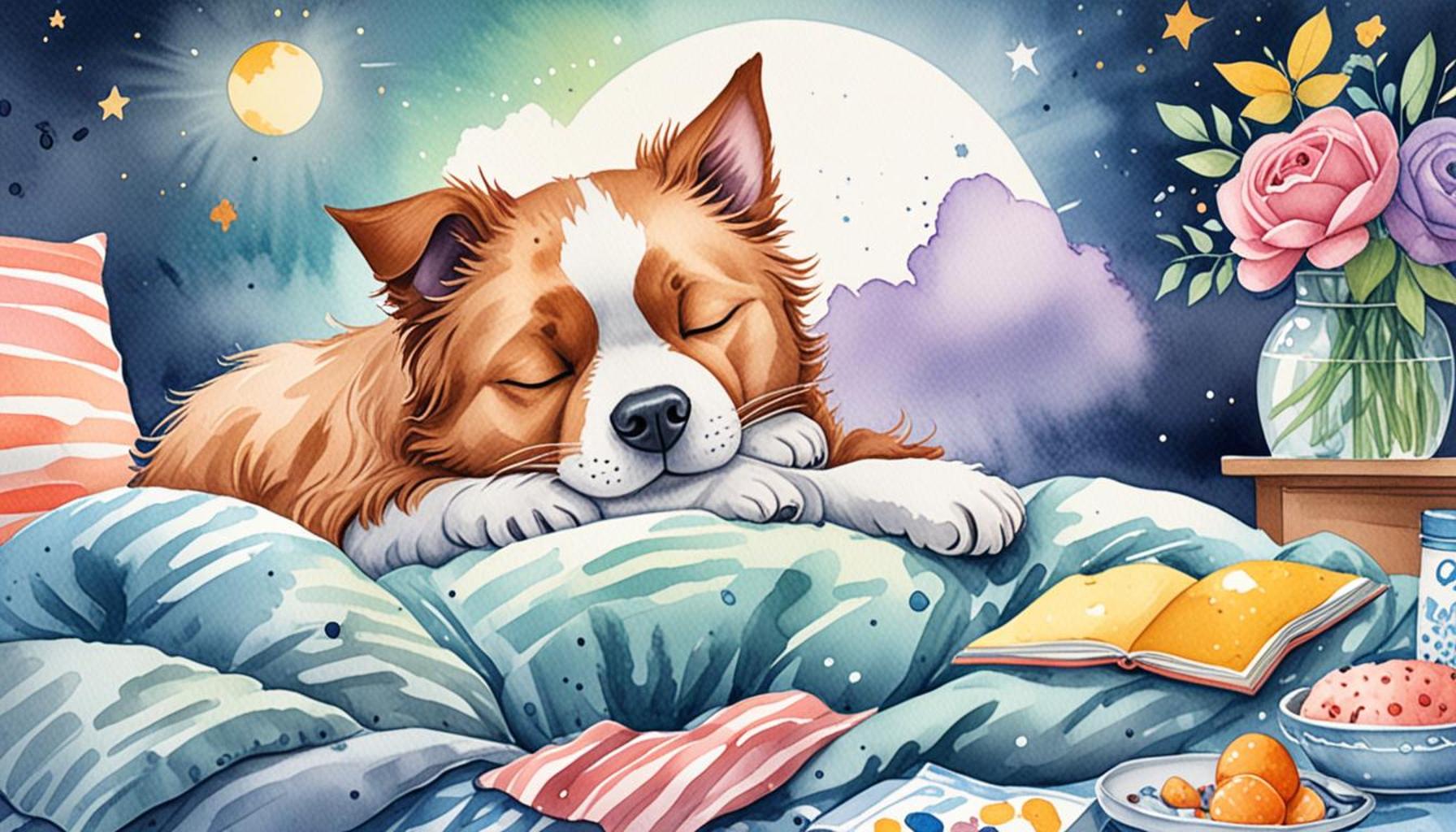
The Vital Role of Sleep in Maintaining Your Pets’ Health
Many pet owners often overlook the significant impact that a proper sleep routine can have on their animals’ well-being. Just like humans, our furry friends thrive on consistent sleeping patterns, which play a crucial role in their mental and physical health. The importance of sleep for pets is not merely a matter of comfort; it significantly affects their overall quality of life. Studies suggest that, on average, cats can sleep anywhere from 12 to 16 hours a day, while dogs might clock around 12 to 14 hours, depending on their breed and age. This highlights the innate need for rest that must be met for optimal health.
Establishing an effective sleep routine for pets can lead to:
- Enhanced Mood: A well-rested pet is generally happier and more active, showing a greater inclination to engage in playtime or affection. For instance, dogs that receive quality sleep tend to exhibit more enthusiasm during walks and interactive play.
- Improved Cognitive Function: Quality sleep contributes to better memory and learning abilities in pets. This is particularly important for training sessions, as pets that are well-rested often retain commands and tricks more swiftly, benefiting both the pet and the owner in communication and bonding.
- Stronger Immunity: Adequate sleep helps in boosting the immune system. A pet that sleeps well is less prone to illnesses and infections, which is particularly crucial in hot climates like Nigeria, where exposed pets can be vulnerable to tropical diseases.
In Nigeria, where the climate can be quite harsh, it’s paramount to provide your pets with a comfortable sleeping environment. This includes creating a dedicated sleeping area that is well-ventilated and shielded from direct sunlight during the day. Providing soft bedding and maintaining a consistent sleeping schedule can significantly improve your pet’s sleep quality. Ensuring a quiet spot for night rest away from noisy surroundings and interruptions is also vital.
Moreover, a disrupted sleep routine, such as frequent waking or inappropriate sleeping hours, can lead to various behavioral problems. These may include:
- Increased Anxiety: Pets that do not get sufficient sleep may become more anxious, showing signs of distress when faced with everyday situations.
- Weight Gain: Lack of sleep can cause hormonal imbalances that may lead to overeating and consequently, obesity. This is a growing concern in many urban areas of Nigeria, where pets are often fed table scraps, contributing to unhealthy weight gain.
- Negative Behavioral Changes: Irritability and aggression may stem from sleep deprivation. A pet may lash out due to frustration or fatigue, disrupting family harmony.
As we delve deeper into this topic, we will explore how establishing a consistent sleep routine can promote a healthier lifestyle for our beloved pets. By prioritizing their sleep needs, we contribute to a more balanced, cheerful, and healthier existence for our four-legged companions.

The Link Between Sleep and Your Pet’s Well-Being
Understanding the importance of a consistent sleep routine for pets begins with recognizing the deep connection between sleep and their overall health. Just as humans require a set amount of quality rest to function optimally, pets are no different. Sleep is the time when their bodies recover, their brains consolidate memories, and their mood stabilizes. For pet owners in Nigeria, this means that providing an environment conducive to quality sleep can yield significant benefits for our furry friends, impacting both their mental and physical health.
Quality sleep can affect pets in numerous ways, and key benefits include:
- Enhanced Energy Levels: Well-rested pets show higher energy levels. Cats that have regular sleep patterns often wake up ready to hunt and play, mimicking their natural instinctive habits. Dogs, too, are likely to engage in more activity, translating to healthier exercise routines and less likelihood of developing obesity.
- Better Behavioral Consistency: A pet’s behavior is often a reflection of its mental health. By establishing a solid sleep routine, you minimize mood swings and behavioral issues, allowing your pet to respond to day-to-day situations without anxiety or irritation.
- Maintenance of Healthy Weight: Sleep plays a significant role in regulating appetite. Pets that sleep well are less likely to overeat due to hormonal balance, reducing the risk of obesity—an increasingly common issue among pets in Nigeria’s urban settings, where overindulgence in table scraps can be commonplace.
In Nigeria’s diverse environment, the unique climatic conditions often influence our pets’ sleeping habits. This highlights the need for tailored approaches to enhance their sleep. For example, placing your pet’s bed in a shaded, cool area during hot weather can foster better sleep quality. In contrast, during the cooler months, ensuring their sleeping area is warm and snug will keep them comfortable. Additionally, noise control is essential; domestic sounds like sirens or crowded markets can disturb their much-needed rest.
Moreover, missing out on a proper sleep routine can lead to various problems, including:
- Behavioral Instability: Disrupted sleep can result in unpredictable behavior. Pets may exhibit restlessness or even aggression when sleep-deprived, leading to strained relationships within the family unit.
- Cognitive Decline: Ongoing lack of restful sleep can impair cognitive function in pets. Essential skills such as learning new commands or adapting to training can falter, making daily interactions challenging for both pets and their owners.
- Physical Health Risks: Chronic fatigue can lower a pet’s immune response. This makes them more vulnerable to diseases, particularly in regions like Nigeria where mosquito-borne illnesses are prevalent, and pets may be exposed to infectious agents.
By delving deeper into these pivotal aspects of sleep, pet owners can better understand the profound effects of a sleep routine on their companions’ health. The next steps of ensuring your pet receives adequate rest can significantly impact their happiness and longevity, paving the way for a more harmonious and fulfilling life together.
| Aspect | Details |
|---|---|
| Sleep Quality | High-quality sleep leads to better emotional stability and energy levels for pets. |
| Physical Health | Adequate rest can enhance immune function and prevent obesity, benefiting the overall well-being of pets. |
| Mental Wellness | Routine sleep patterns help to reduce anxiety and stress, fostering a more relaxed and happier pet. |
| Behavioral Changes | Regular sleep schedules can lead to improved behavior, such as reduced aggression and better social interactions. |
Understanding the intricate relationship between a pet’s sleep routine and their overall health is essential for pet owners. Just like humans, pets require restorative sleep for their mental and physical well-being. An irregular sleep cycle can lead to a host of issues including anxiety, aggression, and even chronic health problems. Notably, implementing a structured sleep routine can help pet owners observe positive changes in their furry companions’ behavior, energy levels, and emotional health. By ensuring that your pet has a quiet, comfortable sleeping environment, you can significantly contribute to their long-term health and happiness.
The Impact of Environment on Sleep Quality
While establishing a consistent sleep routine is crucial for pets, the environment in which they rest plays a significant role in determining sleep quality. In Nigeria, where homes vary widely in structure and design, the sleeping environment can fluctuate tremendously, affecting how well pets recharge. Often, pets will opt for secluded or cozy corners, yet understanding their specific needs is essential for nurturing a peaceful sleep atmosphere.
For instance, the location of a pet’s bed heavily influences their chances of experiencing uninterrupted sleep. An area with minimal disturbances, such as loud noises from traffic or bustling household activities, is paramount. Providing a dedicated space away from high-traffic zones allows pets to feel secure, reducing the likelihood of interruptions that can result in fragmented rest.
Additionally, various materials and bedding can enhance comfort. Pets, like dogs and cats, may prefer certain textures or types of cushioning. For example, older pets may require orthopedic beds that provide better support for aching joints, while younger pets may enjoy a soft, plush surface. Customizing your pet’s sleeping setup can significantly contribute to their overall satisfaction and sleep quality.
Timing and Duration of Sleep
Another crucial consideration in establishing a successful sleep routine for pets involves the timing and duration of their sleep. Most pets operate on different biological clock patterns compared to humans. Cats are generally known to be crepuscular, meaning they are most active during dawn and dusk, while dogs may align more closely with their owners’ schedules. Understanding and accommodating these natural instincts can prevent restlessness and ensure they receive adequate sleep.
The recommended sleep duration often varies by species and age. Adult dogs typically require between 12 to 14 hours of sleep daily, while cats could need up to 16 hours. Puppies and kittens, however, can require even more, sometimes exceeding 18 hours of sleep per day. Tailoring the household’s activity levels and interactions based on these patterns allows pets to sleep while also engaging in playtime or socialization when they are more alert.
The Role of Nutrition and Exercise
Moreover, a pet’s nutrition and exercise routine significantly impact their sleep quality. Well-balanced diets rich in nutrients contribute to better overall health, affecting sleep regulation and behavioral traits. Certain foods containing tryptophan—such as turkey or specific dog food varieties—can promote relaxation and encourage sleepiness. Conversely, sugary treats or high-carb meals prior to bedtime can lead to hyperactivity, making it harder for pets to settle down.
Regular exercise also contributes to a better sleep routine for pets. Active dogs, for instance, generally tend to snooze more soundly than their less active counterparts. Striking a balance with playtime and walks during the day allows pets to expend energy, leading to more restful sleep at night. For those in urban Nigerian settings, scheduled walks can be a great way to socialize pets while keeping them physically fit.
As we explore these factors, it becomes increasingly clear that a pet’s sleep routine is intricately linked to their general health and underlying dynamics within the household. Addressing these aspects thoughtfully can ultimately enhance your pet’s mental and physical well-being, contributing to happier, healthier companions.
Conclusion
In conclusion, the sleep routine of pets is a pivotal aspect of their overall mental and physical health. Recognizing the intricate relationship between proper rest and well-being can lead pet owners to make informed choices that benefit their furry companions. From environmental factors like the sleeping spot and type of bedding to timing and duration of sleep, every detail contributes to creating a perfect haven for your pet. Understanding your pet’s unique circadian rhythms is essential in tailoring their daily schedules, ensuring they receive the restorative sleep they need.
The impact of nutrition and exercise cannot be overstated either. A balanced diet and regular activity not only promote better sleep but also enhance mood and behavior, fostering a happier pet. In countries like Nigeria, where varying lifestyles influence pet care, a thoughtful approach that considers these elements can make a significant difference in the lives of our pets, leading to a healthier and more vibrant existence.
As pet owners, prioritizing sleep routines encourages better behavioral health and reduces anxiety-related issues, creating a more harmonious relationship between pets and their families. By taking these factors into account and making mindful adjustments to your pet’s sleep habits, you pave the way for a fulfilling and long-lasting companionship. Ultimately, when we nurture our pets’ sleep, we unlock the door to their optimal health and happiness—because a well-rested pet is a happy pet.