The Impact of Vaccinations on the Quality of Life of Pets
The Necessity of Vaccinating Your Pets
Vaccinations form the backbone of a preventive healthcare strategy for pets, particularly in Nigeria, where the threat of infectious diseases looms large. Diseases like rabies, which can be transmitted to humans, and parvovirus, which poses a severe risk to dogs, highlight the urgent need for pet immunization. Understanding the importance of vaccinations is essential not just for individual pets, but for the broader community as well.
Benefits of Vaccination
When we delve into the realm of pet health, the advantages of vaccination cannot be overlooked. Here are some key benefits:
- Prevention of life-threatening diseases: Through vaccinations, pets are shielded from deadly illnesses. For instance, parvovirus can cause severe gastrointestinal distress and is often fatal. Vaccinated pets face a drastically reduced risk of contracting such life-threatening conditions.
- Enhanced lifespan: Immunized pets typically enjoy longer, healthier lives. A study focusing on pet health indicated that dogs and cats who received their vaccinations on schedule lived, on average, two years longer than unvaccinated counterparts.
- Community health: Vaccinated pets contribute to herd immunity, limiting the spread of infectious diseases. When pets are immunized, they pose a lower risk of outbreaks that can affect humans, particularly with zoonotic diseases like rabies.
Quality of Life Improvements
Beyond safeguarding health, vaccinations enrich the overall quality of life for pets. A few examples illustrate this point:
- Improved mobility: Healthy pets are more likely to engage in playful activity. Because vaccinations prevent debilitating diseases, your dog might be more inclined to enjoy a game of fetch, running freely in a park.
- Better social interactions: Vaccinated pets can interact with other animals without the concern of disease transmission. This is particularly important for pet owners in dog parks or community events, as socialization is critical for a pet’s emotional health.
- Reduced veterinary costs: Investing in vaccinations can result in substantial savings over time. Preventing diseases through immunization means fewer emergency vet visits for illnesses that could have been avoided, which is a significant financial relief.
With a population that deeply values their pets, the discourse around vaccinations must remain front and center. Ensuring our furry companions receive proper immunization is not just a responsibility; it is a way to ensure their health and happiness. As more pet owners in Nigeria become enlightened about the profound impact of vaccinations, they can make informed decisions that not only protect their pets but also contribute to the overall welfare of the community.
In conclusion, the path to a longer, healthier life for your pets lies in timely vaccinations. Explore local veterinarian options and make a conscious effort to stay up to date on your pet’s immunizations. Join us in advocating for the health and safety of our beloved furry friends, ensuring they live their lives to the fullest.
Understanding the Role of Vaccinations in Pet Well-being
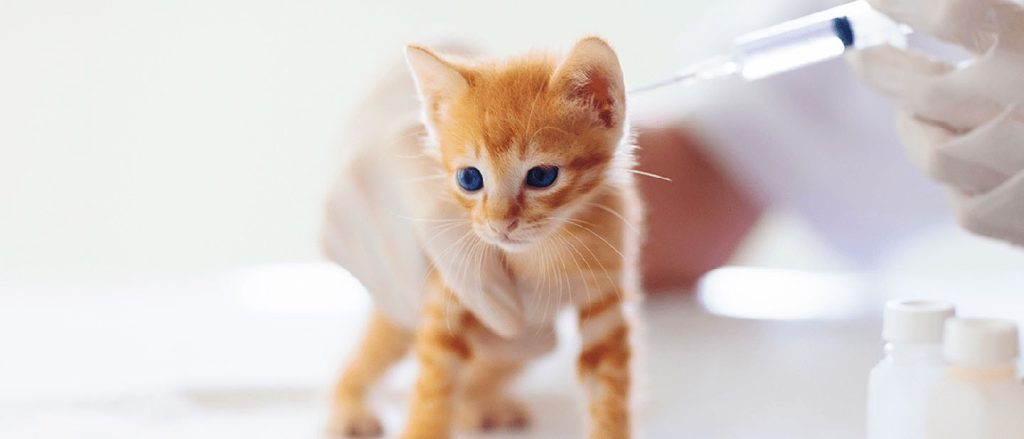
Vaccinations play a crucial role in enhancing the quality of life for our beloved pets by reducing the risk of serious illnesses and ensuring they remain healthy, active, and socially engaged. In Nigeria, where various infectious diseases pose significant threats to pets, the importance of understanding vaccination cannot be overstated. With a keen focus on pet health, it’s vital to explore how vaccinations contribute to their overall well-being.
Long-term Health Benefits
A primary reason to prioritize vaccinations is the substantial long-term health benefits they provide. Research has shown a strong correlation between timely vaccinations and improved health outcomes in pets. Vaccinated animals are less likely to contract illnesses such as canine distemper, hepatitis, and feline leukemia. These diseases not only cause suffering but can also lead to chronic health problems or even premature death.
Furthermore, pet owners can enjoy peace of mind when their companions are vaccinated. Regular immunizations create a protective barrier, helping to fend off illnesses that could lead to extensive treatments or surgeries; this translates into not only a healthier pet but also a more manageable pet care regimen.
Impact on Daily Activities
Vaccinations significantly influence pets’ daily lives, enabling them to partake in activities that enhance both physical and mental well-being. In a country like Nigeria, where outdoor play is often part of a pet’s routine, healthy, vaccinated pets are more inclined to explore their environment. Here are some specific ways vaccinations impact daily life:
- Increased Playfulness: Healthy pets often exhibit increased energy levels and are more eager to engage in activities like running, fetching, and playing. This level of activity promotes cardiovascular health and weight maintenance, which are essential in preventing obesity.
- Socialization Opportunities: Vaccinated pets can interact freely with other animals in various social scenarios, such as parks and community gatherings. This social engagement is vital for behavioral development and emotional stability, reducing the likelihood of anxiety and aggression.
- Peaceful Vet Visits: Regular vaccinations help in establishing a positive relationship between pets and veterinary clinics. When pets are routinely vaccinated, they become accustomed to visits, which alleviates the stress associated with health check-ups and medical treatments.
In essence, vaccinations are not merely a medical procedure; they lay the foundation for a fulfilling and dynamic life for pets. With the rise in pet ownership in Nigeria, understanding the profound impact of vaccinations equips pet owners to make informed choices that benefit their furry friends.
The ongoing discourse around pet health highlights the need for vigilance and education regarding vaccinations. This communication is essential in cultivating a community that prizes responsible pet ownership and shared public health. By prioritizing vaccinations, we pave the way for a future where pets can thrive, enjoy longer lives, and be active members of our families and societies.
| Advantage | Description |
|---|---|
| Health Protection | Vaccinations help shield pets from severe diseases, ensuring their overall well-being and longevity. |
| Improved Quality of Life | Pets that receive vaccinations experience fewer health issues, allowing them to enjoy a fuller, more active life. |
Vaccinations play a crucial role in maintaining a pet’s health, significantly affecting their quality of life. By immunizing against various diseases, such as parvovirus and rabies, vaccinations provide vital protection that can prevent life-threatening conditions. Furthermore, vaccinated pets often exhibit improved energy levels and vitality, indicating a stronger immune system and resilience against infections. The benefits extend beyond individual health; they contribute to the larger community’s safety as well. Vaccination protocols help establish herd immunity, making it less likely for outbreaks to occur within the pet population. Owners are often relieved to find that maintaining a regular vaccination schedule not only protects their pets but also ensures a more pleasant and worry-free companionship, which is paramount for pet lovers everywhere. Additionally, routine vaccinations can lead to lower veterinary costs in the long term, as preventing disease is often less expensive than treating it. The awareness and education around pet vaccinations continue to evolve, leading more owners to prioritize their pets’ health and happiness. This emphasis on preventive care enhances the overall bond between pets and their owners, leading to a more fulfilling relationship.
Boosting Community Health and Safety
The ripple effects of vaccinations on the quality of life of pets extend far beyond individual animals, contributing significantly to community health and safety. In Nigeria, where a high population of households now includes pets, the role of vaccinations in reducing the prevalence of zoonotic diseases—those transmissible between animals and humans—is critical. Vaccinated pets help curb the spread of diseases such as rabies, which poses a serious public health risk.
Preventing Zoonotic Diseases
The impact of pet vaccinations includes protecting not only their well-being but also that of their human companions. Certain infectious diseases can leap from pets to people, presenting severe health threats, especially to children and the elderly. Rabies, for instance, remains a major concern in Nigeria, with reported cases causing significant fatalities.
Vaccination against rabies is not just a precaution; it’s a matter of public health. When pets are vaccinated, the chances of rabies transmission decrease significantly. A pet owner can feel secure allowing their pets to roam or visit parks, as the risk of disease transmission is reduced. Additionally, a significant reduction in disease cases can ease the burden on the healthcare system, allowing for better allocation of resources toward other crucial health services.
Enhancing Lifespan and Quality of Life
Regular vaccinations not only prevent disease but also enhance the overall lifespan of pets. Vaccinated animals are statistically more likely to live longer, healthier lives compared to unvaccinated ones. For example, studies suggest that vaccinated dogs can live up to 20% longer than their unvaccinated counterparts, particularly due to lower incidences of life-threatening diseases.
Moreover, a longer lifespan means more years of companionship for pet owners. In a country where pets are increasingly regarded as family members, vaccinated pets can create stronger emotional bonds and contribute significantly to family happiness. Owners also experience less anxiety and worry about unexpected health issues arising from preventable diseases, leading to a stable and stress-free household.
Driving Responsible Pet Ownership
Vaccination campaigns and awareness programs play an essential role in fostering a culture of responsible pet ownership in Nigeria. Educating pet owners about the importance of vaccinations encourages them to embrace proactive care for their pets. As pet owners become more informed, they tend to prioritize health measures, such as spaying and neutering pets, proper nutrition, and regular veterinary visits, leading to healthier communities overall.
Local governments, animal welfare organizations, and veterinary clinics can provide accessible vaccination drives and educational resources to promote responsible practices. As communities embrace these initiatives, the collective benefits—including reduced disease spread and better public health—become evident, forming a supportive network for both pets and their owners.
In essence, vaccinations represent a cornerstone of both pet health and community welfare. Investing in vaccinations not only protects individual pets but enhances the collective well-being of society, reinforcing the vital link between human and animal health. As Nigeria continues to grow as a pet-loving nation, understanding and advocating for vaccinations can ensure a healthier future for both pets and their owners.
Conclusion
In conclusion, the impact of vaccinations on the quality of life of pets is profound and multifaceted, influencing not only the health of individual animals but also the broader community in Nigeria. Vaccinations serve as a preventative measure against life-threatening diseases and significantly enhance the lifespan and overall well-being of pets. As we consider the emotional and social bonds that pets create within households, the longer and healthier lives afforded by vaccinations translate into deeper connections and greater joy for pet owners.
Moreover, as we face the real risks of zoonotic diseases, the importance of vaccines becomes even more apparent. Immunizing pets against diseases like rabies not only safeguards the pets but also protects families and communities, creating a ripple effect that promotes public health and safety. Responsible pet ownership is fostered through educational initiatives and accessible vaccination drives, which are essential in shaping a healthier environment for both pets and humans alike.
As Nigeria continues to embrace animal companionship, the onus falls on pet owners, veterinary professionals, and community organizations to advocate for vaccinations as an integral component of responsible pet care. Exploring the latest veterinary advancements, alongside community efforts to enhance public awareness, could lead to even greater strides in pet health and safety. Ultimately, investing in vaccinations is an investment in a healthier, happier future, ensuring that the bond between pets and their families flourishes for years to come.