The Role of Veterinary Prevention in the Longevity of Pets

The Vital Role of Veterinary Prevention for Pet Health
In recent years, the role of pets as family members has been increasingly recognized in Nigeria. As society evolves, so too has the understanding that our furry companions require comprehensive healthcare to live full, vibrant lives. This shift highlights the necessity of veterinary prevention, which encompasses a range of proactive measures aimed at maintaining pet health. By prioritizing prevention, pet owners can significantly improve their animals’ well-being and extend their lifespan.
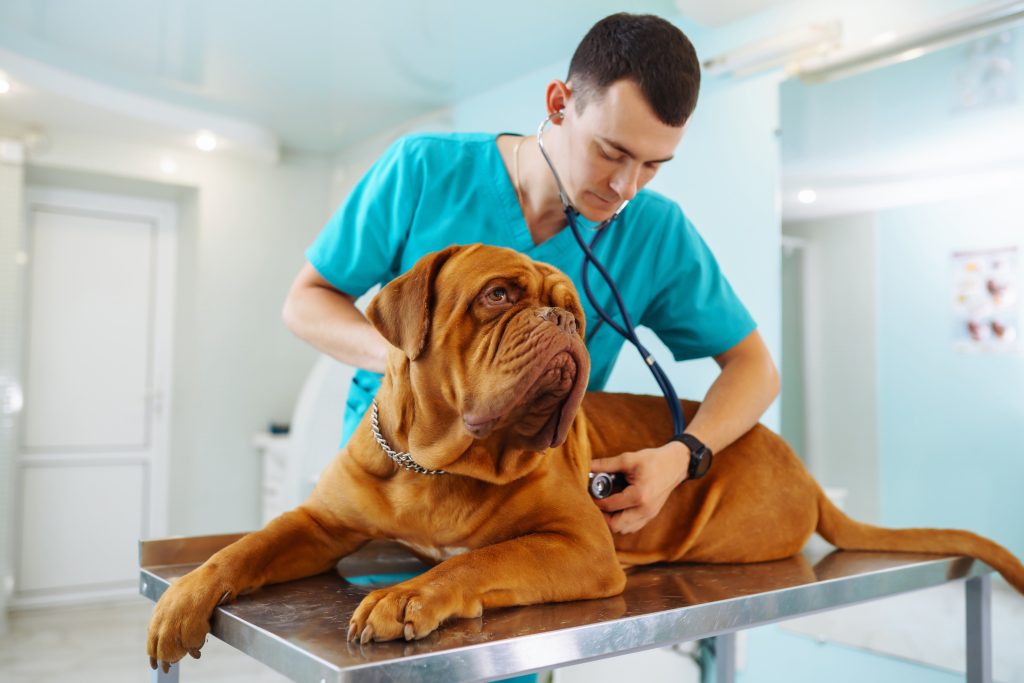
One of the cornerstones of veterinary prevention is regular check-ups. Just as humans benefit from annual health assessments, pets need similar care. Routine veterinary visits allow for the early detection of potential health issues, such as diabetes or kidney disease, which might not be visible to the untrained eye. For instance, a simple blood test during an annual check-up can uncover underlying conditions that, when treated early, can lead to better health outcomes.
Vaccinations also play a critical role in keeping pets safe. In Nigeria, diseases like rabies and canine parvovirus pose significant risks. Vaccination not only protects individual pets but also contributes to the overall health of the pet community. For example, as more pets are vaccinated, the likelihood of outbreaks diminishes, creating a safer environment for all animals.
Additionally, parasite control is an essential aspect of veterinary care. Pets are often exposed to fleas, ticks, and intestinal worms, which can cause discomfort and serious health issues if left untreated. Preventative treatments are available that can be tailored to the environment and lifestyle of pets, ensuring they remain healthy and comfortable. Treatments such as monthly tick and flea prevention are particularly relevant in Nigeria’s warm climate, where parasites thrive.
Moreover, nutritional guidance provided by veterinary professionals can help owners select the best diets for their pets. This is crucial in preventing obesity-related diseases, which have become increasingly common. Pets consuming a balanced diet rich in essential nutrients are more likely to maintain a healthy weight and live longer. For instance, incorporating local ingredients like fish and vegetables can be an excellent strategy in Nigeria, as many of these foods offer necessary vitamins and minerals.
The importance of dental care is often overlooked. Regular dental check-ups can prevent periodontal disease, which affects many pets. By maintaining oral hygiene, owners can reduce the risk of serious health issues, as oral health is intrinsically linked to overall health. Dogs and cats with good dental care typically exhibit greater overall vitality and lower veterinary costs in the long run.
The Connection Between Preventative Care and Pet Longevity
Research has shown that pets receiving consistent veterinary care tend to enjoy longer lives than those who do not. In Nigeria, as awareness of preventative care grows, so does the potential for improved health outcomes for countless pets. It is vital for pet owners to embrace the principles of preventative veterinary care, both to ensure their pets enjoy a happy, active life and to empower themselves with knowledge regarding their pets’ health needs.
In conclusion, by integrating veterinary prevention into everyday pet care, owners can cultivate a healthier population of pets. The commitment to regular check-ups, vaccinations, parasite control, nutritional advice, and dental care not only nurtures the individual pet but also strengthens community health. As we continue to cherish our beloved companions, prioritizing their health through preventative care is the best gift we can offer them.
Understanding the Components of Veterinary Prevention
The concept of veterinary prevention involves much more than just a singular visit to the vet; it is a comprehensive approach aimed at safeguarding the health and longevity of pets. This multifaceted strategy allows owners to combat potential health risks effectively while also enhancing the overall quality of life of their beloved companions. Below, we delve into the key components that comprise veterinary prevention and how each plays a vital role in ensuring pets thrive.
1. Regular Health Assessments
Conducting regular health assessments is paramount for pet owners. Just as humans schedule annual physicals, pets benefit tremendously from consistent veterinary check-ups. These visits not only facilitate early detection of health issues but also enable veterinarians to monitor growth, weight, and vital signs. Conditions like heart disease, hormonal imbalances, and even certain cancers may be caught early, significantly improving treatment outcomes. Pet owners are encouraged to book these appointments at least once a year, or more frequently for older pets.
2. Essential Vaccinations
Vaccinations are another essential pillar of veterinary prevention, essential for protecting pets against preventable diseases that are common in Nigeria. Important vaccines include:
- Rabies: A viral disease that can be fatal to both pets and humans if left untreated.
- Canine Parvovirus: A highly contagious virus that can lead to severe gastrointestinal illness in dogs.
- Feline Calicivirus: A prevalent respiratory infection among cats that can result in significant health complications.
Routine vaccinations not only safeguard individual animals but also contribute to wider herd immunity, ensuring that communities are less susceptible to outbreaks.
3. Comprehensive Parasite Control
In Nigeria’s warm climate, the risk of parasites such as fleas, ticks, and intestinal worms is heightened. These parasites can lead to serious health complications, including anemia and Lyme disease. Implementing a comprehensive parasite control program that includes both preventative medications and regular check-ups is essential. For instance, monthly treatments can be tailored to a pet’s specific activity levels and environment, allowing for maximum effectiveness. Not only do these measures keep pets comfortable, but they also prevent the spread of harmful parasites to humans and other animals.
4. Nutritional Counseling
Nutrition forms the bedrock of a pet’s overall health. Many pets in Nigeria are prone to obesity, which can lead to a host of chronic issues including diabetes and joint problems. Working closely with veterinarians, pet owners can receive nutritional guidance to curate balanced diets tailored to their pet’s life stage, lifestyle, and specific needs. Incorporating high-quality proteins, healthy fats, and essential vitamins into their diet can drastically enhance a pet’s longevity and vitality. Utilizing local ingredients may also provide cost-effective yet nutritious options for pet owners.
By understanding and implementing these components of veterinary prevention, pet owners are taking significant steps towards safeguarding their pets’ health. Each aspect, from regular assessments to nutritional advice, plays an integral role in extending the lives of our furry companions and could lead to many more happy years together.
| Advantage | Description |
|---|---|
| Early Disease Detection | Routine veterinary check-ups help identify potential health issues before they escalate, ensuring pets receive necessary treatments early. |
| Vaccination & Immunization | Vaccinations prevent serious diseases, reducing medical costs and enhancing overall pet health. Immunized pets often live longer, healthier lives. |
| Nutrition Guidance | Veterinarians provide dietary advice to keep pets at a healthy weight, contributing to their longevity. |
| Parasite Control | Preventative treatments against fleas, ticks, and worms safeguard pets from severe illnesses and enhance their quality of life. |
Veterinary prevention plays a critical role in extending pets’ lives, with numerous benefits tied to regular care and guidance from professionals. Regular check-ups facilitate early diagnosis of health problems, allowing for timely intervention that can save a pet’s life. Additionally, keeping up with vaccinations effectively lessens the risks of debilitating diseases, ensuring pets remain healthy. Nutrition, supervised by veterinary professionals, is another vital aspect, with balanced diets helping maintain an ideal weight and overall wellness. Lastly, proactive parasite control is key in preventing diseases transmitted by external pests, thereby offering pets a comfortable, healthy life. Each of these preventive measures is essential in the ongoing pursuit to promote longevity and quality life in beloved pets.
Enhancing Life Quality Through Preventive Measures
In addition to the critical components previously discussed, veterinary prevention encompasses various strategies designed to enhance the quality of life and longevity of pets. These measures not only bolster health but also enrich the bond between pet owners and their furry companions.
5. Dental Care
Oral health is frequently overlooked in the spectrum of pet care, yet it plays a significant role in overall well-being. Conditions such as periodontal disease can lead to pain, difficulty eating, and even systemic infections affecting major organs. Regular veterinary check-ups should include dental assessments and cleanings. In Nigeria, where access to advanced veterinary dental care may vary, pet owners can promote dental health through daily brushing, dental chews, and high-quality diets specifically designed to reduce plaque and tartar buildup. Engaging in this preventive practice ensures your pet enjoys a healthier mouth, leading to a longer life.
6. Spaying and Neutering
Spaying and neutering pets have profound implications for their health and longevity. These procedures not only prevent unplanned litters but also reduce the risk of certain cancers and reproductive system diseases. For example, spaying female pets can eliminate the chances of developing pyometra, a serious infection of the uterus, while neutering males reduces the incidence of testicular cancer. Furthermore, neutered pets typically demonstrate fewer behavioral issues, such as roaming or aggression, contributing to a harmonious home environment. In Nigeria, advocating for responsible pet ownership through these surgical options can significantly improve population control and reduce strays, subsequently fostering healthier community dynamics.
7. Behavioral Health Assessments
A pet’s mental and emotional well-being is as crucial as their physical health. Engaging in activities that enhance a pet’s quality of life—a concept known as behavioral enrichment—is essential in delivering a balanced life. Routine assessments by veterinarians can help identify stressors or behavioral issues that may impede a pet’s happiness. Solutions could include increased exercise, interactive toys, or even training classes designed to stimulate their minds. In urban settings like Lagos, where space may be limited, creating a stimulating indoor environment becomes vital. Such holistic care ensures that pets remain not only physically active but also mentally engaged, extending their vitality and joy.
8. End-of-Life Care
Planning for the latter stages of a pet’s life is an often-neglected aspect of veterinary prevention, yet it is crucial to maintaining a pet’s quality of life. Veterinary guidance during this period can encompass palliative care options to minimize discomfort and provide a peaceful transition. Furthermore, engaging in discussions about the pet’s specific needs and preferences allows families to make informed decisions regarding care. In Nigeria, where cultural attitudes towards pets may vary, educating pet owners about humane practices and pain management can facilitate compassionate end-of-life care. Ensuring that a pet’s final years are characterized by comfort and love can profoundly impact the grieving process for pet owners.
By embracing these additional facets of veterinary prevention, pet owners not only secure their companions’ health but also foster a deeper, more meaningful relationship with them. Implementing wholesome dental care, responsible reproductive practices, behavioral enrichment, and compassionate end-of-life planning creates an environment where pets can flourish, ultimately contributing to longer and happier lives. These efforts undeniably enhance the role of veterinary prevention in the longevity of our cherished pets.
Conclusion: Embracing Veterinary Prevention for a Fulfilling Pet Life
In conclusion, the role of veterinary prevention in the longevity of pets cannot be overstated. By integrating comprehensive preventive care practices into their routine, pet owners are empowered to safeguard their loved companions’ health and well-being drastically. From maintaining robust dental health to advocating for responsible breeding practices through spaying and neutering, these measures play a pivotal role in minimizing disease risks and addressing the unique needs of pets. Furthermore, mental and emotional well-being through behavioral health assessments ensures that our furry friends thrive in a supportive environment.
As we consider the importance of compassionate end-of-life care, it becomes evident that understanding and planning for a pet’s later years not only enhances the quality of life but also alleviates the emotional burden on pet owners. The responsibility of caring for a pet extends beyond their early nurturing stages; it encompasses a lifelong commitment to their health, happiness, and comfort.
For pet owners in Nigeria, where veterinary resources may vary, prioritizing these preventive measures is essential. By educating themselves on veterinary options, utilizing available resources wisely, and fostering an open dialogue with veterinarians, they can create a nurturing environment that encourages the longevity of their pets. Ultimately, by embracing veterinary prevention, we not only extend the lives of our cherished companions but also deepen the bonds shared, leading to fulfilling relationships that bring joy to our lives. Let us advocate for proactive pet care, ensuring a happier, healthier future for our four-legged family members.