
The Adoption of Animals as a Tool for Education on Animal Rights in Nigeria
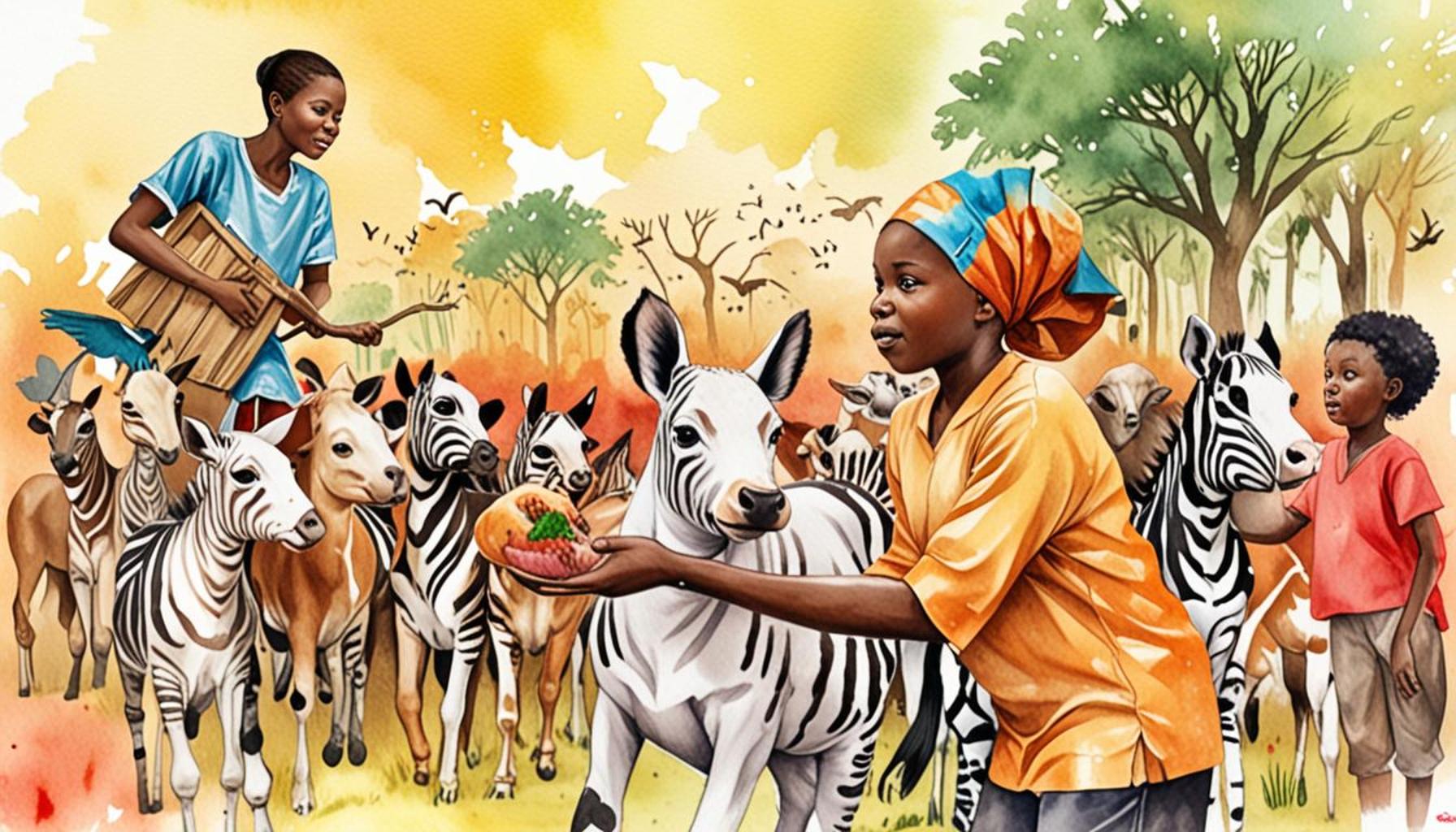
The Role of Animal Adoption in Education
The increasing awareness around animal rights in Nigeria has led to innovative educational methodologies that utilize animals as instruments of learning. This approach is multifaceted and resonates deeply with cultural practices, addressing the fundamental need for ethical treatment of animals while simultaneously enriching the academic environment. By adopting animals as part of educational initiatives, educators can create unique learning experiences that promote empathy and compassion, essential values for developing a humane society.
Engaging Students with Real-Life Interactions
One of the most effective ways to engage students is through direct interaction with animals. Programs that allow students to visit farms, wildlife sanctuaries, or animal rescue centers can provide practical insights into the lives of animals and the importance of their care. For instance, schools in urban areas can organize field trips to animal shelters, where students learn about the responsibilities of pet ownership and the impact of neglect and abuse. Such immersive experiences can foster a deeper understanding of animal welfare and the significance of adopting rather than buying pets.
Encouraging Volunteerism in Animal Shelters
Volunteerism is another powerful component that enhances students’ connection to animal welfare. By participating in volunteer programs at local shelters, young people can take an active role in animal care. This not only instills a sense of responsibility but also promotes community involvement. For example, initiatives like the ‘Paws for a Cause’ volunteer programs encourage students to participate in activities such as feeding, bathing, and socializing shelter animals, all while learning the value of compassion and teamwork.
Promoting Environmental Awareness through Critical Thinking
Integrating environmental education with animal rights is crucial. Students are encouraged to develop critical thinking skills by discussing the impact of environmental degradation on local wildlife and domestic animals. Case studies involving issues such as habitat destruction and pollution provide a contextual backdrop for students to explore complex themes. In Nigeria, for example, discussions around the conservation of endangered species like the African grey parrot can lead to explorations of how environmental health directly correlates with animal welfare. By engaging in these discussions, students are able to analyze the consequences of human action on both the environment and animal populations.
Localizing Animal Rights Education
To make these educational initiatives effective, they need to be culturally relevant. Various organizations in Nigeria are already leading the charge by developing programs tailored to local beliefs and practices. For instance, one organization might focus on debunking myths surrounding dog breeds perceived negatively in traditional narratives, while another might target rural communities with workshops on sustainable farming practices that respect animal rights. These localized efforts aim to instill a sense of responsibility in the youth, empowering them to become advocates for animal welfare in their communities.

The collaboration between schools, NGOs, and government bodies is essential for maximizing the impact of these educational strategies. By tapping into the communal knowledge surrounding local wildlife and integrating it into school curricula, there is significant potential to shift perceptions about animal rights in Nigeria. As we consider the future, the question remains: How can we harness the power of animal adoption to educate future generations? Addressing this question will require ongoing dialogue and innovative thinking, ultimately leading to a more humane society for both people and animals.
Transformative Experiences through Animal Adoption
The concept of adopting animals as a core element in education goes beyond mere caretaking; it fosters a transformative learning experience. In Nigeria, where the ideals of compassion and community are deeply ingrained, programs that incorporate animal adoption are breaking new ground in promoting animal rights awareness. Schools are beginning to understand that education does not solely happen in classrooms but can also unfold in the affectionate interactions with animals that have been rescued or are in need of homes.
Benefits of Animal Adoption in Educational Settings
Adopting animals for education provides myriad benefits, not only for the students but for the broader community as well. The educational programs that utilize animal adoption are designed with specific goals in mind. Some of the notable benefits include:
- Cultivating Empathy: By experiencing the needs and feelings of animals, students develop empathy, which is a precursor to understanding animal rights.
- Reinforcing Responsibility: When students take on the responsibility of caring for an adopted animal, they learn about accountability and the importance of ethical treatment.
- Building Community Engagement: Animal adoption initiatives often encourage students to engage with local communities, forging connections with organizations dedicated to animal welfare.
- Inspiring Advocacy: Students often feel inspired to advocate for animal rights, thereby forming a new generation of informed and passionate supporters.
The act of adopting an animal not only serves to rescue a creature in need; it simultaneously offers educational opportunities that align with core values of respect and kindness. In urban areas of Nigeria, where societal challenges may overshadow the plight of animals, programs aimed at adoption can be pivotal. They work against stereotypes and build a culture where animal rights are seen as synonymous with human ethics.
Case Studies of Successful Programs
Across Nigeria, various organizations and schools are implementing successful animal adoption programs that demonstrate the potential of this educational approach. For instance, a notable program in Lagos has witnessed students adopting dogs and cats from local shelters. These students partake in hands-on experiences that help them appreciate the essential role animals play in human lives. Moreover, efforts led by animal welfare NGOs such as the Animal Welfare League highlight how localized education around animal rights is not just about the theoretical but about practical engagement.
Through workshops, educational seminars, and community days, students learn not only about the animals themselves but also about broader themes such as conservation, biodiversity, and the legal framework surrounding animal rights in Nigeria. As students engage with these themes, they gain crucial insights into the ethical dimensions of animal care and the responsibilities that come with pet ownership.
The trajectory of animal rights education in Nigeria is evolving as these initiatives gain traction. Not only does this provide a means of adoption for many abandoned and stray animals, but it also sets the stage for the much-needed dialogue around ethics and animal welfare in Nigerian society. As programs flourish, they nurture a new generation that understands the intrinsic value of animals, thus paving the way for future advocates for animal rights.
| Advantage | Description |
|---|---|
| Increased Empathy | Utilizing animals in educational settings fosters greater empathy in students, supporting the understanding of humane treatment and rights. |
| Interactive Learning | Hands-on experiences with animals provide engaging learning opportunities, enhancing retention of information related to animal rights. |
| Awareness Building | Promoting awareness of animal welfare issues using real-life examples encourages critical thinking among students. |
| Community Engagement | Adoption programs bridge gaps between students, schools, and local shelters, creating opportunities for community involvement in animal rights advocacy. |
The adoption of animals can serve as a transformative tool for *education on animal rights in Nigeria*, providing vital insights that fuel change. By creating connections with animals, students develop an understanding of compassion and responsibility, crucial in today’s society. When integrated into educational curriculums, these programs not only enrich student experiences but also advocate for a future where animal welfare is prioritized. In a country where awareness is still growing, this innovative approach sparks conversations that challenge long-standing perceptions and behaviors related to animal treatment in Nigeria. For those interested in advocating for animal rights and enhancing educational frameworks, exploring these adoption programs represents a powerful and impactful starting point. Discovering more about these programs can unveil intricate connections that lead to a more humane society.
Creating Lasting Impact through Community Involvement
Moreover, the incorporation of animal adoption programs into educational curricula offers significant opportunities for community involvement. Local schools that engage with animal welfare organizations foster relationships that extend beyond the classroom. This convergence brings together teachers, students, parents, and local animal shelters in a collaborative effort to promote animal rights awareness. Such partnerships initiate community-driven discussions about the ethical treatment of animals, responsible pet ownership, and humane practices, creating a ripple effect that is vital for societal growth.
Building Awareness through Local Engagement
In rural areas of Nigeria, where traditional beliefs and superstitions about animals may impede the acceptance of their rights, educational programs that involve animal adoption can serve as a breakthrough. For example, the “Adopt-a-Pet” initiative seen in Ogun State has successfully paired students with local farms where they learn about animal husbandry, veterinary care, and the importance of humane treatment. Through hands-on experiences, students gain firsthand insights that challenge old narratives about animals. They emerge with a richer understanding of animals not merely as property but as sentient beings deserving of respect.
Furthermore, as students participate in activities like community clean-up projects at shelters or organizing awareness campaigns, they develop leadership skills and a sense of agency. Research shows that youth involved in community service are more likely to stay engaged in social causes later in life. By encouraging young minds to take an active role in animal welfare, these programs cultivate lifelong advocates who will continue to champion the cause beyond their school years.
Addressing Legislative and Policy Gaps
The educational initiatives that utilize animal adoption also play a critical role in addressing legislative and policy gaps regarding animal rights in Nigeria. As students learn about their rights and responsibilities towards animals, they become aware of the existing laws and regulations that govern animal welfare. This awareness can foster a sense of justice and the desire to advocate for improved legal protections for animals.
In many instances, schools have collaborated with legal experts and animal welfare groups to host forums and discussions that educate students on the legal framework surrounding animal rights. In doing so, students not only become informed citizens but also begin to explore careers in law, veterinary medicine, and animal advocacy. For instance, the collaboration between the Nigerian Bar Association and local NGOs to organize law clinics offers students a chance to contribute ideas on how to strengthen animal rights legislation.
Statistics reveal that the Nigerian population is remarkably young, with over 43% of the population under the age of 15. This demographic represents a unique opportunity for educators and advocates to mold a new generation that prioritizes animal welfare in its societal values. By equipping students with knowledge and the tools for advocacy, programs rooted in animal adoption can significantly contribute to the broader movement for animal rights in Nigeria and foster long-term societal change.
As momentum builds around animal adoption programs as educational tools, they highlight the importance of creating well-informed citizens who not only care for animals but also recognize their rights. This model offers a blueprint that other countries might look to emulate, showcasing how local initiatives can reshape perceptions and promote a culture of compassion towards all living beings.
Conclusion
In summary, the adoption of animals as an educational tool in Nigeria represents not just a unique initiative but a profound opportunity to reshape societal attitudes towards animal rights. By engaging younger generations through hands-on experiences and community involvement, we foster a more empathetic understanding of animals as sentient beings deserving of protection and respect. Educational programs integrating animal adoption can bridge the gap between traditional beliefs and evolving perceptions of animal welfare, particularly in rural areas where superstitions often cloud judgment.
Moreover, as schools and local organizations collaborate, they create a robust network that reinforces the importance of ethical treatment and responsible pet ownership within communities. This synergy enhances civic responsibility among students, empowering them to become lifelong advocates for animal rights. The push for legislative change is equally crucial; as students become informed about their responsibilities and rights regarding animal welfare, they are more likely to engage in meaningful discussions that influence policy reform.
With over 43% of Nigeria’s population under the age of 15, the potential for a cultural shift towards compassion and advocacy in animal rights is immense. By investing in such educational initiatives, we can nurture a generation that prioritizes the well-being of all living beings. As Nigeria strides towards an improved understanding of animal rights, the adoption of animals as educational tools can serve as a blueprint for similar movements globally, paving the way for greater empathy and respect for all creatures. The unfolding journey towards animal advocacy in Nigeria is exciting, and it invites further exploration and commitment from all sectors of society.