The Role of Local Organizations in Promoting Animal Adoption in Nigeria
Connecting Hearts and Homes
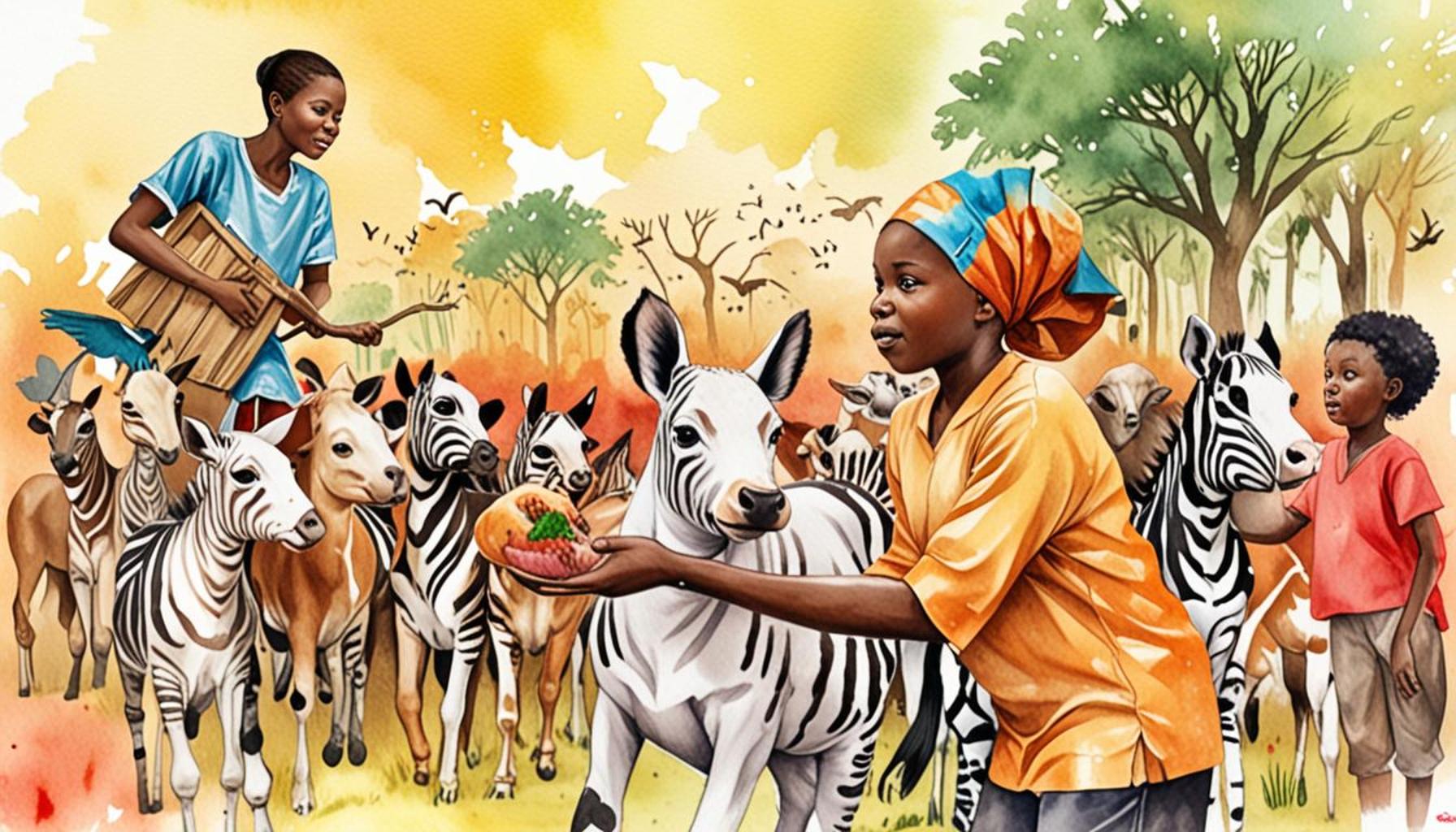
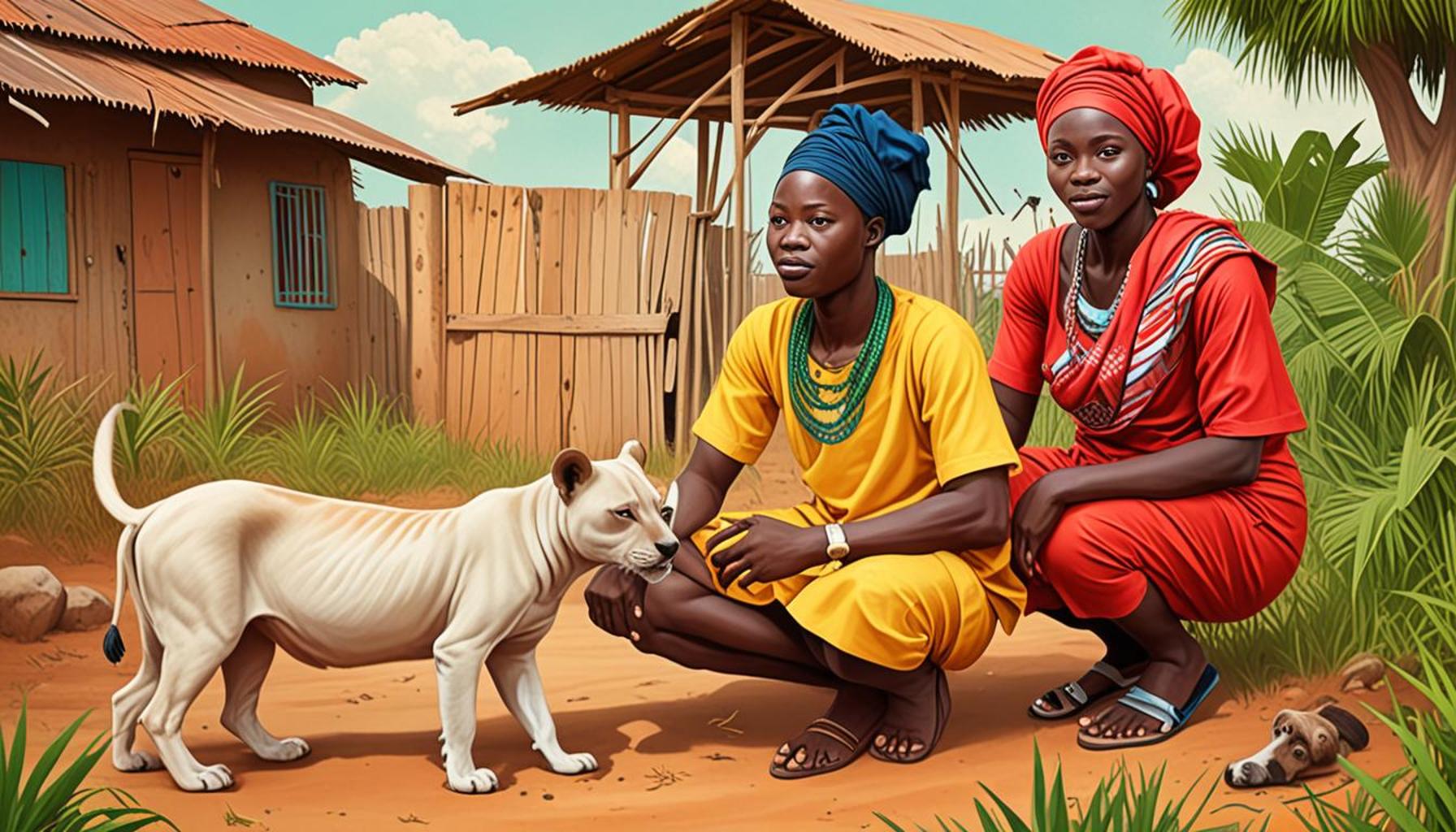
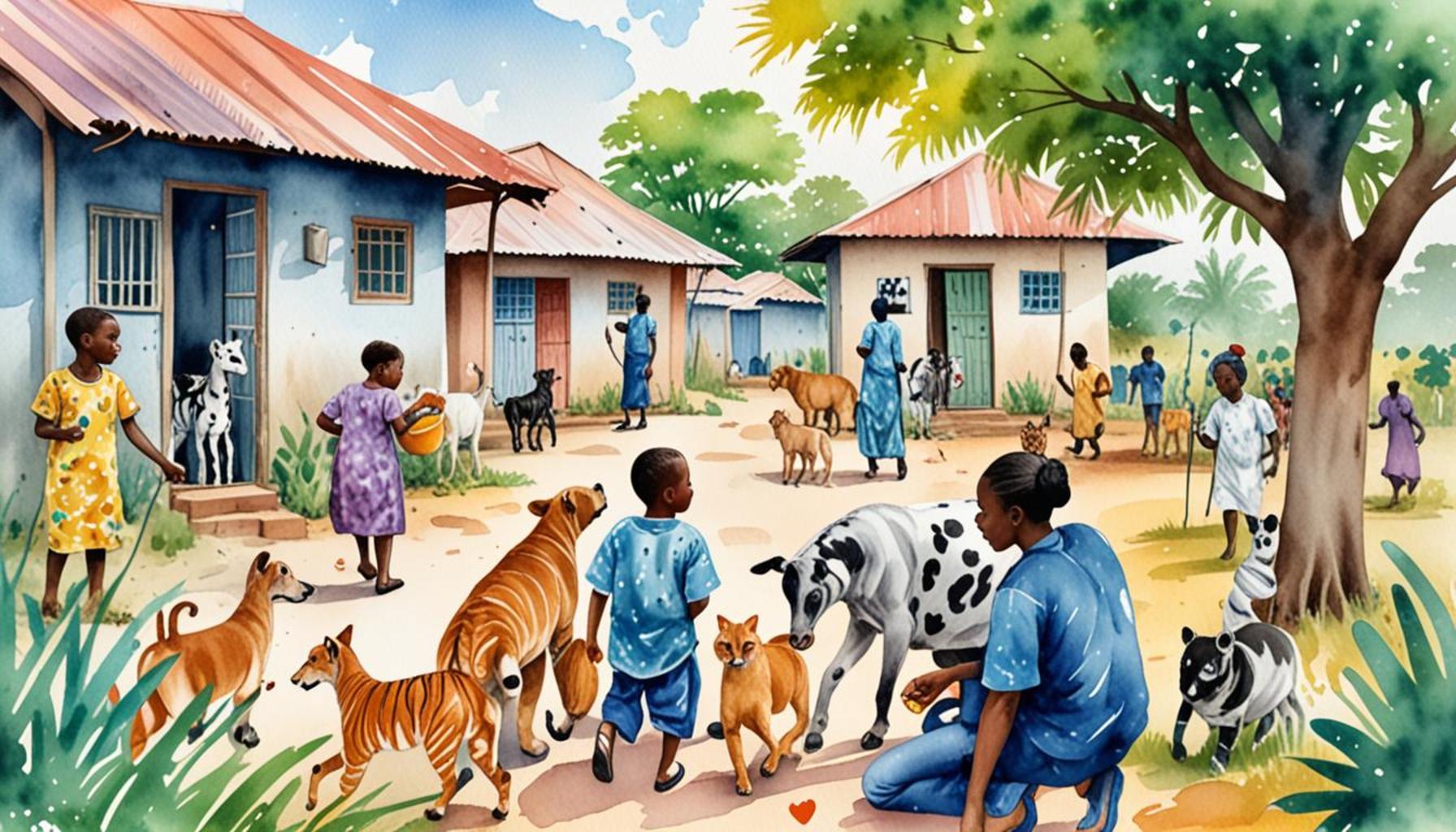
The growing concern over abandoned and stray animals in Nigeria underscores the need for compassionate solutions within communities. Local organizations are stepping up to tackle this pressing issue, working diligently to promote animal adoption as a viable alternative to purchasing pets from pet shops or unregulated breeders. By facilitating connections between animals in need and potential pet owners, these initiatives not only seek to provide loving homes for strays but also to instill a sense of responsibility within society regarding pet ownership.
The Impact of Local Organizations
Several dedicated organizations across Nigeria are making significant strides in animal welfare through various impactful initiatives:
- Adoption Drives: These events often take place in popular public areas, such as parks and community centers, where prospective pet owners can meet animals requiring homes. For example, the Animal Awareness Initiative regularly organizes adoption events in bustling markets in Lagos, bringing together families looking to adopt cats or dogs, and encouraging them to rethink conventional attitudes toward pets.
- Public Awareness Campaigns: These organizations are actively engaged in educating the public about the benefits of adopting rather than buying pets. Through engaging social media campaigns and workshops, they emphasize the importance of providing loving homes to animals in need and share success stories that resonate with the community. Personal anecdotes, such as a family adopting a stray dog that later became a beloved family member, illustrate how adoption can transform lives.
- Veterinary Services: Organizations like the Nigerian Animal Welfare Society undertake vital healthcare initiatives, by offering free or subsidized veterinary services. This includes spaying and neutering programs, which are essential in controlling the stray population. They also provide vaccinations that protect not only the animals but also public health, as common diseases can spread from unchecked populations.
Through collaboration with community members, these organizations strive to shift societal mindsets about pet ownership. This cultural transition acknowledges the emotional bond between humans and animals, redefining the role pets play in family life. With the rise of the urban middle class in Nigeria, more people are beginning to welcome pets into their households, making the work of these organizations increasingly important.
The Challenge Ahead
Despite notable progress made by local organizations, several challenges persist in the quest to promote animal adoption effectively. Key issues include limited funding, lack of widespread societal acceptance of stray animals, and insufficient infrastructure such as adequate shelters for rescued animals. Furthermore, cultural beliefs around animals can create barriers to adoption, where some view pets merely as economic assets rather than companions.
Nevertheless, the resilience and determination of these local organizations inspire hope for a brighter future for animals across Nigeria. Initiatives that foster community involvement and emphasize education are vital to effecting lasting change. By bringing attention to the plight of abandoned and stray animals, these groups aim to create a more compassionate society, one where every animal has the chance to find a loving home.
Grassroots Impact: Creating Change at the Local Level
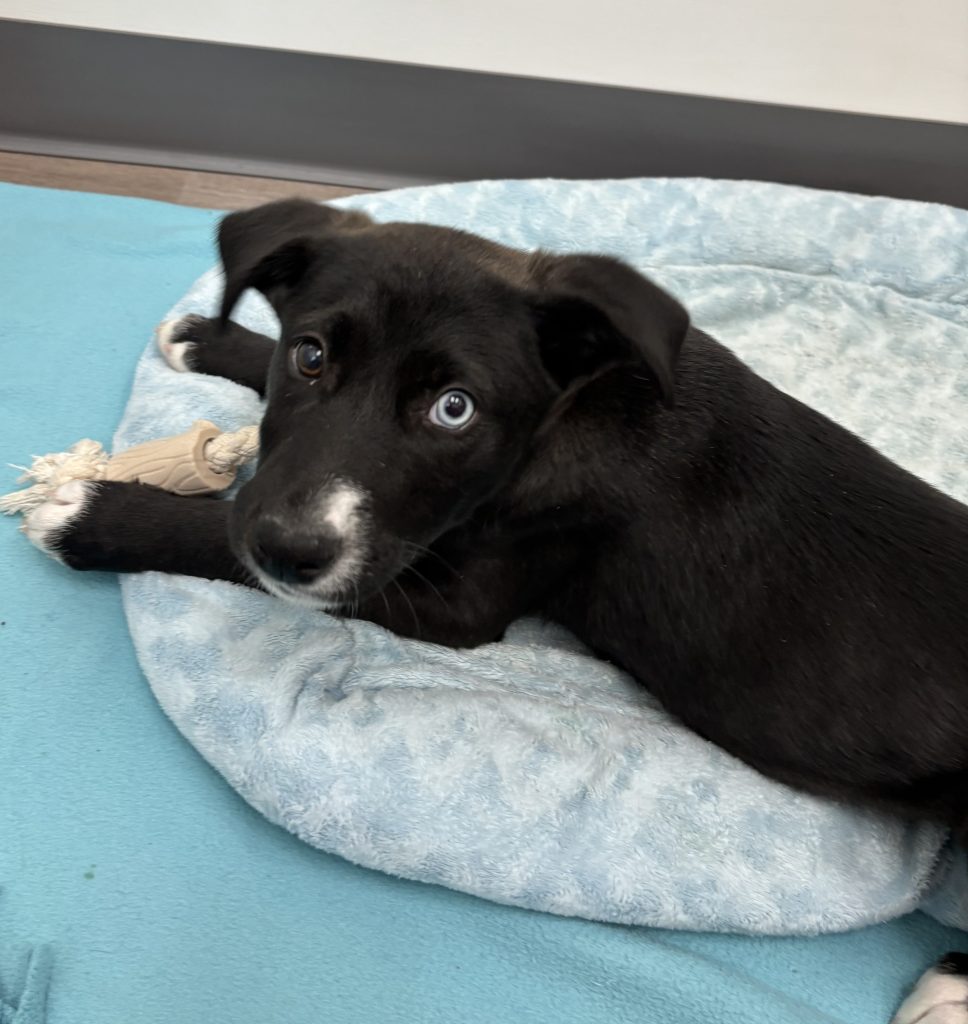
Local organizations play a vital role in addressing the animal overpopulation crisis in Nigeria, acting as catalysts for change within communities. They are often the bridge between homeless animals and prospective pet owners, creating opportunities for animal adoption that may have otherwise been overlooked. These organizations are shaping a new narrative around pet ownership and highlighting the responsibility that comes with it. The ripple effects of their efforts can be seen not only through the number of animals rehomed but also through the evolving perceptions of stray animals within society.
Community Engagement and Outreach
Engagement with local communities is crucial for fostering understanding and encouraging animal adoption. Organizations such as Dogs of Africa and Animal Rights Advocates Nigeria host numerous outreach programs and workshops that directly involve community members. Their goal is not only to find homes for animals but also to create a sense of shared responsibility among individuals and families. Key outreach activities include:
- School Programs: By partnering with schools, organizations create awareness about animal welfare from a young age, educating children about the importance of caring for animals and the benefits of adoption. These programs often include fun activities, such as drawing competitions, that promote empathy and compassion toward animals.
- Community Workshops: Regularly scheduled workshops inform the public about responsible pet ownership, highlighting the legal and moral obligations associated with caring for a pet. These events also serve as platforms for discussions about animal rights, ensuring that community voices are heard, while eroding misconceptions about stray animals.
- Volunteer Programs: Engaging volunteers allows local organizations to expand their reach within communities. Volunteers help with daily operations such as feeding, bathing, and sheltering rescued animals. This hands-on involvement fosters a deeper appreciation for the welfare of animals and increases the pool of advocates for adoption.
Moreover, local organizations actively leverage social media platforms to reach broader audiences and share inspiring success stories. Each adoption tale shares not just a transaction but an emotional journey, reflecting the profound bonds formed between people and their pets. For instance, whose transformation from street dog to cherished family member is portrayed through captivating images and heartfelt testimonials can significantly influence others considering adoption.
As these organizations continue their tireless efforts, they are gradually reshaping societal attitudes toward animals in Nigeria. The narrative is shifting from viewing strays as a nuisance to recognizing them as individuals deserving of love and care. This evolving mindset is critical in creating a culture of compassion that prioritizes animal adoption over purchasing pets, ultimately leading to better outcomes for animals and their human companions alike.
The Role of Local Organizations in Promoting Animal Adoption in Nigeria
Local organizations in Nigeria play a crucial role in facilitating animal adoption. By raising awareness about the importance of adopting pets, these groups not only help to address the issue of stray animals but also enhance community engagement. They often organize campaigns, workshops, and educational programs to inform residents about the benefits of having a pet. Additionally, these organizations provide essential services such as veterinary care and behavioral training, which are vital in ensuring that newly adopted animals transition smoothly into their forever homes.
Moreover, local organizations collaborate with various stakeholders, including government bodies and private sectors, to create a supportive environment for adoption initiatives. They actively participate in community events, engaging directly with potential adopters to demystify the process and provide necessary support. These initiatives not only promote animal welfare but also strengthen community bonds by fostering a sense of shared responsibility toward protecting and caring for animals.
| Advantage of Local Organizations | Impact on Animal Adoption |
|---|---|
| Community Engagement | Fosters interaction between locals and shelter animals, enhancing adoption outlook. |
| Educational Programs | Informs the community about responsible pet ownership, encouraging more adoptions and sustainable practices. |
Through their multifaceted efforts, local organizations are transforming the narrative around animal adoption in Nigeria. From improving awareness to providing resources, they are vital to the growth of animal welfare in the country. By partnering with dedicated volunteers and community members, these organizations continue to create a more compassionate environment for both stray and adopted animals.
Innovative Strategies for Increased Adoption Rates
As the landscape of animal welfare continues to evolve in Nigeria, local organizations are adopting innovative strategies to enhance animal adoption rates and encourage community involvement. Their adaptive methods highlight the versatility and creativity involved in tackling the challenges related to animal overpopulation and abandonment.
Collaboration with Local Businesses
Local organizations increasingly recognize the importance of forging partnerships with local businesses to amplify their outreach efforts. Through sponsorships and collaborative events, businesses can play an active role in promoting animal adoption. For instance, many organizations host adoption days in collaboration with pet shops, veterinary clinics, and cafes that welcome pets. These events generate significant foot traffic, allowing potential adopters to interact with animals in a relaxed environment. Adopting a “meet and greet” format allows families to experience firsthand the personality of the animals, aiding them in making informed decisions.
Utilizing Technology for Greater Engagement
The incorporation of technology has revolutionized the approach to animal adoption in Nigeria. Organizations embrace social media for targeted campaigns that not only showcase available pets but also educate potential adopters on the benefits of adopting over buying. Tools like virtual tours of shelters and live-streaming adoption events allow organizations to reach broader audiences, thus increasing interest in animals needing homes.
Furthermore, mobile apps designed specifically to connect prospective pet owners with local adoptable animals are beginning to emerge in Nigeria. These platforms enable a streamlined process, where individuals can search based on breed, size, or temperament, simplifying their journey to find a suitable match. As awareness grows, so does the utilization of such technologies that are redefining how adopters engage with animal welfare.
Fostering Networks of Support
Another effective strategy employed by local organizations is the establishment of foster networks. Many animals require temporary homes to get acclimated before finding a permanent family. By engaging community members to become fosters, organizations not only relieve overcrowded shelters but also create a community of advocates who share the joys and challenges of caring for a rescued animal. Foster programs have proven to be beneficial in showcasing the trainability and sociability of these animals, often leading to successful adoptions.
- Foster Training Workshops: Many organizations conduct workshops for potential foster caregivers, providing essential training on how to care for rescued animals. This level of support encourages more individuals to participate and commit to fostering.
- Success Stories: By highlighting inspiring stories of successful adoptions from foster homes, organizations can motivate others to get involved in fostering, thus increasing the number of adoptable pets.
Through these innovative strategies, local organizations are not just increasing the number of adoptions; they are also fostering a sense of community among animal lovers in Nigeria. As individuals come together to engage in various initiatives, the community’s involvement serves to heighten awareness, empathy, and ultimately creates a supportive environment for animal welfare. This shift reflects a growing acknowledgment of the significant impact collaborative efforts can have in promoting animal adoption and strengthening the bond between humans and their furry companions.
Conclusion: A Collaborative Future for Animal Adoption in Nigeria
In summary, local organizations in Nigeria are playing a crucial role in transforming the landscape of animal adoption through innovative strategies that foster community engagement and awareness. By collaborating with local businesses, harnessing technology, and establishing supportive networks, these organizations are effectively addressing the challenges of overpopulation and abandoned animals. The initiatives they undertake not only increase adoption rates but also cultivate a culture of empathy and advocacy among citizens.
The growing interactions facilitated by adoption events, social media campaigns, and foster care programs illustrate how community involvement can elevate animal welfare to new heights. As we witness more compassionate narratives emerge from the successes of local organizations, it becomes evident that each effort matters. Every pet rescued and successfully placed in a loving home is a testament to the positive change that can occur when individuals rally together for a common cause.
Looking ahead, the continued partnership between community members, businesses, and animal welfare groups holds immense potential for further improving the fate of animals in Nigeria. By embracing a model that values collaboration and community action, we can shape a future where adoption is viewed as the preferred option for pet ownership. Thereby, we not only ensure better lives for countless animals but also enrich our own lives by opening our hearts and homes to the joy of companionship.
As the campaign for animal adoption intensifies, it invites all of us to participate. Whether you decide to adopt, foster, volunteer, or simply spread the word, your involvement can make an extraordinary difference in the lives of Nigeria’s animals.