
Adoption of Street Animals: Challenges and Solutions in Nigerian Cities
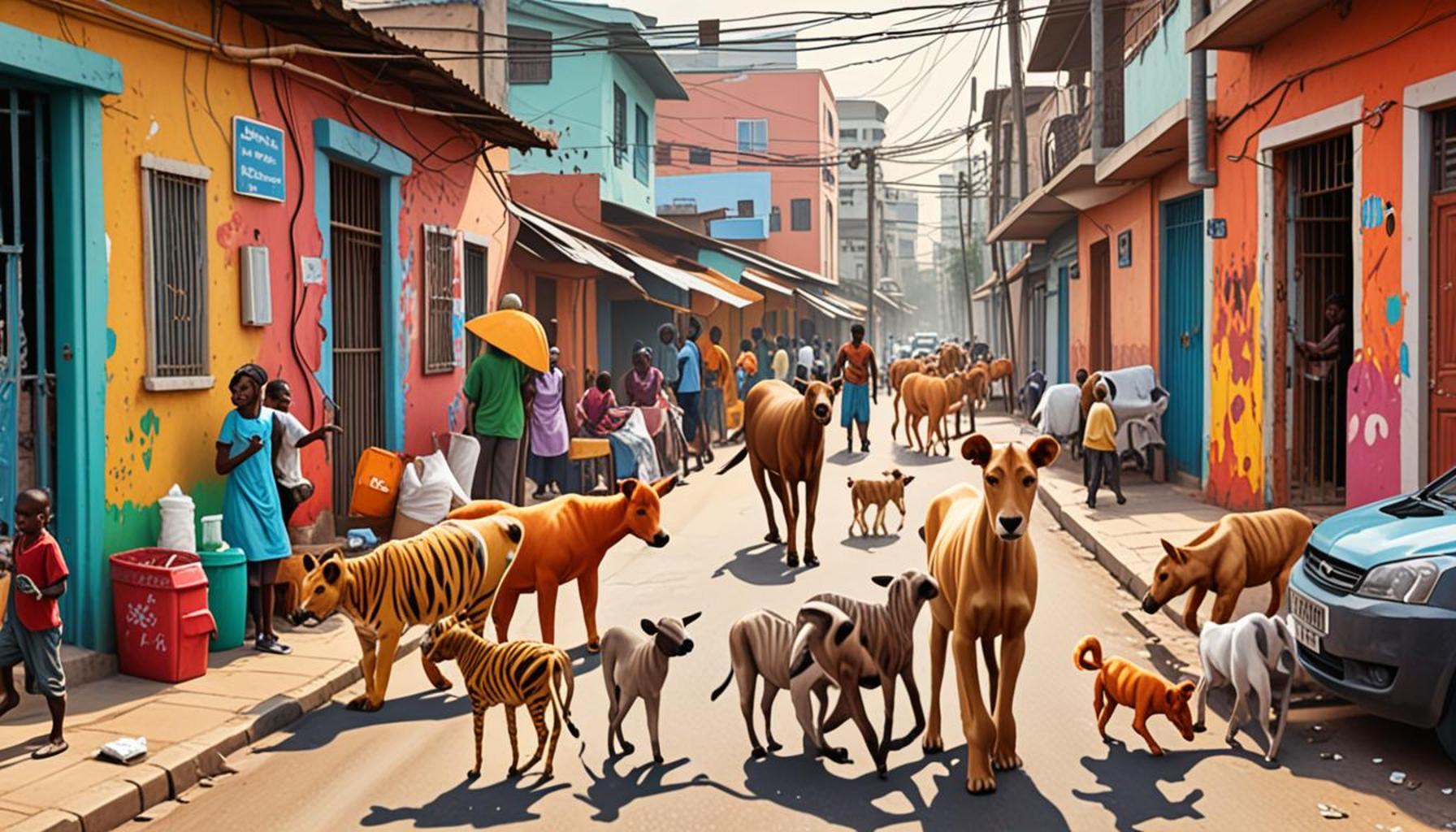
Understanding the Struggles of Street Animals in Nigerian Cities
In the bustling streets of Nigerian cities, forgotten creatures roam, fighting for survival. Street animals, particularly dogs and cats, face numerous challenges that hinder their chances of a better life. From social stigma to resource scarcity, the path to adoption is fraught with obstacles.
The issues surrounding street animal adoption in Nigeria can be grouped into several key areas:
- Lack of Awareness: Many residents are unaware of the benefits of adopting street animals. Unlike buying pets from breeders, adopting a street animal helps reduce the homeless animal population. Notably, many people do not realize that these animals can provide love, companionship, and protection. Programs that educate the public about the bond one can form with a rescued animal could significantly shift perceptions and encourage adoption.
- Social Stigma: There’s a prevalent notion that street animals are unclean or dangerous. This stereotype often dissuades potential adopters, with many fearing that these animals might carry diseases or exhibit undesirable behavior. However, street animals are often just victims of circumstance, and with proper care, many can transform into loyal companions. Efforts to showcase success stories of rehabilitated street animals can serve as effective tools to combat this negative stigma.
- Financial Constraints: Adoption costs and subsequent care can be a financial burden. While adopting a street animal often comes with lower initial costs compared to buying a pet, ongoing expenses related to veterinary care, food, and shelter can add up quickly. Many potential adopters may fear that they cannot afford the necessary ongoing financial commitment. Community initiatives that provide low-cost vaccinations and spaying/neutering services can help ease this concern, leading to more successful adoptions.
- Limited Support: Few organizations offer support for fostering or adopting street animals. While larger cities may have some shelters and rescue organizations, many areas lack adequate resources. Consequently, prospective adopters are often left to navigate the challenges of animal care on their own. Expanding local shelters and enhancing outreach programs will promote a culture of support for street animal adoption and care.
Despite these challenges, there is hope. Various initiatives and dedicated individuals are working tirelessly to promote adoption and improve the lives of street animals. Grassroots organizations are beginning to emerge, fostering community engagement and awareness. Efforts include organizing local adoption drives, creating educational materials, and hosting workshops to teach responsible pet ownership.
By addressing existing barriers, these efforts aim to foster a community that welcomes and cares for these animals. Recent social media campaigns have also served to raise awareness, showcasing adorable street animals looking for homes, which has begun to resonate with the public on a wider scale.
This article explores the challenges of adopting street animals in Nigerian cities while highlighting potential solutions that can pave the way for a brighter future for both animals and communities alike. Encouraging a culture of compassion not only benefits street animals but enriches the social fabric of urban life, fostering a more responsible and empathetic society.
Breaking Down Barriers to Adoption
Understanding the myriad challenges faced by street animals in Nigerian cities is just the beginning. To truly effect change, it’s essential to delve deeper into the societal dynamics and potential solutions that can facilitate their adoption. The ongoing plight of these animals not only reflects broader societal issues but also presents an opportunity for communities to transform their perspectives on animal welfare.
One of the most critical barriers to the adoption of street animals is the pervasive lack of awareness regarding animal welfare and the benefits of adoption. Many Nigerians are unfamiliar with the advantages of adopting a stray animal. Adoption can significantly reduce the strain on municipal resources and help control the stray animal population. Furthermore, it offers the potential for forming a rewarding companionship. Education campaigns, utilizing local media and community gatherings, can play a vital role in enhancing public understanding of this impactful act.
Another pressing issue is the social stigma that surrounds street animals. In many urban areas, a common perception exists that street animals are inherently dangerous or diseased. This fear is often exacerbated by portrayals in popular culture and a lack of firsthand experience. However, many street animals can exhibit affectionate behaviors and become loyal companions once they are given a chance. Initiatives that highlight positive adoption stories can dismantle these misconceptions. For instance, community events featuring rehabilitated animals can attract attention and demonstrate the joy these pets can offer.
Addressing Financial Challenges
The financial implications of adopting and caring for animals cannot be overlooked. While the initial adoption fee for street animals is generally minimal, the ongoing costs of food, veterinary care, and other necessities can deter potential adopters. A survey by a local animal welfare organization revealed that 60% of surveyed individuals cited financial concerns as their primary reason for not adopting. Community-led initiatives aimed at providing subsidized veterinary services or local partnerships with veterinarians for discounted care can alleviate these concerns, making adoption a more viable option for many families.
- Establishing vaccination clinics: Mobile clinics that offer affordable vaccinations and treatments can help foster a healthy population of adopted pets.
- Food banks for pets: Initiatives focused on providing food assistance can ensure that newly adopted animals receive proper nutrition without overburdening owners.
- Training workshops: Teaching new owners about cost-effective and sustainable practices for pet care promotes successful adoptions and reduces return rates.
Ultimately, the success of adoption efforts hinges on the collaboration between local governments, non-profits, and communities. By pooling resources and knowledge, these stakeholders can develop comprehensive strategies to create supportive environments for both animals and their owners. Enhancing local shelters and creating foster networks will also be integral in nurturing a culture of compassion for abandoned animals.
Nigerian cities stand at a crucial juncture wherein they can either continue to neglect street animals or take resolute steps to address these challenges. With the right initiatives in place, fostering a thriving culture of adoption could transform communities, inspire empathy, and ultimately lead to a sustainable future for both street animals and urban residents alike.
| Challenges | Solutions |
|---|---|
| Overpopulation of Street Animals | Implementing Spay and Neuter Programs |
| Lack of Awareness and Education | Community Outreach and Workshops |
| Poverty and Economic Instability | Partnerships with NGOs for Subsidized Care |
| Health Risks to Animals and Humans | Regular Vaccination Campaigns |
In Nigerian cities, the adoption of street animals is often hindered by multifaceted challenges that create a complex landscape for potential adopters. Overpopulation results in a surge of stray animals, leading to competing risks for both animal welfare and public health. Many communities lack awareness and education, causing misconceptions about the benefits of adopting street animals. Furthermore, persistent poverty and economic instability complicate the efforts to provide proper care, leaving many animals vulnerable.However, various solutions have emerged. For instance, implementing spay and neuter programs can help control the growing population of strays. Community outreach and educational workshops play a vital role in changing perceptions and encouraging adoption. Collaboration with NGOs can facilitate subsidized veterinary care for these animals, making it easier for families to take in new companions. Additionally, regular vaccination campaigns not only safeguard the health of street animals but also mitigate health risks associated with their presence in urban settings. In this way, by understanding the challenges and exploring sustainable solutions, we can improve the lives of street animals and foster a culture of responsible pet ownership in Nigerian cities.
Empowering Local Communities through Adoption Initiatives
Beyond financial challenges and societal myths, the empowerment of local communities plays a pivotal role in changing how street animals are perceived and adopted within Nigerian cities. By fostering community involvement in animal welfare, adoption becomes not just a personal decision but a collective responsibility that enhances local unity and empathy.
A strong example of grassroots activism can be found in cities like Lagos and Abuja, where community groups have effectively organized adoption drives that let residents experience the joy of adopting a street animal firsthand. These events serve multiple functions: they educate the public, facilitate the adoption process, and create a sense of shared purpose within the community. Activities like free pet-training sessions during adoption events further demystify the responsibilities of pet ownership and allow potential adopters to ask questions, learn skills, and find the right fit for their family.
Leveraging Technology for Greater Impact
The role of technology in facilitating the adoption of street animals cannot be ignored. With the increasing access to smartphones and the internet among Nigerians, several innovative platforms have emerged that focus on animal adoption and welfare. Mobile applications and websites dedicated to showcasing street animals available for adoption can streamline the process and enhance visibility for these pets. For instance, platforms like “Adopt a Pet NG” provide detailed profiles and photos of animals, helping to dispel myths about their behavior and health while also enabling potential adopters to connect directly with shelters or rescue organizations.
- Social media campaigns: By utilizing popular platforms like Facebook and Instagram, accounts that highlight street animals waiting for adoption can gain traction and reach a wider audience. These stories often go viral, leading to increased awareness and encouraging more people to consider adoption.
- Community forums: Online forums can be a source of invaluable advice for new pet owners, offering support networks that can address common concerns relating to care and feeding, helping to ensure successful adoptions.
Moreover, these tech-centered initiatives can also provide valuable data for local authorities and animal welfare organizations. By tracking trends in adoption rates, they can better allocate resources and tailor their strategies to meet the needs of both residents and street animals.
Legislative Support and Policy Change
Another critical area of focus should be on legislative support and policy change. Policies that encourage responsible pet ownership and provide for the humane treatment of animals can set the groundwork for a more compassionate approach to animal welfare. For example, driver education programs that include animal rights issues can advance a culture of empathy and respect for street animals.
Advocacy for laws that support the establishment of community-based animal welfare organizations can lead to sustainable change. Enhanced collaboration with local governments can facilitate funding for shelters and adoption programs, ensuring adequate resources are available for care and education initiatives.
Additionally, instituting animal welfare education in schools as part of the curriculum can positively influence future generations, making them more likely to support the adoption and humane treatment of animals. Teaching children about the importance of compassion towards all living beings fosters a culture that regards street animals as valuable members of the community.
Nigerian cities hold transformative potential in redefining how they engage with street animals. By focusing on community empowerment, technology integration, and legislative support, the challenges surrounding the adoption of street animals could be significantly mitigated, leading to a vibrant culture of compassion and responsible pet ownership.
Conclusion: A Path Forward for Street Animal Adoption in Nigeria
As we navigate the complex landscape of adoption of street animals in Nigerian cities, it becomes clear that collaborative effort is essential to overcoming existing challenges. Through the empowerment of local communities, technology-driven initiatives, and robust legislative support, there lies an opportunity to foster a culture where street animals are not merely overlooked but celebrated as part of the urban fabric.
The collaboration among community groups, animal shelters, and residents is vital in creating a support network that extends beyond the initial act of adoption. By driving awareness campaigns and facilitating easy access to resources, the advocates of animal welfare can craft a holistic approach that considers both the animals’ needs and the community’s dynamics. Furthermore, leveraging technology holds the promise of increasing visibility for adoptable pets, allowing potential owners to make informed decisions based on reliable information available at their fingertips.
On a policy level, advancing legislation that supports humane treatment and responsible pet ownership can lay the groundwork for long-term change. Integrating animal welfare education into school curriculums not only shapes attitudes but also engrains compassion in the next generation. Examining how these elements intersect reveals that the road to successful animal adoption is as much about changing mindsets as it is about navigating logistical barriers.
In conclusion, the adoption of street animals in Nigeria is not just a matter of caring for pets; it is a reflection of societal values and collective action. By addressing challenges head-on and implementing effective solutions, Nigerian cities can lead the way in inspiring a compassionate community that regards all living beings as deserving of a loving home. Embracing this responsibility can pave the way for a brighter future for street animals and their human companions alike.