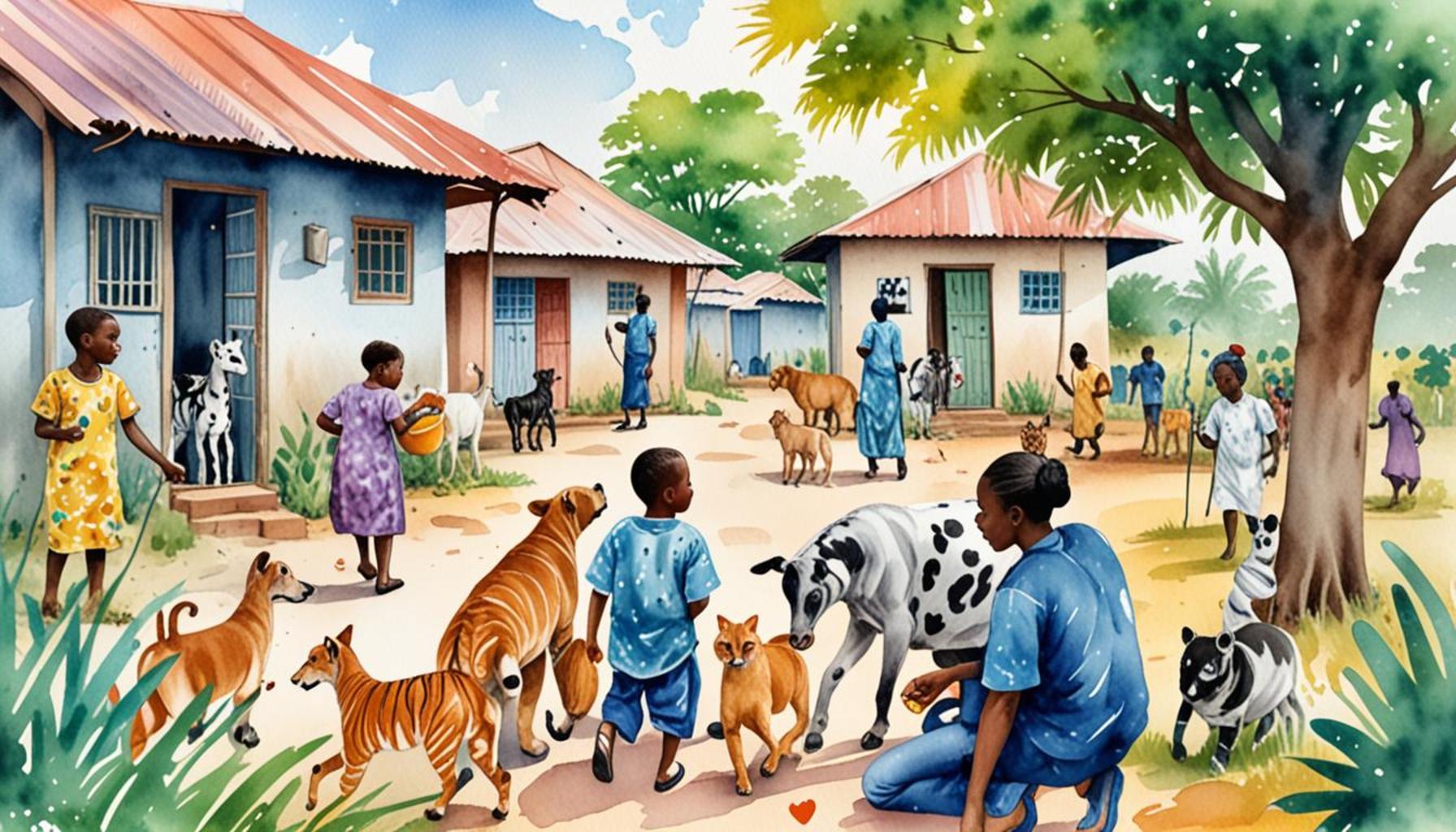
The Challenges of Animal Adoption in Rural Areas of Nigeria
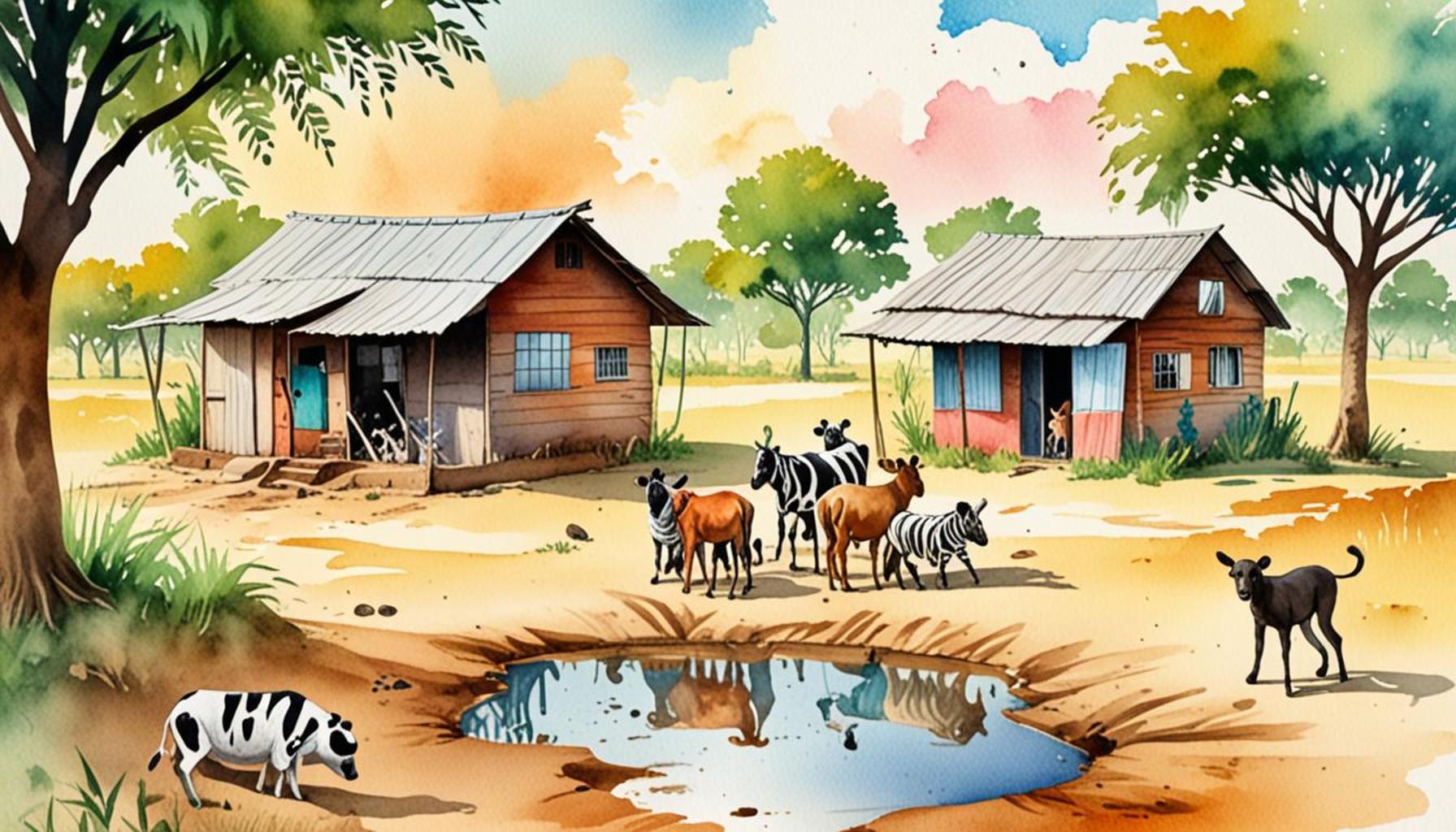
The Complex Landscape of Animal Adoption in Rural Nigeria
The pursuit of animal adoption in rural Nigeria has garnered attention and enthusiasm, yet it remains fraught with challenges that inhibit effective practices. These challenges not only affect animals in need of homes but also hinder families hoping to welcome pets into their lives.
Lack of Veterinary Services
One of the most pressing hurdles is the lack of veterinary services. In many rural communities, veterinary clinics are few and far between, sometimes necessitating lengthy travel for pet owners seeking medical care. This absence of accessible veterinary services can deter potential adopters who worry about the wellbeing of animals due to inadequate health checks and vaccinations. For instance, without proper vaccination, pets may be more susceptible to diseases like rabies, posing a risk not only to their health but also to public safety.
Cultural Perceptions
Cultural perceptions also play a significant role in shaping attitudes toward animal adoption. In several Nigerian rural communities, animals are traditionally viewed as livestock, primarily serving economic purposes rather than emotional companionship. This mindset can lead to reluctance in adopting pets, as the value of animals as companions remains overlooked. Efforts to shift these perceptions through community engagement and education could foster a more accepting attitude towards animal adoption and ownership.
Financial Constraints
The economic challenges faced by many families compound the problem of animal adoption. The financial constraints associated with pet ownership, including the costs of food, vaccinations, and general care, can be substantial. In a country where many households grapple with daily survival, prioritizing the costs associated with pet ownership can feel unrealistic. For example, the price of dog food or routine veterinary visits may be perceived as luxury expenses when families are struggling to provide for essential needs.
Infrastructure and Community Awareness
Moreover, the infrastructure to support effective animal welfare initiatives is often lacking in rural Nigeria. Community awareness programs aimed at educating residents about responsible pet ownership and the benefits of adopting animals are scarce. Misinformation about how to care for pets adds another layer of difficulty, often preventing individuals from making informed decisions regarding adoption.
As the push for animal adoption continues to gain traction, it is essential to understand these obstacles in detail. Recognizing specific challenges faced in rural communities provides a pathway to create tailored solutions, paving the way for enhanced animal welfare in Nigeria. By fostering collaboration among stakeholders, including local governments, animal welfare organizations, and community leaders, the adoption experience can be improved for both potential pet owners and animals seeking loving homes.
Ultimately, addressing these challenges requires a concerted effort, emphasizing the need for increased veterinary support, cultural shifts, financial assistance, and robust educational programs. By illuminating these critical issues, the hope is to inspire action that transforms the landscape of animal adoption in rural Nigeria, ensuring that both animals and their future families can thrive together.
Critical Barriers to Animal Adoption in Nigeria’s Rural Landscape
As the movement towards animal adoption grows, understanding the root causes of the challenges faced in rural Nigeria becomes paramount. These barriers encompass a variety of aspects, from infrastructural deficiencies to societal attitudes, making the path toward promoting animal welfare a complex issue that requires multifaceted solutions.
The Shortage of Trained Professionals
Another significant challenge impacting animal adoption in rural Nigeria is the shortage of trained professionals. The rarity of qualified veterinarians and animal welfare advocates means that communities often lack access to expertise that can support responsible pet ownership. Many rural residents are unaware of proper animal care, which can lead to neglect or abandonment when challenges arise. Efforts to establish veterinary training programs or incentives for professionals to work in rural areas could help address this void, ultimately leading to better outcomes for adopted animals.
Infrastructural Limitations
The infrastructural limitations prevalent in rural regions also pose obstacles to successful animal adoption. Poorly maintained roads and inadequate transportation options make it challenging for families to reach the nearest veterinary clinics or animal shelters. Additionally, limited access to essential supplies, such as affordable pet food and medications, further complicates the journey toward pet ownership. Without reliable infrastructure, the very act of adopting an animal becomes a daunting prospect for many families.
Community Engagement and Support
While the enthusiasm for animal adoption might be present, the lack of community engagement plays a crucial role in hindering progress. Community support networks that promote animal welfare and responsible adoption practices are often weak or nonexistent. Without local outreach efforts such as educational workshops or awareness campaigns, potential adopters may remain unaware of the benefits and responsibilities involved in bringing a pet into their home. Here are some potential community initiatives that could bolster animal adoption:
- Organizing educational sessions on animal care and the importance of vaccinations.
- Facilitating community discussions to challenge existing cultural perceptions about animals as mere economic assets.
- Create local adoption events that celebrate and promote successful pet placements.
Regulatory Frameworks and Policy Challenges
Moreover, the existing regulatory frameworks and policies related to animal welfare in Nigeria often fall short of the necessary standards to ensure the well-being of adopted animals. Collaborative efforts between local governments and animal welfare organizations are crucial for creating and enforcing regulations that protect both pets and owners. Policies that incentivize animal adoption and the protection of stray animals can help establish a supportive environment for potential pet owners.
Raising awareness of these systemic challenges is essential for moving beyond anecdotal experiences toward a broader understanding of animal adoption in rural Nigeria. By addressing shortcomings in veterinary services, community involvement, and infrastructure, progress can be made toward both animal welfare and the enrichment of families’ lives through pet ownership. In the long run, collective commitment to tackling these barriers holds the potential for a future where animals and families thrive together in harmony.
The challenges of animal adoption in rural areas of Nigeria are numerous and often intertwined with local socio-economic contexts. Understanding these barriers is crucial for fostering effective adoption programs and improving animal welfare.One significant issue is the widespread lack of awareness regarding the benefits of keeping pets. Many rural communities perceive animals primarily as working animals, essential for farming or security, rather than companions that require care and affection. This mindset limits the potential for pet adoption, as villagers might not see the value in adopting stray animals. Additionally, the financial constraints faced by many families pose a significant barrier. The cost associated with veterinary care, vaccinations, and nutritional needs of animals can be overwhelming for households that are already struggling economically. High poverty rates in these areas lead to a lack of resources for proper animal care, making potential adopters hesitant to take on the responsibility of a pet.Furthermore, infrastructural limitations can hinder the effectiveness of local animal welfare organizations. In many rural areas, the absence of accessible veterinary clinics and the scarcity of trained professionals make it incredibly challenging for people to obtain the necessary support for adopting and caring for pets.The cultural perception of animals also plays a role in these adoption challenges. In some communities, traditional beliefs and superstitions can influence attitudes toward animals, creating reluctance to adopt. These aspects are often overlooked in broader discussions about animal welfare, highlighting the need for targeted educational campaigns that respect and engage with local beliefs while promoting animal adoption.To address these challenges, collaboration between local governments, NGOs, and community leaders is essential. Implementing educational programs that emphasize the emotional and social benefits of pet ownership could change mindsets over time. Additionally, introducing subsidy programs for veterinary services and support for local shelters can alleviate financial burdens, ensuring that animals are cared for and adopted responsibly.In summary, tackling the multifaceted challenges of animal adoption in rural Nigeria requires a comprehensive approach that encompasses education, financial aid, and cultural sensitivity. By understanding these diverse obstacles, stakeholders can devise more effective strategies for enhancing the welfare of animals in these communities.
Socio-Cultural Influences on Animal Adoption Rates
In rural Nigeria, cultural attitudes towards animals play a vital role in determining the success of animal adoption initiatives. Traditional beliefs often place animals in categories based on their utilitarian value, leading to disparate perceptions of pets versus livestock. For many community members, the notion of an animal as a beloved companion may seem foreign or impractical, limiting the potential for foster care and adoption programs.
Beliefs and Traditions Surrounding Animals
While some cultures view animals purely through a lens of resourcefulness—seeing cats and dogs primarily as pest controllers or herd protectors—others may hold deep-rooted beliefs that animals should remain untamed or free. These sentiments can obstruct attempts to encourage responsible pet ownership. For instance, during farming seasons, dogs might be relegated to roles as guards rather than companions, and this utilitarian view can diminish adoption rates.
Economic Constraints and Priorities
The stark reality of rural economic conditions further complicates the landscape of animal adoption. With limited financial resources, many families prioritize basic human needs—food, shelter, and education—over the costs associated with caring for a pet. Veterinary services, nutrition, and preventive care are perceived as luxuries rather than essentials, creating a barrier to optimal adoption practices. Data from various organizations indicates that in low-income households, less than 10% report the ability to bear the costs of pet care, making it crucial to address affordability in adoption campaigns.
Awareness Campaigns and Change Initiatives
To break through these socio-cultural barriers, local organizations and advocacy groups must engage in tailored outreach initiatives aimed at reshaping perceptions around animal adoption. For instance, campaigns that celebrate pets as family and core to community well-being can shift mindsets. By reinforcing the emotional and social benefits of animal companionship—such as stress relief and emotional support—stakeholders can foster a more positive view of responsible pet ownership.
- Utilizing local storytelling traditions to communicate the positive impact of animal companionship.
- Encouraging school programs that introduce children to the importance of animals in promoting empathy.
- Highlighting successful adoption stories through local media to inspire others to consider pet ownership.
Gender Roles and Responsibilities
Moreover, gender dynamics play an essential role in who adopts animals within rural communities. Women, often seen as primary caregivers, may be more inclined to embrace pet ownership, yet they frequently lack the decision-making power needed for adoption. Male community leaders may inadvertently perpetuate narratives that place pets beyond the household’s purview. Addressing these disparities requires inclusive dialogues that empower all community members to engage in animal welfare discussions, ensuring that every voice is heard and valued.
Gaining insights into these socio-cultural influences helps define a comprehensive strategy for promoting animal adoption in rural Nigeria. By recognizing the significance of traditional beliefs, economic constraints, and gender dynamics, initiatives can be designed that resonate with the unique characteristics of rural communities. Ultimately, creating a cultural shift toward viewing animals as valuable companions will open doors to greater adoption rates and improved animal welfare across the region.
Conclusion
As we’ve explored, the challenges of animal adoption in rural areas of Nigeria are deeply embedded in the complex interplay of socio-cultural beliefs, economic constraints, and gender roles. To foster a change in adoption rates, it is crucial to dismantle long-standing perceptions that categorize animals solely by their utility. Shifting the narrative toward viewing animals as companions can enhance community interactions and improve animal welfare.
Moreover, addressing the economic barriers faced by families is imperative. By providing accessible veterinary services and advocating for affordable pet care, stakeholders can alleviate the burdens that come with pet ownership. Initiatives must also prioritize grassroots awareness campaigns that leverage local customs, education programs, and media to promote responsible pet ownership and showcase positive adoption stories, instilling a sense of community pride connected to animal care.
Lastly, inclusive dialogue that empowers all community members—including women, who often hold primary caregiving roles—will breed greater understanding and responsibility in pet ownership. Engaging diverse voices in conversations about animal welfare will pave the way for broader cultural shifts and improved outcomes in adoption initiatives.
Ultimately, overcoming these challenges will require a concerted effort from individuals, community leaders, and organizations alike. By fostering a culture that values animals as integral members of the family and community, rural areas in Nigeria can unlock the potential for increased animal adoption, leading not only to better animal welfare but also enriched human lives.