
The Impact of Local Culture on Pet Training in Nigeria
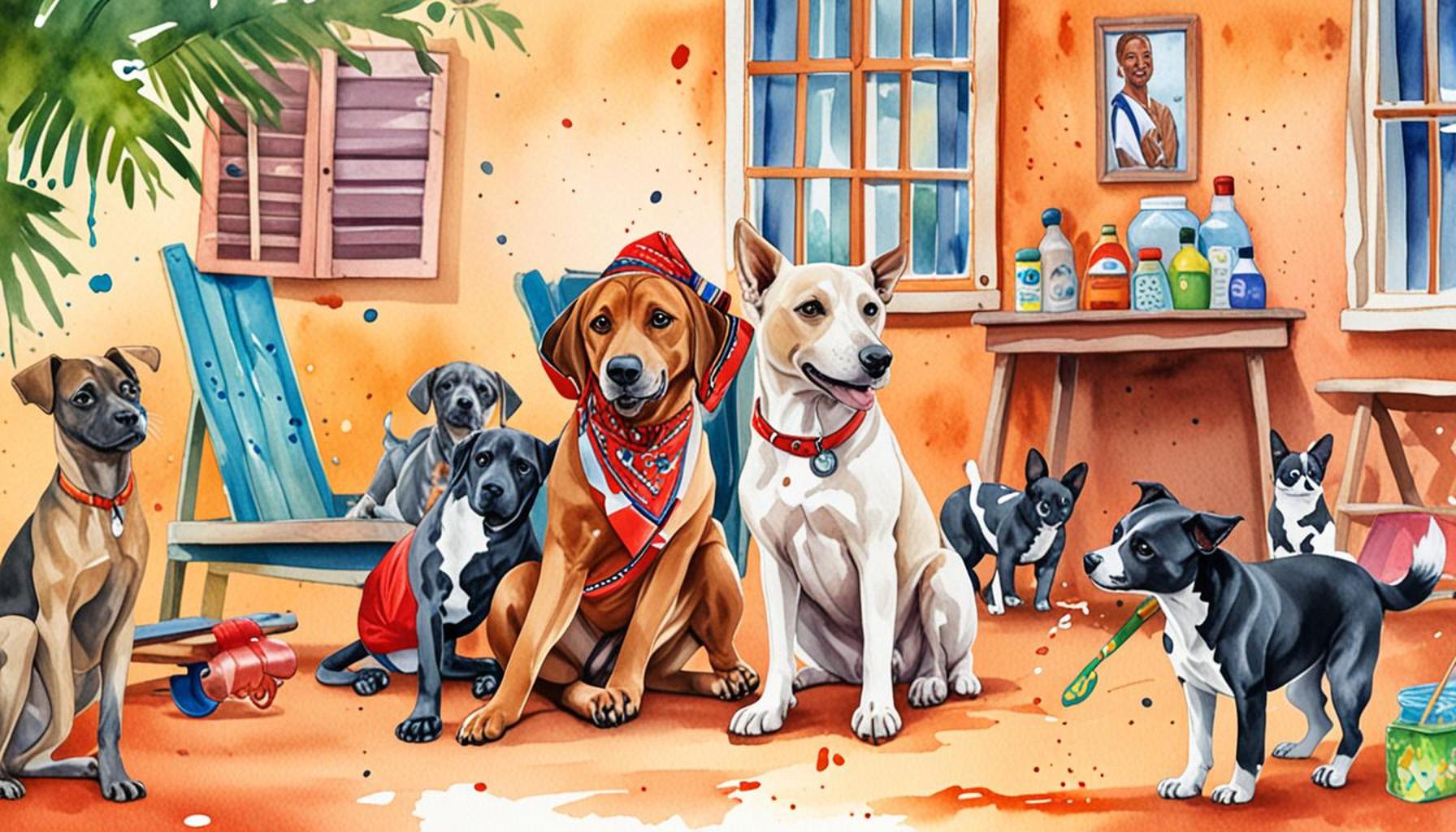
Cultural Influences on Pet Training in Nigeria
Pet training is a multifaceted endeavor that transcends simple commands and obedience. It is deeply intertwined with the unique cultural backdrop of various regions, particularly in a diverse country like Nigeria. With over 250 ethnic groups, each bringing their distinct traditions and beliefs, the landscape of pet ownership and training becomes a rich tapestry that showcases how cultural contexts can shape our relationship with animals.
Several factors significantly influence the approach to pet training in Nigeria, creating a culturally rich training environment:
- Traditional Beliefs: Many Nigerians regard animals as more than just pets; they view them through a spiritual lens. In certain communities, dogs and other animals may be seen as guardians of the home or even as embodiments of ancestral spirits, making their training a part of spiritual practices. For example, in some Yoruba communities, certain breeds are believed to have protective qualities, necessitating a particular respectful training approach.
- Community Practices: The collective knowledge shared in communities greatly influences effective training techniques. Elders often impart wisdom on handling pets based on generations of experience. In many cases, training is not solely the responsibility of the owner; it involves family members and neighbors who contribute their insights, creating a community-driven approach to pet care.
- Socioeconomic Status: The availability of resources also plays a critical role in shaping pet training methods. In urban centers like Lagos and Abuja, access to professional trainers and sophisticated training materials is more prevalent, leading to a more modernized approach. Conversely, in rural areas, limited resources may necessitate the use of traditional and practical methods that fit within the local context.
In metropolitan areas, a blend of contemporary techniques often contrasts with the enduring values rooted in tradition. Urban pet owners might employ methods seen in Western practices, such as positive reinforcement, which can clash with longstanding cultural beliefs. In contrast, those in rural zones rely heavily on generational wisdom passed down through families, adhering to customs that dictate how animals are viewed and trained.
Furthermore, the buzzle of popular dog breeds in Nigeria showcases the diversity in training practices. Breeds like the Nigerian Local Dog, which is adapted to local life and traditionally valued for its loyalty, may present unique challenges due to their independence, often requiring discipline grounded in understanding and respect for the animal’s nature. Meanwhile, the French Bulldog, favored in urban settings, might demand different training strategies focused on social behavior and health considerations, reflecting the owner’s lifestyle.
Understanding these cultural dynamics provides a deeper insight into the impact of local culture on pet training across Nigeria. Such exploration invites not only dog owners but also aspiring trainers and animal lovers to reflect on how cultural nuances shape their interactions with pets. This rich diversity makes the field of pet training in Nigeria endlessly fascinating, urging further inquiry into how we can harmonize tradition with emerging practices for the benefit of both pets and their owners.
The Role of Traditional Beliefs in Pet Training
In Nigeria, the traditional beliefs held by various ethnic communities have a profound influence on pet training practices. This cultural dimension shapes not just how pets are trained but also how they are perceived within families and society at large. For instance, in many cultures, dogs are viewed as more than mere companions; they often embody familial connections or take on roles presiding over spiritual domains. In the Yoruba culture, a dog’s reputation as a loyal protector of the household brings with it expectations for a respectful and disciplined approach, where the training is closely aligned with rituals and spiritual observances.
The importance of understanding the animal’s role in society is emphasized in the training techniques employed. Often, trainers rely heavily on local folklore and traditional wisdom passed down through generations. Knowledge centers around specific breeds associated with certain traits or capabilities; for example, the Nigerian Local Dog is often respected for its loyalty and territorial instincts. Owners are taught to cultivate these attributes in their pets rather than reformat them entirely to fit modern paradigms. This focus on nurturing existing traits often leads to a more harmonious relationship between the pet and owner.
Community Wisdom and Collaborative Training
The concept of community also plays a vital role in shaping the training approaches in Nigeria. Unlike in many Western contexts where individual ownership often dominates, Nigerian pet training can embody a community-driven approach. Elders in neighborhoods often act as informal trainers, sharing their treatment strategies and techniques. This communal knowledge sharing not only facilitates diverse methodologies but also strengthens the familial and communal bonds that pets symbolize.
- Experience Sharing: It is common for family members to come together, sharing their experiences when training a pet. This collaborative effort can lead to a more enriching training environment.
- Youth Involvement: Younger family members often engage passionately in the training process, learning valuable skills and knowledge from older generations. This engagement keeps cultural practices alive.
- Social Events: Community gatherings centered around pets can also provide opportunities for training tips and techniques to be exchanged, showcasing the dynamic interaction between community and personal pet care.
In the bustling urban settings of Nigeria, however, the landscape shifts dramatically. The availability of professional training services and materials tailored for contemporary pet ownership introduces an eclectic blend of methods that juxtaposes traditional practices. Cities like Lagos and Abuja are filled with pet training academies that specialize in modern techniques such as clicker training or agility courses. These practices can sometimes clash with the deeply rooted traditional methods, creating a fascinating dialogue between the old and new.
The socio-economic divide between urban and rural areas influences these training approaches significantly. Urban pet owners may feel a desire to keep up with global pet care trends, while those in rural areas often lean into the time-honored customs that have successfully sustained for generations. This intersection of cultural practice and socioeconomic status is critical in understanding how wildlife and domesticated animals are integrated and treated within Nigerian culture.
In exploring the impact of local culture on pet training, it is essential to recognize how these various elements interact—each layer adding depth to the training experience and impacting the relationships formed between pets and their owners.
| Local Training Techniques | Cultural Significance |
|---|---|
| Use of Traditional Commands | Reflects local languages and communication styles, fostering a strong bond. |
| Incorporation of Rituals | Enhances respect and understanding between owner and pet, rooted in cultural practices. |
The diverse cultural practices in Nigeria play a significant role in shaping pet training methodologies. Traditional commands used for training are often derived from local dialects, establishing a close connection between the owner and the animal. This not only aids in communication but also enhances the pet’s responsiveness, as familiar sounds resonate more with them.Moreover, incorporating rituals and ceremonies into pet training can enhance the mutual respect and understanding between the pet and its owner. These practices may vary widely across different regions, highlighting the rich tapestry of local customs. Embracing these cultural elements not only enriches the training experience but also helps in reinforcing societal roles of pets within various communities. The fusion of training techniques with cultural values creates a unique approach to pet behavior, potentially leading to more effective and harmonious living environments for pets in Nigeria. Exploring the impact of local culture on pet training reveals a deeper understanding of both animal behavior and community relationships, underlining the significance of culture in every aspect of life, including pet care.
Urbanization and the Shift in Pet Training Practices
The rapid pace of urbanization in Nigeria is reshaping pet training methods and practices, resulting in a fascinating convergence of traditional and modern influences. As cities expand and more families migrate from rural areas to urban centers, the expectations and lifestyles associated with pet ownership undergo significant changes. In urban environments like Lagos, where pet ownership is on the rise, pet training has begun to incorporate contemporary methods that appeal to a more cosmopolitan audience.
Urban pet owners often face unique challenges, such as limited space and a fast-paced lifestyle, driving them to seek training solutions that can fit into their daily routines. This has led to the emergence of specialized training classes that offer tailored programs for busy professionals. Techniques such as obedience training, agility training, and socialization workshops reflect not only the shift to modern pet care but also the adaptation of traditional practices to meet contemporary demands. Notably, the rise of digital platforms and social media has amplified the influence of global pet training trends, infusing urban pet ownership with a wealth of information and diverse methodologies.
However, while urbanization fosters the adoption of these contemporary practices, it can also lead to a disconnection from the cultural roots that have historically guided pet training in Nigeria. Many urban dwellers might overlook the importance of rituals and community engagement previously integral to training pets. For instance, the communal celebrations surrounding certain cultural festivals, where pets are dressed and treated in accordance with local traditions, are less frequent in bustling cities. This disconnect raises questions about the preservation of indigenous practices in the face of modernization.
The Influence of Religion on Pet Training
Religion also plays a pivotal role in how pets are trained and perceived across various Nigerian communities. In predominantly Islamic regions, dogs are often viewed with a degree of caution due to cultural beliefs surrounding cleanliness and religious absolutism. Consequently, pet training practices may diverge significantly, focusing on behavior that aligns with cultural and religious expectations. Owners may prioritize commands that ensure the animal’s behavior fits within the community’s social norms, like training dogs to exhibit restraint or avoid areas deemed inappropriate.
Conversely, in Christian communities where pets are seen as part of the family unit, training methods may emphasize nurturing companionship and obedience. This familial approach to training reflects a broader acceptance of pets as life companions rather than working animals or symbols of status. The role of pets within religious contexts influences training objectives, with owners often seeking training techniques that align with their human values, including love, faithfulness, and the responsibility of care.
- Religious Factors: The diverse beliefs of Nigeria’s communities greatly influence pet ownership perceptions, dictating how different breeds are treated, trained, and integrated into the family household.
- Inter-community Interactions: The interaction between various beliefs can lead to a fascinating blend of training techniques, fostering a deeper understanding of the pets’ needs from multiple cultural perspectives.
The impact of local culture on pet training in Nigeria cannot be understated as it weaves together a rich tapestry of traditions, religious influences, and the implications of urban living. As the landscape continues to evolve, the nuances of these cultural intersections will shape the future of how Nigerian pet owners relate to their furry companions, pointing towards a dynamic and ongoing dialogue between the past and present.
Conclusion
In summary, the impact of local culture on pet training in Nigeria is a multifaceted phenomenon that deeply reflects the rich tapestry of traditions, urban realities, and religious beliefs inherent to the nation. As Nigeria grapples with the dual forces of globalization and urbanization, pet owners find themselves negotiating between age-old customs and modern training methodologies that align with more contemporary lifestyles. Urban centers, with their challenges and opportunities, have sparked significant shifts in pet training practices, promoting the adoption of varied techniques that resonate with the bustling lives of modern Nigerians.
Moreover, the role of religion cannot be overlooked, as it significantly shapes how pets are perceived and trained across different communities. From the cautious handling of dogs in traditional Islamic contexts to the warm integration of pets as family members in Christian households, these cultural lenses create distinct training goals that reflect individual values and beliefs about companionship and obedience.
As we look to the future, it becomes increasingly essential to strike a balance between maintaining cultural heritage in pet training and embracing innovative approaches that cater to evolving lifestyle demands. This ongoing dialogue not only enriches the pet ownership experience but also serves as a critical reminder of the significance of respecting local histories and customs in a rapidly changing society. Ultimately, understanding the cultural nuances surrounding pet training can pave the way for more conscientious and responsible pet ownership, fostering deeper connections between humans and their animal companions across Nigeria.