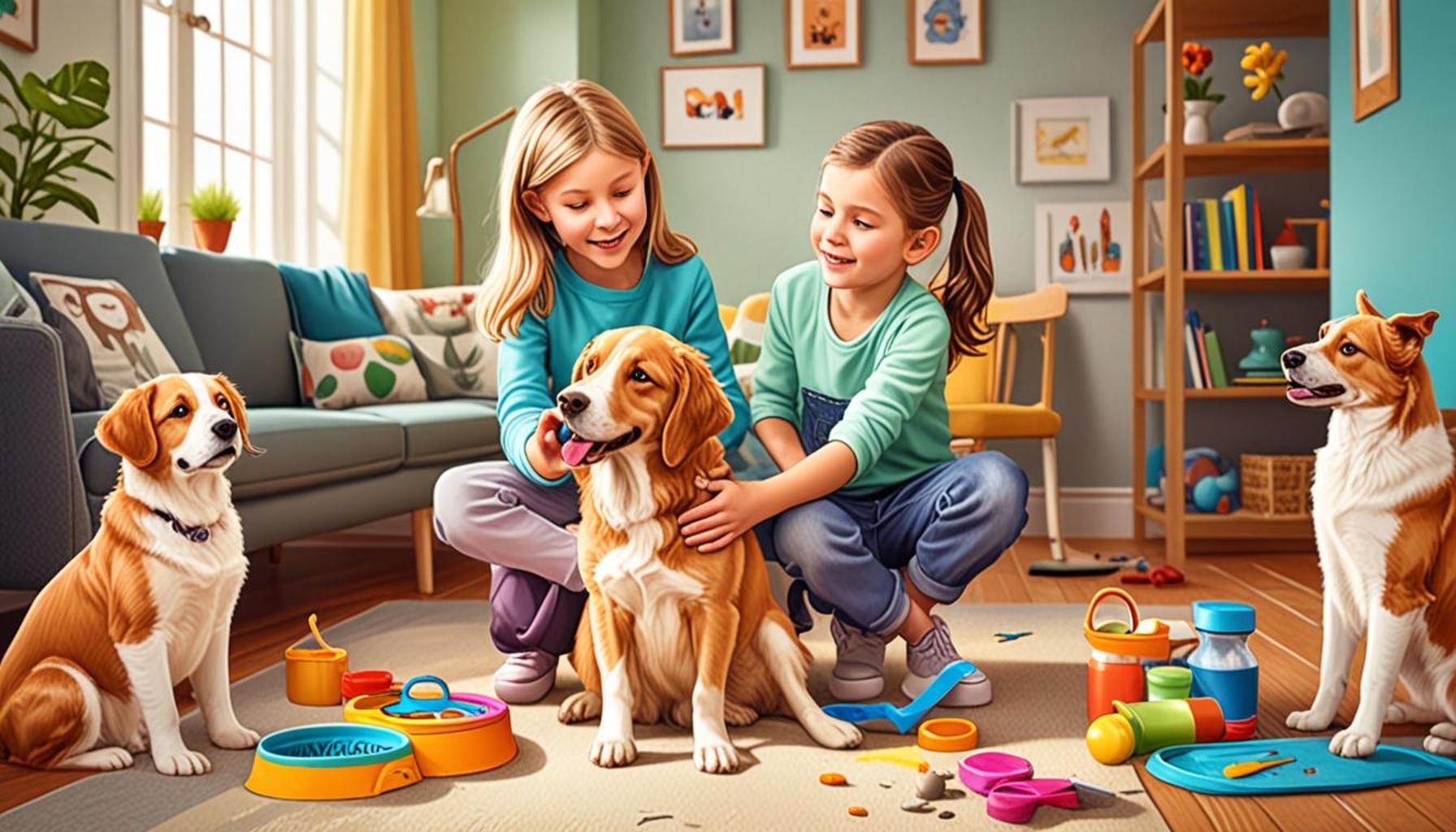
Pet Training with a Focus on Specific Behaviors: Success Stories

Transformative Effects of Pet Training
Training pets to exhibit specific behaviors can lead to remarkable transformations, bridging the gap between instinctual reactions and learned responses. For instance, consider the challenge of a rambunctious puppy that seems to view every household item as a chew toy. Through dedicated training, not only can your puppy learn to avoid inappropriate chewing, but also develop a sense of understanding about boundaries and appropriate play. Similarly, a cat that consistently turns its litter box into a no-go zone can be taught to embrace this essential aspect of hygiene, allowing both owner and pet to coexist more harmoniously.
These transformations highlight the potential benefits of effective training methods, transforming lives, not just for pets but also for their human companions.
- Behavior modification: Many pet owners have witnessed significant enhancements in their pets’ behaviors. For example, dogs suffering from separation anxiety can learn coping strategies that allow them to feel more secure when left alone. Additionally, addressing aggression through gradual exposure and socialization can ease tensions between pets and their owners, creating a peaceful home environment.
- Positive reinforcement: Techniques that reward desired behaviors have become a cornerstone of effective training, proving successful across a variety of species, including dogs and cats. In Nigeria, understanding the individual motivations of each pet can lead to effective training outcomes. For instance, using local treats or praise in native dialects elevates the training experience for pets that thrive on connection and affection.
- Community impact: Local organizations in Nigeria are paving the way with innovative pet training programs. These grassroots efforts not only help with individual pet training but also promote responsible pet ownership in communities. Success stories from these programs have the power to inspire widespread change; they encourage pet owners to adopt compassionate training techniques that prioritize the well-being of the animals.
These successes underline a crucial point—effective training is not merely about obedience; it enriches the overall quality of life for both pets and their families. The bond established through perseverance in training creates lasting memories and fosters mutual respect between pets and their owners. As we delve deeper into various success stories, from ingenious training techniques to personal accounts of pets drastically altering their behaviors, you can expect to uncover the endless possibilities that focused training can unlock.
Embark on this enlightening journey where heartwarming tales of transformed pets serve as motivation. Let these narratives inspire you to mull over your own pet’s training journey, ultimately leading to a more fulfilling companionship.
Success Stories in Behavior Modification
The journey of pet training is often a path paved with challenges, victories, and invaluable lessons. As we delve into various success stories, it becomes evident that addressing specific behaviors can yield delightful outcomes not only in pets but also in their owners’ lives. One remarkable example comes from Lagos, where a local dog training initiative took on the challenge of rehabilitating a stray dog known as “Bola.” This dog exhibited aggressive tendencies, often barking ferociously at passersby. Through consistent application of positive reinforcement techniques—such as rewarding Bola with treats for calm behavior—trainers were able to gradually help her overcome her aggression. Today, Bola is a beloved member of a family that cherishes her calm demeanor and playful spirit.

Behavior modification is not limited to aggression; it encompasses a range of challenges that pet owners face. The case of “Tari,” a mischievous cat in Abuja, illustrates this point well. Tari had developed a knack for knocking over houseplants and furniture, making her owner’s home resemble a small tornado had swept through. By using clicker training—a method that involves marking desired behavior with a click sound followed by a treat—her owner was able to redirect Tari’s energy towards more appropriate play, effectively saving their household decor while enhancing their feline’s agility.
The Impact of Socialization and Gradual Exposure
Socialization plays a vital role in pet training. Animals, much like people, thrive on social connections and interactions. A success story emerging from a local Nigerian animal welfare group centers on “Chuka,” a dog who initially feared other pets. Through a series of controlled socialization sessions, Chuka learned to interact with other dogs safely and enjoyably. This process involved exposure to dogs of various sizes and temperaments, helping him build confidence and trust. Owners have since reported that Chuka now delightfully welcomes visitors, both human and canine alike, reflecting a remarkable shift in his behavior.
Cultural Sensitivity in Training Techniques
In Nigeria, cultural elements can enhance the effectiveness of pet training. For instance, the use of local dialects and familiar sounds can resonate with pets, making the training experience more meaningful. A unique training workshop in Ibadan integrated traditional Nigerian music to help soothe anxious dogs and cats during training sessions. By appealing to the pets’ auditory preferences, trainers reported increased attentiveness during sessions, highlighting the importance of understanding the cultural context in training programs.
As we explore more success stories, it becomes increasingly clear that the dedicated efforts of trainers and pet owners can lead to life-altering transformations. These narratives not only highlight the bond shared between pets and their owners but also serve as beacons of hope and encouragement to others pondering personalized training approaches. Each success story reinforces the idea that with patience, understanding, and the right techniques, positive behavioral modifications can indeed be achieved.
| Category | Advantages |
|---|---|
| Targeted Behavior Training | Allows pet owners to address specific behavioral issues effectively, resulting in less frustration and more harmony at home. |
| Success Stories | Inspiring examples of transformed pets demonstrate the feasibility and effectiveness of behavior-focused training techniques. |
Pet training with a specific focus on behaviors is transforming the way pet owners interact with their animals. The targeted approach not only improves the pets’ conduct but fosters a deeper bond between owner and pet. By sharing success stories, trainers illustrate the profound impact of customized methodologies that revolve around unique behavioral challenges like aggression, anxiety, or excessive barking.Real-life testimonials from pet owners reflect a variety of experiences in overcoming behavioral obstacles. Each story serves as a compelling testament to the efficacy of specific techniques tailored to individual pets. From a fearful rescue dog learning to trust through gentle exposure to stimuli, to energetic puppies mastering impulse control, these case studies highlight the countless ways focused training can make a difference.The strategic methodologies employed, such as reward-based learning and gradual desensitization, not only yield positive results but encourage further exploration of advanced training techniques. Potential pet owners can draw inspiration from these narratives, prompting them to consider specialized training services to cultivate a well-adjusted companion. This remarkable approach to pet training not only solves problems but enhances the overall quality of life for both pets and their owners.
Transformative Learning Experiences
In the realm of pet training, the concept of transformative learning stands at the forefront, offering insights into how pets can evolve through tailored training programs. A notable example is the case of “Zara,” a young puppy in Port Harcourt. Zara had developed a habit of chewing destructively, often targeting shoes and furniture. Her owner sought help from a local training center that incorporated behavioral therapy and practical skill development. Using a combination of crate training and distraction techniques—like giving Zara appropriate chew toys when she began to exhibit destructive behavior—the trainers successfully redirected Zara’s instincts. Over time, Zara learned to channel her strength into acceptable play, thus preserving her owner’s belongings and enriching her own playtime.
The Role of Consistency and Routine
Success in pet training often hinges on the establishment of consistent routines. The “Dogo,” a breed popular in Nigeria, provides an example of this principle in action. Dogo’s owner faced challenges with her pet’s excessive barking at night, which not only disturbed the household but also the neighbors. After reaching out to a trainer in Abuja, the owner began implementing a structured evening routine that included a series of calming activities before bed. By engaging Dogo in quiet play, followed by relaxation periods and positive reinforcement for calm behavior, the barking gradually diminished. This case exemplifies how consistency—anchored by clear expectations—can foster a more peaceful coexistence among families and their pets.
Breaking the Cycle of Fear
Fearful behaviors can severely hinder a pet’s quality of life, yet success stories related to overcoming these challenges abound. Take the case of “Muna,” a timid cat who would hide at the slightest sound. Rescued from a shelter, Muna’s new family approached her with gentleness and respect, employing a technique known as desensitization. They slowly introduced Muna to various everyday sounds, such as the ringing of the doorbell or children playing outside, initially at a low volume. With the help of a noise machine that could gradually increase the sound level, Muna learned to associate these noises with safety. Over weeks, she transformed from a skittish feline into a confident companion that now participates in family activities without anxiety.
Education and Community Support
The importance of education and community support cannot be overstated in the journey of pet training. Community events in cities like Kano provide opportunities for pet owners to learn from trainers and share experiences. Workshops focusing on common behavioral issues serve as platforms for collaborative learning. One such event highlighted the story of “Kola,” a stubborn Bulldog notorious for refusing to leash train. With the participation of multiple trainers, group demonstrations showcased different leash-training techniques, illustrating how various methods can yield successful results. Pet owners left not only more informed but also deeply inspired to implement new strategies for their pets.
These varied success stories, from overcoming anxiety to redeeming destructive tendencies, illustrate that with knowledge, patience, and a supportive community, positive behavioral transformations in pets are achievable. As pet owners share these experiences, they not only empower themselves but also contribute to the collective growth of pet training practices across Nigeria.
Conclusion: Embracing the Journey of Pet Training
The journey of pet training is not merely about correcting unwanted behaviors; it encompasses understanding, patience, and the forge of deeper connections between pets and their owners. The success stories of individuals like Zara, Dogo, Muna, and Kola highlight the remarkable potential for pets to learn and adapt when guided by well-structured methods and a compassionate approach. Each account serves as a testament to the fact that with tailored training programs, positive behavioral transformations are not only possible but also achievable.
Furthermore, these narratives illuminate the invaluable role of community and shared expertise in overcoming training challenges. As pet owners attend workshops and engage in local training events, they not only acquire practical skills but also foster a network of support that can uplift and inspire others facing similar issues. This collaborative spirit is vital in advancing pet training practices across Nigeria.
Ultimately, the path to successful pet training reflects the essence of patience and creativity. It encourages owners to explore diverse methods, embrace ongoing education, and cultivate environments where pets feel safe and motivated to flourish. With each successful experience, pet owners become advocates for humane training approaches, contributing to a growing culture that celebrates the bond between humans and their furry companions. For those considering embarking on this journey, remember: every small step can lead to significant change, and every success story has the power to inspire new journeys.