
Pet Training for Children: Creating a Healthy Family Bond
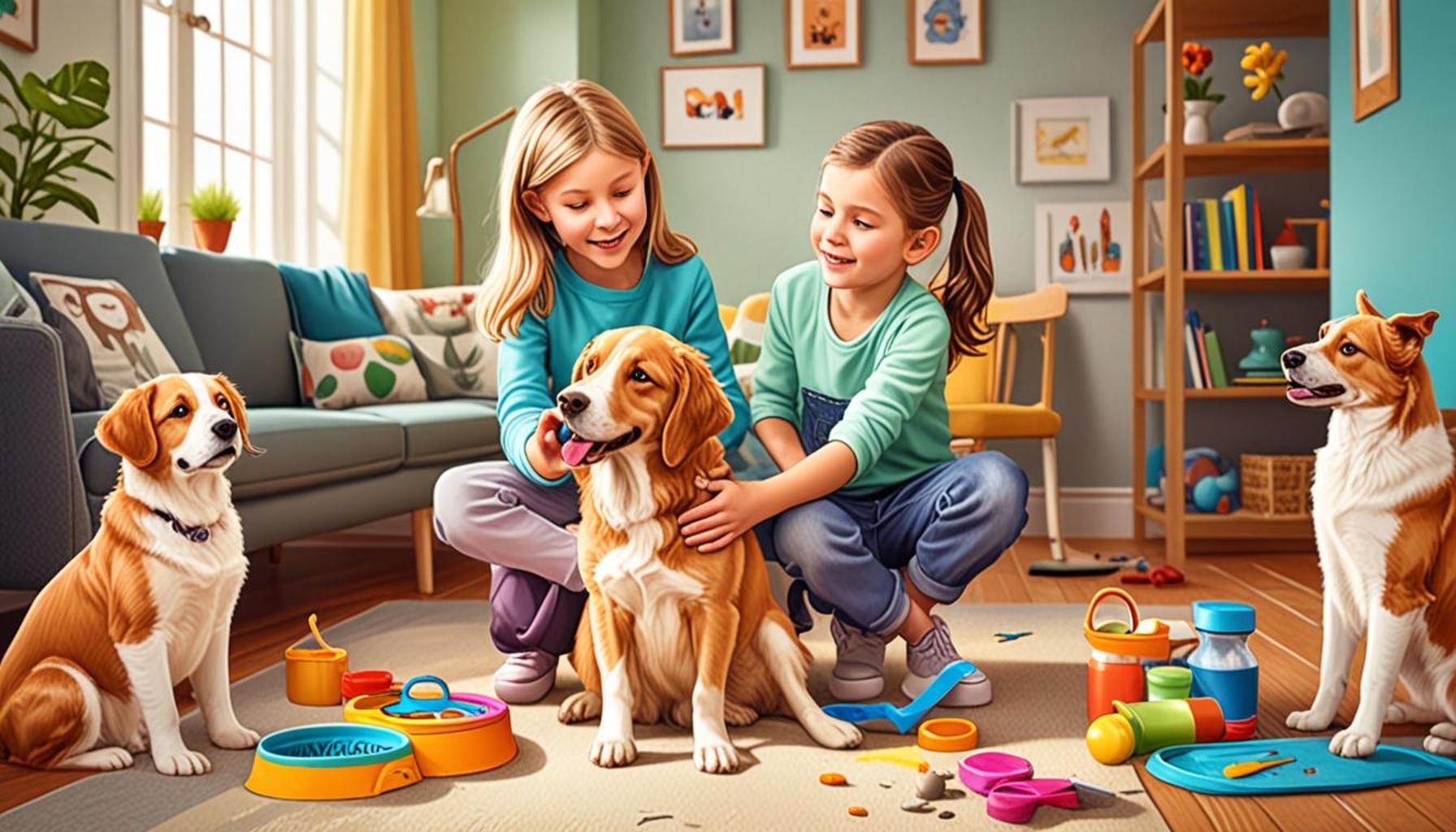
Building Bonds Through Pet Training
Engaging children in pet training not only teaches responsibility but also fosters deep emotional connections within the family. In Nigeria, pets like dogs and cats are commonplace, and the training experience not only provides fun but also creates lasting memories and a sense of duty among young ones.
Incorporating pets into children’s lives can lead to several positive outcomes that are not just beneficial in the moment but also impactful for their future development:
- Improved Communication Skills: As children interact with their pets during training, they learn to articulate their needs more clearly. For instance, commanding a dog to “sit” or “stay” encourages the child to vocalize their instructions in a directive manner. This practice can translate into better communication skills in their interactions with peers and adults.
- Empathy Development: Training a pet allows children to understand the emotions and reactions of another living being. They begin to recognize when their pet is frustrated, excited, or anxious, which nurtures a deeper sense of empathy. For example, a child who comforts their dog after a failed training session learns the importance of compassion.
- Enhanced Teamwork: Working together to train a pet fosters cooperation between family members. This shared responsibility can help solidify the family unit, providing opportunities for collective problem-solving amid the challenges of training. Children can learn valuable lessons about collaboration that serve them well in school group projects or extracurricular activities.
Moreover, pet training serves as a wonderful avenue for teaching values such as kindness and patience. The process requires a structured approach, which can differ based on the type of pet and the age of the child. For instance, younger children may benefit from simplified tasks such as feeding or grooming, while older children might take on more complex training tasks that challenge both their abilities and commitment. Here are some considerations to keep in mind:
- Age Appropriate Tasks: Assign tasks that match the child’s maturity level. Younger children, ages 4-6, might help in brushing a cat, while those aged 10 and older could participate in train-the-pet sessions.
- Consistent Routines: Establish a regular training schedule to instill discipline. For example, setting aside 15 to 20 minutes each evening for training can create a dependable routine that the pet and children come to expect.
- Positive Reinforcement: Use rewards to motivate both the child and the pet during training. A simple treat or praise for a job well done can encourage children to remain engaged and make the experience enjoyable for the pet as well.
As we delve deeper, discover how pet training can transform your family’s dynamics and enhance the bond between children and their furry companions. Engaging in this adventure offers essential lessons, fosters remarkable connections, and culminates in treasured moments that can shape a child’s future. Each training session carries the promise of laughter, learning, and love, ensuring that the journey is as rewarding as the destination.
The Benefits of Involving Children in Pet Training
The experience of training a pet creates a rich tapestry of interwoven life lessons that can positively shape a child’s character. In Nigeria, where pets are often cherished family members, the act of training extends beyond mere obedience into the realms of social interaction, emotional growth, and familial cohesion. By getting children involved in training, families can reinforce essential life skills that serve children well in various aspects of their lives.
- Responsibility and Accountability: One of the most prominent lessons learned through pet training is the importance of responsibility. Children participating in training sessions learn that their actions directly impact their pet’s behavior. For instance, failing to consistently practice commands can lead to a pet struggling to learn. This understanding fosters a sense of accountability, teaching children that their contributions are integral to the success of the training.
- Building Trust: Trust is a fundamental aspect of any relationship, and the bond between a child and their pet is no exception. Regular training sessions enable children to develop a rapport with their pets, giving them the confidence to guide them, while pets, in turn, learn to trust their young trainers. This mutual trust enhances the relationship and encourages children to be more compassionate and loving towards their animals.
- Stress Relief: Interacting with pets, especially during training, can act as a natural stress reliever for children. The joy of spending time with furry companions while engaging in fun activities helps reduce anxiety and promotes feelings of happiness. This emotional benefit can be particularly impactful in today’s fast-paced world where children are often confronted with academic pressures.
Furthermore, integrating pet training into family routines can elevate overall dynamics, making home life more harmonious. Parents can seize training moments as opportunities to demonstrate patience, respect, and positive reinforcement, which are values that can extend beyond pet ownership. These moments can also foster dialogue about respecting all living creatures, especially in a country like Nigeria, where diverse wildlife and pets coexist.
To make the training experience enjoyable and fruitful for both children and pets, here are several strategies to consider:
- Create a Training Plan: Draft a structured schedule that details specific training objectives for each session. This plan could include basic commands, tricks, or even socialization with other animals, depending on the pet’s needs and capabilities. For example, teaching a dog to ‘come’ can be a great starting point for young trainers.
- Incorporate Fun Activities: Transform training into a playful experience that includes games and rewards. Engaging activities, such as hide-and-seek or obstacle courses, can keep children excited and motivated, making learning less of a chore and more of a joyful adventure.
- Encourage Creativity: Allow children to suggest tricks or activities they want to pursue with their pet. This engagement not only sparks their interest but also empowers them with a sense of ownership over the training process. When children feel that they have a choice, they are more likely to participate actively.
As we continue to explore the profound impact of pet training on family bonds, it will become clear how integrated training sessions become essential in crafting unforgettable experiences and nurturing lifelong relationships. Each step taken in training is a step towards a richer, deeper connection that unites children and their pets in a shared journey of growth and understanding.
| Advantages | Description |
|---|---|
| Enhanced Responsibility | Engaging children in pet training helps instill a sense of accountability and routine. They learn that pets require daily care and attention. |
| Improved Communication Skills | Training pets encourages children to express themselves clearly; they learn to give commands and communicate with both animals and family members effectively. |
| Strengthened Family Bonds | Uniting as a family to train pets fosters teamwork and shared responsibilities, enhancing the emotional connections between family members. |
| Social Skills Development | Interacting with pets and involving friends during training sessions improves children’s social interactions, boosting their confidence in social settings. |
Enhancing the Family Dynamic Through Shared Experiences
When families actively engage in pet training together, they not only foster responsible pet ownership but also enhance their own family dynamics. This shared experience transcends the basic act of training, creating lasting memories and reinforcing familial bonds. In Nigeria, where community and unity hold significant value, the benefits of mutual engagement in training pets can extend beyond individual households and into the heart of the community.
Encouraging Teamwork and Collaboration
Pet training often requires teamwork, and involving children nurtures their ability to work collaboratively within a family setting. For example, when a child is assigned the task of teaching a pet a new command, they may need to seek input or help from siblings or parents to correct behaviors or provide support. This dynamic teaches children the importance of collaboration and encourages them to communicate effectively with family members, ultimately preparing them for successful teamwork in other areas of life, including school and future careers.
Paving the Way for Empathy and Compassion
Through pet training, children learn to read and respond to their pet’s emotions, which can profoundly affect their character development. Recognizing when a pet is anxious or scared during training fosters emotional intelligence in children. They begin to understand the concept of empathy—an essential quality in navigating relationships with peers. In the vibrant landscape of Nigeria, where cultural values encourage kindness towards animals, children can develop a sense of advocacy not only for their pets but also for less fortunate animals in their communities.
Promoting Physical Activity
Integrating pet training as a regular family activity naturally encourages physical movement. Whether it’s taking a dog for daily walks or engaging in active play, families can prioritize fitness while strengthening their bond with their pets. This is particularly beneficial in Nigeria, where outdoor activities provide an avenue for families to connect without the distractions of technology. As families work together to train their pets, they are also fostering a culture of wellness and an appreciation for nature, leading to healthier lifestyles.
Creating Lifelong Memories and Traditions
Involvement in pet training can lead to the establishment of cherished family traditions. Whether it’s an annual event to showcase the skills their pet has learned or a monthly family challenge to develop new tricks, these activities can create joyous occasions for families. Traditions like these encourage routine bonding time where laughter and creativity abound. Over the years, these experiences accumulate, enriching family memories and providing children with stories to share when they grow older.
Moreover, as these traditions are passed down through generations, the lessons learned from training pets can have a perpetual effect, influencing the values of empathy, responsibility, and teamwork in family life. By fostering deeper connections among family members, pet training becomes more than just a method to teach obedience—it transforms into a continuous journey that instills significant life principles.
As families navigate the intricacies of training their pets together, they not only create a strong bond with their furry companions but also cultivate cherished relationships with each other. Through practices that inspire teamwork, empathy, and overall well-being, families can harness the profound impact of pet training to build a healthier family dynamic that lasts a lifetime.
Conclusion: Strengthening Family Ties Through Pet Training
In conclusion, pet training for children is a powerful tool that goes beyond teaching the basics of obedience; it cultivates essential life skills and strengthens the familial bond. By incorporating training into daily family routines, parents and children can work together to foster empathy, responsibility, and collaboration, which will serve them well into adulthood. In Nigeria, with its emphasis on community and togetherness, engaging in pet training can also ripple out to create a culture of kindness not just within families but across neighborhoods.
As families spend quality time training their pets, they uncover opportunities for physical activity and creativity while building treasured memories. The traditions established during pet training can become cherished family legacies, teaching children the importance of commitment and care. This not only benefits their pets but also enriches their understanding of relationships with all living beings.
Furthermore, as children learn to read their pets’ emotions and respond with compassion, they are more likely to develop strong emotional intelligence that extends well beyond their interactions with animals. Thus, pet training serves as a multifaceted approach to nurturing a deeper connection within the family unit, ultimately creating a home environment that promotes love, understanding, and lasting memories. As families embrace the journey of pet training, they pave the way for a wholesome life experience that can unify them, echoing the vibrant, community-oriented spirit of Nigerian culture.