Nigerian Traditional Arts Impact on Modern Artistic Expression
The world of creative hobbies is enriched by the diverse influences of cultural traditions, and Nigerian traditional arts stand out as a compelling example. With their vibrant colors, intricate designs, and deep-rooted symbolism, these art forms have not only shaped local aesthetics but have also left an indelible mark on global artistic expressions. Understanding how these age-old techniques and motifs permeate modern creativity is vital for artists and enthusiasts alike.
Nigeria’s rich tapestry of artistic heritage includes various mediums, such as sculpture, textiles, and dance. Each of these elements encapsulates stories, rituals, and identities that resonate with contemporary artists striving to connect the past with the present. As we explore the top 5 influences of Nigerian traditional arts on modern expression, we’ll uncover the intricate connections that inspire today’s creators.
Join us as we delve into specific examples and the enduring legacy of Nigerian artistry, discovering how it continues to inspire innovation in the contemporary art scene.
The Influence of Traditional Nigerian Art on Modern Artistic Expression
In recent years, there has been an undeniable surge in the appreciation and incorporation of Nigerian traditional art into modern artistic expressions worldwide. This convergence of ancient techniques, symbols, and cultural narratives with contemporary formats has sparked a new wave of creativity that transcends borders. Here, we present a ranked exploration of the top five influences of traditional Nigerian art on modern artistic expressions, showcasing how this unique heritage continues to inspire and innovate.
5. The Use of Color and Patterns
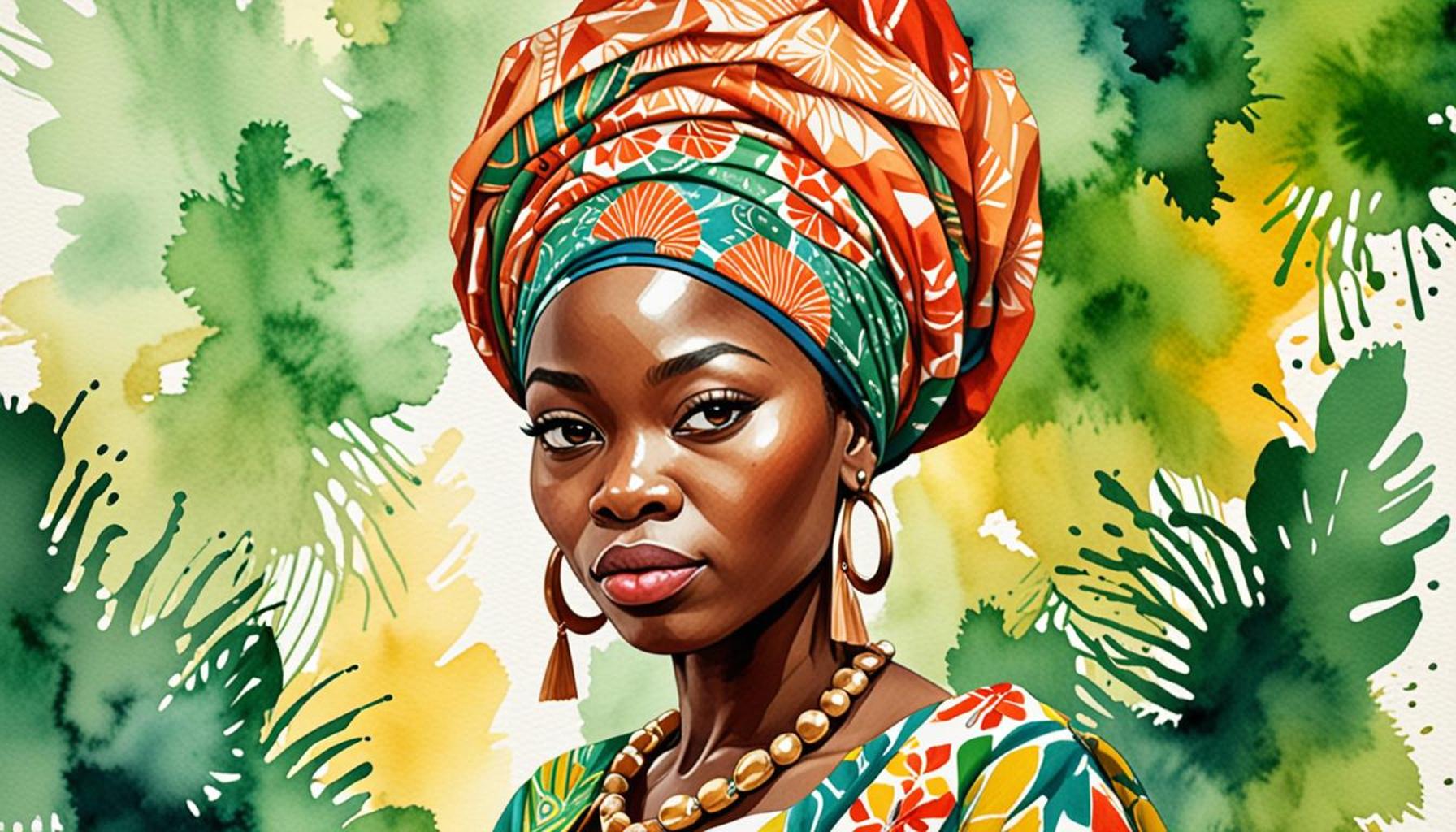
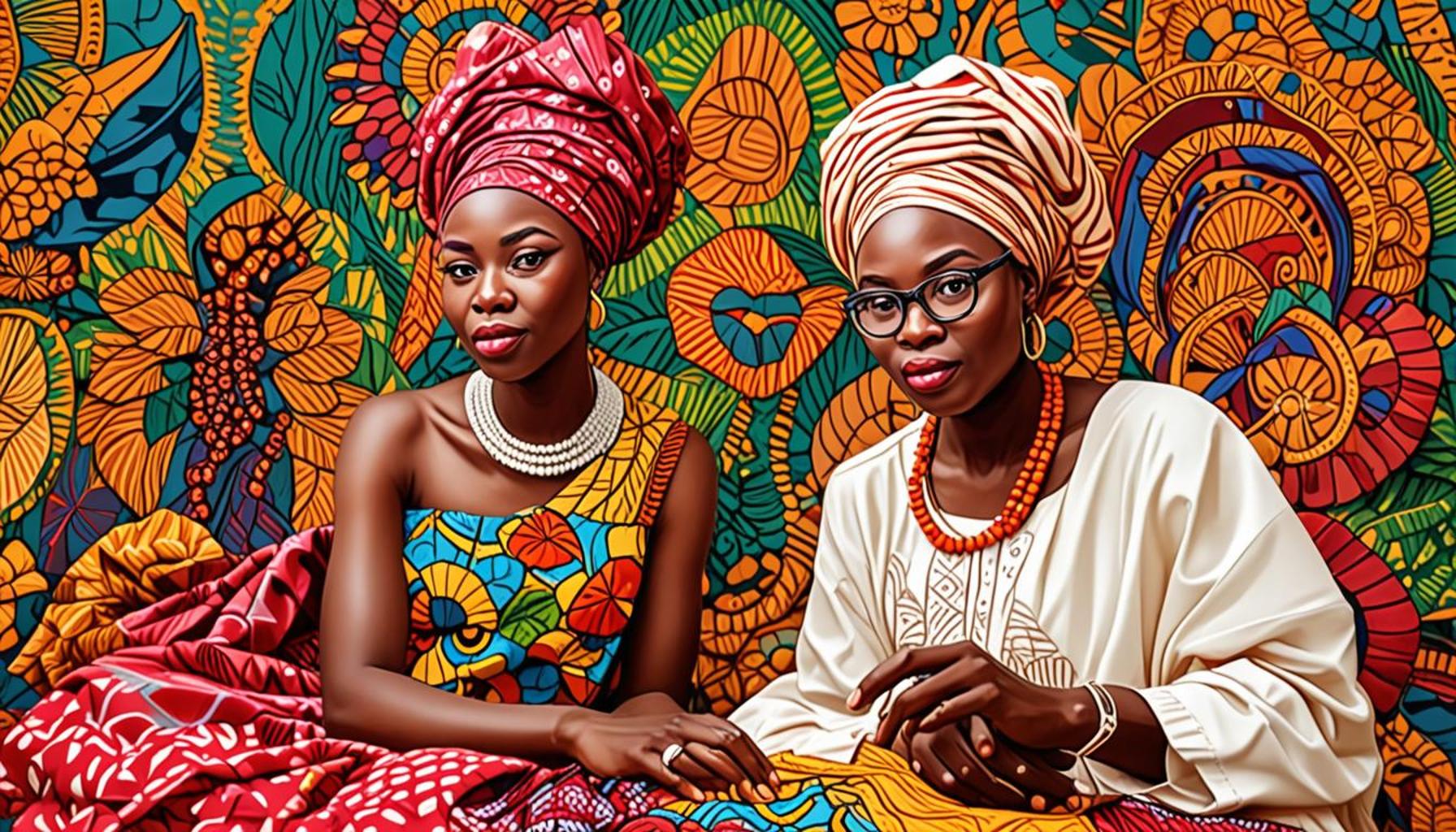
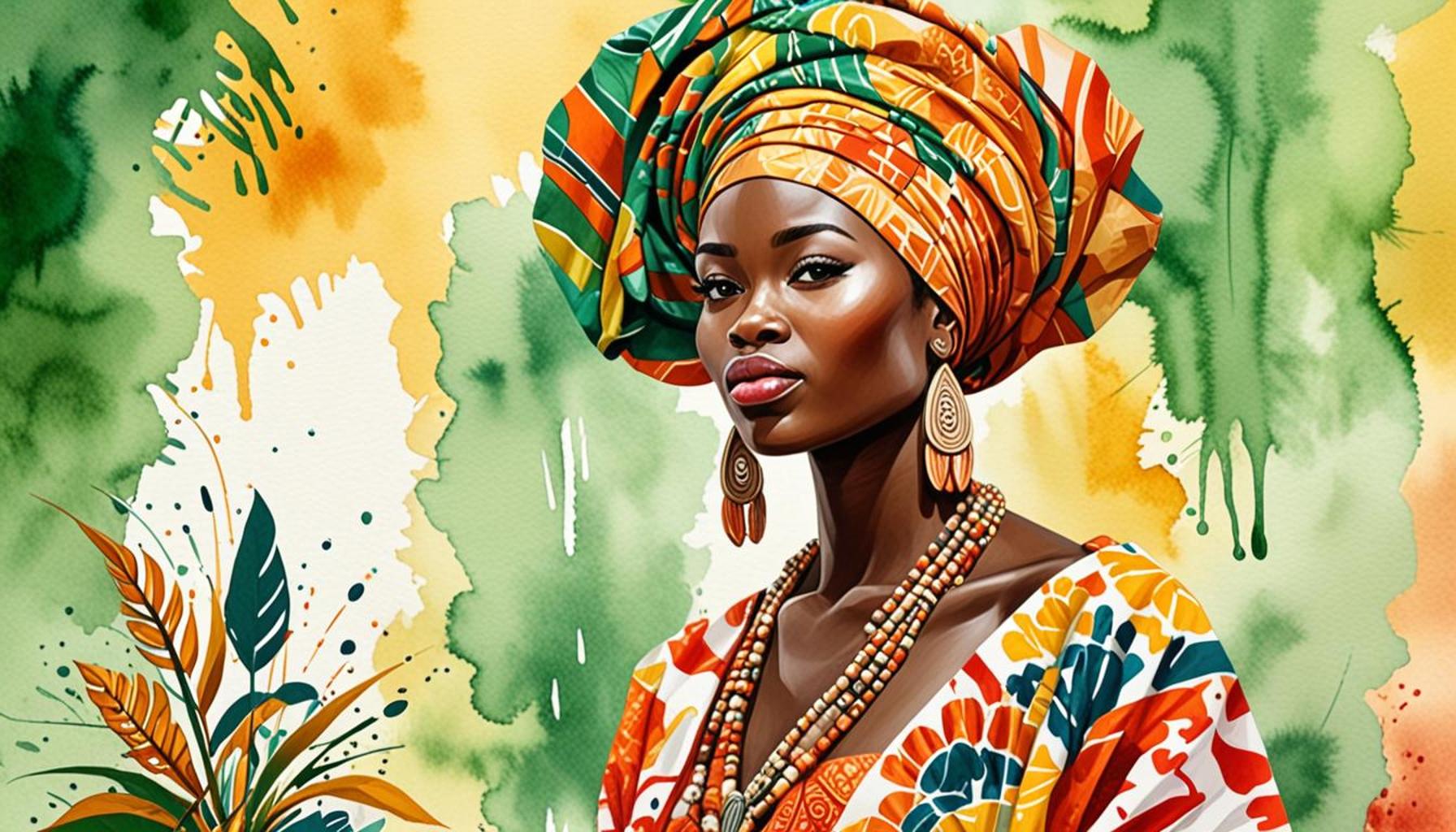
One of the most striking elements drawn from Nigerian traditional art is its vibrant use of colors and intricate patterns. Historically, Nigerian artisans employed bold colors to convey emotions and cultural significance. In modern art, these colors have permeated various mediums, from fashion to graphic design. Artists today emulate the bright hues reminiscent of traditional textile patterns, leading to visually stunning pieces that draw audiences in with their vibrancy.
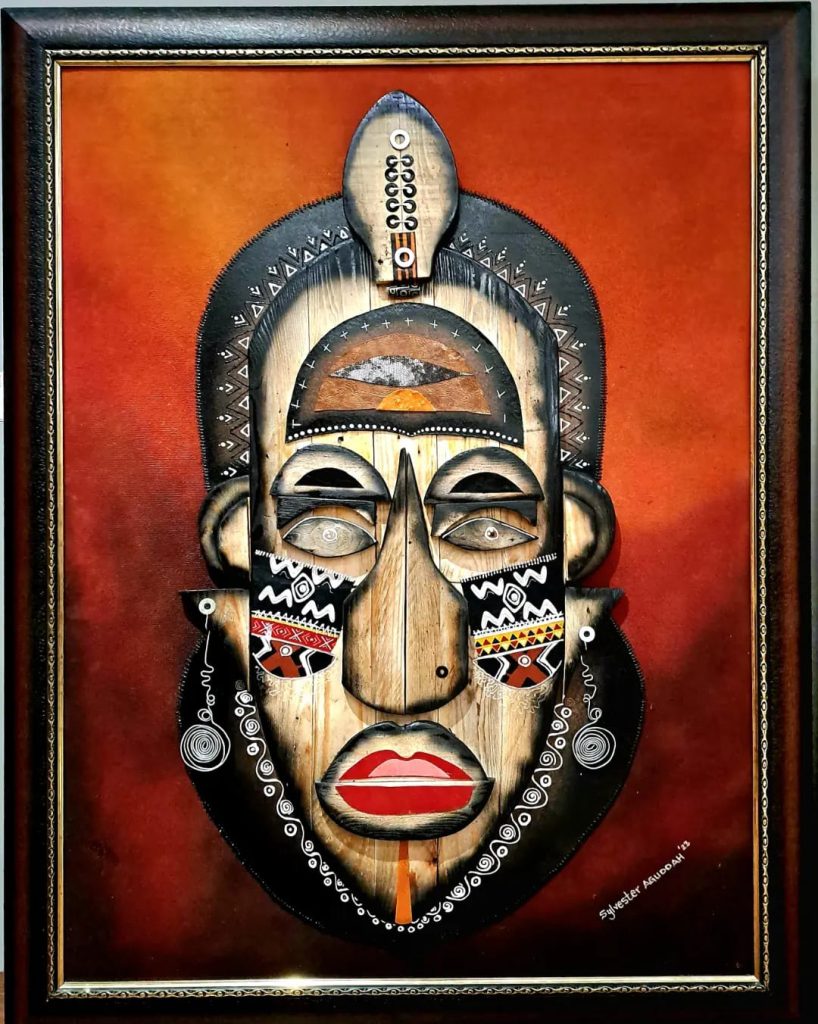
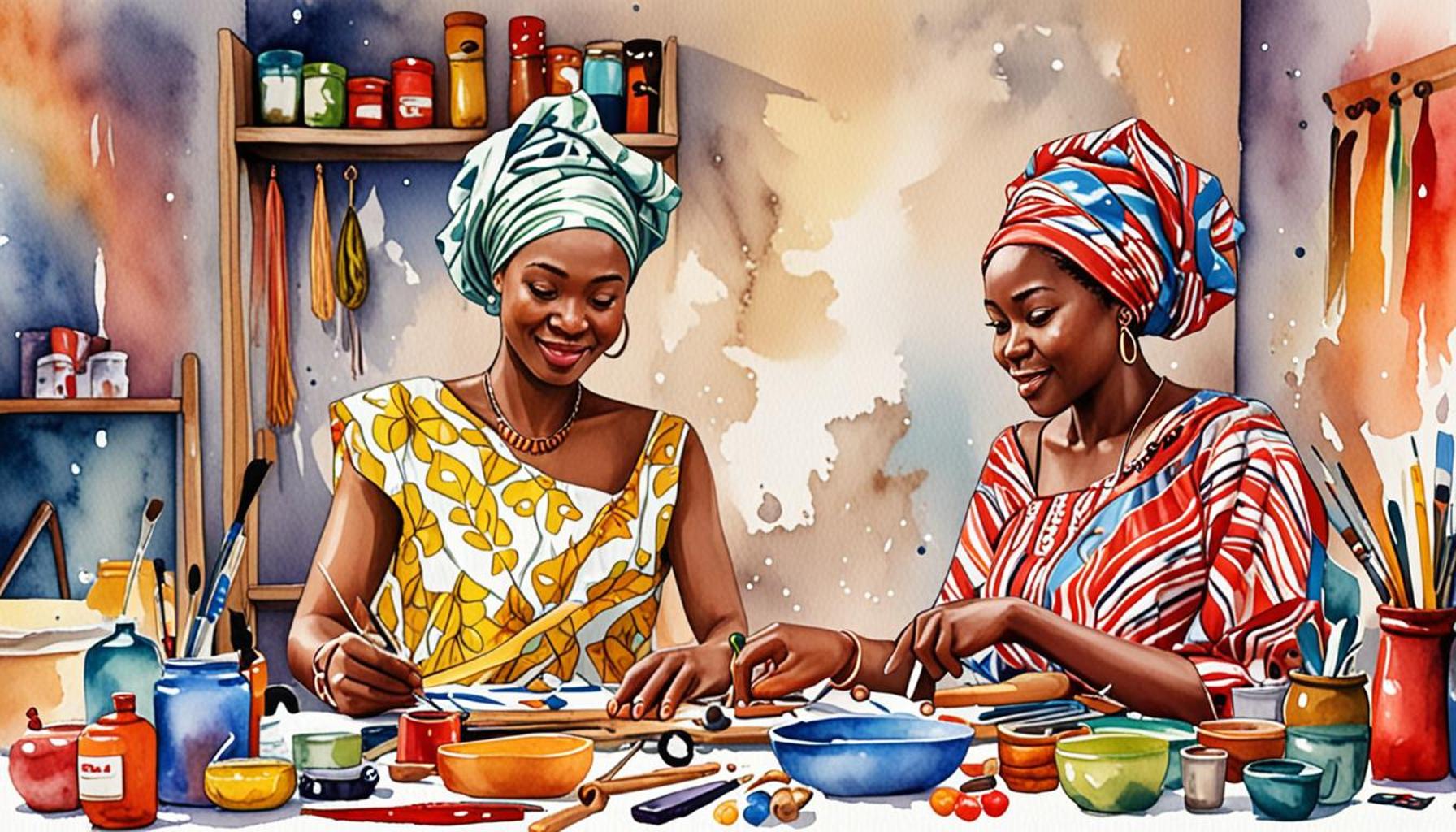
This legacy of vibrant colors represents more than mere aesthetics; it evokes a powerful connection to cultural roots, enabling artists to express both pride and identity. Contemporary designers often utilize traditional methods of dyeing and painting, forging a tangible link between the past and present. By immersing themselves in this colorful heritage, modern creators not only pay homage to their predecessors but also expand the possibilities of expression through innovative designs and artworks.
Examples and Broader Impact
Many designers and artists have found inspiration in the geometric patterns found in tribal textiles, such as those from the Yoruba, Igbo, and Hausa cultures. For instance, fashion designers like Duro Olowu have seamlessly integrated these patterns into haute couture, gaining international acclaim. In graphic design, companies often draw from these motifs to craft vivid visual identities that resonate across cultural lines.
4. Symbolism and Storytelling
Nigerian traditional art is renowned for its rich symbolism, often reflecting complex narratives and cultural beliefs. This aspect of storytelling has significantly influenced modern artists who seek to embed deeper meanings into their works. Whether through painting, sculpture, or digital media, many contemporary artists utilize symbols traditionally featured in Nigeria’s rich folklore and mythology.
These symbols serve as a visual language, telling stories or conveying powerful messages about identity, heritage, and socio-political issues. By incorporating this symbolism, modern artists can engage audiences on a deeper level. Furthermore, numerous artists explore themes of diasporic identity and cultural conflict, enriching their narratives with elements drawn from Nigerian traditions.
Artistic Awakening
The personal work of artists like Kehinde Wiley, whose portraits of African-American figures against elaborate, symbolic backgrounds reinterpret traditional iconography, exemplifies this trend. Such artists create dialogue-rich pieces that straddle between historical and modern, urging observers to unravel the layers of meaning.
3. Textiles and Fashion Design
The impact of traditional Nigerian textiles on modern fashion is profound and multifaceted. Designers have incorporated traditional fabrics such as Ankara, Aso Oke, and Adire into contemporary clothing, creating a fusion that celebrates both cultural identity and modern aesthetics. By doing so, they not only honor the rich history behind these textiles but also forge a path for fashion that is both stylish and deeply meaningful.
As the fashion industry leans towards sustainable practices, the revival of traditional techniques like handweaving and dyeing reflects a broader movement to preserve cultural heritage. Notable designers, inspired by Nigerian motifs and textile craftsmanship, have presented collections that explicitly draw from these rich art forms. This fusion of heritage and modernity facilitates an intriguing dialogue between past and future, positioning Nigerian culture as an influential force in global fashion.
Fashion Innovations
The work of designers such as Lisa Folawiyo, who meticulously integrates traditional fabrics with modern tailoring and embellishments, exemplifies this trend. Her collections emerge as a testament to the dynamic nature of cultural art when it is melded with contemporary styles.
2. Sculpture and Installation Art
Traditional Nigerian sculpture has had a monumental impact on modern installation art. Many contemporary artists draw inspiration from the revered craftsmanship of wood and bronze sculptures from regions like Ife and Benin. Sculptors today infuse their works with contemporary themes while acknowledging their roots.
Modern installations often incorporate multimedia elements, such as sound and light, alongside traditional carving techniques. These works not only challenge traditional perceptions of sculpture but also invite conversations on cultural preservation and transformation. Artists utilize these platforms to address contemporary issues, with traditional sculptural forms serving as powerful backdrops for essential dialogues.
Cultural Conversations
Artisans like Yinka Shonibare have gained international acclaim by merging traditional Nigerian motifs with modern sculpture and installation methods, challenging viewers’ perceptions and inviting reflection on cultural identities in a globalized context.
1. Interdisciplinary Collaboration and Global Influence
The foremost influence of traditional Nigerian art on modern artistic expression is its capacity for interdisciplinary collaboration. Artists from various disciplines—be it visual arts, performance, music, or film—regularly merge traditional Nigerian art forms with modern practices, creating a dynamic artistic ecosystem.
Performance artists, for example, have integrated traditional dance and storytelling into contemporary theater, crafting pieces that resonate with both local and international audiences while honoring cultural contexts. Furthermore, Nigerian artists have gained recognition on international platforms, with exhibitions showcasing the rich tapestry of Nigeria’s heritage while engaging with global issues.
Global Cultural Exchange
The availability of digital platforms has facilitated the worldwide dissemination of Nigerian art and culture. This cross-pollination of ideas has enriched the global art scene, fostering a vibrant contemporary art landscape that highlights both the unique and universal aspects of traditional Nigerian art.
Ultimately, the influence of Nigerian traditional art represents not only a resurgence of interest but a fundamental shift in how art is conceived and created in a globalized world. The totality of these influences reflects a rich tapestry of creativity, proving that the essence of Nigerian traditional art continues to shape and redefine modern artistic expressions.
| Category | Description |
|---|---|
| Cultural Synergy | The fusion of traditional Nigerian art forms with modern techniques has created a rich tapestry of cultural expression, showcasing the adaptability of the Nigerian cultural heritage in contemporary formats. |
| Innovative Techniques | Artists blending traditional methods, such as beadwork and textile design, with modern technologies like digital art, are pushing the boundaries of artistic expression. |
| Identity Exploration | Modern artists are utilizing traditional motifs to explore and assert their identities, telling personal and collective stories through their work that resonate on multiple levels. |
| Global Recognition | The influence of traditional Nigerian art in modern creations has garnered international attention, leading to exhibitions that bridge cultural gaps and promote Nigerian heritage on worldwide stages. |
Within the framework of cultural synergy, traditional Nigerian art has fostered an environment where new ideas can flourish, creating a synergy that celebrates both the past and the present. This dynamic interplay allows for a dialogue that transcends geographical borders, as artists draw upon their deep-rooted cultural narratives to craft pieces that resonate universally. Collectively, these expressions enrich not only the artists’ identities but also the communities from which they originate.The innovative techniques emerging from this intersection between tradition and modernity are particularly noteworthy. As artists incorporate digital mediums alongside time-honored practices such as bronze casting and wood carving, they create works that capture the essence of their heritage while also appealing to contemporary audiences. This evolution not only reflects a shift in the art world but also signifies a broader cultural movement towards innovation rooted in historical context.Identity exploration is another crucial aspect of this artistic evolution. Modern Nigerian artists find inspiration in traditional symbols, utilizing these elements to construct narratives that reflect personal and communal experiences. The integration of these motifs serves not just as a homage to their roots but as a powerful commentary on the current socio-political climate, enhancing the depth of their art.In terms of global recognition, traditional Nigerian art has paved the way for contemporary creators to shine on international platforms. The unique blend of styles and themes has made Nigerian art a focal point in various exhibitions worldwide, sparking interest and appreciation for the richness of Nigerian culture. This recognition not only elevates the artists but also promotes a greater understanding of Nigeria’s diverse heritage.
Frequently Asked Questions about the Influence of Traditional Nigerian Art on Modern Artistic Expression
How has traditional Nigerian art influenced modern art?
Traditional Nigerian art, renowned for its diverse forms and styles, has significantly influenced modern art by providing a rich source of symbolism, techniques, and themes. For instance, the use of vibrant colors and geometric motifs in Nigerian textiles and carvings has inspired contemporary artists worldwide. Moreover, the cultural narratives tied to these art forms have introduced new dimensions to storytelling in modern artwork, allowing artists to explore identity and heritage in innovative ways.
Which modern artists have been particularly influenced by Nigerian art?
Numerous modern artists have drawn inspiration from Nigerian art, notably in the realms of painting, sculpture, and fashion. Artists like Yinka Shonibare and El Anatsui have incorporated traditional Nigerian themes and materials into their work, creating pieces that challenge and redefine post-colonial identities. By integrating aspects of Nigerian art into their creations, these artists generate a dialogue between the past and present, offering audiences a more profound understanding of cultural evolution.
What are some traditional Nigerian art forms that impact modern expression?
Nigeria boasts a variety of traditional art forms, including bronze casting, wood carving, and textile weaving, each contributing uniquely to modern artistic expression. The intricate patterns of Ijebu sculptures and the elaborate Beaded Crowns associated with Yoruba royalty, for example, are echoed in contemporary jewelry and fashion designs. These art forms not only provide aesthetic inspiration but also carry essential cultural narratives that resonate in today’s creative industries.
Is the influence of Nigerian art on modern art only limited to aesthetics?
The influence extends beyond aesthetics, impacting the philosophical and conceptual underpinnings of modern art. Traditional Nigerian art frequently embodies themes such as spirituality, community, and continuity, all of which find their way into the modern artistic mindset. This impact challenges artists to reflect on their own cultural identities and the broader socio-political landscape, often leading to work that questions conventional perspectives and promotes critical discourse.
How can individuals learn more about traditional Nigerian art?
To delve deeper into traditional Nigerian art, individuals can visit museums hosting African art collections, participate in cultural exhibitions, or take virtual tours of Nigerian art galleries. Additionally, engaging with academic publications and documentaries can provide insightful contexts and historical perspectives. These resources not only offer a greater appreciation of Nigerian art’s rich heritage but also highlight its ongoing relevance and transformative impact on modern artistry.
Conclusion
The influence of traditional Nigerian art on modern artistic expression is both profound and multifaceted, capturing the essence of a rich cultural heritage that continues to inspire contemporary artists. Throughout this exploration, we’ve seen how Nigerian traditions, spanning textiles, sculptures, and masks, provide a fertile ground for innovation and creativity in today’s art scene. The intricate patterns and bold colors from various ethnic groups − such as the Yoruba and Igbo − not only embellish modern artworks but also infuse them with historical context and cultural depth.
By engaging with these traditional elements, modern artists do more than just pay homage to their roots; they create a dynamic dialogue between the past and the present. This blending of old and new fosters a more inclusive and diverse art landscape, one where artists can simultaneously honor their heritage while embracing new techniques and perspectives. In doing so, they redefine what is considered “modern” art, creating pieces that resonate on a universal level.
This fusion of traditional and modern artistry serves as a reminder of the enduring power of cultural heritage within creative hobbies, offering a wellspring of inspiration for artists worldwide. The impact of these traditional Nigerian art forms extends beyond the borders of Nigeria, highlighting their importance on the global stage and encouraging a renewed appreciation for cultural diversity in art. As artists continue to explore these influences, the world of modern art is bound to benefit from an enriched tapestry of ideas and expressions.
Looking ahead, the continued exploration of traditional art within modern contexts not only revitalizes these age-old practices but also invites a deeper understanding of cultural storytelling through art. The ongoing interplay of tradition and innovation promises to keep the art world intrigued and ever-evolving, ensuring that Nigerian artistic heritage remains a vital influence for generations to come.