Container Gardening: Tips for Growing Plants in Pots and Containers
The Growing Trend of Container Gardening in Nigeria
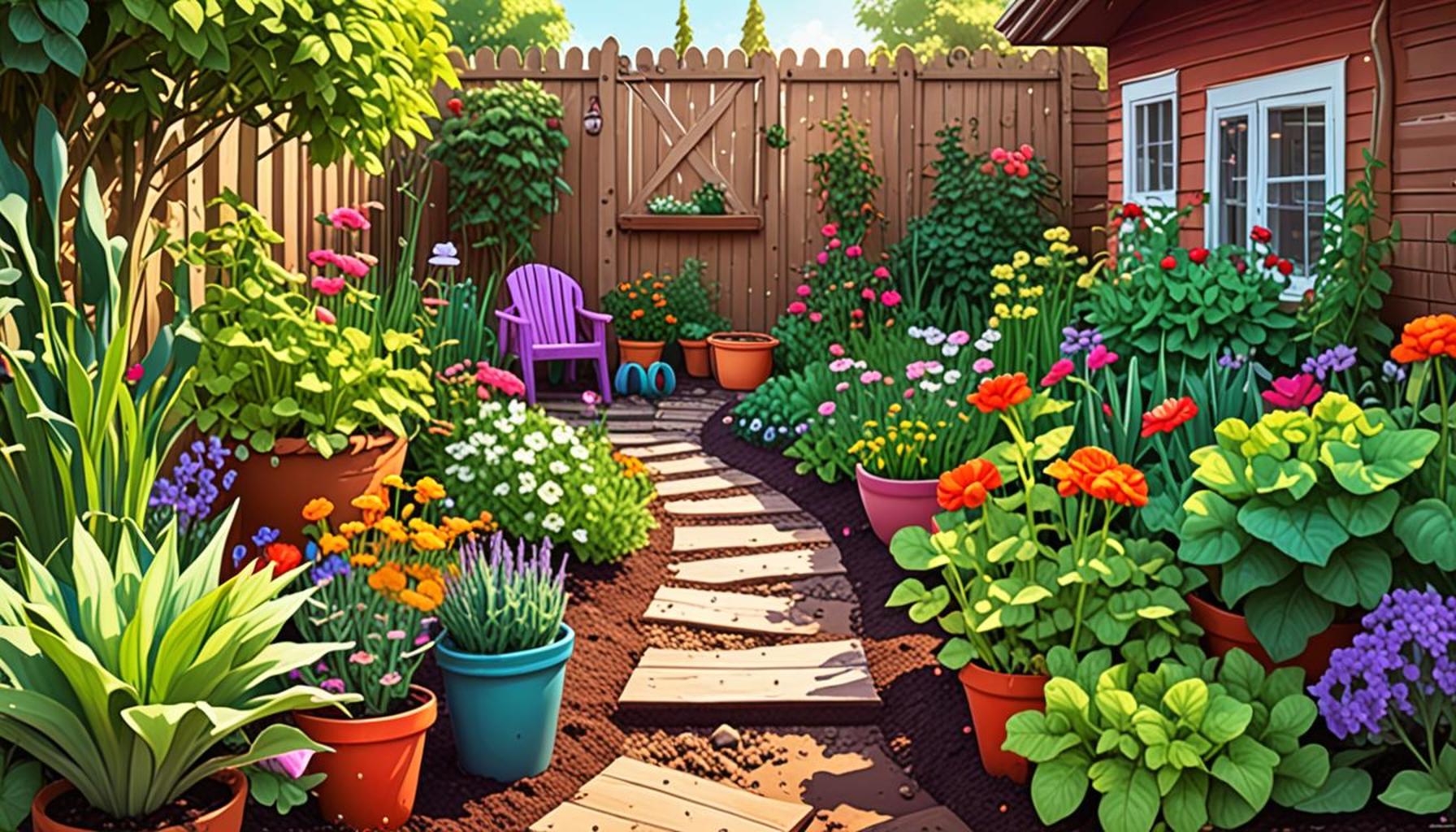
As urban centers expand and lifestyles become busier, container gardening has emerged as a revolutionary way for city dwellers to connect with nature while managing limited space. With the hustle and bustle of cities like Lagos and Abuja, many residents find solace in creating their small green sanctuaries. This innovative gardening technique not only promotes food sustainability but also enhances the aesthetic appeal of homes, blending utility with beauty.
Advantages of Container Gardening
Container gardening offers several significant advantages that make it an attractive option for urban gardeners. One of the main benefits is space efficiency. In crowded cities where land may be scarce, container gardening allows individuals to cultivate plants vertically or in small areas, such as balconies, window sills, or even rooftops. By utilizing spaces that would otherwise go unused, urban gardeners can create thriving green spaces.
Another major advantage is soil control. With the ability to choose your soil mix, gardeners can ensure that their plants receive the optimal nutrients required for growth. This is particularly important in Nigeria, where soil quality may vary significantly. Selecting the right potting mix can lead to healthier plants with improved yield.
Additionally, plants in containers enjoy the benefit of mobility. Gardeners can easily shuffle pots to expose plants to varying sunlight and weather conditions. For instance, during the rainy season, pots can be moved to sheltered locations to avoid overwatering, while in the dry, sunny months, they can be repositioned to maximize sunlight exposure.
Preferred Plants for Container Gardening
Nigerians are increasingly embracing the joy of growing their own herbs, vegetables, and flowers in containers. Popular choices for container gardening include aromatic herbs such as basil, oregano, and thyme, which can enhance the flavors of traditional dishes. These herbs thrive in pots and can be conveniently brought indoors during the rainy season, ensuring a constant supply of fresh flavors year-round.
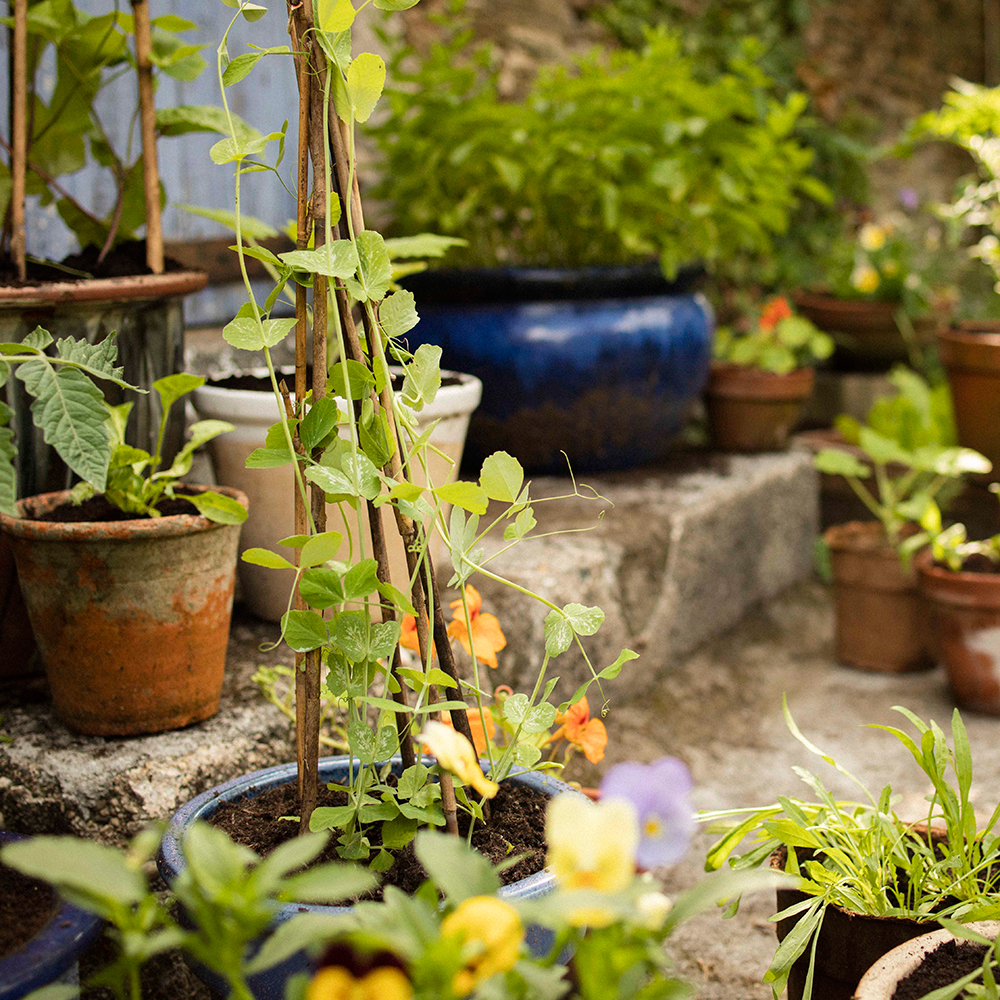
When it comes to vegetables, many gardeners gravitate towards tomatoes, peppers, and lettuce, which adapt well to container life. These options are not only easy to grow but also provide a rewarding harvest, promoting healthier eating habits directly from one’s own home garden.
Meanwhile, to add bursts of color and vibrancy, container flowers like marigolds, hibiscus, and bougainvillea serve not only as decorative elements but also attract pollinators, enhancing biodiversity in urban environments. Such flowering plants can be arranged in eye-catching displays, turning even the smallest balcony into a picturesque retreat.
Getting Started with Container Gardening
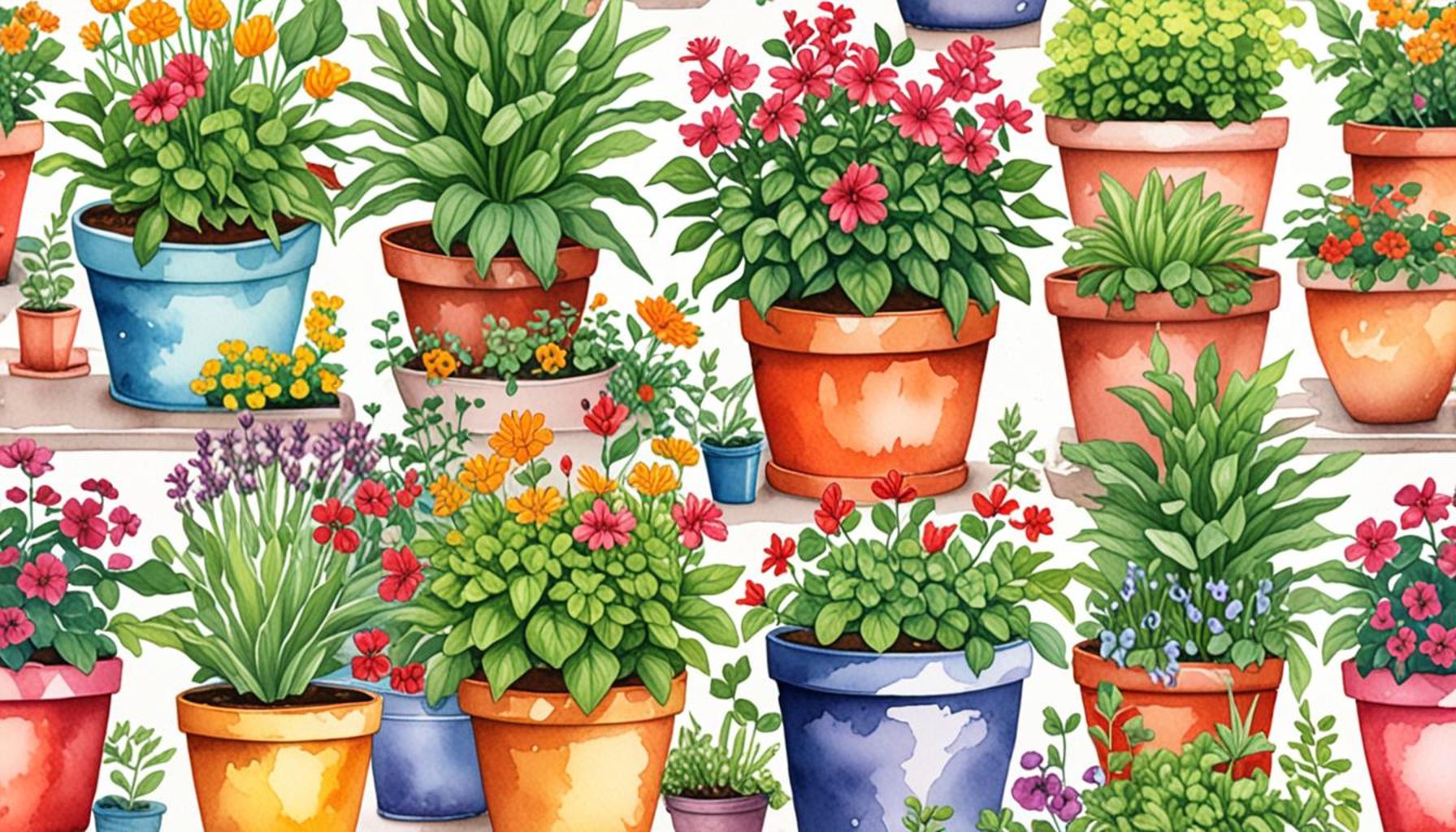
For those inspired to embark on their container gardening journey, it is essential to consider a few foundational tips. Start by selecting appropriate containers that allow for adequate drainage; terracotta, plastic, and wooden pots are popular choices. Next, look into high-quality potting soil that contains organic matter for better growth. Finally, choose plants based on your interest and the amount of sunlight available to your gardening spot.
Embrace the challenge and joy that container gardening offers and transform any corner of your home into a flourishing garden oasis. With patience and creativity, you can cultivate a space that not only produces fresh food but also rejuvenates the spirit amidst the vibrant chaos of urban life. The world of container gardening awaits your exploration!
SEE ALSO: Click here to read another article
Getting Started with Container Gardening: Essential Tips
As you embark on your container gardening journey, there are vital elements to keep in mind to ensure success. First and foremost, selecting the right containers is critical to fostering healthy plants. Look for pots that are not only aesthetically pleasing but also practical. Ensure that each container has drainage holes at the bottom to prevent waterlogging, which can lead to root rot. Various materials are available for containers, including terracotta, plastic, and wooden options. Terracotta pots are popular for their breathability but may require more frequent watering due to their evaporation rate.
Next, it is imperative to choose a high-quality potting mix. Unlike ordinary garden soil, which may compact in containers, potting soil is specially formulated for container gardening. It typically contains organic matter, perlite, or vermiculite, which helps with drainage and aeration. This is particularly essential in Nigeria, where heavy rains can lead to soggy conditions. A good potting mix ensures that your plants receive the right balance of moisture and nutrients to thrive.
Plant Selection: Matching Plants to Containers
The variety of plants you can grow in containers is diverse, but understanding which ones are best suited for your environment is key to a flourishing garden. Here are some categories to consider:
- Herbs: Fast-growing and easy to maintain, herbs such as basil, coriander, and mint not only provide culinary benefits but can also elevate the freshness of your meals.
- Vegetables: If you’re looking to grow your own food, opt for leafy greens like lettuce and kale, or compact vegetables such as cherry tomatoes and bell peppers. These plants adjust well to container life and yield delicious produce.
- Flowers: Enhance your space with colorful flowering plants. Petunias, geraniums, and zinnias not only beautify your surroundings but also attract beneficial pollinators.
When selecting plants, consider the amount of sunlight available in your gardening spot. Some plants thrive in full sun, while others prefer partial shade. Understanding the light requirements will guide your choice of plants, as inadequate light can hinder growth and flowering.
Watering Wisely
Watering is a critical aspect of container gardening that often distinguishes successful gardeners from novice ones. Since pots can dry out more quickly than garden beds, it is essential to monitor moisture levels closely. Water your plants thoroughly, allowing excess to drain out the bottom of the pots. During dry spells, you may need to water daily, while in a rainy season, adjusting the watering frequency is critical.
Utilizing a self-watering container can be a game changer, as it maintains moisture levels and reduces the need for daily irrigation. In Nigeria’s varying climates, adapting your watering plan based on seasonal changes will promote healthier plants and sustained growth.
By following these foundational tips and considering the unique conditions of your environment, you can create a vibrant and productive container garden. Dive into this hands-on experience, and you may find that nurturing plants in pots becomes a joyful and fulfilling endeavor.
| Advantages | Features |
|---|---|
| Space Efficiency | Container gardening allows you to utilize small spaces like balconies or patios, making it ideal for urban dwellers. |
| Control Over Conditions | Growing in pots gives you better control over soil quality and moisture levels, enhancing plant health. |
| Mobility | Containers can be easily moved to optimize sunlight and protect against harsh weather. |
| Variety | You can grow a diverse range of plants, from herbs to flowers, all within the same space. |
| Soil Management | Container gardening allows you to choose the soil blend suited for specific plants, improving growth potential. |
Container gardening combines functionality with aesthetics, offering the chance to grow healthy plants while making the most of limited vertical spaces. Embracing this gardening method not only enhances your living environment but serves as a rewarding hobby filled with experiential learning about nature. As you explore the benefits of container gardening further, discover tips on pot size, plant selection, and watering techniques that optimize your container garden’s productivity.
ADDITIONAL INSIGHTS: Expand your understanding here
Optimizing Your Container Garden: Techniques and Maintenance
Once you have selected your containers and plants, the next step in your container gardening adventure is to optimize growth through effective techniques and ongoing maintenance. One of the most helpful practices is understanding how to fertilize your plants properly. Unlike garden soil, the nutrients in potting mix can be depleted relatively quickly in containers since they are limited by volume. Therefore, consider adding a balanced, water-soluble fertilizer regularly—approximately every four to six weeks. This ensures that your plants receive the essential nutrients they crave to thrive, particularly in the nutrient-demanding growing stages.
Pruning and Deadheading: Encouraging Growth
Another critical aspect of plant care is pruning and deadheading. For flowering plants, periodically removing spent blooms not only improves aesthetics but also encourages further blooming, extending the flowering season. For leafy vegetables and herbs, regular trimming can promote bushier, more productive plants. Pruning also helps to maintain airflow around the plants, reducing the risk of fungal diseases, which can be prevalent in humid conditions like those often experienced in Nigeria.
Furthermore, it’s wise to consider companion planting, a technique that not only maximizes space but also creates a balanced ecosystem within your container garden. For instance, pairing herbs like basil with tomatoes can improve flavor and deter pests, while also conserving space. Research the compatibilities of different plants to create a harmonious container garden that thrives collectively.
Pest and Disease Management
Keeping a watchful eye on pests and diseases is paramount in container gardening. Unlike traditional gardens, pests can become concentrated in small areas, leading to rapid damage if left unchecked. Look for early signs of trouble, such as discoloration on leaves or insect activity, and employ organic pest control methods, such as neem oil or insecticidal soaps, which can be effective without harming beneficial insects. Frequent inspection will help you catch problems before they escalate.
Diseases such as powdery mildew are known to affect container plants, particularly in humid climates. Avoid watering leaves directly and ensure good air circulation to mitigate the risk of fungal infections. Additionally, maintaining healthy soil through careful nutrient management naturally builds plant resilience to diseases.
Seasonal Considerations
In Nigeria, where weather conditions can be unpredictable, being mindful of seasonal changes is vital for your container garden. Understanding when to plant specific species is key. For example, the cooler months may be more suitable for leafy greens like spinach, while the warmer months are better suited for heat-loving plants like peppers and eggplants. By planning your container garden according to the seasons, you can achieve the best yields and enjoyment from your gardening efforts.
Moreover, during the hot season, pots can become overheated, especially those with dark colors. Moving containers into partial shade during the hottest part of the day or using light-colored pots can help regulate temperature. Similarly, during the rainy season, be prepared to adjust your watering routine to prevent over-saturation of your plants.
With the implementation of these techniques, your container garden can thrive, delivering bountiful harvests and beautiful blooms to enhance your living space. The joy of gardening lies in experimenting and adapting; each season offers new learning experiences, making your gardening journey enriching and enjoyable.
LEARN MORE: This related article may interest you
Conclusion: Embracing the Joy of Container Gardening
In conclusion, container gardening presents an exceptional opportunity for anyone looking to cultivate plants in limited spaces, whether in an urban setting or a rural landscape. By selecting the right containers, choosing suitable plants, and implementing effective techniques and maintenance strategies, you can transform your patio, balcony, or backyard into a vibrant oasis.
Remember, the key to a successful container garden lies in understanding the unique requirements of each plant and adapting your care accordingly. Regular fertilization, effective pruning, and mindful management of pests and diseases are crucial in ensuring your plants flourish. Embrace the art of companion planting to create a thriving ecosystem that not only maximizes space but also enhances plant health and productivity.
As you embark on your container gardening journey in Nigeria’s diverse climate, remain observant and flexible. Seasonal adjustments, such as managing temperature extremes and choosing the right planting times, can significantly impact your garden’s success. Every gardening season offers a chance to learn and innovate, allowing for delightful discoveries along the way.
Ultimately, container gardening is not merely about growing plants in pots; it is about nurturing a sustainable lifestyle and fostering a deeper connection with nature. So, gather your pots, plant your seeds, and enjoy the gratifying experience of bringing a touch of green to your surroundings. Dive into this fulfilling hobby and watch your container garden thrive!