Food Gardening: How to Grow Fruits and Vegetables at Home
The Delightful Experience of Home Gardening
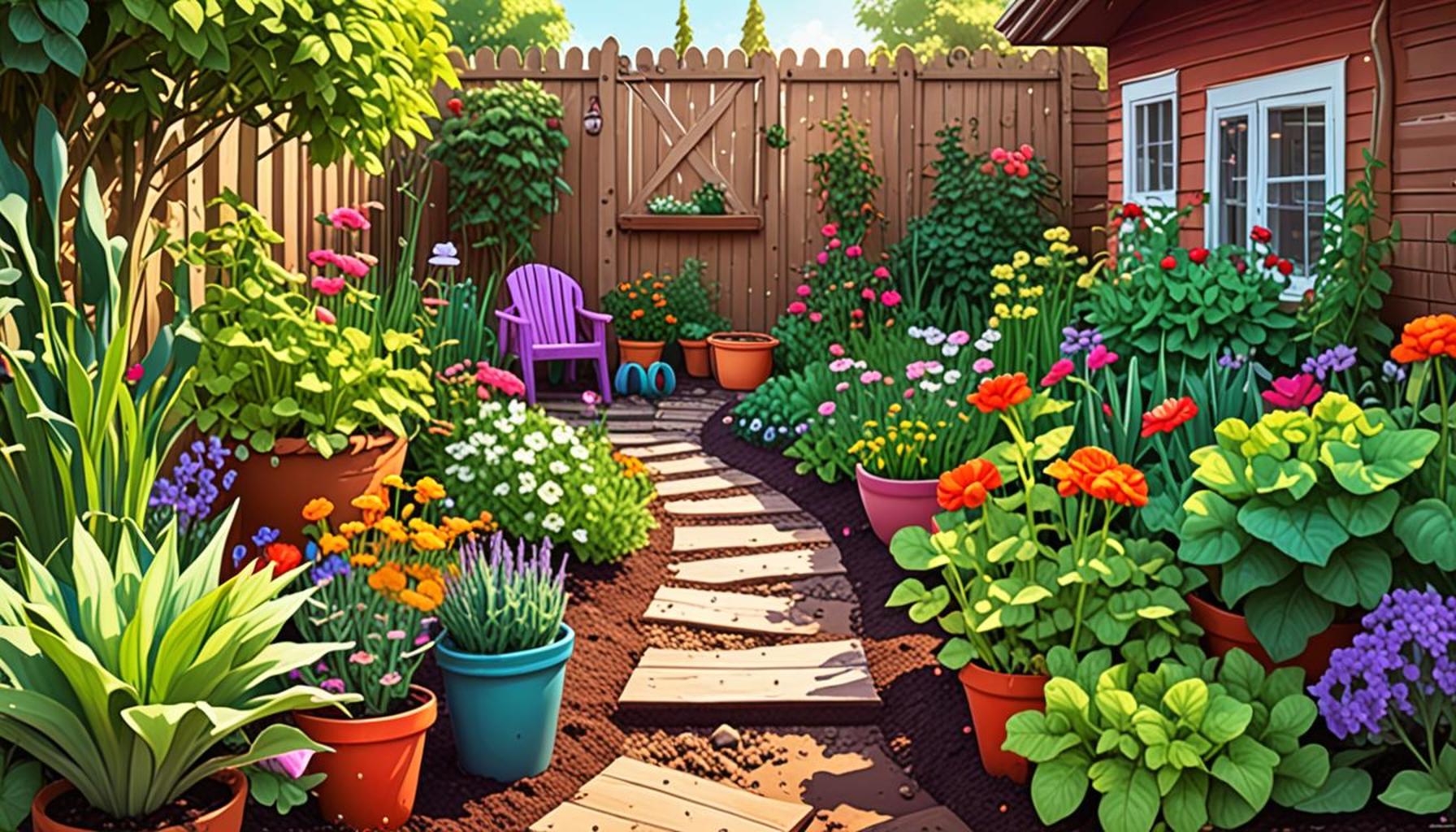
Imagine stepping into your backyard and harvesting fresh vegetables and ripe fruits just steps from your kitchen. The concept of food gardening offers this delightful experience, providing both vital sustenance and immense satisfaction. As the world grows increasingly fast-paced, the simple act of nurturing a garden allows for a refreshing escape into nature, where you can reconnect with the rhythms of growing food.
Many individuals might assume that growing fruits and vegetables at home requires a green thumb or years of expertise, but this accessible hobby is for everyone. No matter your skill level, the rewards of growing your own produce are numerous. Let’s delve into some of the key benefits you can reap from home gardening:
- Promotes Healthy Eating: Home-grown produce encourages a diet rich in vitamins and minerals. When you grow your own fruits and vegetables, you can select nutrient-dense varieties and enjoy fresh food without preservatives or chemicals.
- Saves Money: Growing your own food can significantly cut down on grocery bills. A packet of seeds often costs a fraction of the price of store-bought produce, and the long-term savings can be substantial, particularly when you consistently harvest.
- Reduces Environmental Impact: Home gardening minimizes the carbon footprint associated with commercial agriculture. By growing your own food, you reduce transportation costs, packaging waste, and the energy required for industrial farming.
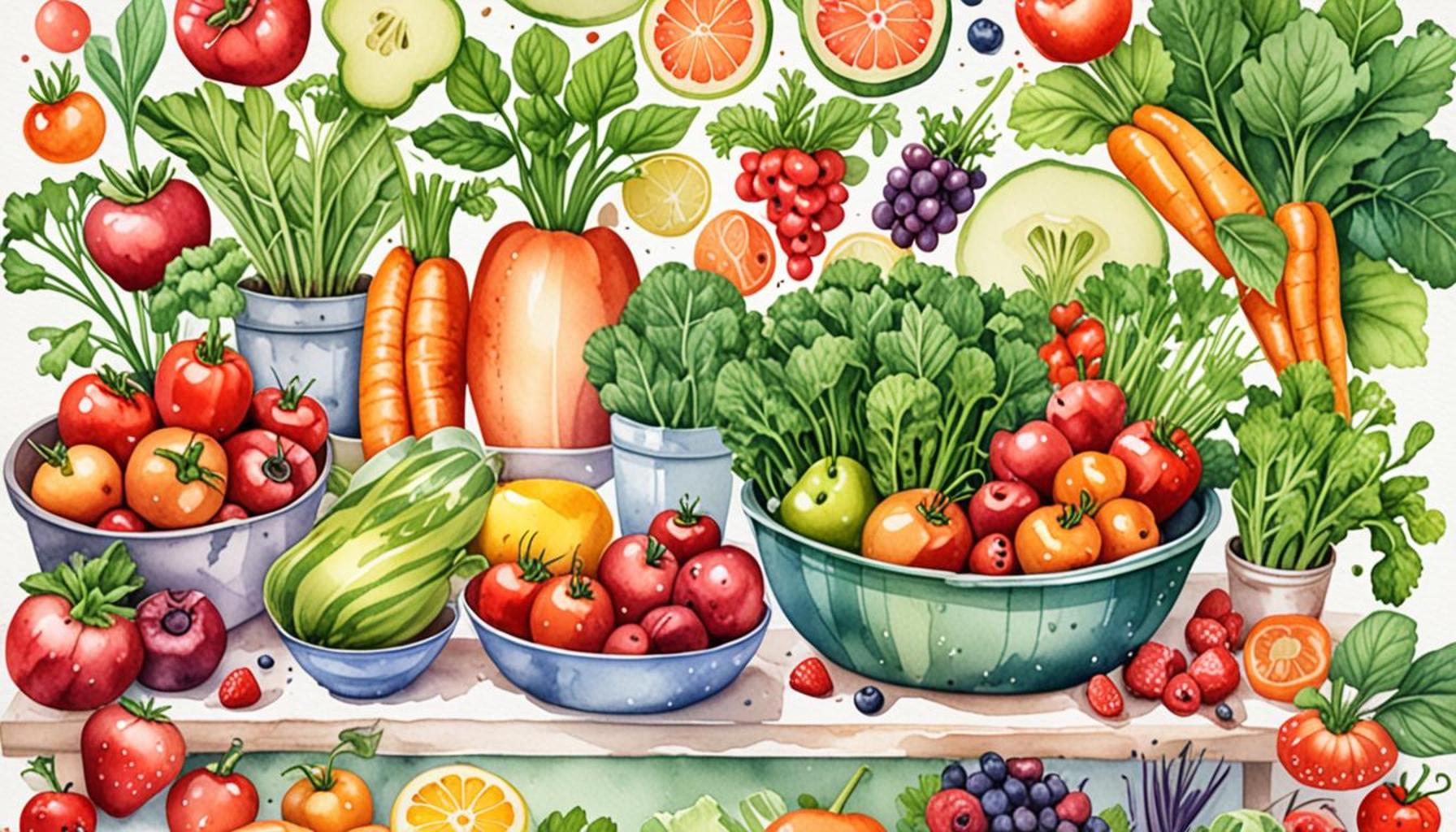
The warm climate in Nigeria is particularly conducive to a variety of crops. From the rich warmth of the tomatoes harvested in summer to the zesty flavor of pepper that brings dishes to life, and the refreshing crunch of cucumbers perfect for salads, the options are plentiful. Even if you live in a tiny apartment with a balcony, there’s always space for a few pots or vertical gardens, allowing you to grow something delicious.
In this article, we will explore the fundamentals of starting your own food garden at home. We’ll provide insights on soil preparation, selecting the right seeds, and understanding seasonal planting for various crops. As you prepare to sow your seeds, you will uncover tips, techniques, and the joy of growing your own organic produce. By the time you finish, you will be equipped with the knowledge to cultivate a thriving garden that can provide fresh ingredients throughout the year. Get ready to experience the affordable luxury and lasting satisfaction of enjoying your very own garden-fresh harvest!
SEE ALSO: Click here to read another article
Getting Started: The Essentials of Food Gardening
Starting your own food garden can be an incredibly rewarding journey, but where do you begin? The first step toward successful gardening involves good preparation and an understanding of what it takes to grow your own fruits and vegetables. Whether you have a sprawling yard or a modest balcony, setting the stage for your garden is crucial for a fruitful harvest.
To embark on your gardening adventure, consider the following essential steps:
- Choose the Right Location: Select a space that receives adequate sunlight, ideally 6 to 8 hours a day, as most vegetables and fruits thrive in full sun. Observe your garden space at different times of the day to determine sun exposure.
- Understand Your Soil: Healthy soil is the foundation of any successful garden. Conduct a soil test to check pH levels and nutrient content. Most vegetables prefer slightly acidic to neutral soil (pH 6.0-7.0). You may need to amend your soil with fertilizers or compost to enhance its nutrient profile.
- Selecting Seeds and Plants: Begin with easy-to-grow crops such as tomatoes, pepper, and spinach. Each crop has its own preferences for planting depth and spacing, so it’s essential to read seed packets or guidance specific to your chosen varieties.
In Nigeria, the climate is supportive of a diverse range of crops, and understanding seasonal changes is vital for successful gardening. Planting time varies significantly across the different regions, so familiarize yourself with local planting calendars to maximize your harvest. Generally, the rainy seasons offer an excellent opportunity to plant crops since they provide natural irrigation. Some popular seasonal fruits and vegetables to consider include:
- Okra: Thriving in the hot climate, this nutritious vegetable is a must-have.
- Yams: A staple food in many Nigerian households, yams can be planted once the rains start.
- Pineapples: This tropical fruit can be grown easily from the crown of a ripe pineapple, making it a delightful addition to your home garden.
Once you’ve prepared your garden spot, the next step involves planting your seeds or seedlings. Be mindful of the recommended planting depth and spacing for each type of plant. Watering is vital in the early stages; newly planted seeds and seedlings require consistent moisture to establish robust roots. However, overwatering can lead to root rot, so employ a gentle hand.
In addition to watering, keep an eye on your plants for any signs of pests or diseases. Early detection can save your garden. Implementing organic pest control methods, such as introducing beneficial insects or using neem oil, can help maintain a healthy ecosystem in your garden.
As your garden flourishes, you’ll not only enjoy the fruits of your labor but also the therapeutic benefits associated with gardening. Engaging with the earth promotes mindfulness and relaxation, making it an enriching endeavor worth the effort.
| Advantages | Description |
|---|---|
| Fresh Produce | By growing your own fruits and vegetables, you access nutrient-rich, fresh options straight from your garden that are superior to store-bought produce. |
| Cost-Effective | Home gardening reduces grocery bills, allowing you to invest in premium seeds and sustainable practices while saving long-term. |
| Health Benefits | Gardening promotes physical activity and mental well-being, providing a therapeutic experience as you connect with nature. |
| Environmental Impact | Growing your own food contributes to reducing carbon footprints and promotes biodiversity in your local ecosystem. |
Food gardening offers numerous advantages that benefit both individuals and the environment. Not only do you grow your own food, but you also become more knowledgeable about sustainable practices. By exploring these benefits, readers can gain insights into how to enhance their lives and enjoy the process of gardening while cultivating their own fresh produce at home. This journey not only includes planning and planting but also understanding seasonal cycles and how to care for your plants effectively. Prepare to embark on this rewarding experience, and discover the pleasures of eating what you grow!
CHECK OUT: Click here to explore more
Nourishing Your Garden: Best Practices for Care and Maintenance
Once your fruits and vegetables begin to sprout, the real journey of food gardening has just begun. Nurturing these plants involves a combination of care routines that cater to their specific needs throughout their growth cycle. Understanding the basic principles of garden maintenance can vastly improve your yield and the overall health of your crops.
Here are key practices to ensure your garden thrives:
- Watering Wisely: While it’s crucial to keep your plants hydrated, the method and timing of your watering can significantly affect their growth. Plants generally benefit from deep but infrequent watering, which encourages roots to grow deeper into the soil. Consider utilizing a drip irrigation system or placing a bucket with holes next to your crops to allow for slow, consistent hydration. Watering early in the morning or later in the evening minimizes evaporation, ensuring your plants are adequately nourished.
- Mulching: Adding a layer of mulch around your plants can help retain moisture, suppress weeds, and regulate soil temperature. Organic materials like straw, grass clippings, or shredded leaves are excellent options. In Nigeria’s humid climate, mulch can also contribute to healthier soil as it decomposes, introducing beneficial organisms.
- Fertilization: Depending on your soil test results, regular fertilization may be necessary. Organic fertilizers, such as compost or well-rotted manure, not only improve soil structure but also provide essential nutrients. For fast-growing plants, consider using a balanced fertilizer every few weeks during the growing season.
Pest management is also a crucial aspect of maintaining a successful food garden. In Nigeria, the warm climate can attract a variety of insects, both beneficial and harmful. Monitoring your plants closely for any signs of infestation is essential. Here are some tips to help you manage pests effectively:
- Hands-On Inspection: Regularly inspecting your plants for signs of pests—such as chewed leaves or sticky residue—can help you catch issues early. If you identify a pest problem, try removing the bugs by hand or using a gentle soap solution.
- Plant Companion Varieties: Consider planting companion plants that naturally repel pests or attract beneficial insects. For instance, planting marigolds can deter nematodes, while basil might help ward off aphids when planted alongside tomatoes.
- Natural Remedies: Explore organic pest control methods, from insecticidal soap to diatomaceous earth, which can provide effective results without harming the environment.
Nurturing your garden also means being prepared for seasonal changes. In Nigeria, different regions experience various weather patterns that can greatly affect outdoor gardening. As the dry season approaches, protect your crops from extreme heat by implementing shade cloths or strategically placed plants that can provide cover. Conversely, during the rainy season, ensure good drainage to prevent waterlogging, which can be detrimental to root health.
As your plants reach the harvest stage, knowledge about the right time and method to pick fruits and vegetables is just as important. Timing can influence flavor and nutrition; for instance, harvesting tomatoes when they’re still slightly green can enhance their taste and longevity. Engaging with your garden throughout the growing process will immerse you in a delightful experience filled with the joy of watching your efforts come to fruition.
Ultimately, successful food gardening is not just about providing basic care; it’s about fostering a relationship with nature. Investing time into understanding and honoring the needs of your plants creates a robust ecosystem that yields fresh, nutritious food and cultivates a deep sense of satisfaction.
YOU MAY ALSO LIKE: Read read another article
Conclusion
In conclusion, embarking on the journey of food gardening is both enriching and satisfying, allowing you to cultivate delicious fruits and vegetables right from your backyard. Through understanding the essential practices of caring for your plants—such as optimal watering, effective mulching, and appropriate fertilization—you can create a thriving garden that provides a continuous supply of fresh, healthy produce.
The magic of food gardening lies not only in the fruits of your labor but also in the learning experiences along the way. By observing how plants react to their environment, you gain invaluable insights into the ecosystem. Furthermore, embracing natural pest management techniques and adapting to seasonal changes will enhance your ability to grow a vibrant garden, one that flourishes despite the climate challenges faced in Nigeria.
As you harvest your crops, remember that the timing of when and how you pick your vegetables and fruits can make all the difference in flavor and quality. Connecting with your garden on a deeper level fosters a sense of responsibility towards nature, encouraging sustainable practices that benefit both you and the environment.
Ultimately, home gardening is about producing more than just food; it’s about nurturing life, fostering community, and embracing the joy of growing. Whether you are a novice looking to start small or an experienced gardener aiming to expand your crop repertoire, let your journey into food gardening be filled with curiosity and discovery. There’s always something new to learn, new techniques to try, and new ways to appreciate the food you cultivate.