Crafts and Well-Being: How Manual Projects Can Help Reduce Stress
The Joy of Engaging with Crafts
In today’s fast-paced world, stress has become an almost universal experience, impacting our mental and physical well-being. As a countermeasure, crafting has emerged as a powerful tool for enhancing well-being. Engaging with creative manual projects not only captures our attention but also provides a multitude of therapeutic benefits.
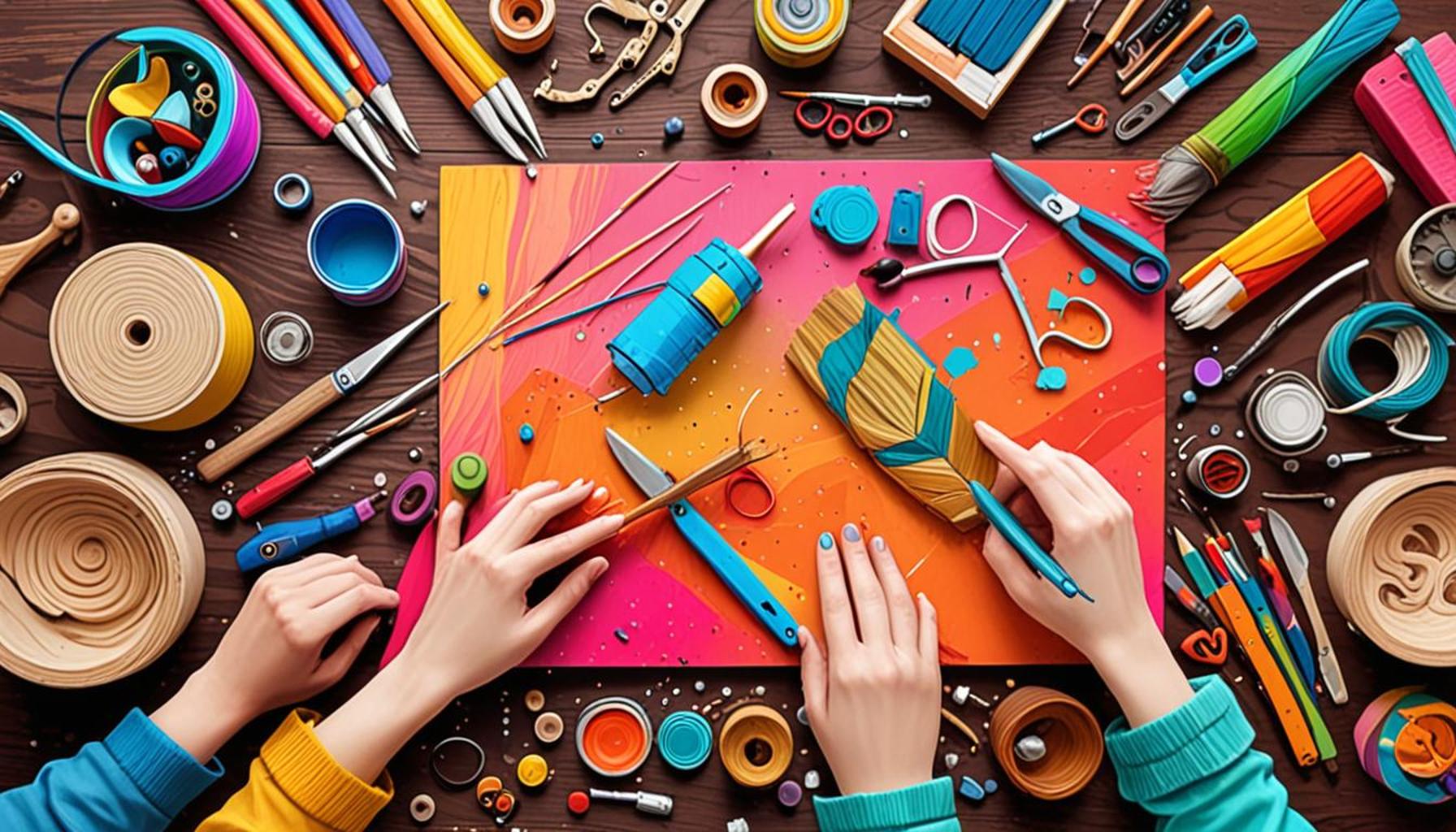
One of the most significant advantages of crafting is its ability to promote enhanced relaxation. When individuals immerse themselves in focused activities like knitting, painting, or even sculpting, they often find that their minds quiet down, allowing for a serene escape from the daily grind. For instance, a simple act like molding clay into a shape can be a meditative exercise, leading to a state of tranquility.
Additionally, crafting can lead to a boosted mood. The process of creating something from scratch releases endorphins and dopamine in the brain, which are linked to feelings of happiness. Whether you are decorating a piece of furniture with vibrant colors or working on a scrapbook filled with memories, these creative endeavors stimulate positive emotions. According to a study published in the Journal of Positive Psychology, individuals who engaged in regular creative activities reported increased life satisfaction and reduced feelings of depression.
Fostering Connections Through Crafting
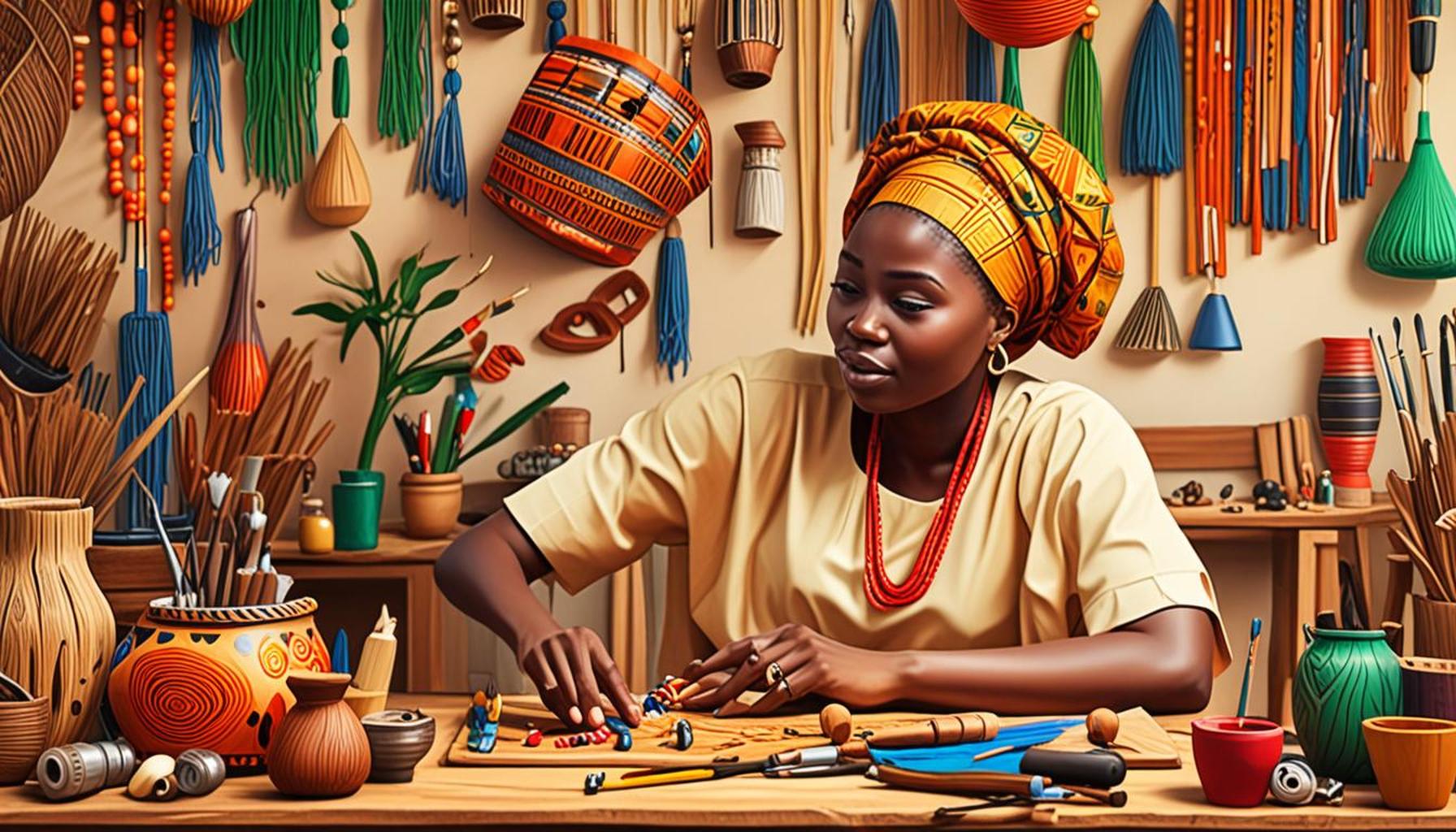
Crafting also plays a vital role in fostering social connection. In communities across Nigeria, group crafting sessions have become increasingly popular, creating an environment of support and collaboration. For instance, women’s groups often come together to learn traditional skills like bead-making or weaving, turning these sessions into beautiful social gatherings. Such activities not only strengthen bonds but also help preserve cultural heritage.
No discussion of crafting in Nigeria would be complete without highlighting its rich traditions. Crafts such as dyeing, wood carving, and ceramics are not just artistic expressions; they are also therapeutic practices rooted in cultural identity. Observing the intricate patterns in Aso Oke or the vibrant designs in traditional pottery can evoke feelings of pride and connection to one’s heritage, offering a deep sense of fulfillment.
Crafting for Mental Health and Community Well-Being
The mental health benefits of crafting extend beyond individual enjoyment. Studies suggest that spending time on such creative outlets can significantly improve one’s mental health and overall life satisfaction. By engaging in crafting, individuals often experience a renewed connection to their inner selves, paving the way for mindfulness and deeper community ties.
In summary, exploring the various realms of crafts opens a doorway to much more than just a pastime; it’s a holistic approach to reduce stress and enrich the quality of life. Whether you’re an expert artisan or a complete novice, embracing the world of crafts invites creativity and joy into your life, nurturing both individual growth and collective spirits.
ADDITIONAL INSIGHTS: Expand your understanding here
Finding Peace in Creation
Crafting as a practice is not just about creating beautiful objects; it is rooted in its ability to induce a state of calm and focus. The act of concentrating on manual projects encourages mindfulness, allowing individuals to be present and fully engaged in the moment. This focus serves as a powerful antidote to the myriad distractions of modern life, leading to reduced anxiety and improved mental health.
Engagement in various crafts, such as weaving, painting, or jewelry-making, can serve as an entry point into a therapeutic process. For example, the repetitive motions required in knitting or embroidery can facilitate a meditative state, similar to practices like yoga or meditation. These activities immerse the creator in a rhythmic flow, translating stress into something tangible and often beautiful.
The Science Behind Crafting and Stress Relief
A wealth of research supports the beneficial effects of crafting on reducing stress levels. Studies have shown that engaging in creative activities can lower the cortisol levels in the body, which is a hormone commonly associated with stress. For instance, a study conducted by researchers at Drexel University found that just 45 minutes spent on a creative task was enough to reduce stress levels significantly. Furthermore, participants reported feeling more relaxed and satisfied after the activity, underlying the positive psychological impacts of crafting.
Here are some of the key ways in which crafting contributes to stress relief:
- Mindfulness and Focus: Crafting encourages concentration on the task at hand, enabling individuals to let go of worries and anxieties.
- Creative Expression: Manual projects provide an outlet for self-expression, allowing individuals to channel their emotions into a physical form.
- Sense of Accomplishment: Completing a craft project instills a sense of achievement, which can boost self-esteem and overall well-being.
- Physical Engagement: Combining physical activity with creativity can be invigorating and helps release pent-up energy and tension.
Moreover, our shared experiences with crafting can create a sense of connection and belonging. Community workshops and group crafting events are becoming increasingly popular in Nigeria, fostering bonds among participants while engaging in creative expression. Whether it’s a pottery class in a Lagos neighborhood or a bead-making workshop in Abuja, these gatherings allow individuals to share their skills, exchange ideas, and support one another—further enhancing the effects of crafting on well-being.
In essence, embracing the world of crafting opens avenues not just for creativity but also for a deeper understanding of oneself and a renewed approach to handling stress. As individuals explore these manual projects, they uncover tools that empower them to navigate life’s challenges with a greater sense of resilience and fulfillment.
| Advantage | Explanation |
|---|---|
| Boosts Creativity | Engaging in manual projects fosters creative thinking, allowing individuals to express themselves and develop problem-solving skills. |
| Enhances Mindfulness | Crafting promotes mindfulness by encouraging focus on the present moment, which can alleviate anxiety and enhance overall well-being. |
| Improves Motor Skills | Participating in manual projects helps to refine both fine and gross motor skills, crucial for daily tasks and overall physical health. |
| Provides a Sense of Accomplishment | Completing a project delivers a sense of achievement, boosting self-esteem and motivation to tackle new challenges. |
Crafting activities may serve as an ideal way to escape the pressures of everyday life. By immersing oneself in manual tasks, such as knitting, painting, or woodworking, an individual can find comfort and a therapeutic outlet that reinforces their mental well-being. These activities not only occupy the mind but also provide a tactile experience that can be grounding. The sense of community cultivated through shared crafting experiences further enhances these benefits, as individuals can connect and collaborate with like-minded peers, reinforcing social bonds. Thus, manual projects can play a pivotal role in reducing stress and enhancing overall mental health and emotional resilience.
SEE ALSO: Click here to read another article
Crafting as a Community Builder
While the individual benefits of crafting for stress relief are profound, the communal aspect of crafting can also significantly enhance one’s well-being. In Nigeria, traditional crafts such as basket weaving, tie-and-dye, and pottery have long been cherished not only for their beauty but also for their ability to bring people together. Engaging in these activities with others fosters a sense of community, often leading to stronger interpersonal connections and emotional support.
Participating in crafting groups can diminish feelings of isolation, especially for those navigating challenging periods in their lives. For instance, local craft fairs and community gatherings in cities like Lagos allow individuals to connect over shared interests and experiences. These settings provide an opportunity for participants to form friendships and networks, which can be invaluable during stressful times. The laughter, conversation, and collaboration that occur during crafting sessions create a nurturing environment for emotional expression and healing.
Cultural Significance and Identity
Crafts are integral to cultural identity, and engaging with traditional crafts can invoke a sense of belonging and pride. In Nigeria, each region boasts unique handicrafts that reflect its history, heritage, and values. For example, the Adire fabric from southwestern Nigeria not only showcases artistic skill but also carries cultural narratives that resonate with the community. By participating in these crafts, individuals not only find a channel for stress relief but also engage in cultural preservation and the celebration of their heritage, enhancing their sense of purpose and identity.
Moreover, learning traditional crafts often involves mentorship, where skilled artisans share their knowledge with novices. This transference of skills not only bolsters the economy but also nurtures relationships across generations, creating bonds that enrich the mental well-being of all involved. The transfer of traditional techniques ensures that valuable cultural practices survive, simultaneously imparting a sense of worth and continuity to the participants.
Home as a Canvas for Wellness
In addition to community crafting, home crafting practices such as DIY home decor and upcycling materials are on the rise. Individuals are rediscovering the joy of creating handmade items for their living spaces, engaging with materials in new and creative ways. This not only fosters individual creativity but also promotes a sense of ownership and pride in one’s environment. By transforming everyday items into art, crafters cultivate a more meaningful space that reflects their personalities and passions.
Additionally, decorating spaces with handmade crafts can serve as a daily reminder of resilience and creativity, often reducing daily stressors. Studies indicate that individuals who personalize their living spaces experience increased happiness and decreased anxiety. As they contribute to their surroundings, they cultivate a sense of control and accomplishment, vital components in managing daily stress levels.
In essence, crafting in all its forms—be it communal gatherings or individual projects at home—serves as a valuable avenue for enhancing well-being. The therapeutic essence of crafting extends beyond mere stress relief, encapsulating emotional connectivity, cultural relevance, and personal fulfillment as individuals navigate the complexities of life in Nigeria and beyond.
CHECK OUT: Click here to explore more
Embracing Creativity for Mental Wellness
Crafting represents a unique intersection of creativity and well-being, offering profound benefits to those who engage in manual projects. By exploring traditional crafts like basket weaving and tie-and-dye, individuals not only connect with their cultural heritage but also foster essential emotional connections within their communities. This social aspect of crafting reduces feelings of isolation and enhances mental health by creating a nurturing environment for support and collaboration.
The act of creating—whether through DIY home decor or community workshops—allows individuals to channel stress into something beautiful and tangible. Engaging in these activities nurtures a sense of achievement, which is particularly crucial in today’s fast-paced world where anxiety can often feel overwhelming. Personalizing living spaces through handmade crafts not only reflects individuality but also cultivates an inviting atmosphere that promotes relaxation and comfort.
Moreover, as people come together to share their skills and stories, they pass down invaluable traditions that keep cultural legacies alive while enhancing community bonds. This vibrant exchange between generations enriches not just the participants but also the wider community, instilling a sense of pride and purpose. Through crafting, individuals in Nigeria and beyond can discover a fulfilling escape from stress, allowing for greater emotional expression and resilience.
As we continue to navigate the complexities of modern life, it is essential to remember the power of creativity. Embracing crafts as a functional method for well-being can lead to lasting happiness, deeper relationships, and cultural appreciation. Therefore, let us encourage exploration in this realm—where manual projects become more than just a pastime; they transform into a path toward holistic health and rejuvenation.