
Writing for Children: How to Capture the Imagination of Young Ones Through Words
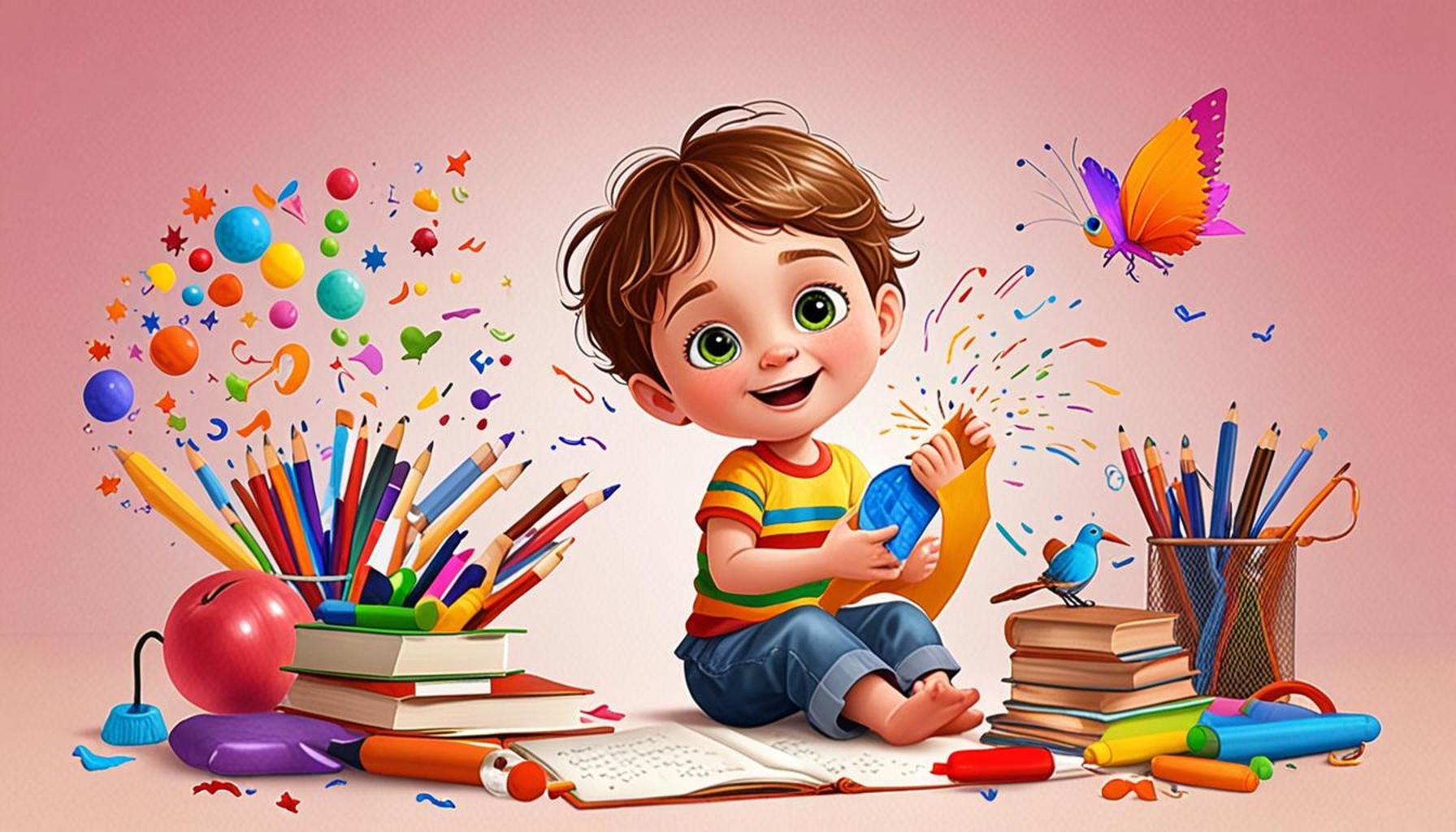
Unlocking the World of Children’s Literature
Every story has the power to transport young minds to enchanting realms, igniting their imagination. When it comes to writing for children, the goal is not just to entertain, but to inspire. The right words can create magic that allows kids to dream big and explore endless possibilities.
Understanding how to engage young readers involves recognizing their unique perspectives, which differ vastly from adults. Children see the world with fresh eyes, filled with wonder and curiosity, making it crucial for writers to connect with them on their level. Here are some key elements to consider:
- Simplicity: Clear, concise language resonates with children. Complex ideas can cause confusion, while straightforward language allows kids to easily grasp the narrative. For instance, instead of saying “exhilaration,” one might describe a character as “feeling super happy.”
- Relatable Characters: Children relate best to characters that mirror their lives or introduce them to new experiences. A story featuring a young girl who faces and overcomes fears can empower young readers to tackle their own challenges.
- Vivid Imagery: Descriptive language that paints colorful pictures in their minds enhances comprehension and retention. Using metaphors and similes, such as “the stars twinkled like diamonds in the night sky,” can captivate their attention and spark their imagination.
- Interactive Elements: Activities or questions that provoke thought and discussion increase engagement. For example, prompting readers to think about what they would do in a character’s situation encourages critical thinking and personal reflection.
In Nigeria, where stories and folklore abound, incorporating cultural elements is both a responsibility and an opportunity. Traditional Nigerian folktales, such as those narrated by the wise tortoise or the cunning hare, can serve as a bridge between heritage and modern storytelling. These tales often contain moral lessons that resonate across generations. By weaving familiar themes with colorful characters, such as a hero inspired by local legends or a setting that mirrors a bustling Nigerian marketplace, writers can enchant young readers while enriching their cultural understanding.
This article delves into the art of capturing the imagination of young ones through words. We will explore techniques, examples, and practical tips for writers wanting to leave a lasting impact. Each element discussed serves as a tool for crafting stories that not only entertain but also nurture young minds and encourage them to explore their creativity. Prepare to embark on a journey where creativity knows no bounds, and every narrative has the potential to ignite a passion for reading in the hearts of young Nigerians!
SEE ALSO: Click here to read another article
Crafting Stories That Resonate
To capture the imagination of young readers, it is essential to craft stories that resonate with their experiences, interests, and emotions. A child’s world is filled with vivid sensations and feelings – from the thrill of a birthday party to the anxiety of starting school. Writers must tap into these universal experiences, creating narratives that not only entertain but also foster empathy and understanding among young audiences.
One effective way of doing this is through the use of imaginative plots that allow children to venture beyond the ordinary. Think about the whimsical adventures of characters who embark on journeys to magical lands or solve problems using creativity and resourcefulness. For instance, a story about a boy who discovers a hidden portal in his backyard that leads to a world where toys come alive will undoubtedly pique the interest of children. This element of surprise combined with relatable scenarios can fuel their enthusiasm for reading.
Additionally, incorporating cultural diversity into stories can enrich the reading experience. In Nigeria, a country with a wealth of ethnic backgrounds and traditions, bringing local tales to life can connect children not only to their roots but also to other cultures. Consider weaving narratives around various Nigerian festivals or traditional practices, such as the color and vibrancy of the Durbar festival in the North or the exciting activities surrounding the Eyo festival in Lagos. These elements offer readers a glimpse into their heritage while encouraging a sense of pride and appreciation for their culture.
Another integral aspect of writing for children is understanding their cognitive development stages. Children vary in their comprehension levels and emotional maturity based on age. Here are some notes to consider when targeting specific age groups:
- Toddlers (2-4 years): Use simple words and repetitive phrases. Stories should revolve around everyday situations like going to the market or playing in the park.
- Preschool (4-6 years): Introduce basic problem-solving elements and colorful illustrations. Characters can start to face challenges, such as making new friends.
- Early Readers (6-8 years): Introduce more complex storylines and lessons about resilience or teamwork. Include exciting adventures that stimulate curiosity.
- Middle Grade (8-12 years): Engage with deeper themes like identity, family dynamics, and challenges. Characters should be relatable, facing dilemmas and moral questions.
By tailoring language and themes to match the interests and comprehension levels of these age groups, writers can build a deeper connection with young readers. The key lies in balancing the fun, adventurous aspects with educational insights, encouraging children to both enjoy the story and learn something valuable.
Ultimately, writing for children is an art that requires thoughtful consideration of their unique worldview. By embracing simplicity, relatability, cultural richness, and cognitive stages, authors can craft tales that not only captivate young minds but also leave a lasting imprint long after the last page is turned. In the forthcoming sections, we will delve into more techniques and storytelling methods that can transform simple narratives into captivating literary experiences for children.
| Category | Advantages |
|---|---|
| Imaginative Language | Using vivid imagery and creative descriptions captivates young readers. |
| Interactive Elements | Incorporating questions and activities engages children, making reading a fun experience. |
| Relatable Characters | Creating characters that children can identify with fosters connection and empathy. |
| Moral Lessons | Stories with underlying morals encourage children to reflect on their own values. |
In writing for children, it is essential to understand the profound impact of imaginative language and how it can transport young readers into fantastical worlds. Utilizing descriptive phrases that create vivid imagery not only captures the imagination, but also enhances vocabulary development and comprehension skills.Moreover, integrating interactive elements such as questions or activities encourages children to participate in the narrative actively. This creates a dynamic reading experience that can boost their interest in literature.Relatable characters play a significant role in children’s literature, as young readers often seek figures they can connect with, stimulating emotional responses and understanding. Furthermore, embedding moral lessons within stories prompts intrigue and introspection, helping to instill values subtly while keeping them engaged. This blend of creativity and education in children’s writing is a powerful combination that fuels a lifelong love for reading.
LEARN MORE: This related article may interest you
Using Language and Style to Engage Young Readers
In addition to crafting compelling stories, the language and style used in children’s literature play a crucial role in engaging young readers. The rhythm and sound of words can enhance the reading experience and stimulate interest. Authors should consider employing alliteration, rhyme, and repetition to create a musical quality in their writing. For instance, the joy of reading the classic Nigerian children’s book, “Anansi and the Talking Melon,” comes not only from its story but also from the playful cadence of the prose that can entice children into the narrative.
Additionally, children often thrive on visual stimuli. A well-illustrated book can draw them in, serving as a bridge between the text and their imagination. When selecting a plot, think about how different illustrations can complement and amplify the story’s essence. For example, the vibrant colors and diverse depictions in children’s books can reflect the multicultural tapestry of Nigeria, from the bustling markets of Lagos to the serene landscapes of the Niger Delta. Illustrations can be used to introduce children to various textures, colors, and designs found in different Nigerian cultures, making the experience more enriching.
Moreover, integrating interactive elements into storytelling can transform passive reading into an engaging experience. This can include call-and-response sections where children are invited to repeat phrases or mimic sounds, making them feel like active participants in the story. For instance, a story involving a character exploring a rainforest could encourage children to imitate bird calls or tree rustling, enhancing their connection to the narrative. This interactive style not only instills a sense of ownership over the story but also promotes early literacy skills as children start identifying sounds and words.
Furthermore, it is vital to include moral lessons within children’s narratives without appearing didactic. Young readers often relate to stories that provide layers of meaning, subtly imparting wisdom through the actions of characters. Consider a story where a group of children works together to save their local environment from pollution caused by careless behavior. As they encounter challenges, themes of teamwork, responsibility, and community spirit emerge naturally, allowing children to draw lessons from the characters’ experiences without feeling preached to. This approach aligns with the Nigerian ethos of community and collective growth, making narratives feel relevant and impactful.
Incorporating emotional depth is also key to resonating with children. While stories can be adventurous and entertaining, they should also touch on feelings that kids genuinely experience. Topics like fear, friendship, loss, and joy can be explored through relatable characters. Writing about a child who faces challenges at school, for example, can unveil invaluable lessons about resilience and self-acceptance in a manner that encourages dialogue between children and their guardians about their own feelings and experiences.
Ultimately, successful children’s literature weaves together an understanding of language, illustrative artistry, interactive play, moral undertones, and emotional depth. By implementing these facets effectively, writers not only entice children into the pages of their stories but also empower them to explore their own imaginations, fostering a lifelong love of reading. As we venture deeper into the craft of writing for children, we will discover additional strategies and techniques that can further enhance the artistry behind captivating narratives tailored for young minds.
SEE ALSO: Click here to read another article
Conclusion: Inspiring Young Minds Through Thoughtful Narration
In conclusion, writing for children is a delicate art that requires a unique blend of creativity, empathy, and technical skill. As we have explored, the journey begins with a compelling story—one that unlocks the doors to imagination and invites children into worlds of adventure and learning. The choice of language and style is fundamental in crafting an engaging narrative; utilizing rhythmic elements, alliteration, and playful vocabulary can transform an ordinary story into a delightful reading experience. Coupled with captivating illustrations and interactive elements, authors have the power to enhance the bond between young readers and the text, making reading an immersive adventure.
Moreover, weaving in moral lessons and emotional depth ensures that children not only find enjoyment in stories but also glean valuable life lessons that resonate with their everyday experiences. As Nigerian writers tap into culturally relevant themes and characters, they also reflect the rich tapestry of the nation, allowing children to see themselves in the stories they read.
Ultimately, aspiring writers must recognize the profound impact their words can have in shaping young minds. By combining creativity with intentionality, they can foster a generation of readers who are not only captivated by stories but also empowered to engage with the world around them. As you embark on your writing journey, remember that each word is an opportunity to inspire, educate, and spark a lifelong love for reading among our children.